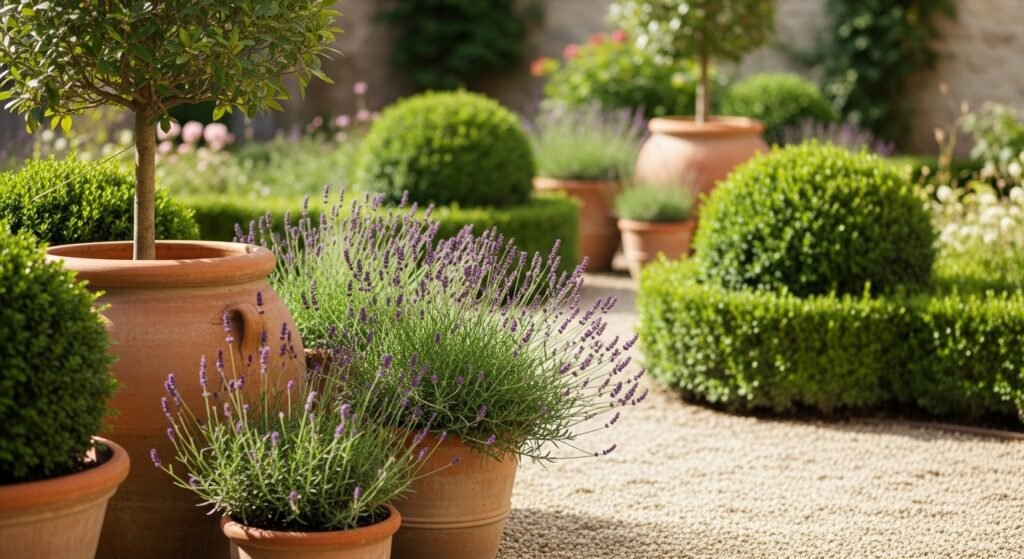
I finally stopped trying to make the courtyard “perfect.” I planted the wrong size olive tree, watched a trellis sag, and learned which scents actually sit well on a small patio.
Now it feels like home—not a showpiece. These ideas are things I’ve tried, fixed, and kept.
They’re practical, lived-in, and easy to copy.
25 Stunning French Courtyard Garden Ideas for a Dreamy Outdoor Space
These 25 ideas are things I’ve built in small courtyards and alleys. Each one is realistic, budget-friendly, and repeatable. Use what fits; leave the rest. All 25 ideas included below.
1. Layered Container Planting That Makes a Patio Feel Full
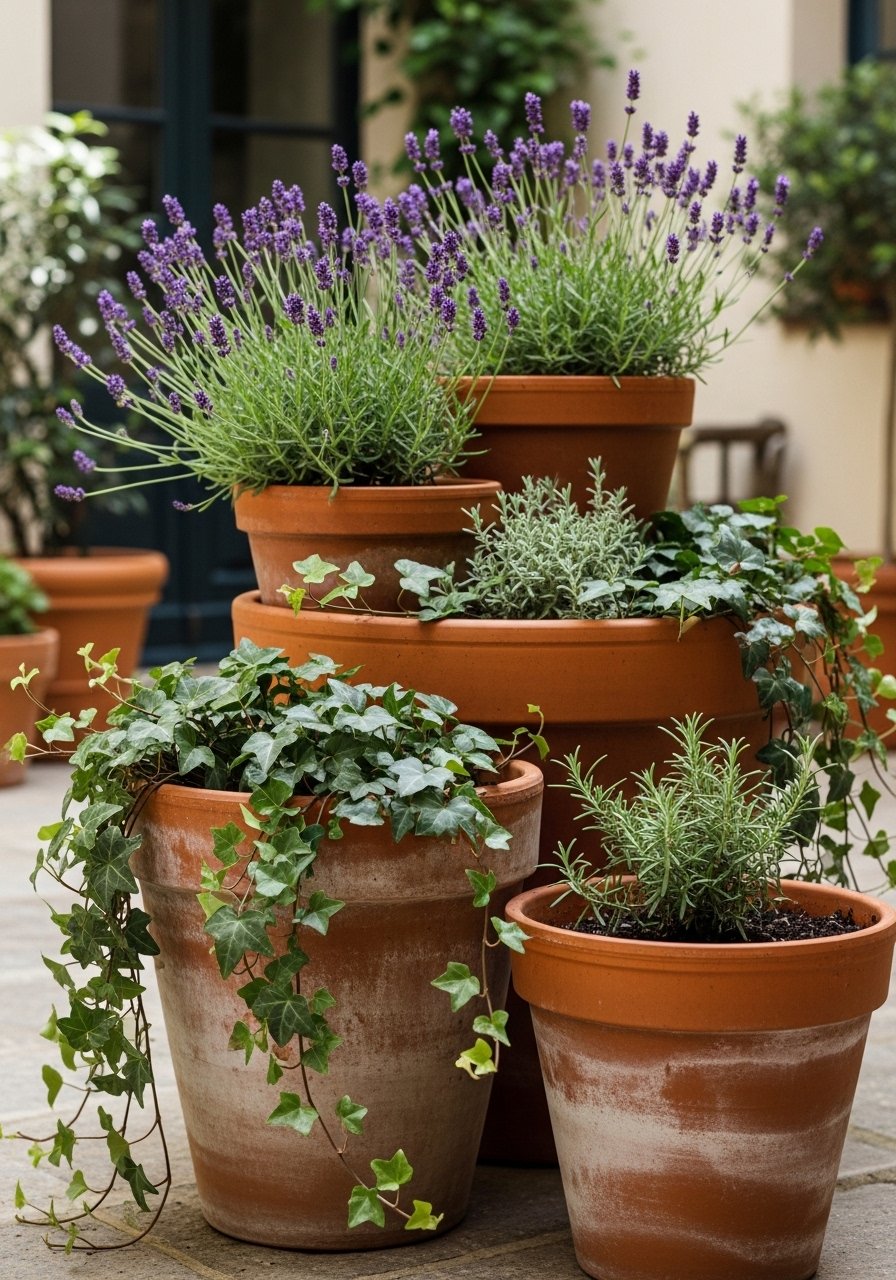
I planted three sizes of terracotta and filled them with lavender, rosemary, and trailing ivy. It added height, scent, and a lived-in look in a week. I once crammed everything into one giant pot—roots suffocated—so I split plants into layers instead.
Visually, the layers read like a small border. The scent carries at dusk and the maintenance is minimal.
Watch soil depth for rosemary; it hates wet feet. Move smaller pots to shade in the hottest months.
What You’ll Need for This Look
- Terracotta planter set (12 inch, 8 inch, 6 inch)
- Lavender plants (3-pack, English lavender)
- Stainless steel hand trowel
2. Central Fountain for Quiet Water Sound
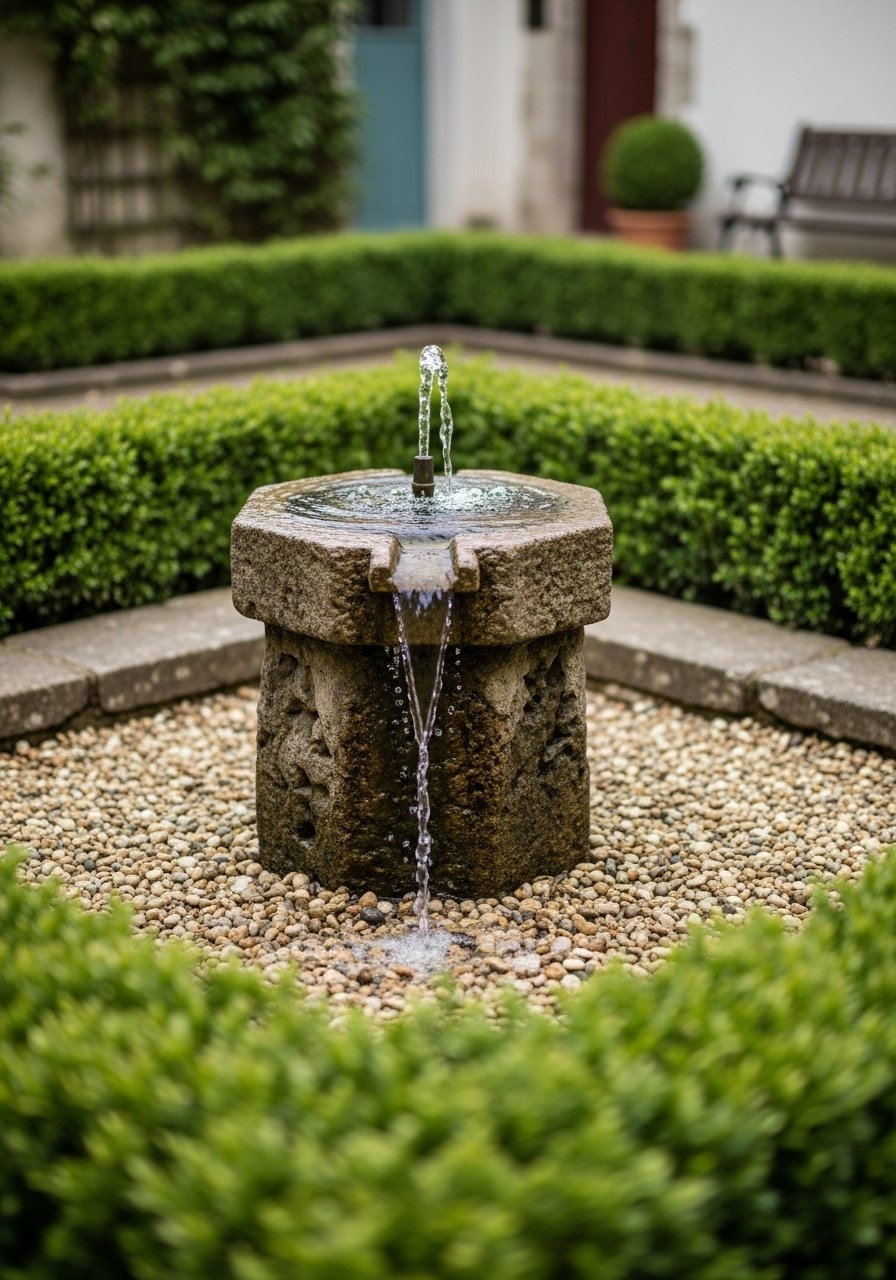
I added a small stone fountain to mask street noise. The first pump I bought was too weak, so I upgraded to a submersible unit that holds up. The water sound makes the courtyard feel cooler and calmer instantly.
Place it off-center if your space is asymmetrical; it reads more natural. Watch splashing—choose a low cascade fountain for small spaces.
What You’ll Need for This Look
- Submersible fountain pump (adjustable flow)
- Stone garden fountain (small, weather-resistant)
- River pebbles (20 lb bag)
3. Clipped Boxwood Edges for Instant Formality (and the Time They Missed a Prune)
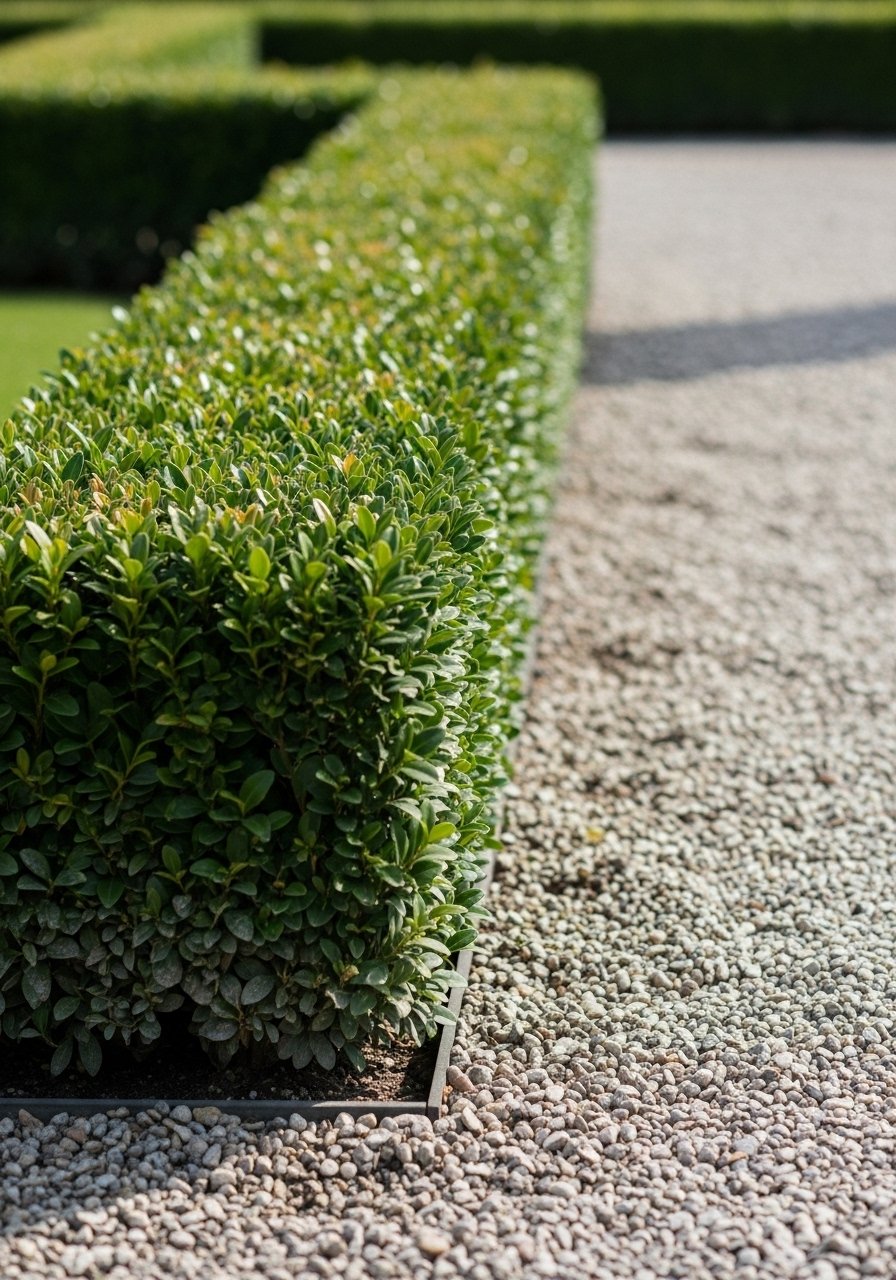
I used small boxwoods to edge a gravel parterre. They gave the courtyard structure fast. I once waited too long to prune and they went leggy—so I learned to clip early and often.
They tolerate lots of sun and look neat against stone. In winter they can bronze, so pick varieties that hold color.
Keep the first year’s growth light—don’t shears into old wood. Regular light trims keep the shape and reduce the shock.
What You’ll Need for This Look
4. Bistro Set Nook — Small Table, Big Charm
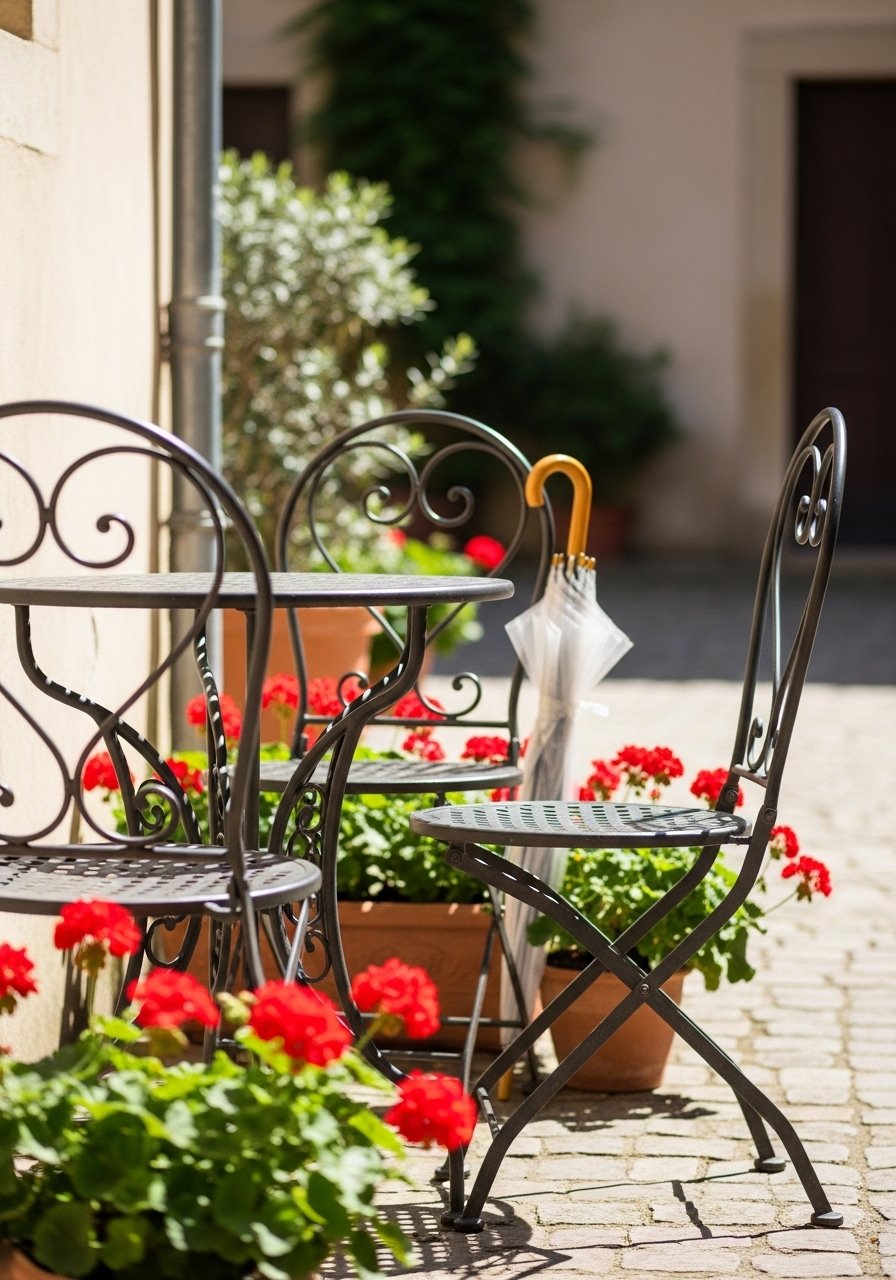
I squeezed a bistro table into a tight corner and suddenly had breakfast outside most days. The iron set is durable and needs little care. I bought a cheap umbrella once that faded in a season—spend a little more on fabric.
This is where neighbors stop by. Add a small cushion for comfort, but keep patterns simple.
Anchor the spot with a pair of matching planters to make it feel intentional.
What You’ll Need for This Look
- Wrought iron bistro set (2-person)
- Outdoor seat cushion (18×18, weather-resistant)
- Small patio umbrella (6 ft)
5. Climbing Roses on a Simple Wood Trellis
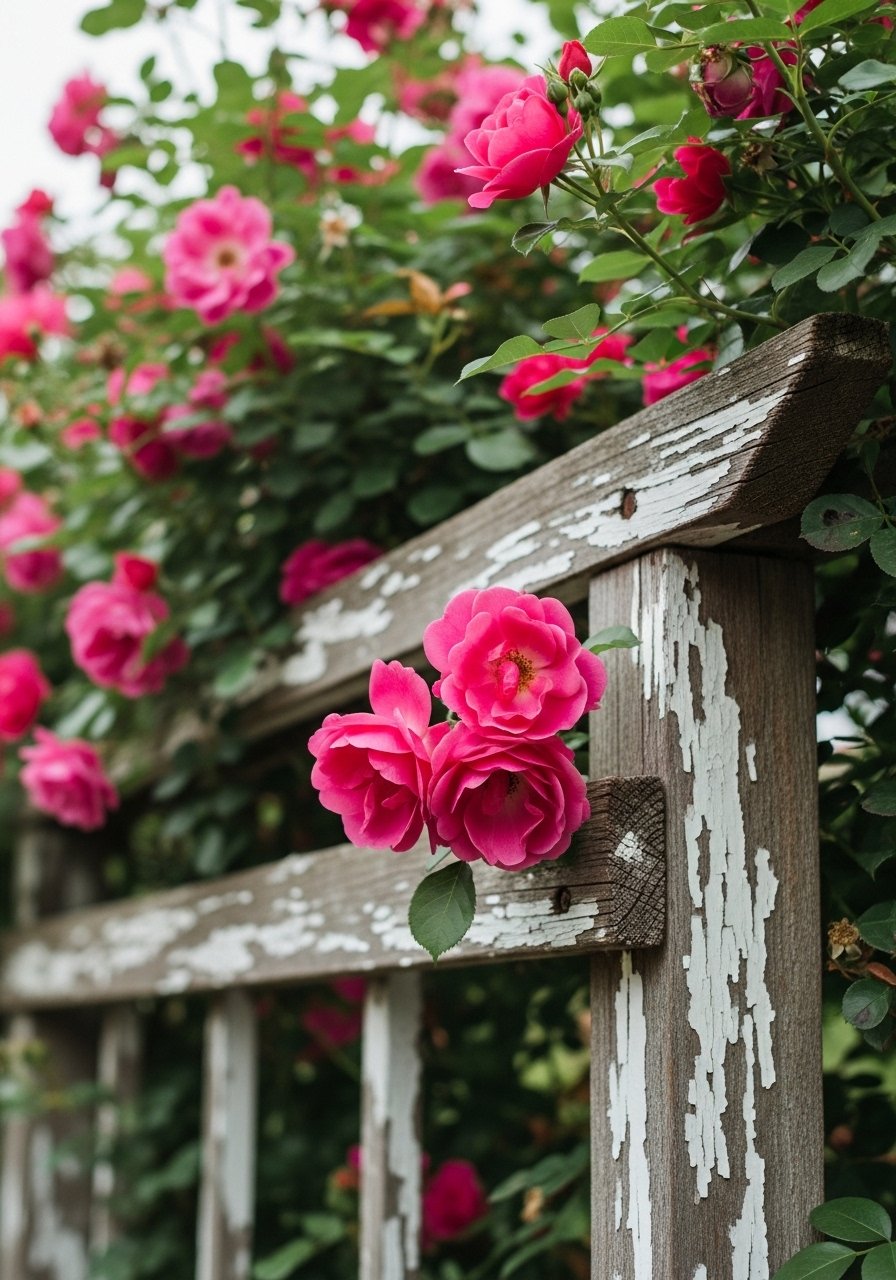
I trained climbing roses up a simple wood trellis against a pale wall. The blooms soften the stone and smell wonderful. I once chose an aggressive climber that took over the courtyard—so pick a manageable variety.
Tie canes loosely and prune for air. A support system makes them easier to maintain and keeps flowers visible rather than tangled.
What You’ll Need for This Look
- Wood garden trellis (4 ft, cedar)
- Climbing rose (bare root or 2-gallon)
- Garden twine (biodegradable)
6. Lavender Alley for Scent and Pollinators
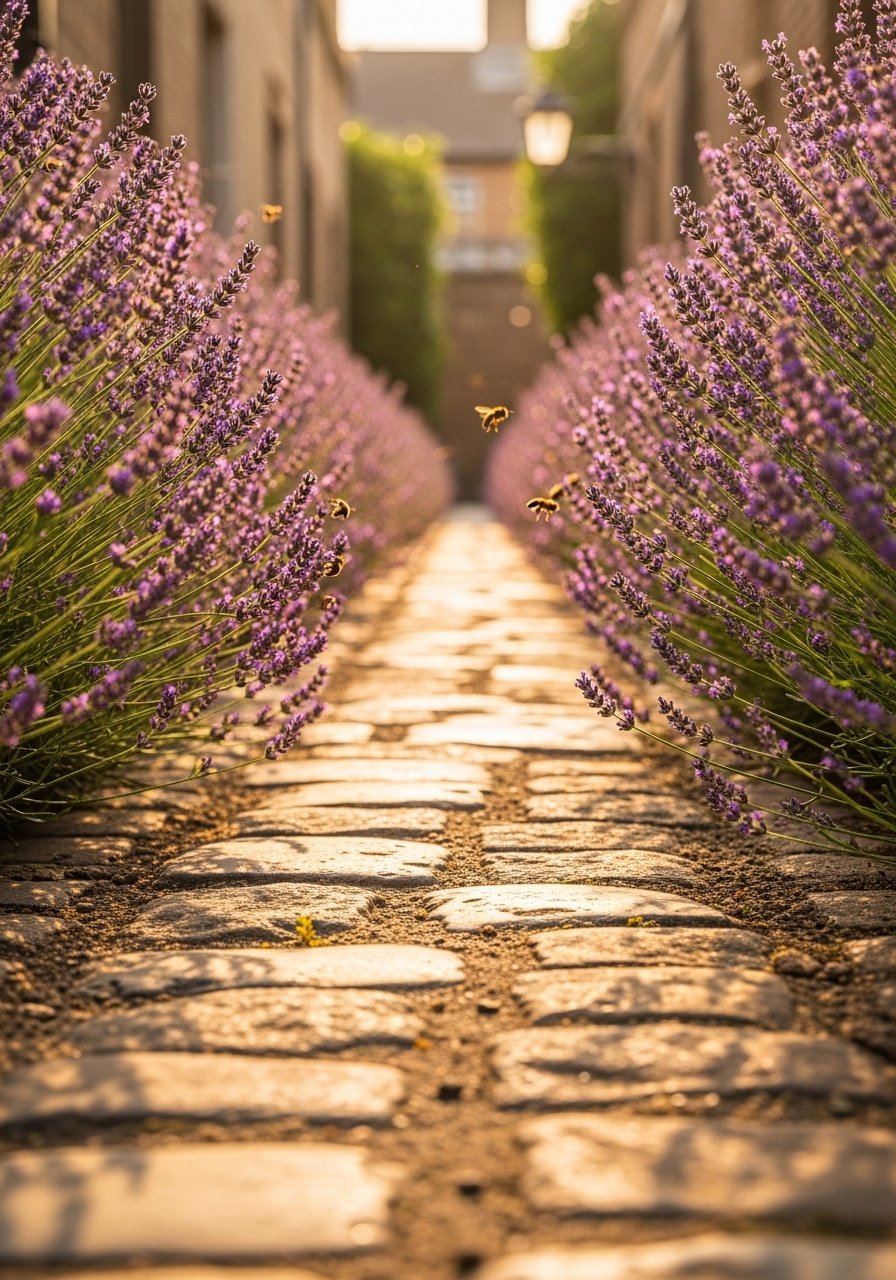
I planted lavender along a narrow run and suddenly had a smelling avenue. It attracts bees and looks tidy through summer. I overwatered mine the first year and lost a few, so gravel soil mix helped after that.
Shear lightly after flowering to keep the mound shape. Lavender also dries well—cut stems for the kitchen or gifts.
What You’ll Need for This Look
- Lavender plants (6-pack, Provence or Hidcote)
- Gravel for drainage (20 lb bag)
- Garden shears for shaping
7. Pebbled Parterre with Simple Geometry (and the Time I Misjudged Scale)
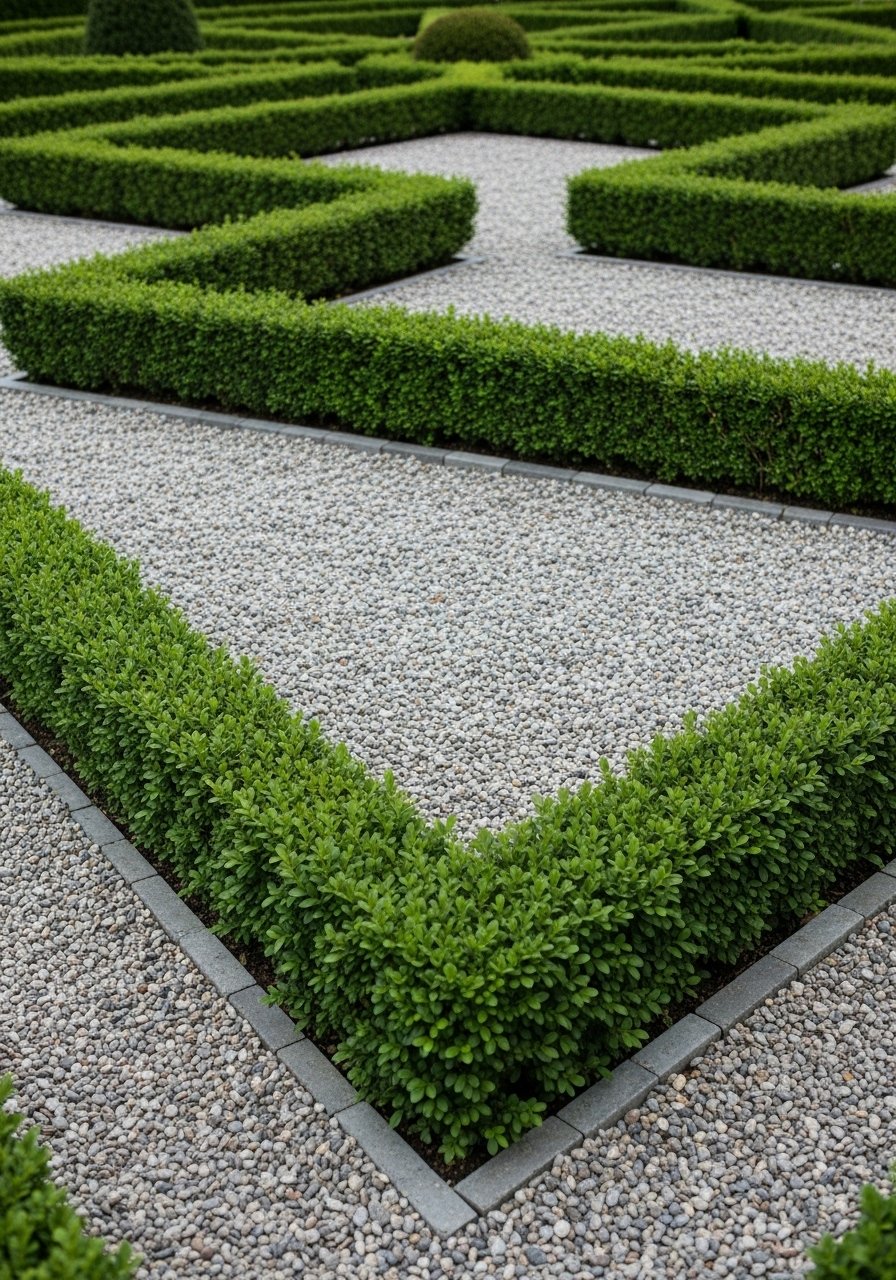
I mapped a small parterre with boxwood edges and two contrasting gravels. At first I misjudged scale and made the central circle too large, which swallowed a small bench. I redrew the layout and the balance returned.
The combination of textures reads classic French and feels tidy. It’s low-maintenance once planted, but make sure dimensions suit your seating and traffic.
Use a landscape fabric base to keep weeds at bay and choose two gravels with clear contrast.
What You’ll Need for This Look
- Decorative garden gravel (white, 20 lb)
- Decorative garden gravel (gray, 20 lb)
- Landscape fabric (3×50 ft)
8. Olive Tree in a Pot for Mediterranean Vibes
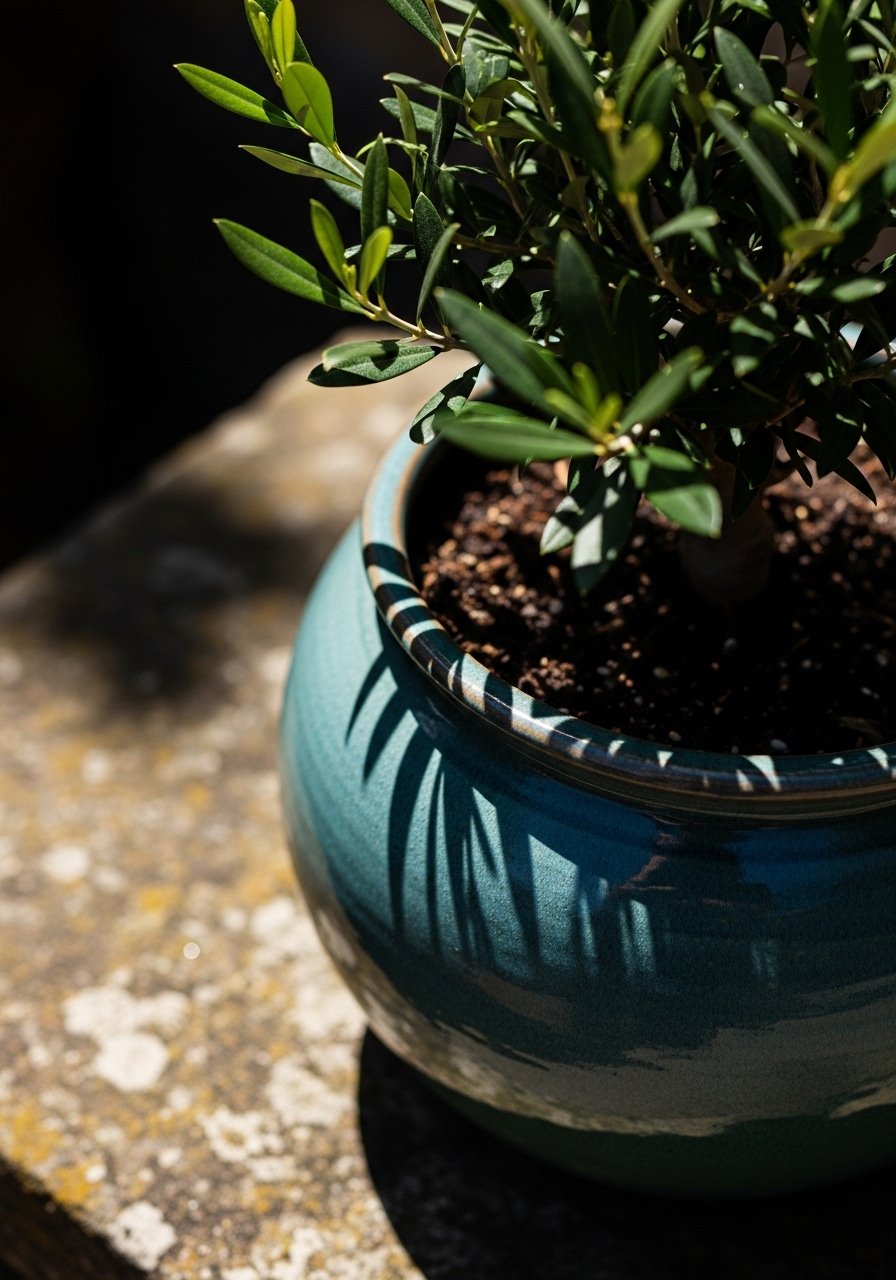
I planted an olive in a large glazed pot to get that Mediterranean feel without redoing soil. It takes sun and looks architectural. I bought the wrong cultivar once that didn’t like my winters, so choose a cold-hardy variety for your zone.
Keep it in a well-draining mix and don’t overwater. In winter I move mine closer to a wall for shelter.
What You’ll Need for This Look
9. Painted Shutters and Window Boxes for Instant Color
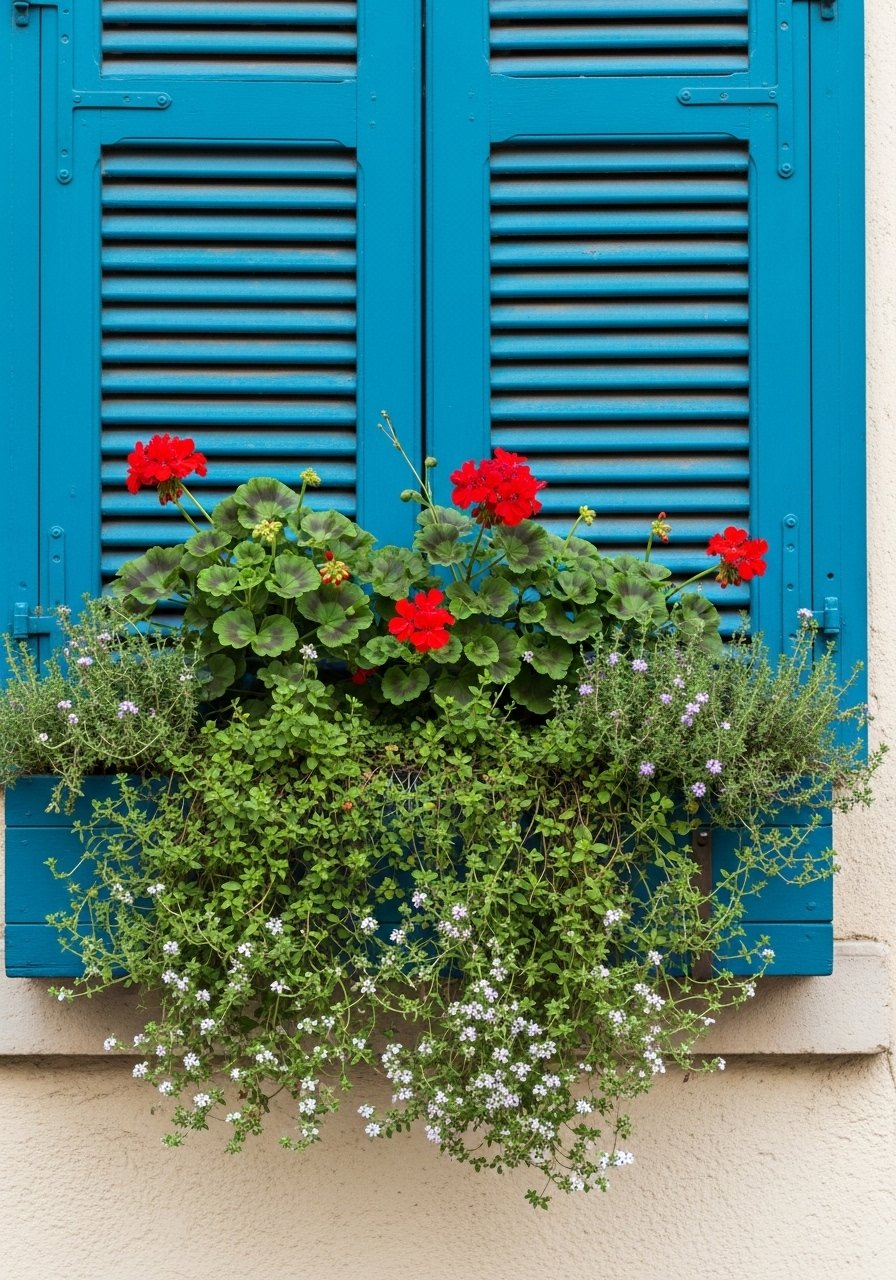
I repainted old shutters a soft blue and hung window boxes packed with geraniums and thyme. The shutters gave contrast to stone and the boxes added life at eye level. I once used a flaking paint—prep matters.
Choose hardy annuals for long color and tuck in trailing herbs. Secure boxes with good brackets—wind is unforgiving.
What You’ll Need for This Look
- Outdoor paint (sample quart, pale blue)
- Window box planter (24 inch, cedar)
- Heavy-duty planter brackets
10. Espaliered Fruit Trees That Save Space and Feed You
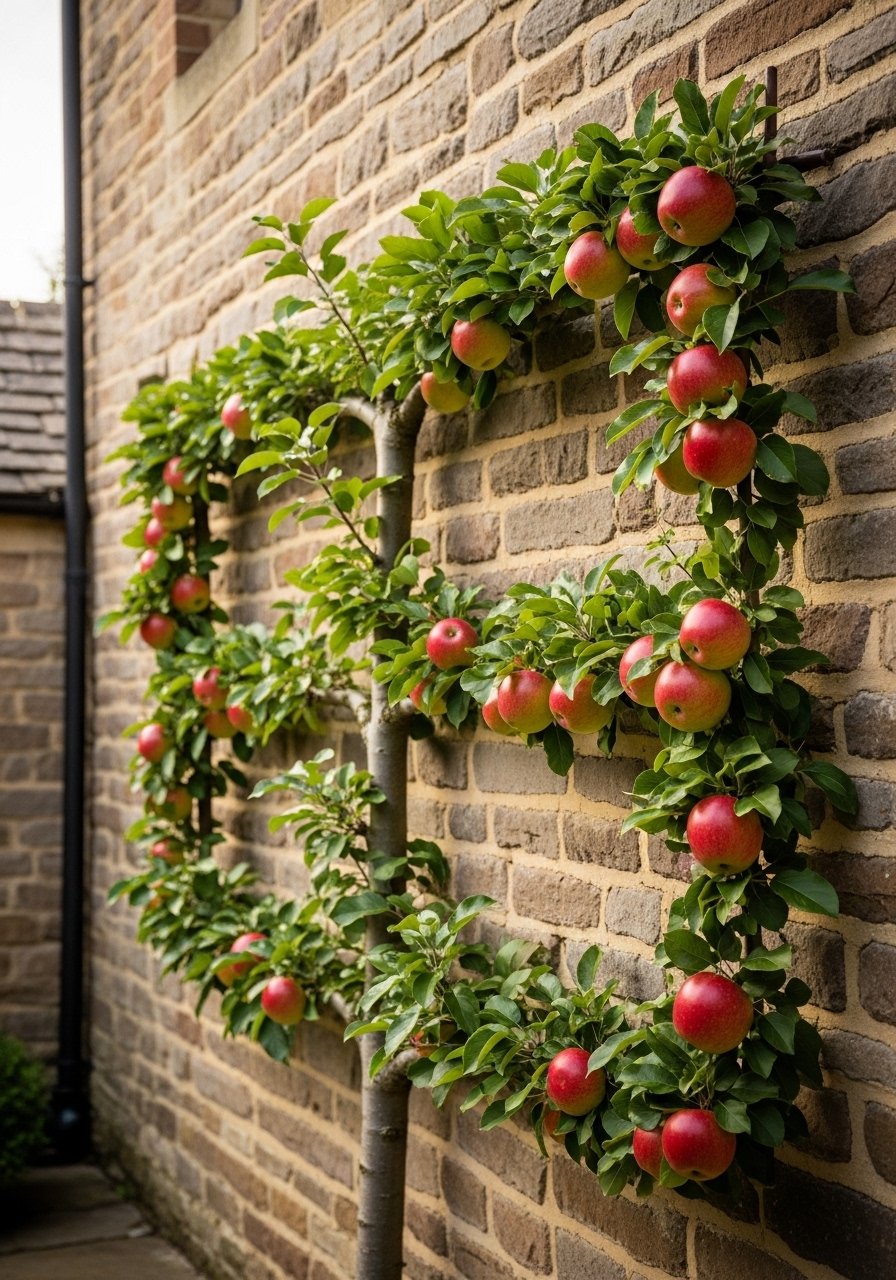
I espaliered an apple against a warm wall. It fit where a full tree wouldn’t and produced fruit. The first winter I left too many branches and the espalier lost its clean line—so I learned to hard prune young.
Training takes a season or two, but scale is perfect for a courtyard. The wall gives heat and helps ripen fruit.
Start with a healthy rootstock and commit to two seasons of tying and pruning.
What You’ll Need for This Look
11. String Lights and Lanterns for Soft Evenings
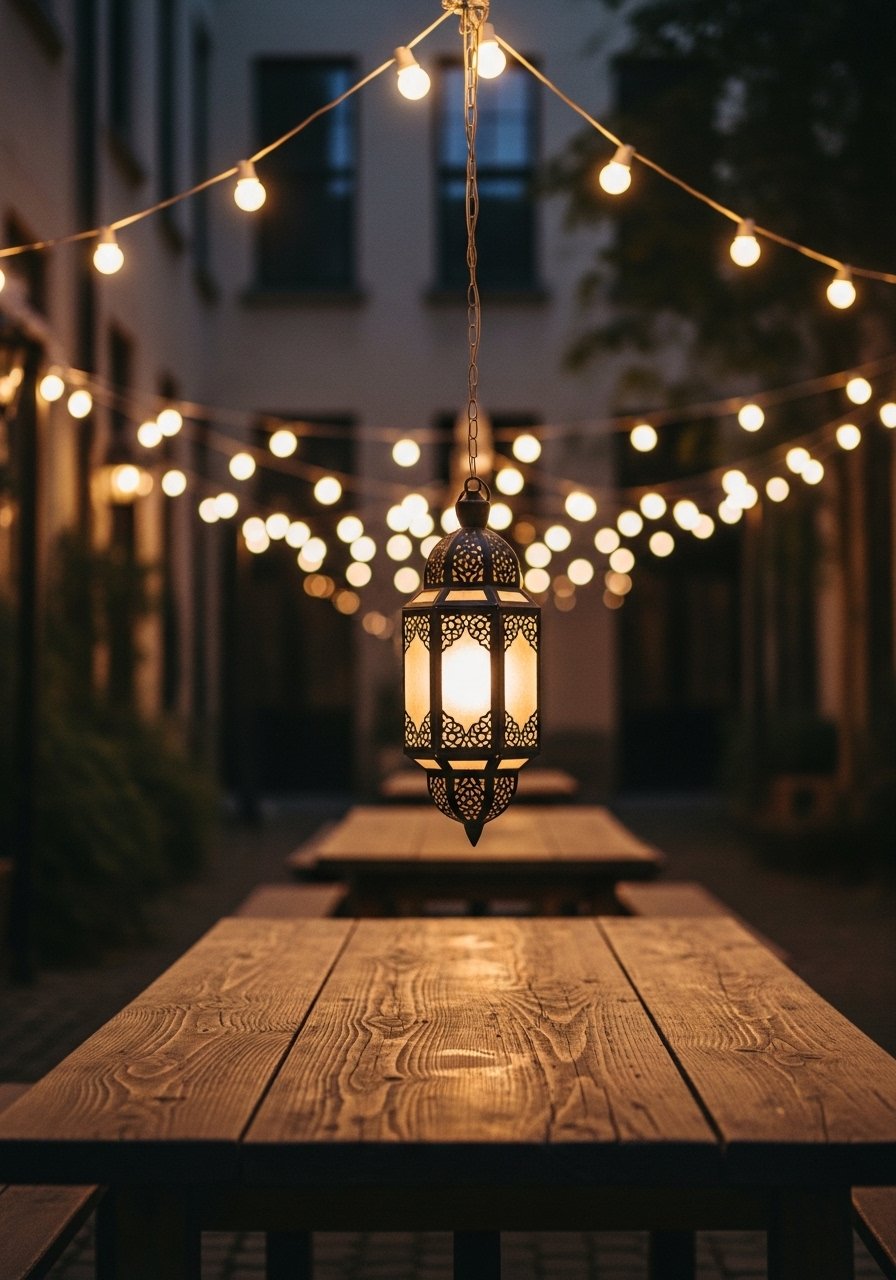
I hung warm string lights across my courtyard and added a couple of battery lanterns. The light made the space usable into late evenings. I once bought cool-white bulbs—dropped them for warm tones immediately.
Use dimmable or low-wattage warm LEDs to keep the mood soft. Secure wiring to avoid sagging.
Layer lights low and high to avoid shadows and create a cozy envelope.
What You’ll Need for This Look
12. Herb Wall for Cooking Right Outside (and My First Collapsing Shelf)
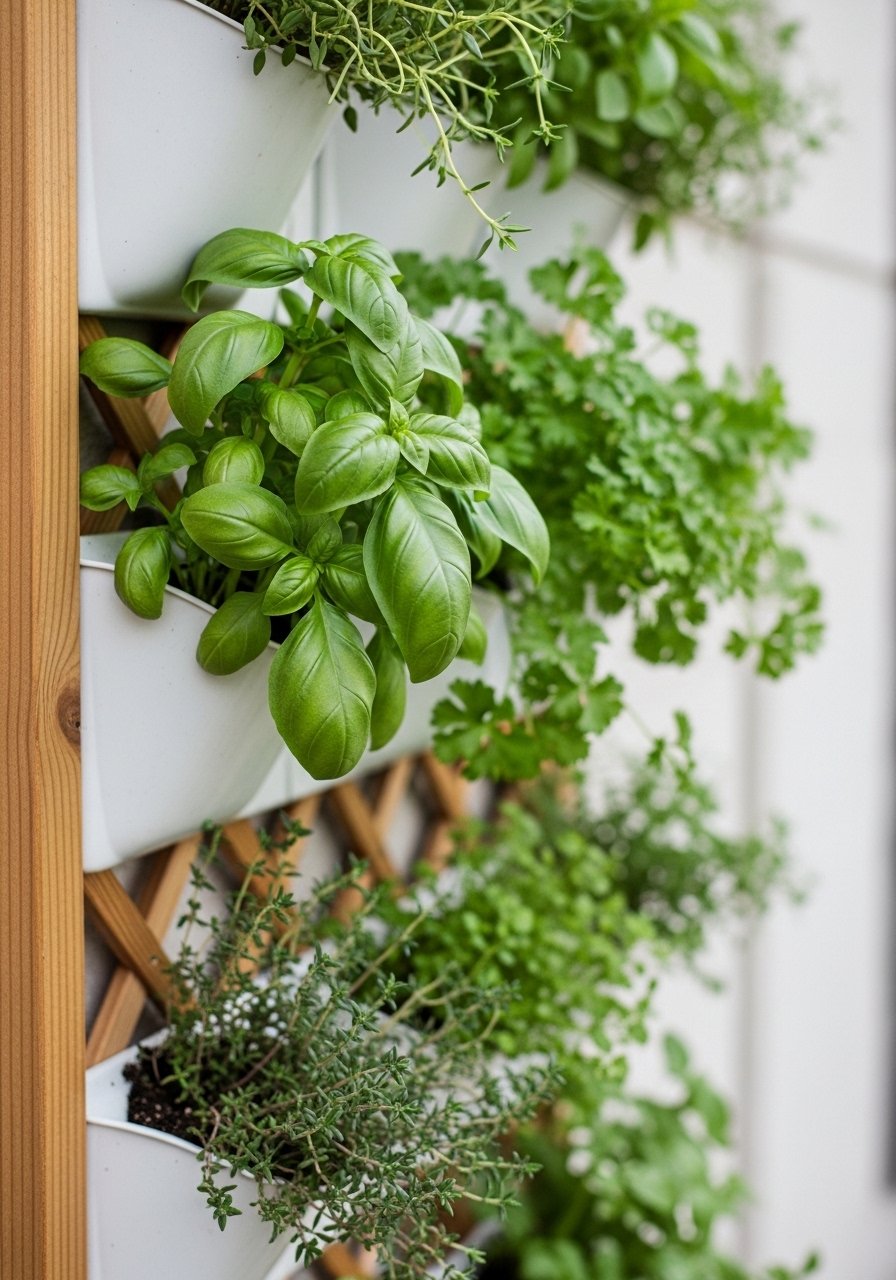
I built a vertical herb wall and loved grabbing basil for dinner. My first shelf system sagged under wet pots, so I upgraded to a sturdy modular planter. Herbs dry quickly in small pockets, so water regularly.
This keeps herbs at hand and adds green texture to a blank wall. Choose compact varieties and watch for pest hot-spots.
Mount securely and use lightweight potting mix to reduce load.
What You’ll Need for This Look
- Vertical wall planter pockets (set)
- Compact herb starter pack (basil, thyme, parsley)
- Lightweight potting mix (2 qt)
13. Pebble Mosaic Stepping for a Crafted Look
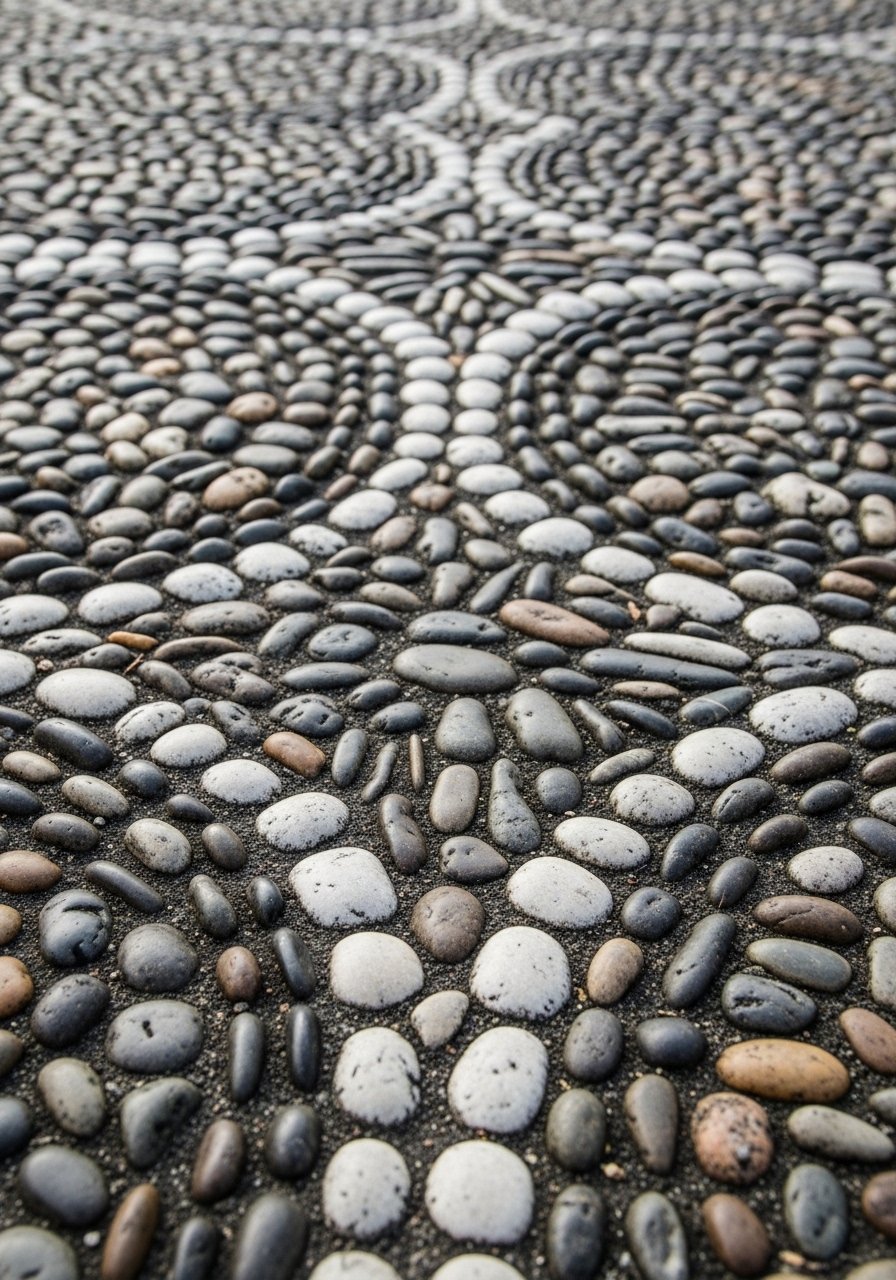
I made a small pebble mosaic by a door and it instantly felt custom. It’s time-consuming but forgiving—my first tesserae were uneven, but grout fixed the look. The tactile surface is nice underfoot and keeps dirt off shoes.
Use flat pebbles and a good base. Seal the mosaic to make cleaning easier.
It’s a small DIY that reads like craftsmanship and suits narrow courtyards well.
What You’ll Need for This Look
14. Terrace Pots with Seasonal Bulbs for Spring Drama
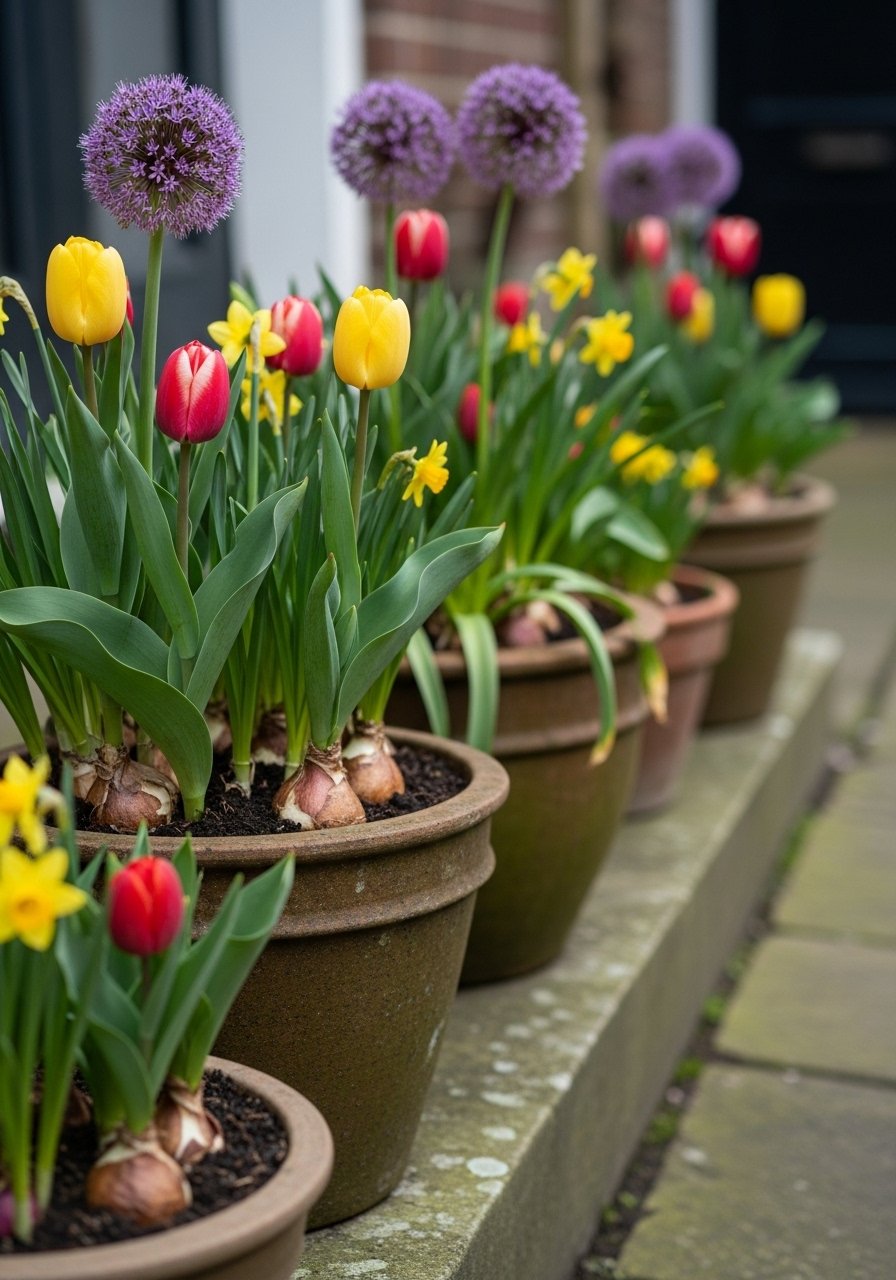
I force-planted bulbs into terrace pots for early color. Tulips and alliums lift empty winter corners quickly. One season I planted tulips too shallow and they popped out—plant bulbs deep enough and cover with mulch.
Use a mix of bulb types for staggered bloom and tuck in evergreen fillers so pots look good after blooms fade.
What You’ll Need for This Look
15. Gravel Courtyard with a Single Specimen Tree
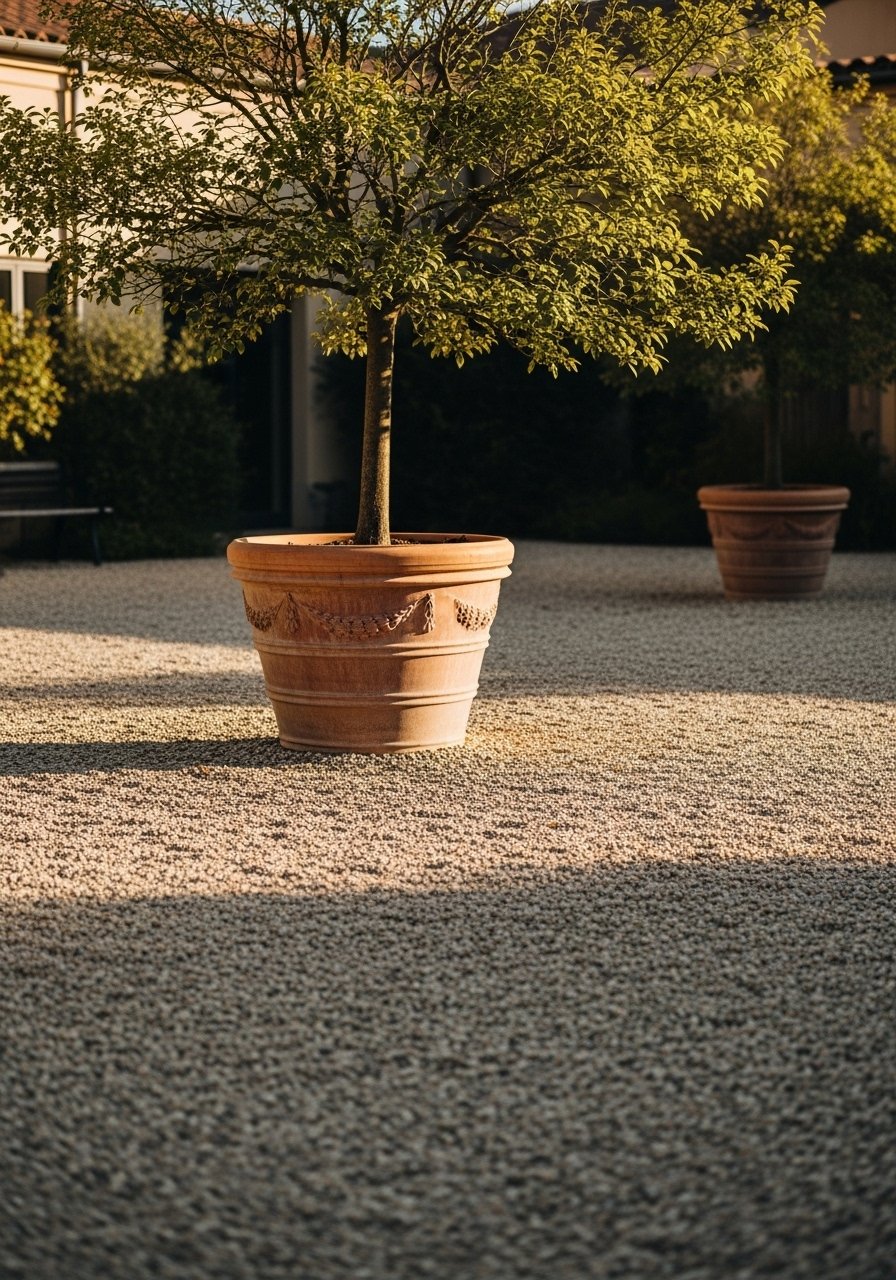
I covered a courtyard in pale gravel and planted one specimen tree in the center. It felt calm and intentional. I originally planted a tree with an aggressive rootball that pushed pavers—choose a container-grown tree that suits your space.
The gravel gives the area a courtyard rhythm and reduces mowing. Add a water basin for birds and occasional leaf clearing.
What You’ll Need for This Look
16. Painted Floor Tiles for a Patterned Ground
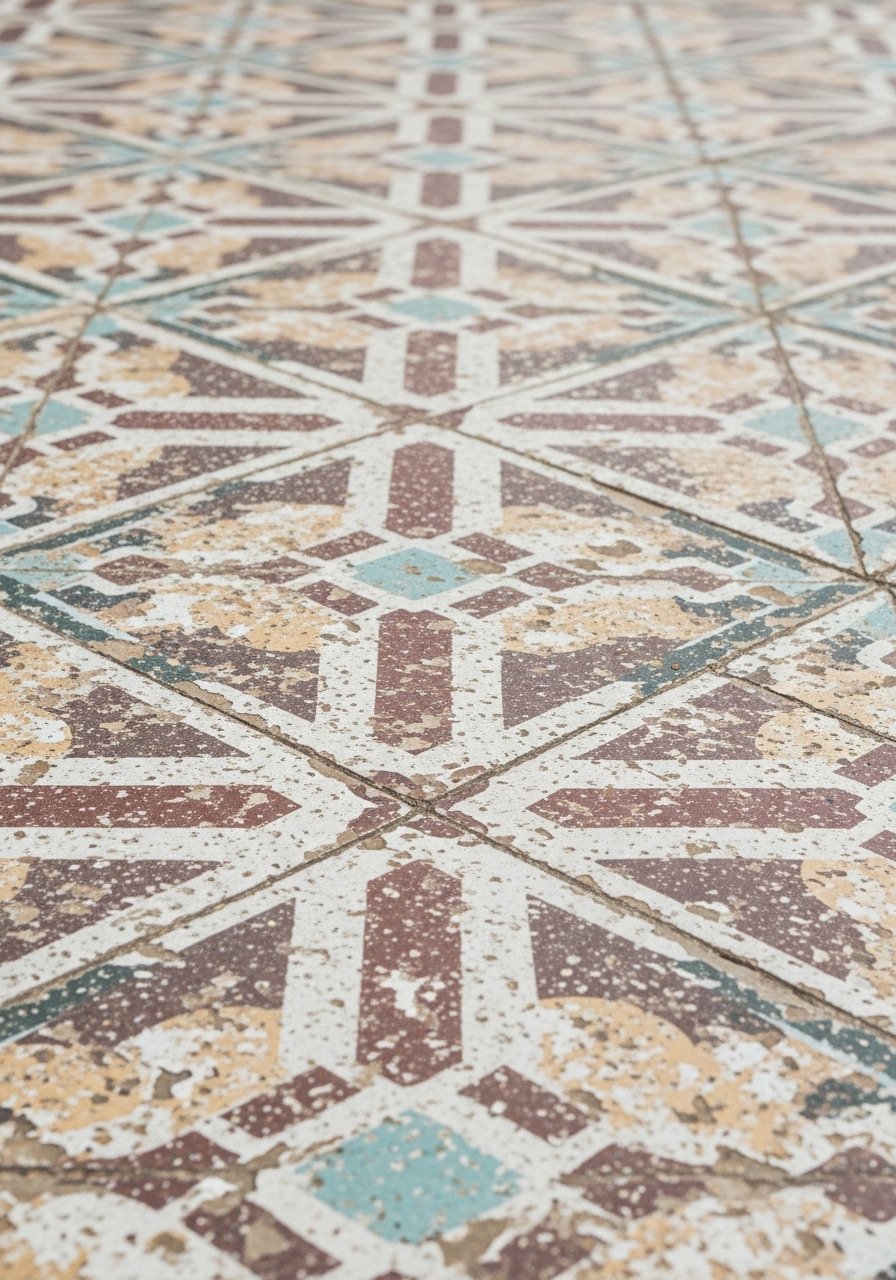
I painted a simple geometric pattern on concrete slabs with exterior paint and sealant. It brightened the floor without ripping it up. My first stencil was too small, so measure carefully for proportion.
This is budget-friendly and revives tired floors. Choose tones that complement your walls and pots.
Seal well to protect against wear and rain.
What You’ll Need for This Look
17. Wrought Iron Bench with Climbing Vines
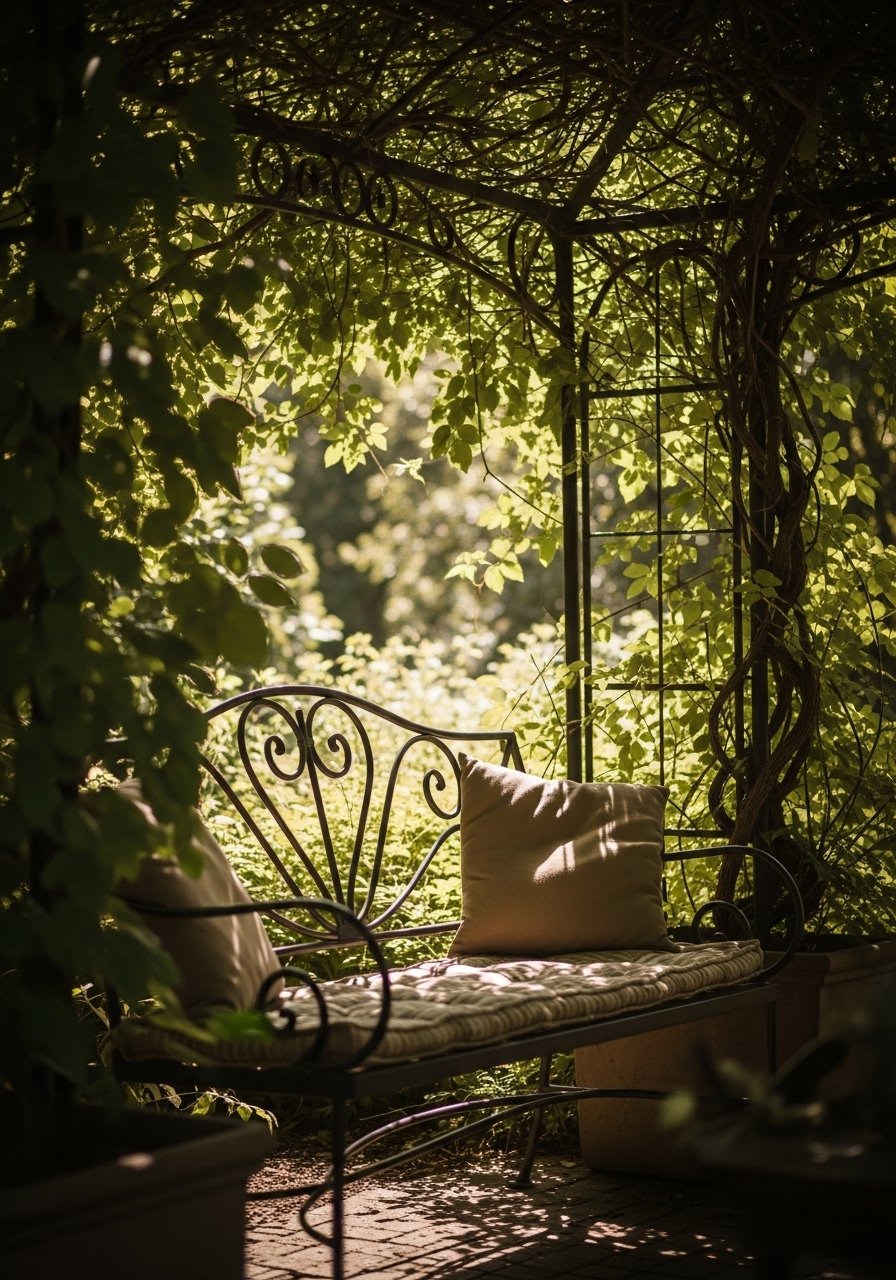
I placed a well-worn wrought iron bench under a small trellis covered in jasmine. The idea became my reading corner. The metal gets hot in direct sun, so add a cushion and a quick morning towel.
Vines make the spot private and fragrant. Train them away from bench metal to prevent staining.
This is a simple seat that feels like an outdoor room.
What You’ll Need for This Look
18. Small Potting Nook with Tools (and the Time I Bought Cheap Shears)
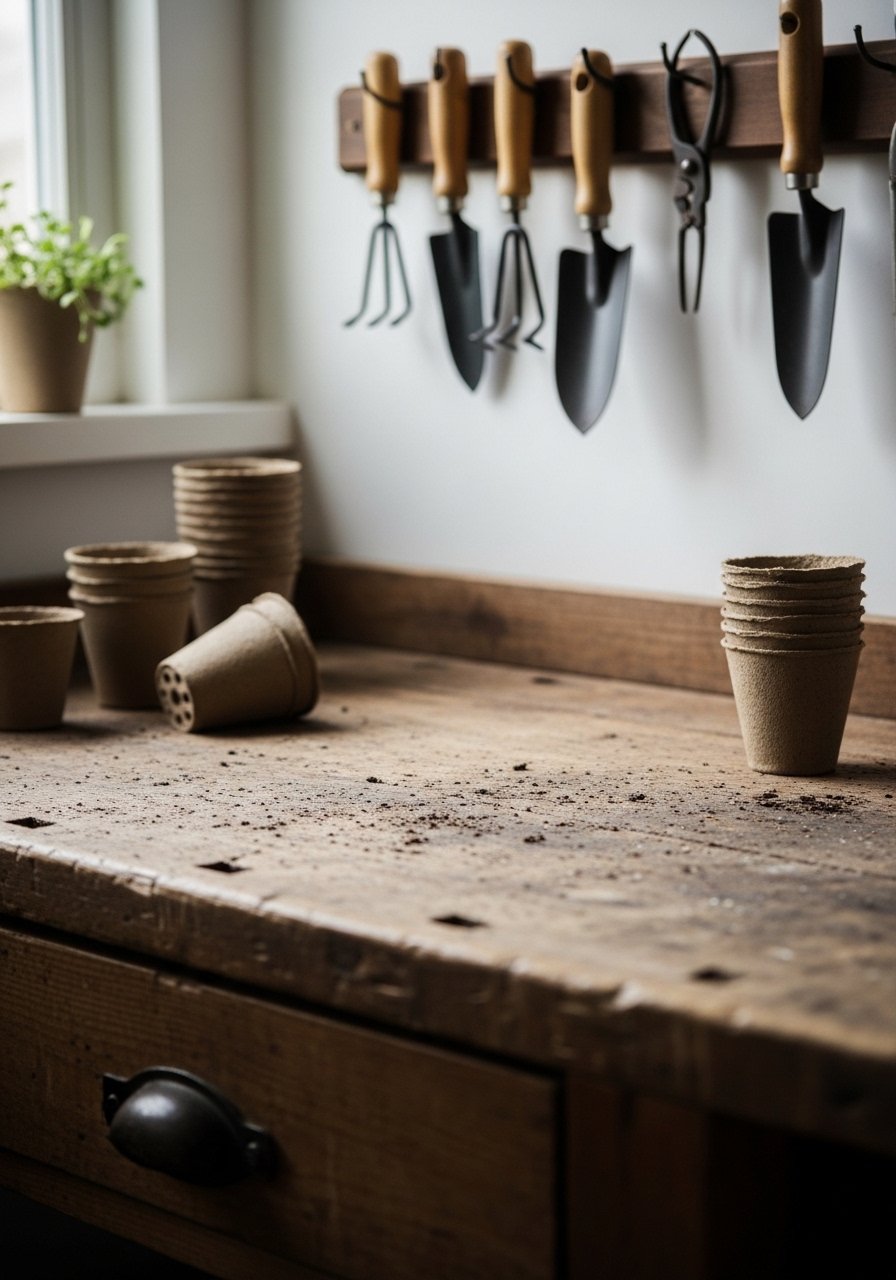
I carved a tiny potting nook into a courtyard corner with a bench, hooks, and a shelf. It keeps mess contained. I once bought cheap shears that snapped—spend on a decent pair.
A small sink or bucket nearby saves trips inside. Store soil in a lidded bin to avoid scavenging cats.
This makes planting and maintenance feel effortless, and the nook looks purposeful.
What You’ll Need for This Look
19. Shaded Corner with Ferns and Hostas
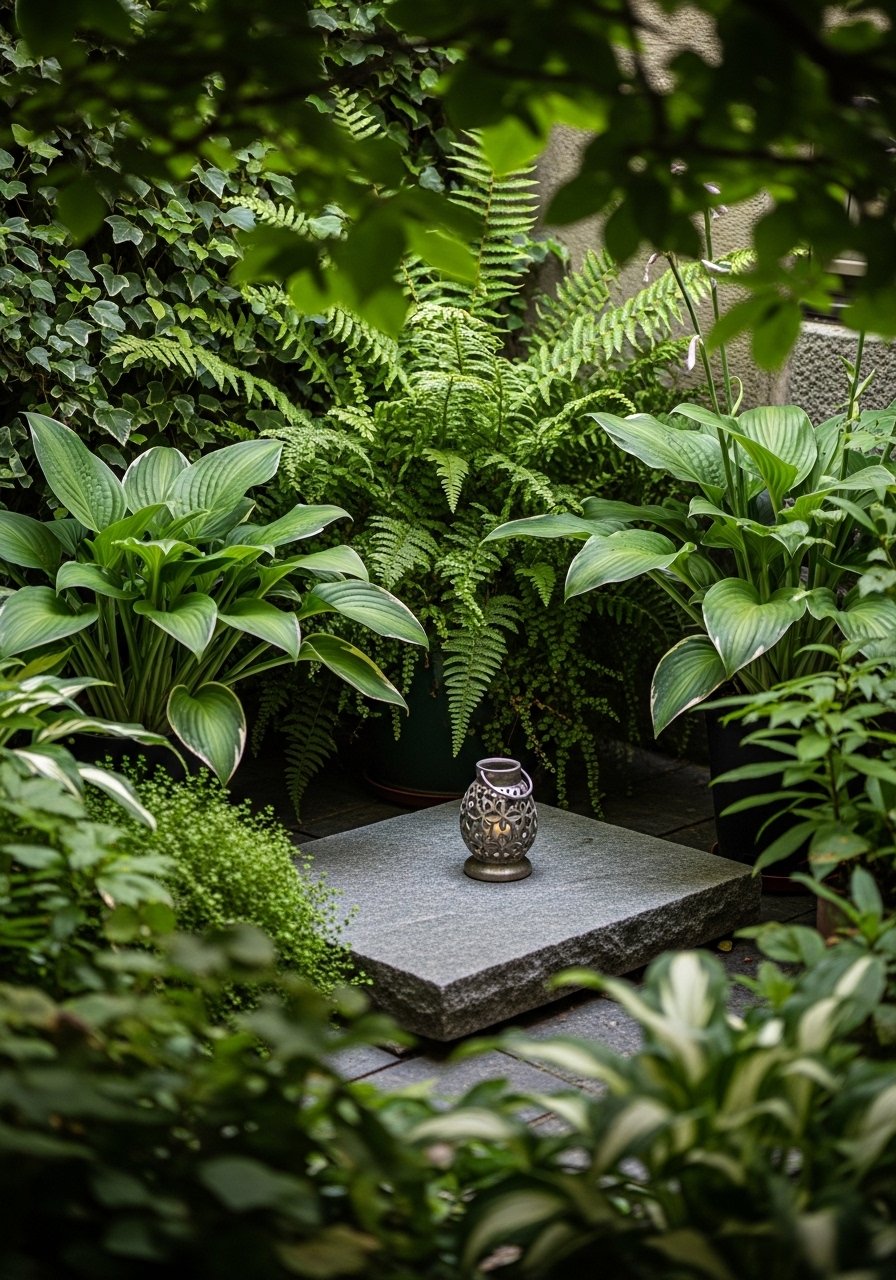
A cool, shaded corner planted with ferns and hostas became my refuge on hot afternoons. These plants feel lush without constant sun. I planted a hosta in too-sunny spot once and learned to read microclimates better.
Keep the soil moist and feed lightly in spring. Group different textures—fern fronds and hosta leaves—so the corner feels dense and intentional.
What You’ll Need for This Look
20. Simple Gravel Rill with Planting Flanking It
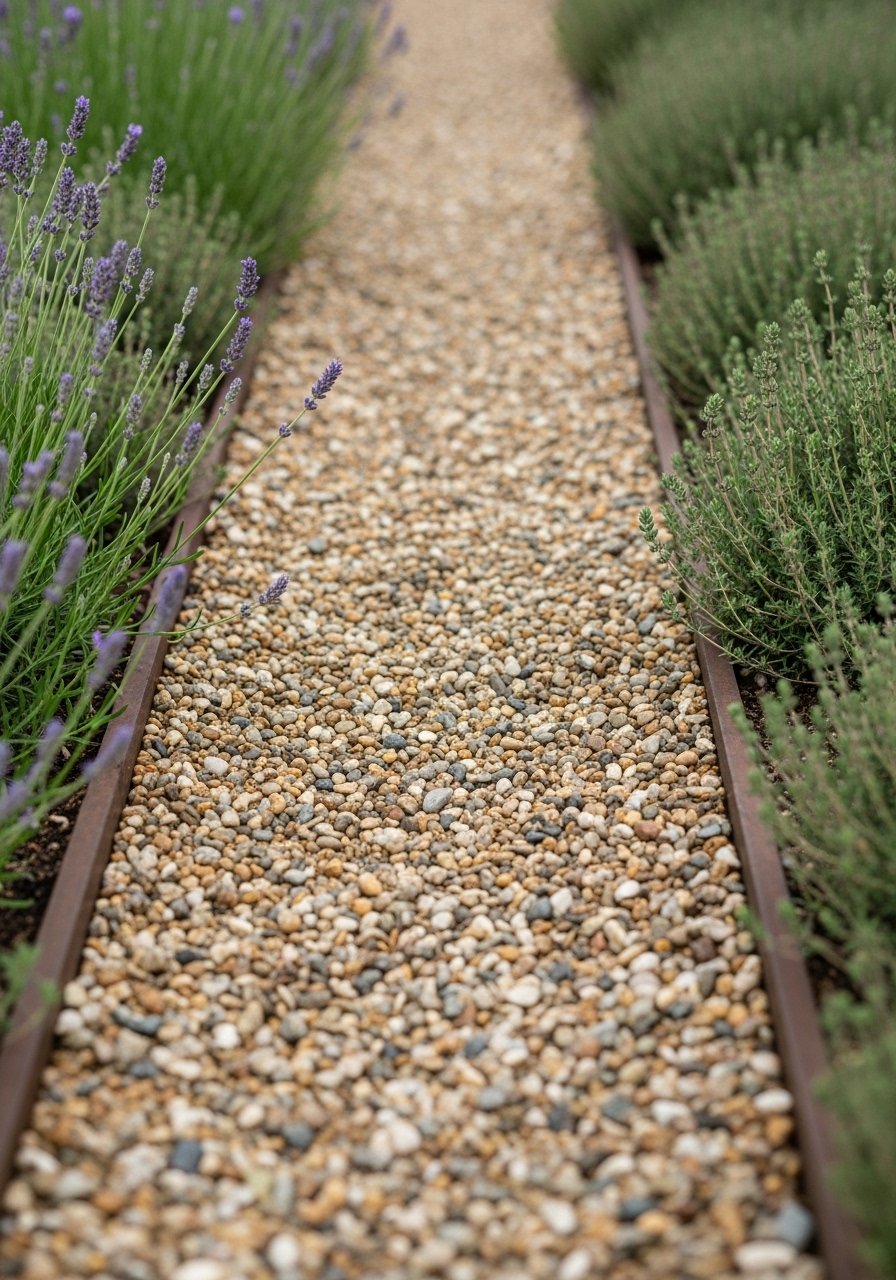
I cut a shallow gravel rill through a planting area to guide the eye and help drainage. It’s a simple line that adds movement. My first attempt was too deep and trapped leaves—keep it shallow.
Plant low herbs alongside to soften the edge. It’s a subtle feature that reads like intention without fuss.
What You’ll Need for This Look
21. Mixed Mediterranean Palette — Silver Leaves and Bright Blooms
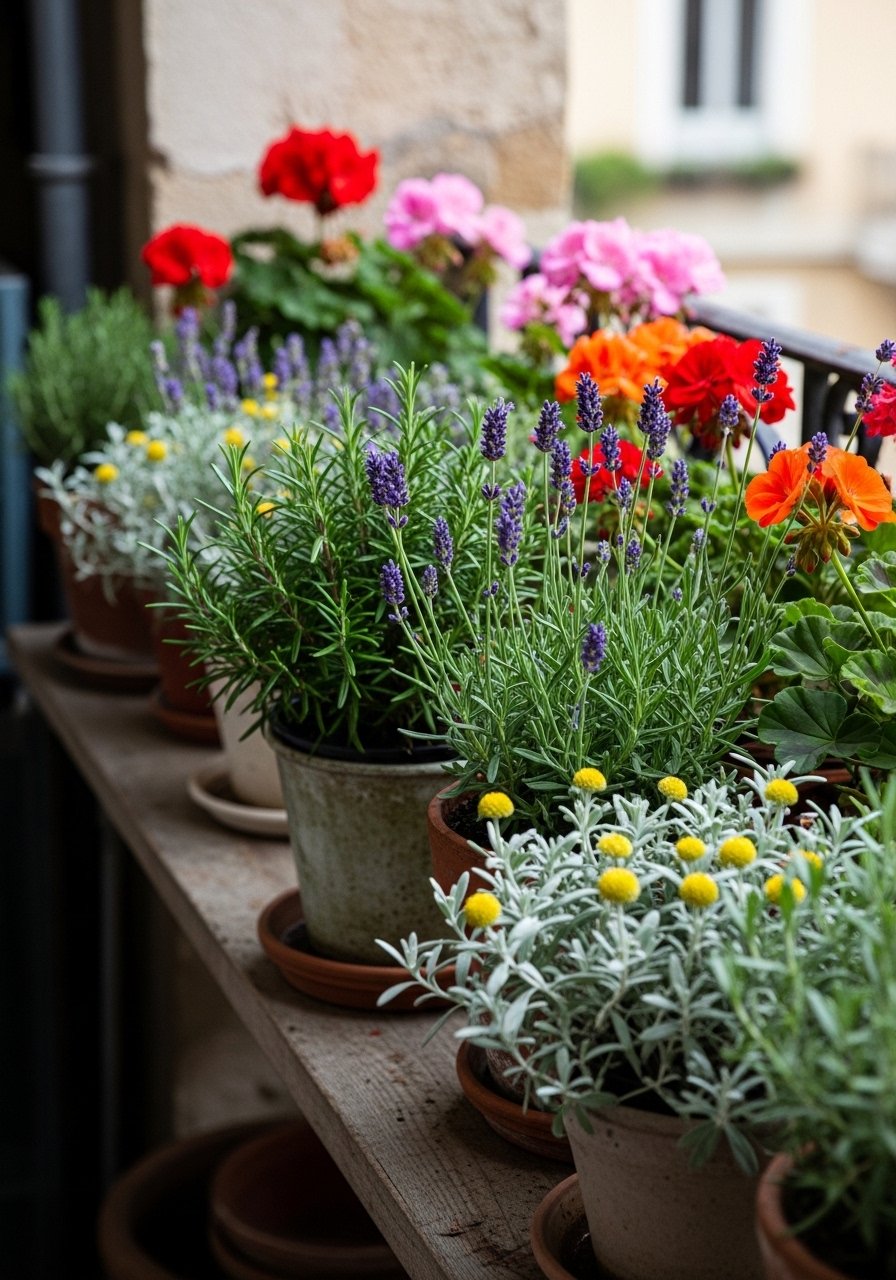
I mixed silver-leafed shrubs with bright geraniums and the combination read Mediterranean instantly. The silver leaves reflect light and make colors pop. I once put too many shrubs and lost seasonal color—balance is key.
Keep plants with similar water needs together. A few bright annuals punch up the months when shrubs are quiet.
This palette feels sunny even in a small, shady courtyard when placed thoughtfully.
What You’ll Need for This Look
22. Low-Maintenance Native Plant Bed
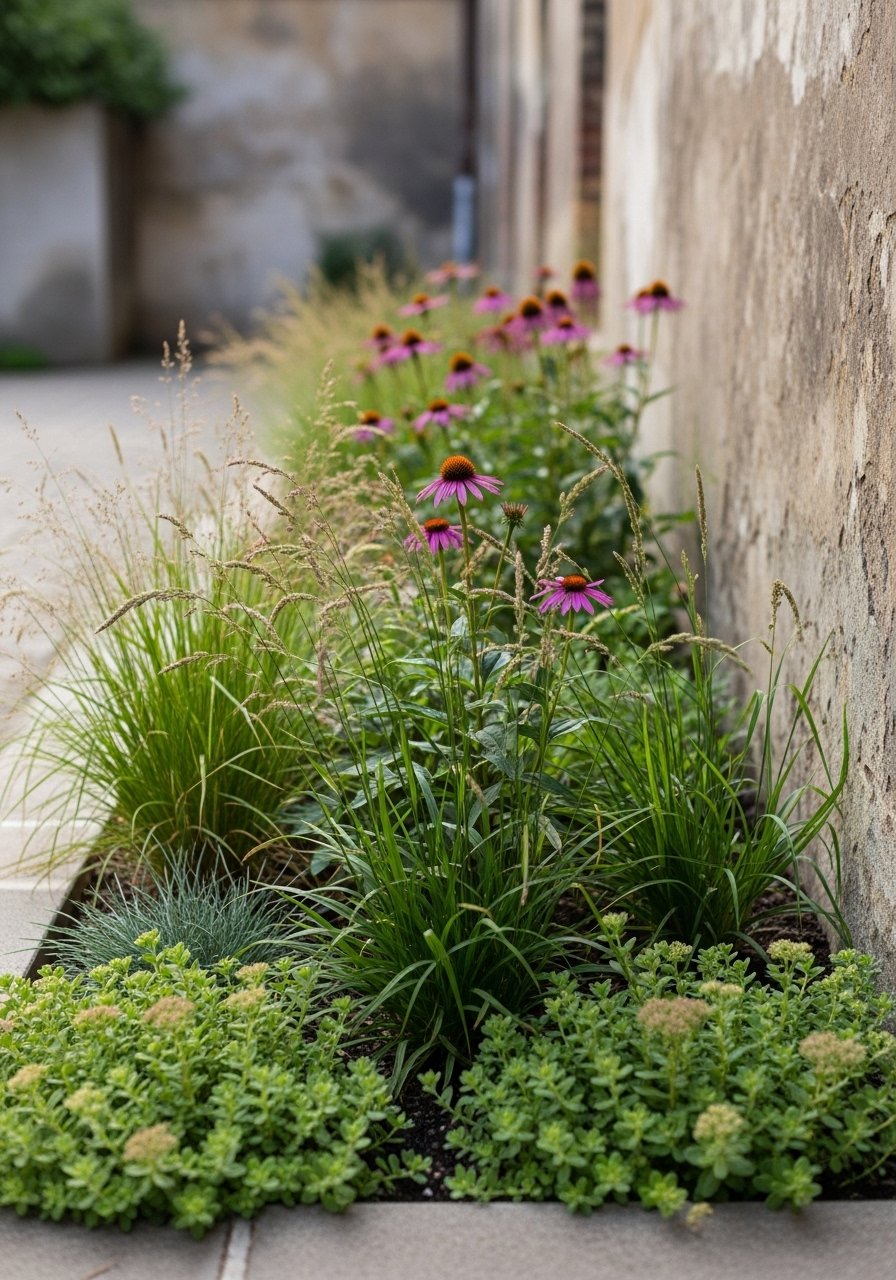
I replaced thirsty exotics with native perennials and cut my watering in half. The bed looks casual and supports local pollinators. Early on I planted too densely and had competition—thin the first year to avoid stunting.
Choose drought-tolerant natives for courtyard conditions. Leave some seed heads for winter interest.
This approach saves time and makes the courtyard feel settled quickly.
What You’ll Need for This Look
23. Folding Screens for Temporary Privacy
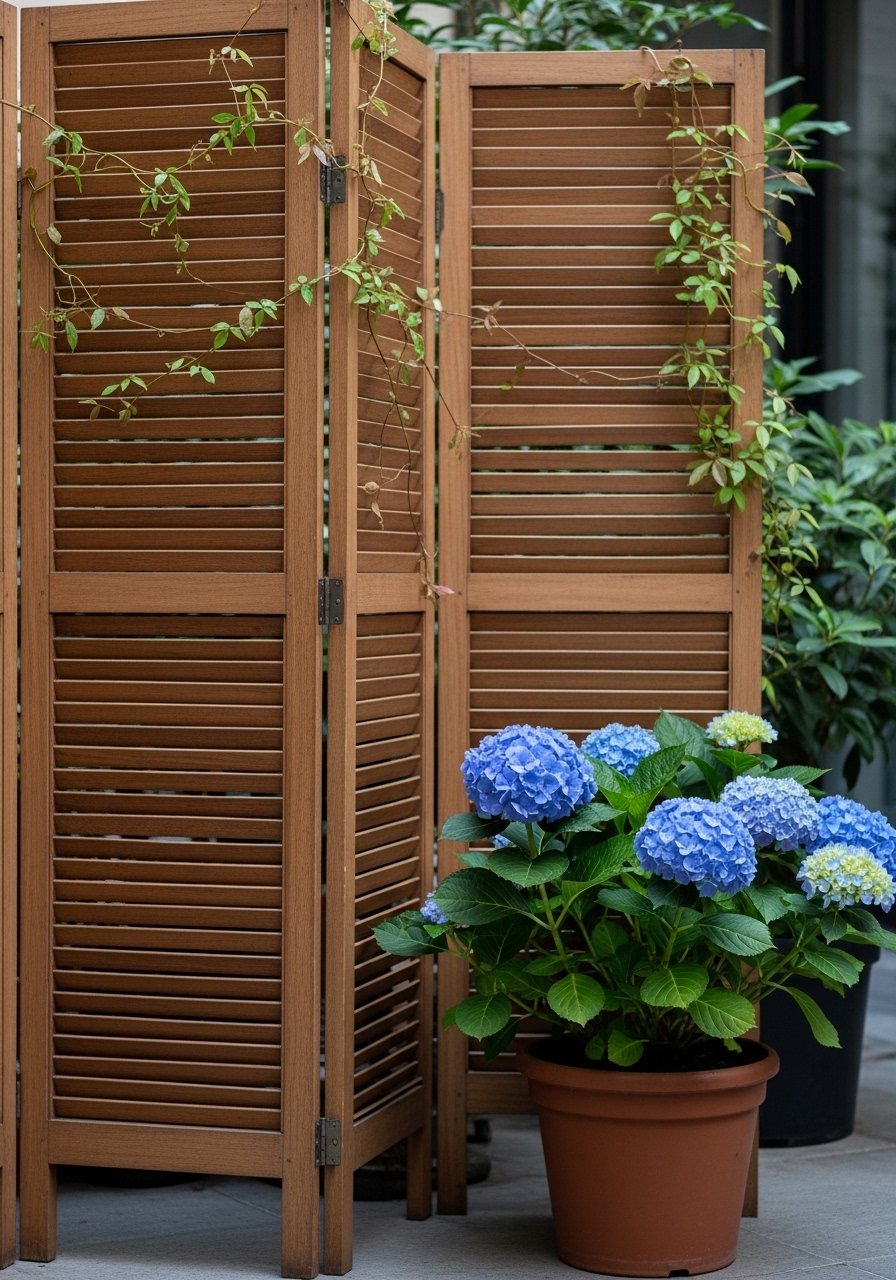
I bought folding screens to block a neighbor’s window and they worked better than permanent walls. They give privacy and can be shifted with seasons. My first screen was flimsy—choose solid slatted panels and anchor them.
Screens allow for instant shade or wind break and you can drape plants over them for softness.
They’re flexible solutions that don’t commit you to permanent changes.
What You’ll Need for This Look
- Wooden folding screen (outdoor-rated)
- Climbing vine (hanging planter)
- Galvanized planter for hydrangea
24. Seasonal Container Rotation for Constant Interest
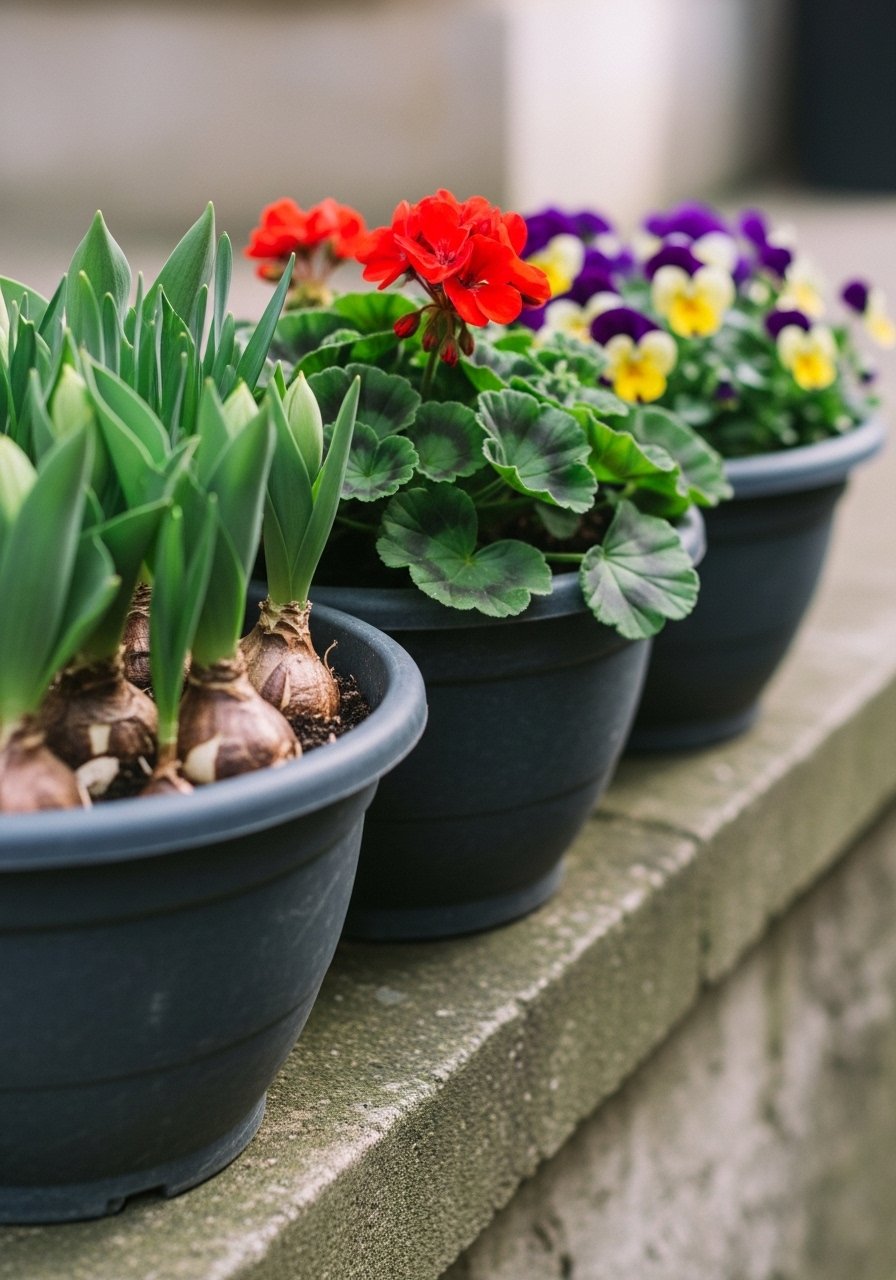
I rotate containers through the seasons—bulbs in spring, annuals in summer, pansies in fall. It keeps color year-round and containers feel fresh. I once planted heavy summer shrubs in small pots and they struggled—match plant size to pot.
Store summer pots in winter or refresh soil to prevent nutrient depletion. A rotation plan makes the courtyard feel cared-for without constant overhaul.
What You’ll Need for This Look
25. Simple Dining Terrace with a Portable Grill
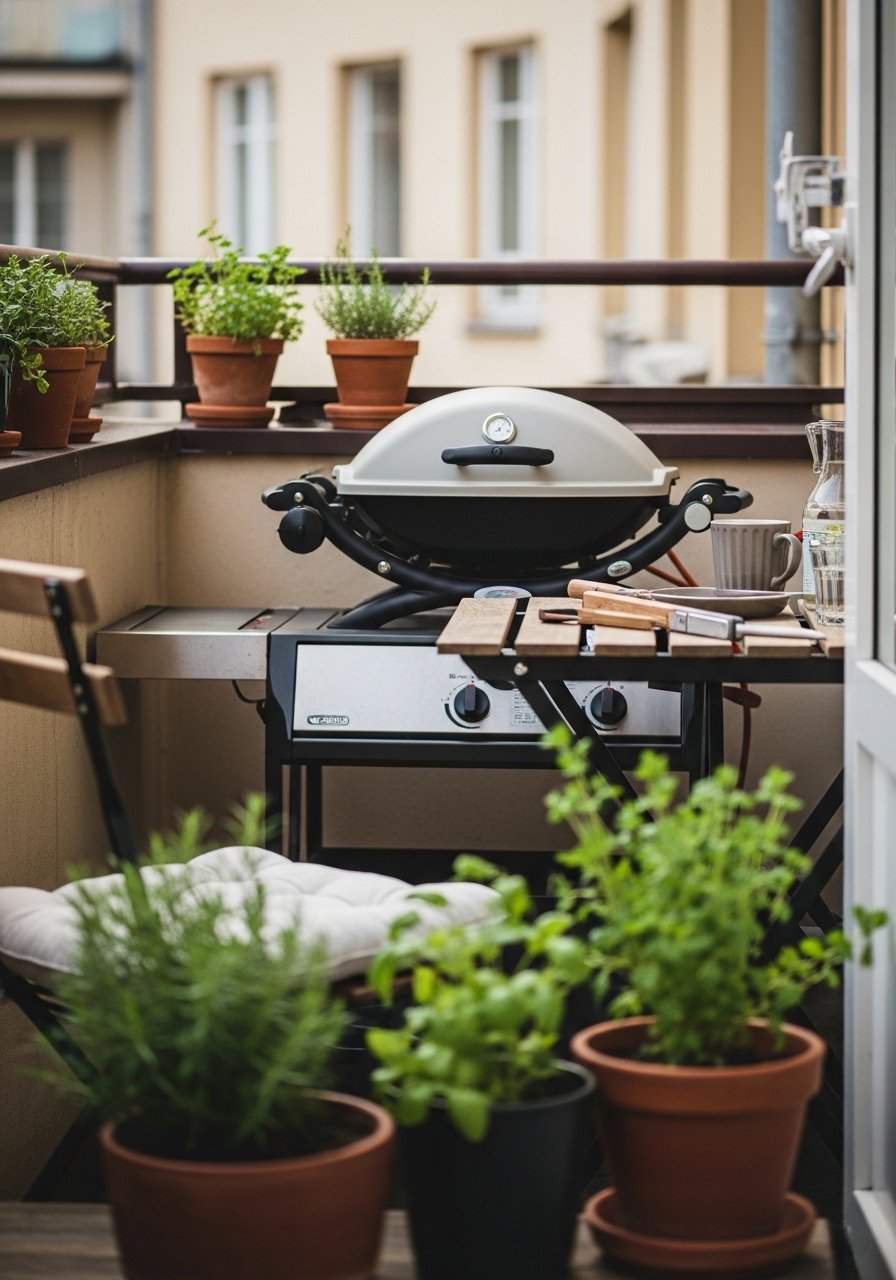
I added a compact dining spot with a portable grill and potted herbs beside it. It turned the courtyard into a dinner spot without redoing the layout. I once bought a large grill for a small space—measure before you buy.
Keep herbs in reach for seasoning and use heat-safe surfaces. The grill is small but the dinners are long and relaxed.
What You’ll Need for This Look
Final Thoughts
I’ve tried too many fussy ideas to count. The ones that stuck are the ones I could maintain and that fit my day-to-day life.
Pick one or two ideas here. Try them, live with them, and adjust.
You don’t need all of it to have a courtyard that feels like yours.