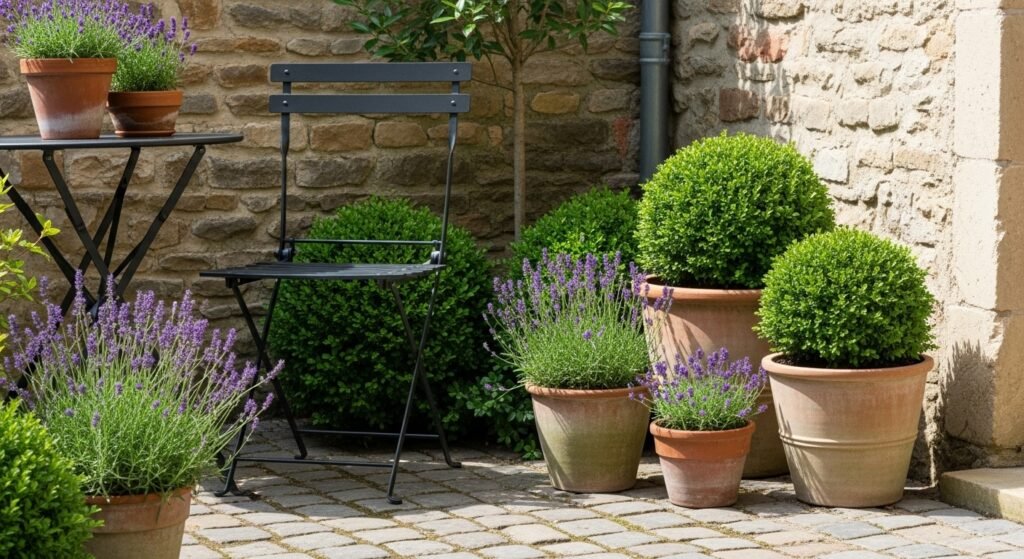
I once thought a tiny courtyard meant tiny ideas. It didn’t.
I tore out the wrong shrubs, learned to use pots like pallets, and stopped running after big plants that never fit.
These are things I’ve actually done. Practical, small-scale, and honest — the kinds of layouts that feel right after a year of living with them.
28 Gorgeous Small French Courtyard Gardens That Maximize Every Inch
These 28 ideas are hands-on and compact. Each one is something I planted or fixed in a real courtyard. Use what fits your space — all ideas are doable in small yards.
1. Layered Container Planting That Makes a Patio Feel Full
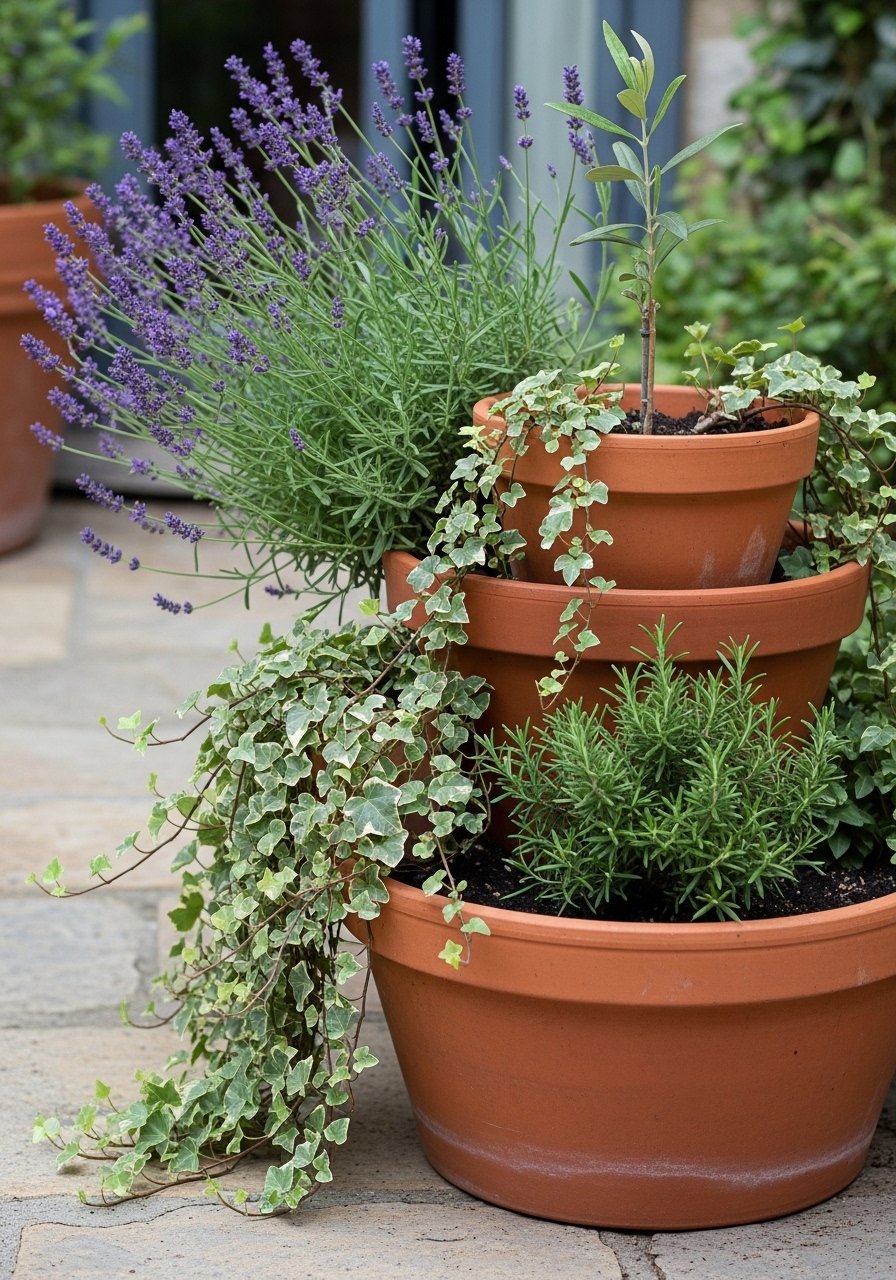
I started with three mismatched pots and ended with a mini landscape. I layered tall (olive), mid (rosmarinus), and trailing plants (ivy) so the space reads as intentional, not crowded.
At first I overplanted the largest pot and waterlogged the olive. I replaced soil with gritty mix and it recovered. The depth and mix make the area feel planted without needing beds.
Pay attention to drainage and pot scale. Change one pot at a time until it feels balanced.
What You’ll Need for This Look
2. Narrow Gravel Courtyard with Potted Accents
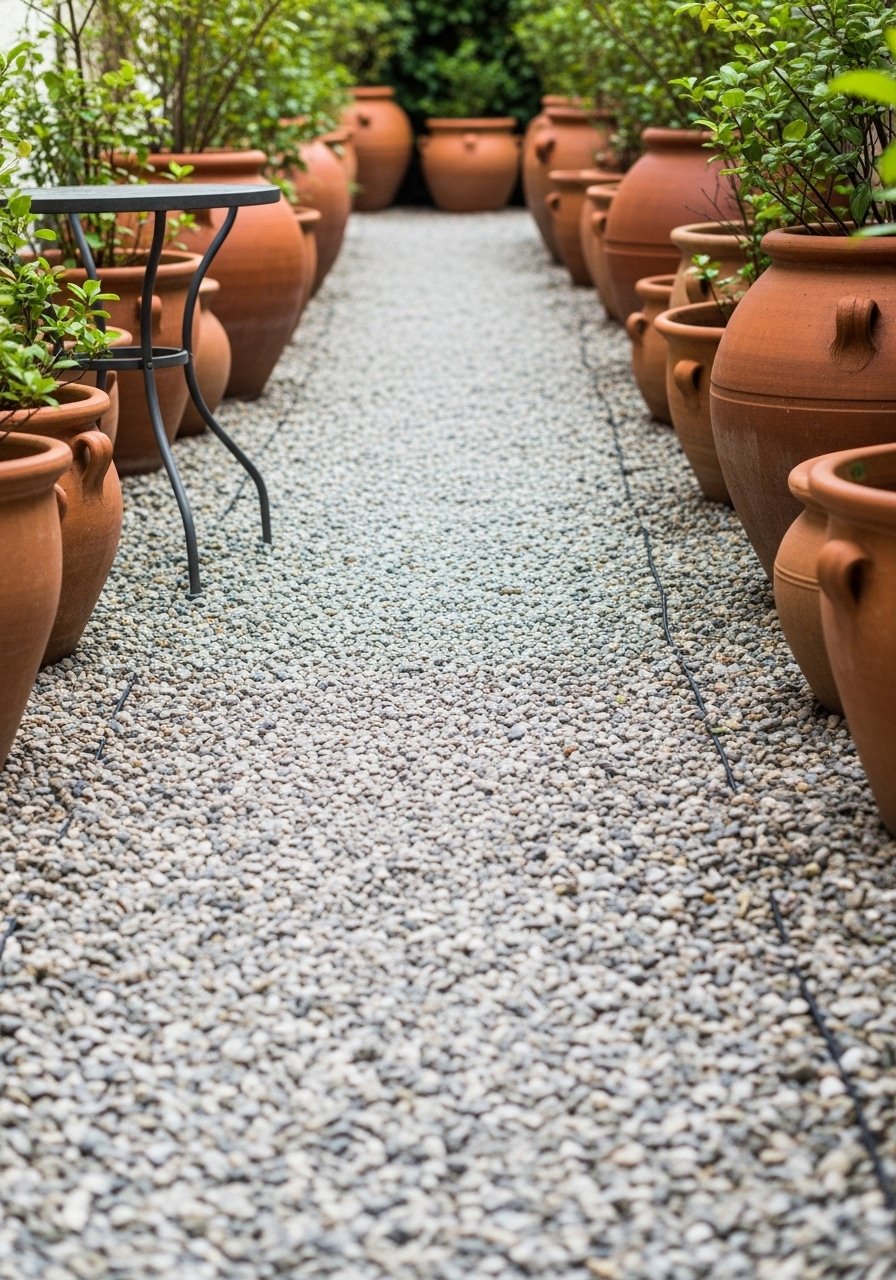
I swapped a failing lawn for gravel and instantly gained usability. Gravel defines paths and keeps maintenance low, while pots add softness and seasonal color.
I learned that cheap weed membrane shifts; I replaced it with thicker weed fabric and edged the gravel with steel to stop spillover. The space now feels sturdy and peaceful.
Keep pot sizes varied and cluster them near seating. Gravel keeps your courtyard tidy and forgiving.
What You’ll Need for This Look
3. Espaliered Fruit Trees Against a Stone Wall
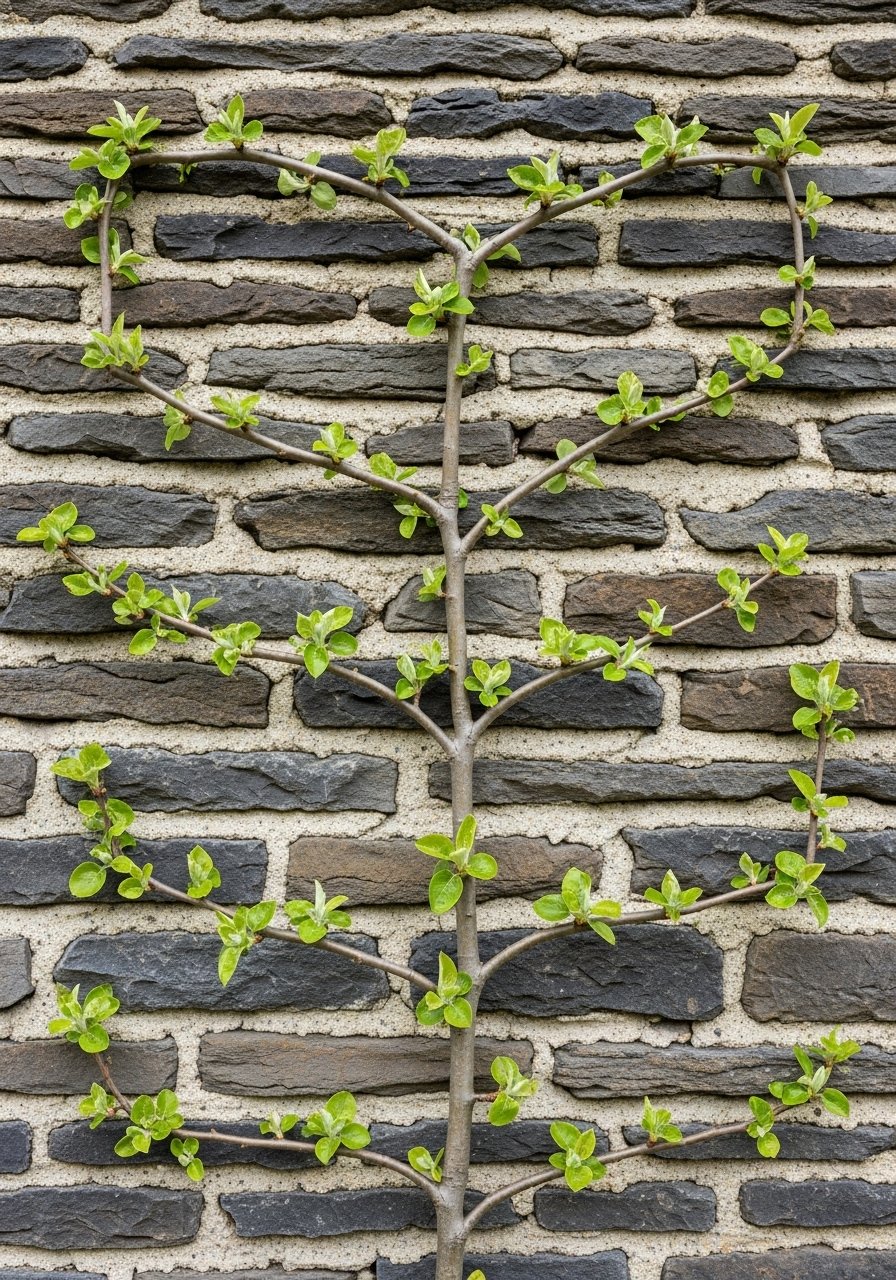
I trained two apple trees on my courtyard wall; they give structure and fruit without taking floor space. Espalier reads like living artwork and keeps trees compact.
My first attempt had too-strong ties that cut into bark. I learned to loosen ties as stems grew and prune annually. Now the wall has rhythm and seasonal interest.
Choose small-fruiting varieties and keep pruning regular. Espaliers reward patience.
What You’ll Need for This Look
4. Lavender-Lined Walk with Low Boxwood Anchors
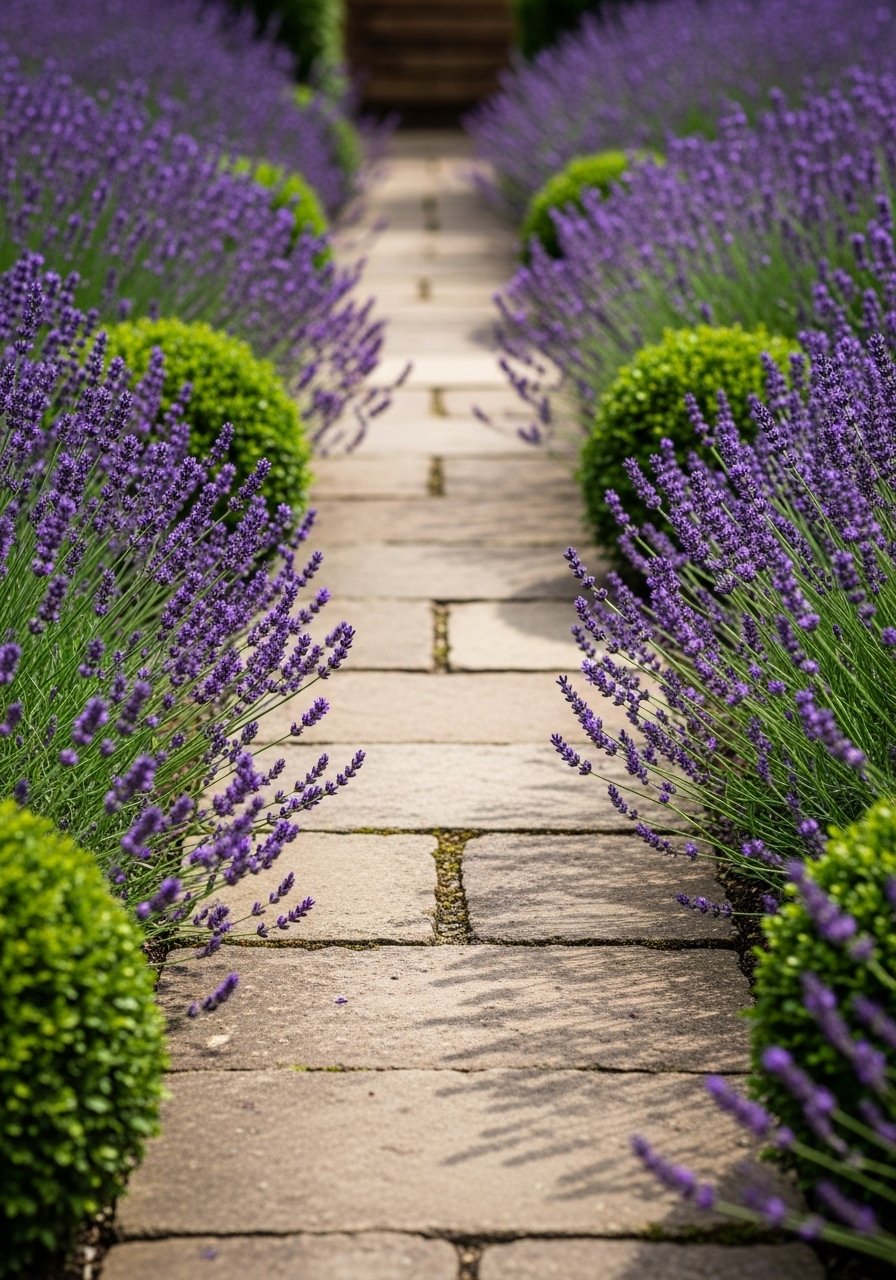
Planting lavender down the center strip and small boxwood at intervals made my courtyard smell like summer and feel tidy. The lavender provides color; boxwood adds geometry.
I planted lavenders too deeply the first season and saw crown rot. Raising the planting slightly and adding grit fixed it. Now they bloom reliably and hide drip hoses.
This combination is low-maintenance once established. Trim lavender after bloom and lightly clip boxwood for shape.
What You’ll Need for This Look
5. Mini Bistro Nook with Foldable French Seating
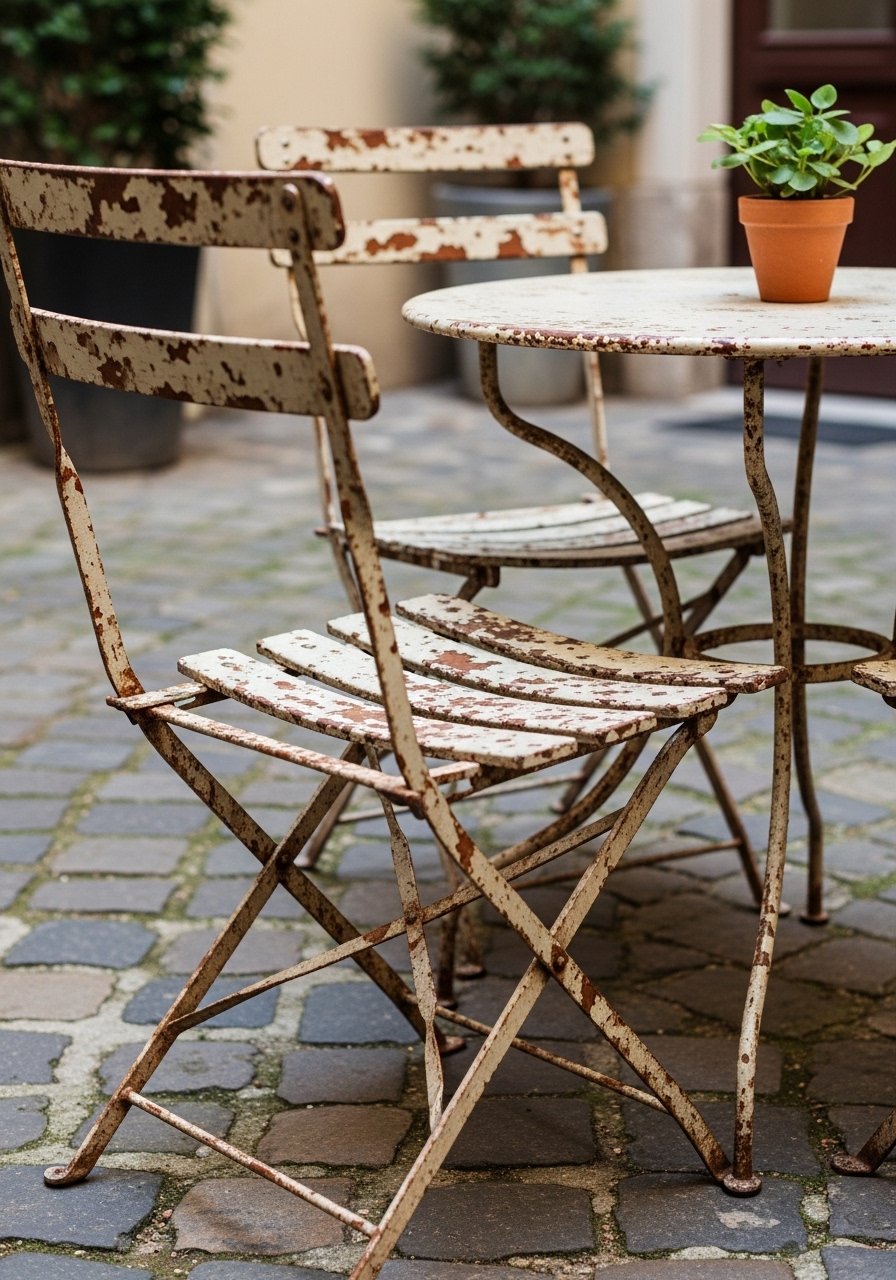
A tiny round table and two folding chairs gave me a usable eating spot without crowding. I keep the chairs by the wall and open them only when needed.
I once bought heavy stone chairs that never moved — lesson learned. Lightweight, durable metal pieces are easier to store and repaint when they chip.
Choose foldable pieces that fit your doorway and tuck under plants when not in use.
What You’ll Need for This Look
- Folding wrought-iron bistro chair
- Small round patio table (24 inch)
- Outdoor seating cushions (water-resistant)
6. Mirrored Wall to Double the Visual Space
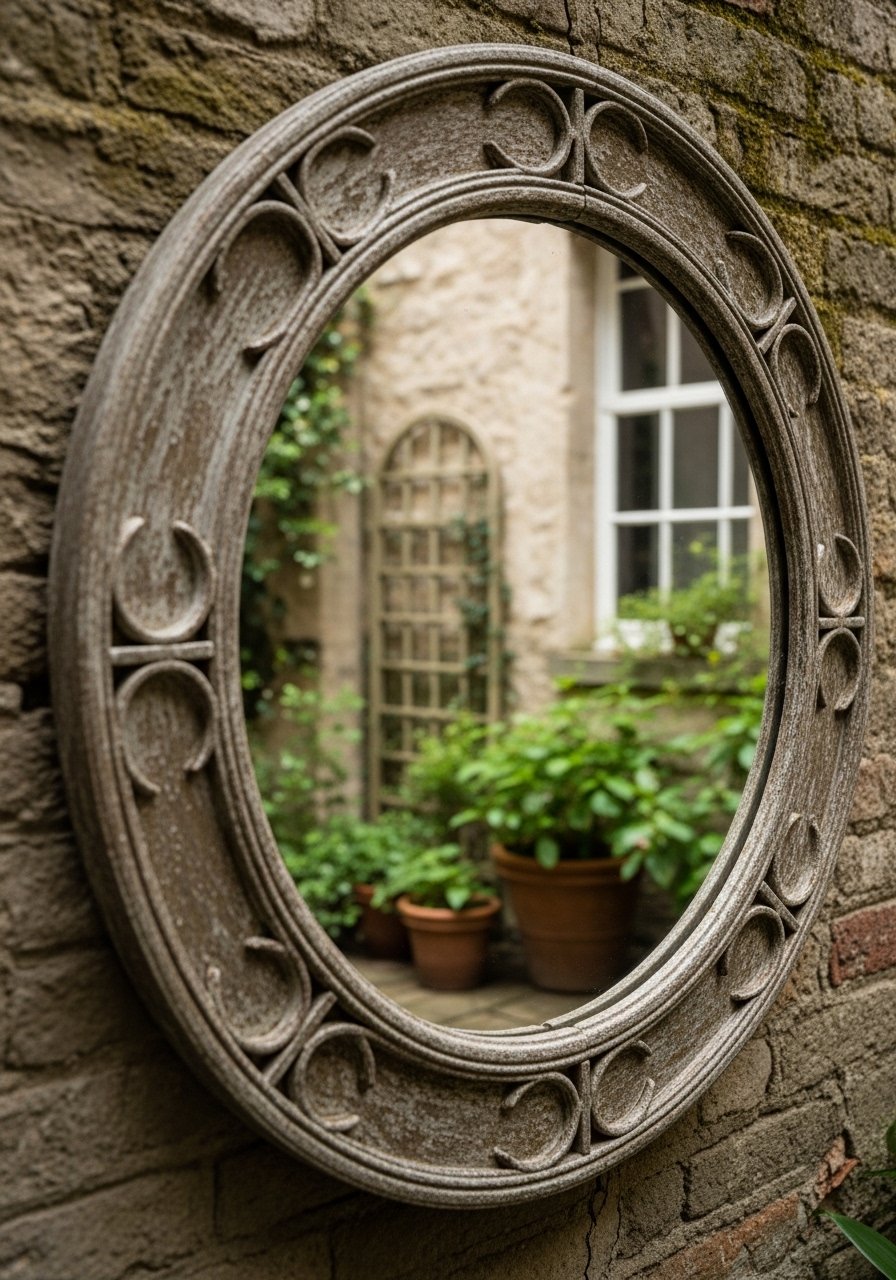
I hung an outdoor mirror and suddenly the courtyard felt deeper. It reflects light, plants, and creates a focal point without adding physical items.
My first mirror fogged and degraded. I switched to a weatherproof steel-framed mirror and mounted it slightly angled to avoid glare. It’s held up for seasons.
Position mirrors to bounce light into shaded corners and anchor them with plant clusters below.
What You’ll Need for This Look
7. Vertical Herb Garden on Reclaimed Pallets
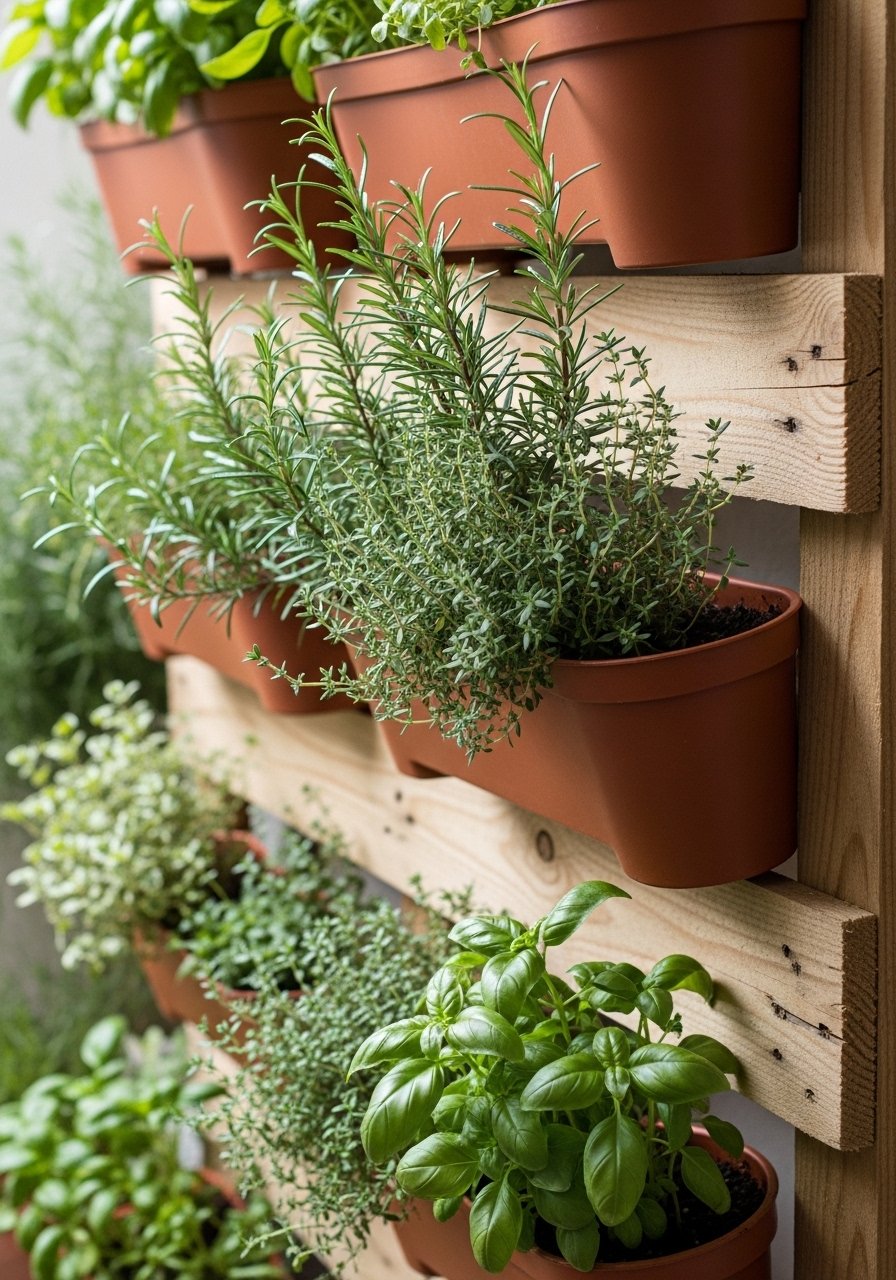
I mounted a pallet and hung small pots for herbs. It freed ground space and gave me fresh snips at arm’s reach. It’s great for coriander, basil, and chives.
I initially used too-heavy pots that pulled the pallet down. Swapping to lightweight plastic pots fixed the problem. Also, I water from the top to let excess run out.
Keep herbs pruned and rotate pots for even light.
What You’ll Need for This Look
- Reclaimed pallet planter wall
- Small hanging plastic pots (4 inch)
- Herb potting mix for small containers
8. Compact Water Rill for Gentle Sound
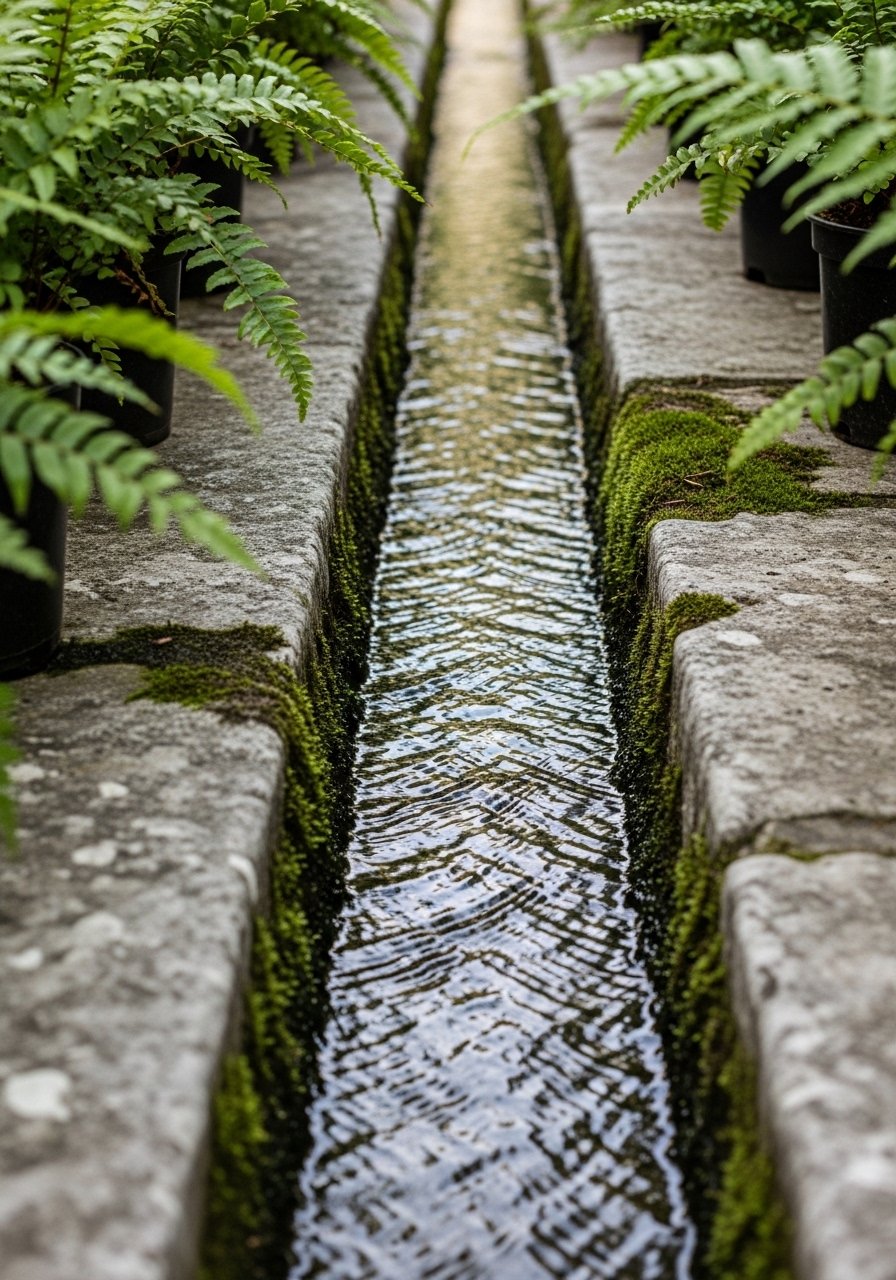
I dug a slim channel and lined it with stone, adding a small pump. The running water calms the space without taking much width.
The first pump I bought was too loud. I replaced it with a quieter, variable-flow pump and adjusted the flow. Now the noise is soft, never intrusive.
A shallow rill needs winter care; I remove the pump in freezing weather.
What You’ll Need for This Look
9. Mossy Groundcover Instead of a Mini Lawn
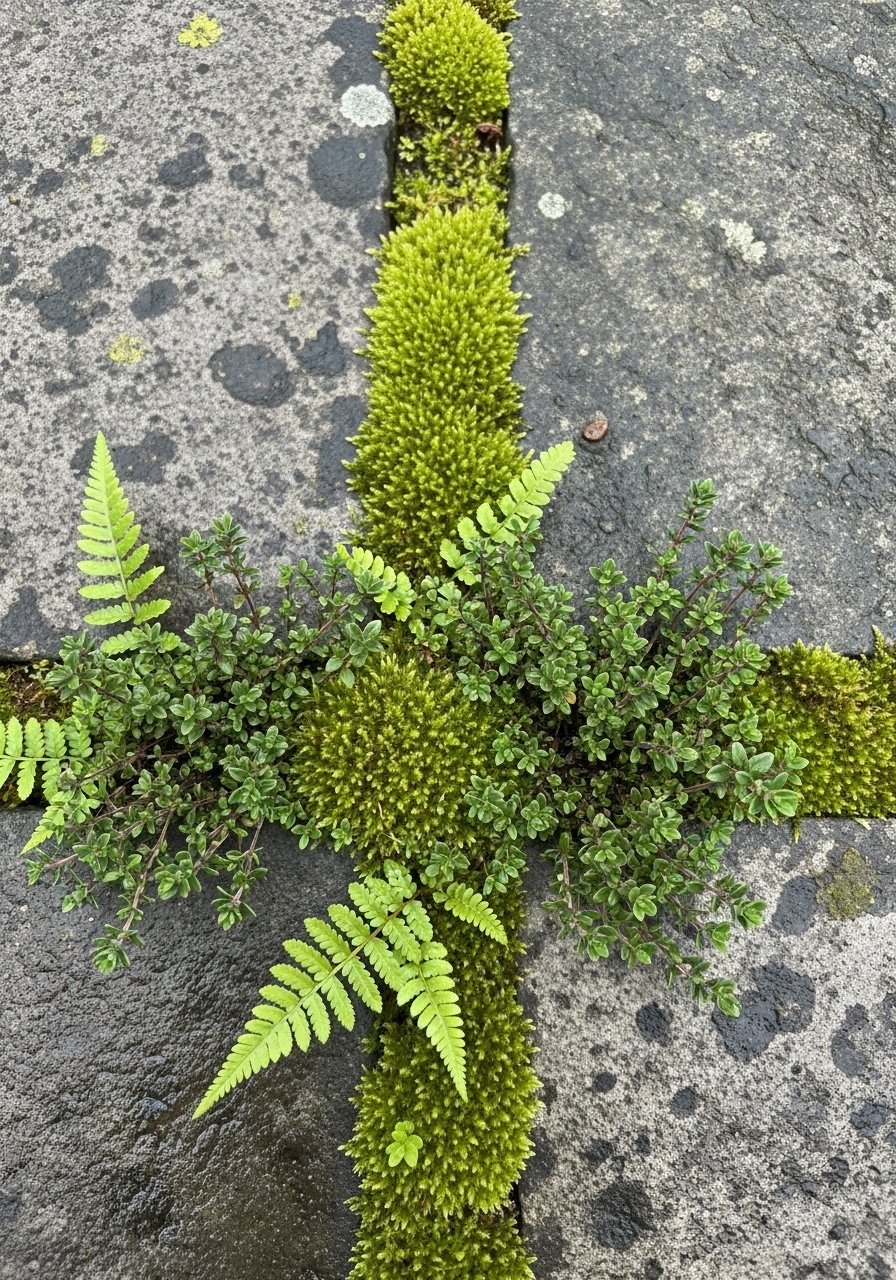
My tiny patch would not support grass, so I encouraged moss and low thyme between stones. It’s soft underfoot and needs almost no mowing.
I initially tried seed mixes; they failed. Moss required creating shade and keeping soil slightly acidic. Once it took, the courtyard felt quiet and cool.
Moss suits shady, damp courtyards. Use paving with tight joints to hold it in place.
What You’ll Need for This Look
10. Mini Glasshouse for Seedlings and Tender Olives
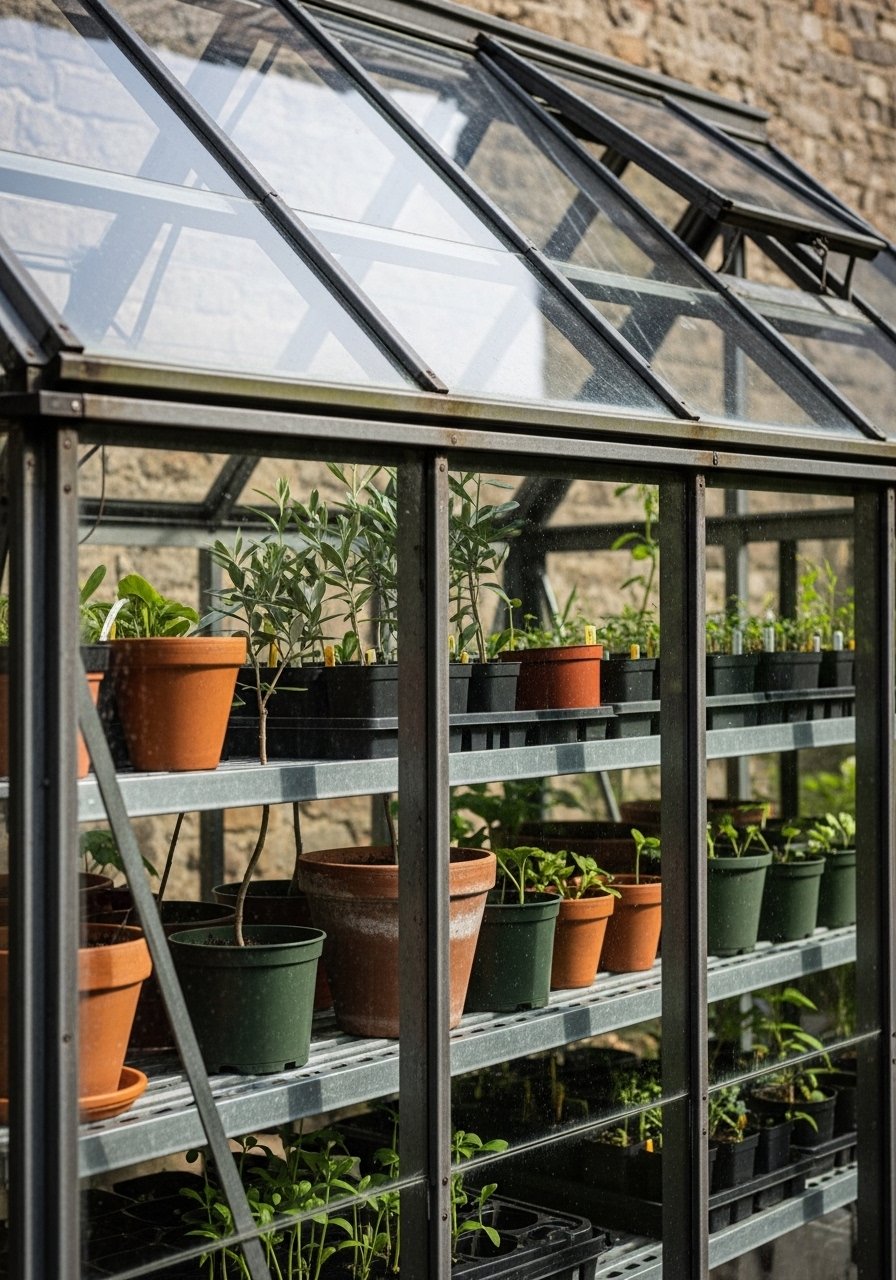
I added a small glasshouse and finally had a place to nurse seedlings and overwinter a young olive. It brightened a shady corner and extended the growing season.
I once cramped too many trays inside and promoted mildew. I now use shelving with spacing and a small heater for cold snaps. The glasshouse has become indispensable for starts.
Pick a compact model that fits a corner and ventilates well.
What You’ll Need for This Look
11. Wisteria-Framed Entrance for Seasonal Drama
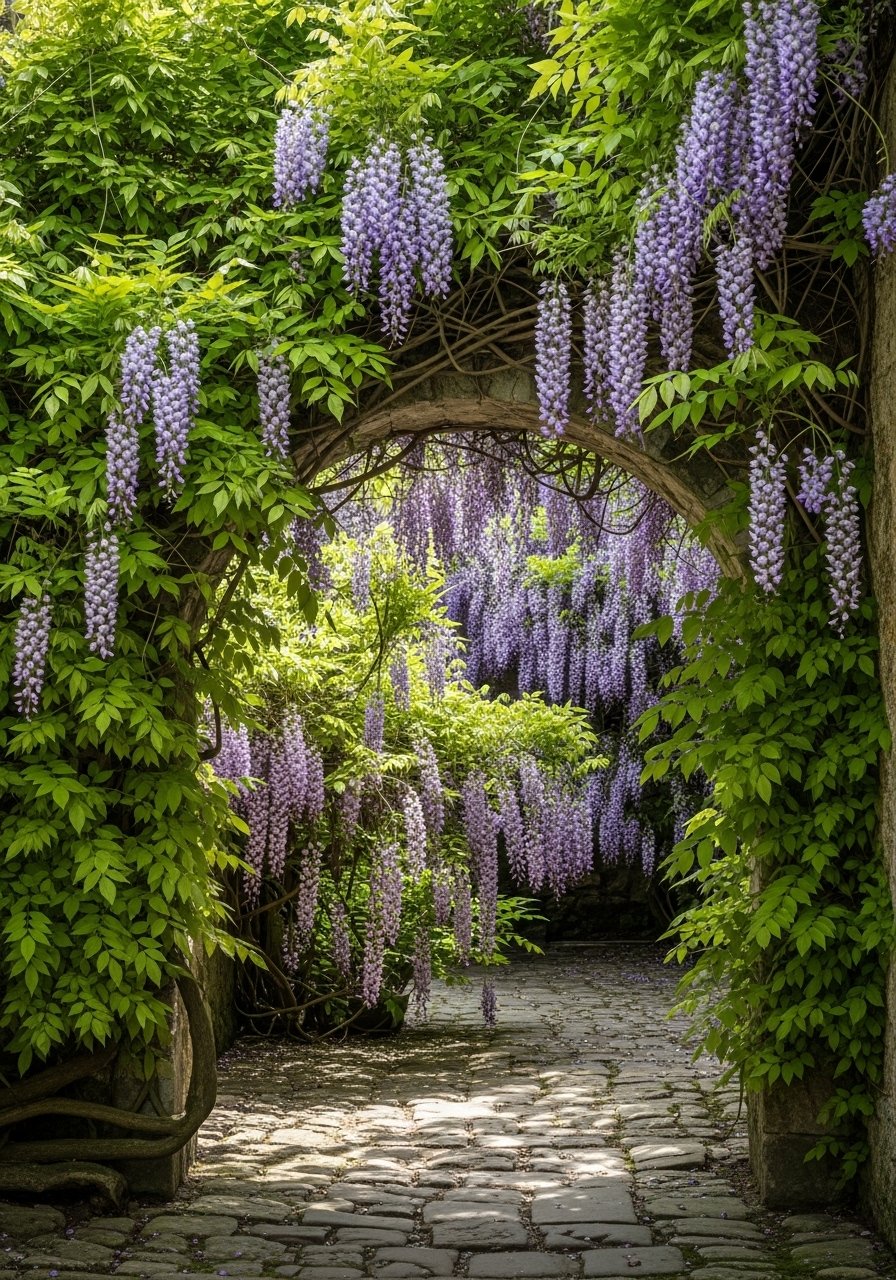
I trained wisteria on a metal arch at the courtyard entrance. In spring it drips with blooms and scent, creating a doorway moment in a tiny space.
I once planted it too close to the wall and had roots threatening mortar. I moved it to a freestanding arch with a root barrier. It needed stronger support than I thought.
Use a sturdy support and prune annually to control vigor.
What You’ll Need for This Look
12. Checkerboard Pavers with Boxes for Formal Feel
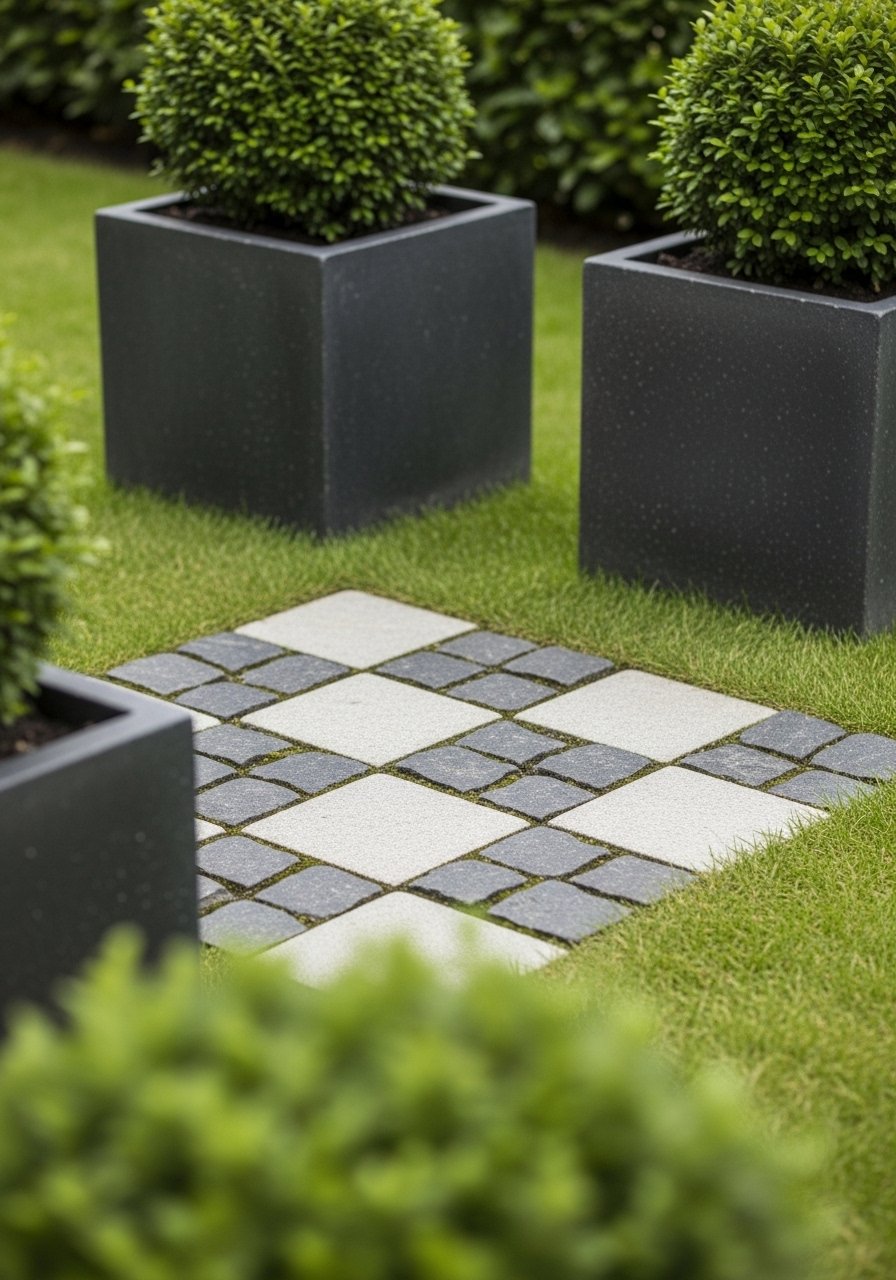
I used alternating turf and stone squares and added small boxwood boxes at corners to make a formal French courtyard vibe in a tiny footprint.
I mismeasured the grid at first and had to relay a row. Measure twice, lay once. Once corrected, the clean lines made the whole area feel purposeful.
This pattern reads expensive but uses small materials and careful spacing.
What You’ll Need for This Look
13. Rusted Metal Planters for a Modern-Lived-In Look
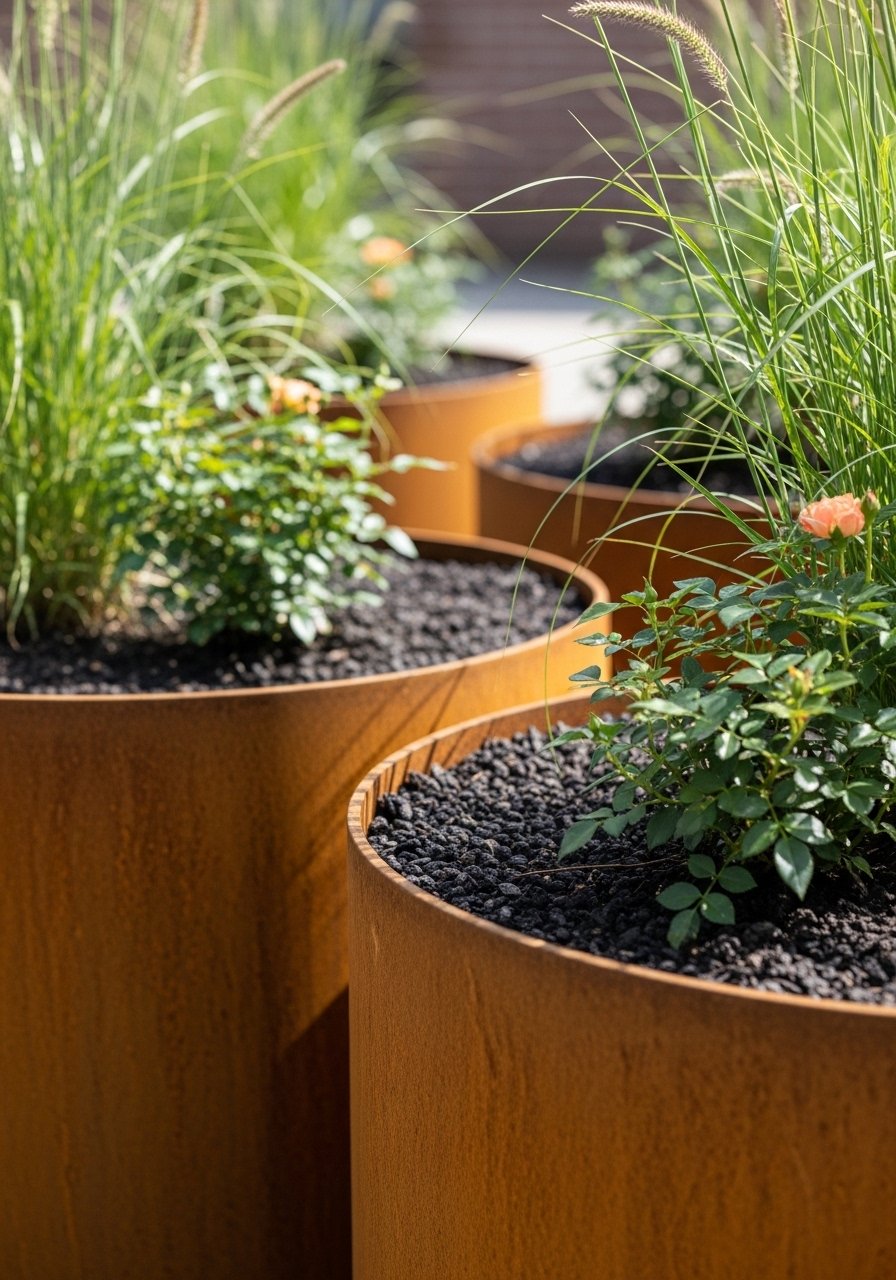
I swapped plastic pots for corten steel planters. The warm rust tones match stonework and age beautifully, giving my courtyard a modern, lived-in edge.
I bought thin metal first and it dented easily. Upgrading to thicker corten solved that; it also resists frost better. The planters develop a protective patina over time.
Pick sizes that don’t overpower the space and pair with soft plants to balance the metal.
What You’ll Need for This Look
14. Scented Nook with Roses, Lavender and Thyme
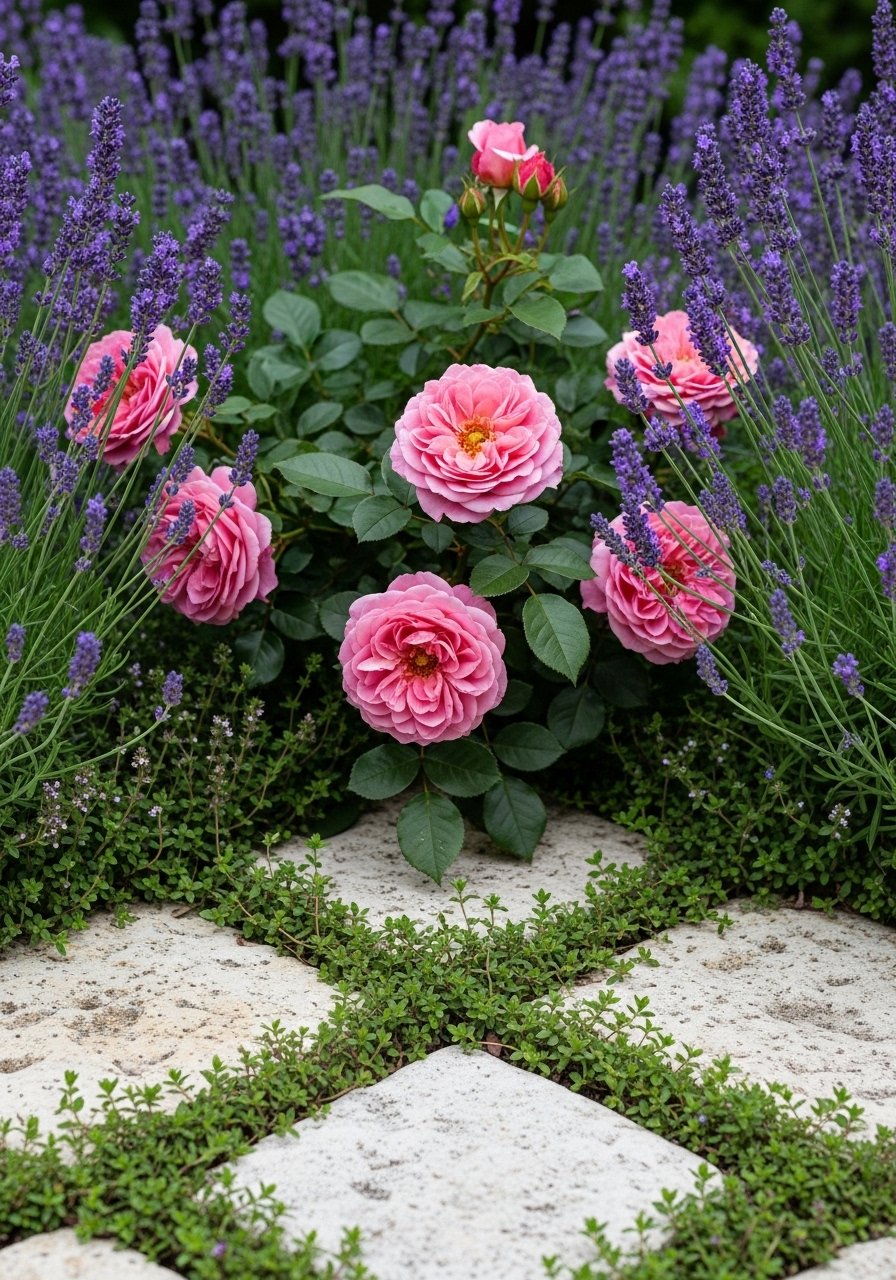
I planted roses near the seating area and edged the path with lavender and thyme. The scent is immediate and keeps the courtyard feeling French and intimate.
I planted a vigorous rose variety first and it overtook the space. I replaced it with a smaller, old-fashioned shrub rose that behaves. Choose calm-growing roses for small courtyards.
Prune for air and pick plants that bloom at staggered times.
What You’ll Need for This Look
15. Hidden Storage Bench with Integrated Planters
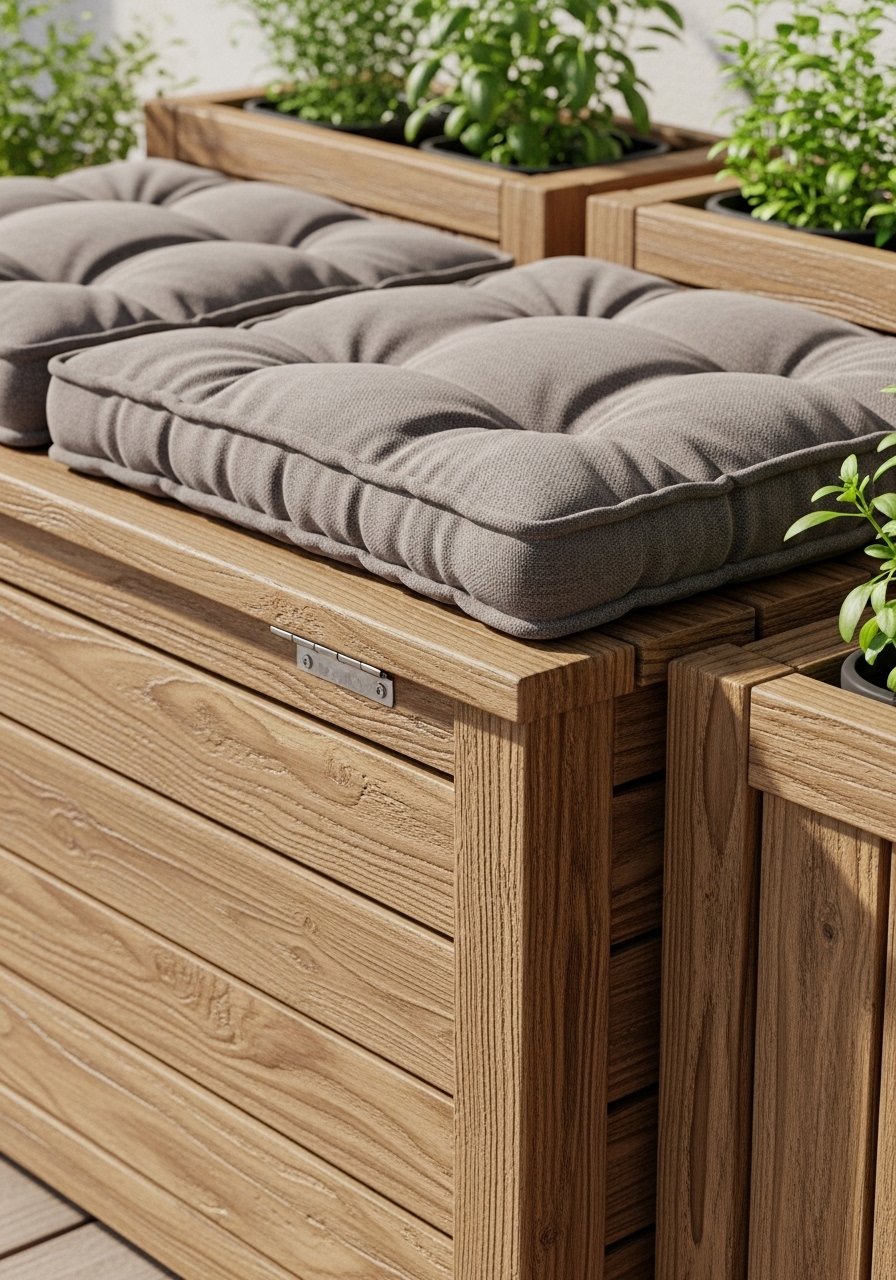
I built a bench with hidden storage and planters at each end. It gives seating, a place to stash tools, and greenery without using extra floor area.
My first bench had poor drainage and the planted end rotted. I rebuilt with a sealed liner and drainage holes. Now it lasts and looks intentional.
Choose a bench width that fits your walkway and use moisture-proof liners.
What You’ll Need for This Look
16. Mini Vegetable Patch in Raised Stone Beds
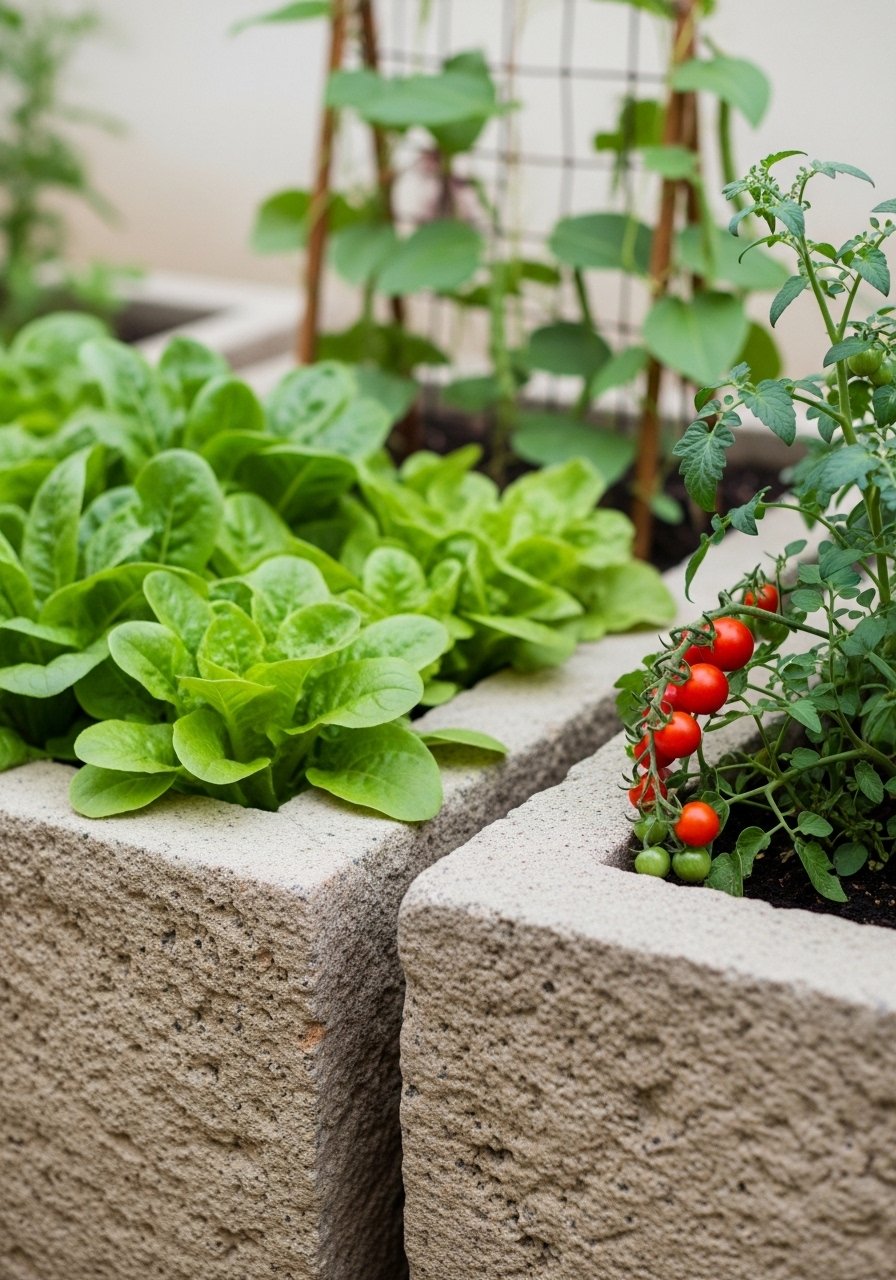
I swapped a corner for two low stone-raised beds and grew salad greens and tomatoes. Close planting and succession sowing kept harvests regular.
I once planted tall tomatoes without proper support and the stems snapped in wind. I added short trellises and tied stems gently. The compact beds produce more than I expected.
Use companion planting and pick dwarf veg varieties suited to containers and small beds.
What You’ll Need for This Look
17. Shade Corner with Hostas, Ferns and Lanterns
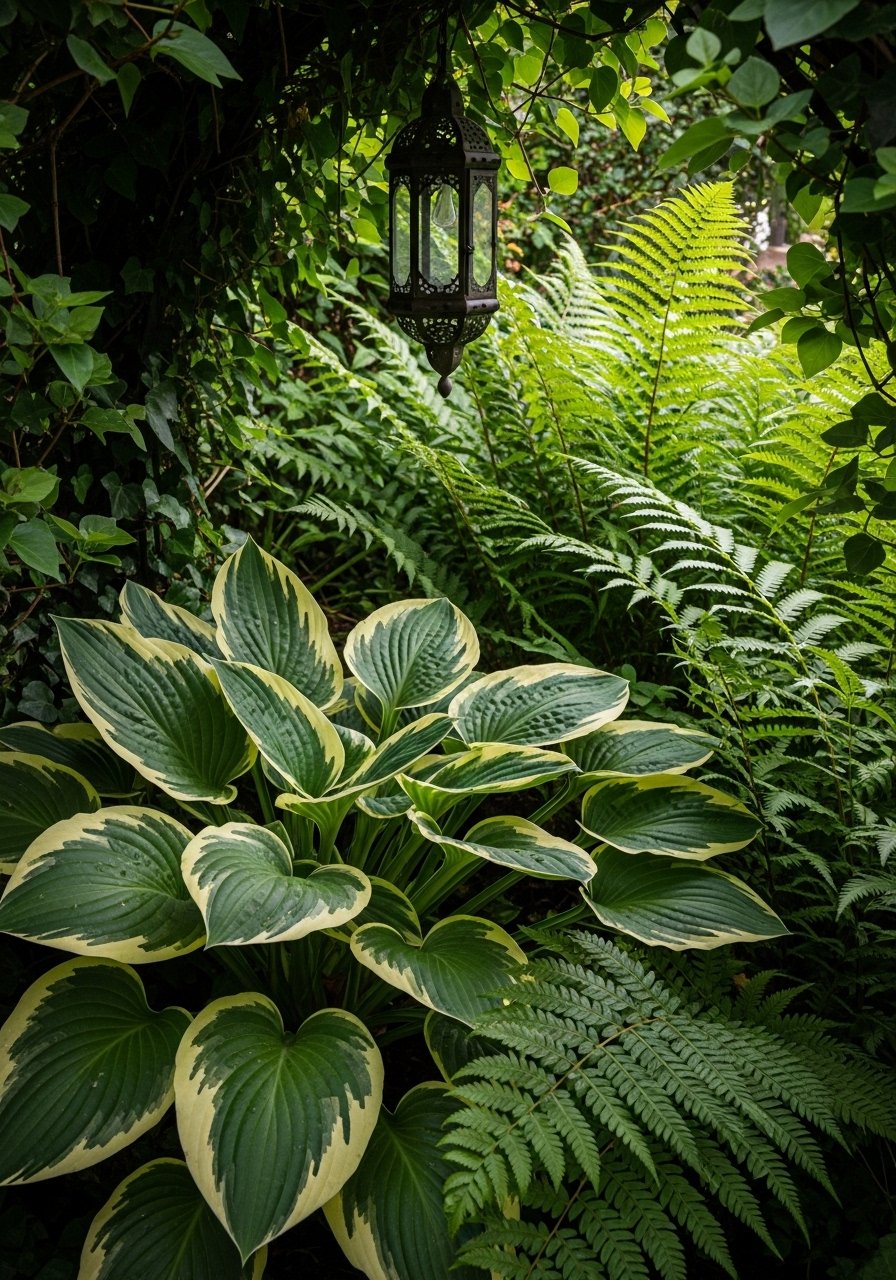
A north-facing courtyard corner was dull until I planted hostas and ferns and hung a few lanterns. The texture and layered greens make the corner cozy and cool.
I planted a sun-loving shrub there first and it wilted. Accepting shade opened up good plant choices and lowered maintenance.
Add a couple of lanterns for evening use and mulch to retain moisture.
What You’ll Need for This Look
18. String Lights and Uplights for Night Ambiance
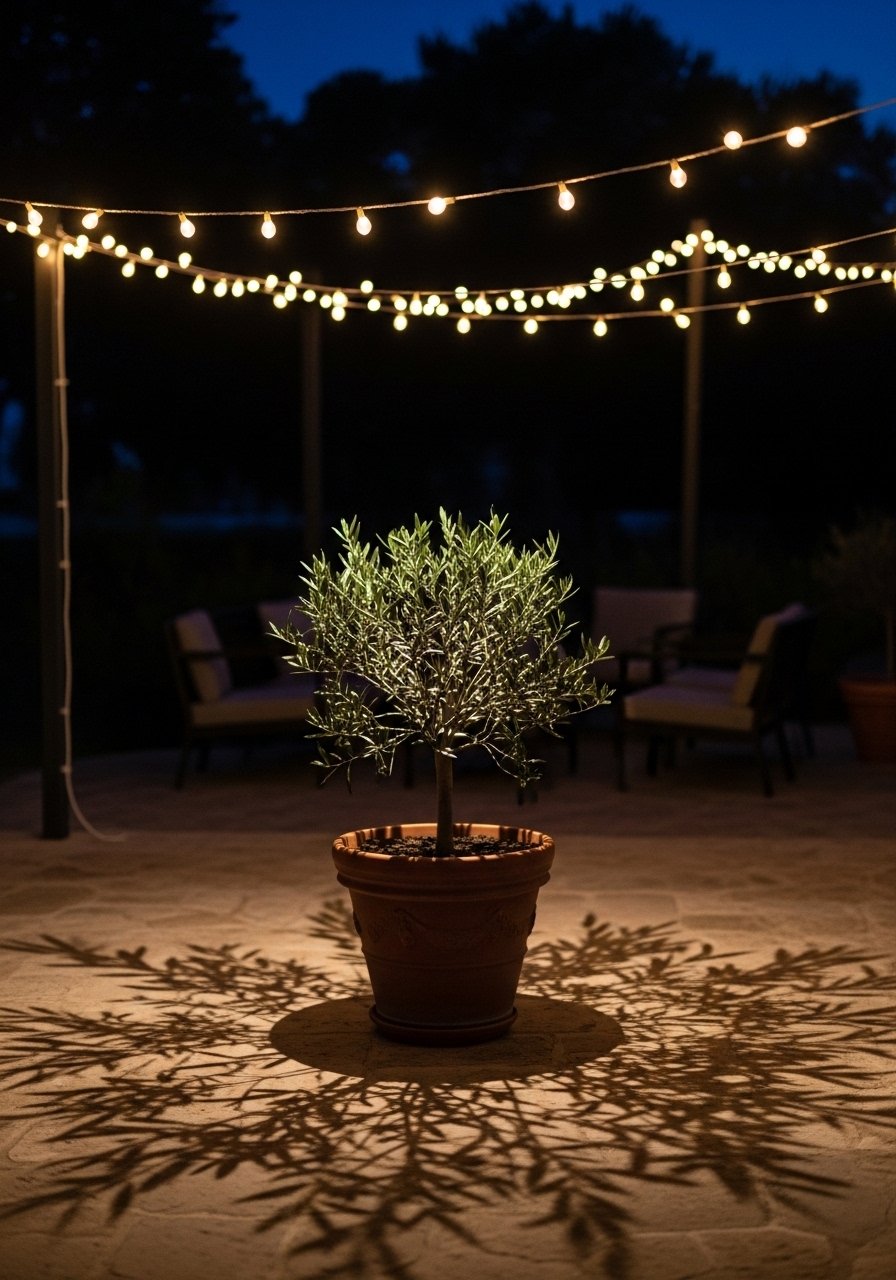
After dusk, I run string lights across the courtyard and add a couple of uplights to highlight an olive or wall. The space becomes usable for late dinners.
I once used very bright bulbs that felt industrial. Switching to warm, low-lumen LED bulbs yielded a cozy glow. Conceal wiring along beams for neatness.
Use weatherproof fittings and timers so lights turn on automatically.
What You’ll Need for This Look
19. Painted Shutters and Window Boxes for Cottage Charm
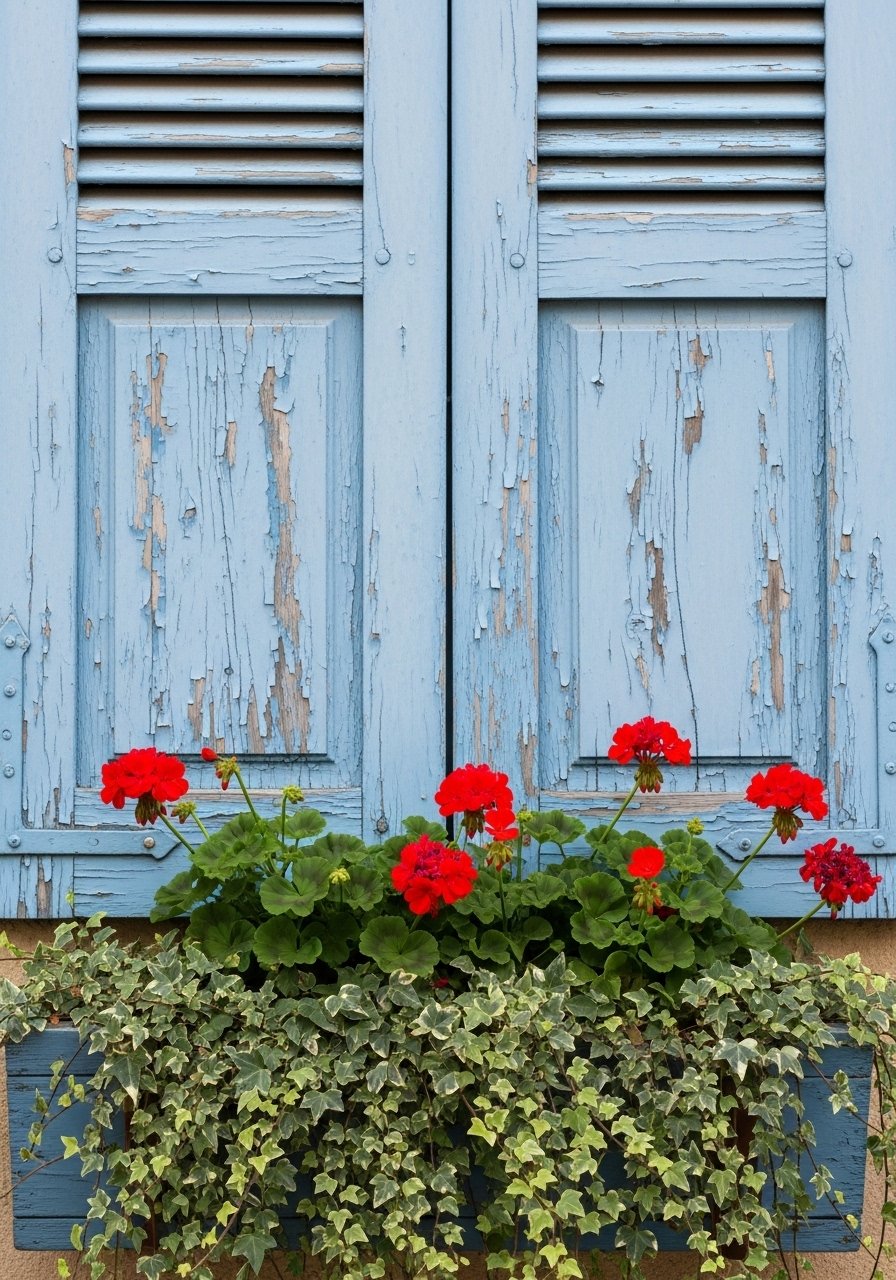
I repainted old shutters and added window boxes — an instant facelift. Bright blooms and trailing ivy soften the hard edges of the courtyard.
I first chose a very glossy paint that looked false. Switching to eggshell with a muted color gave the right French-cottage feel. Window boxes need good drainage and routine deadheading.
Pick colors that complement stone and keep boxes shallow for easy reach.
What You’ll Need for This Look
20. Zinc Trough Planters for Architectural Repetition
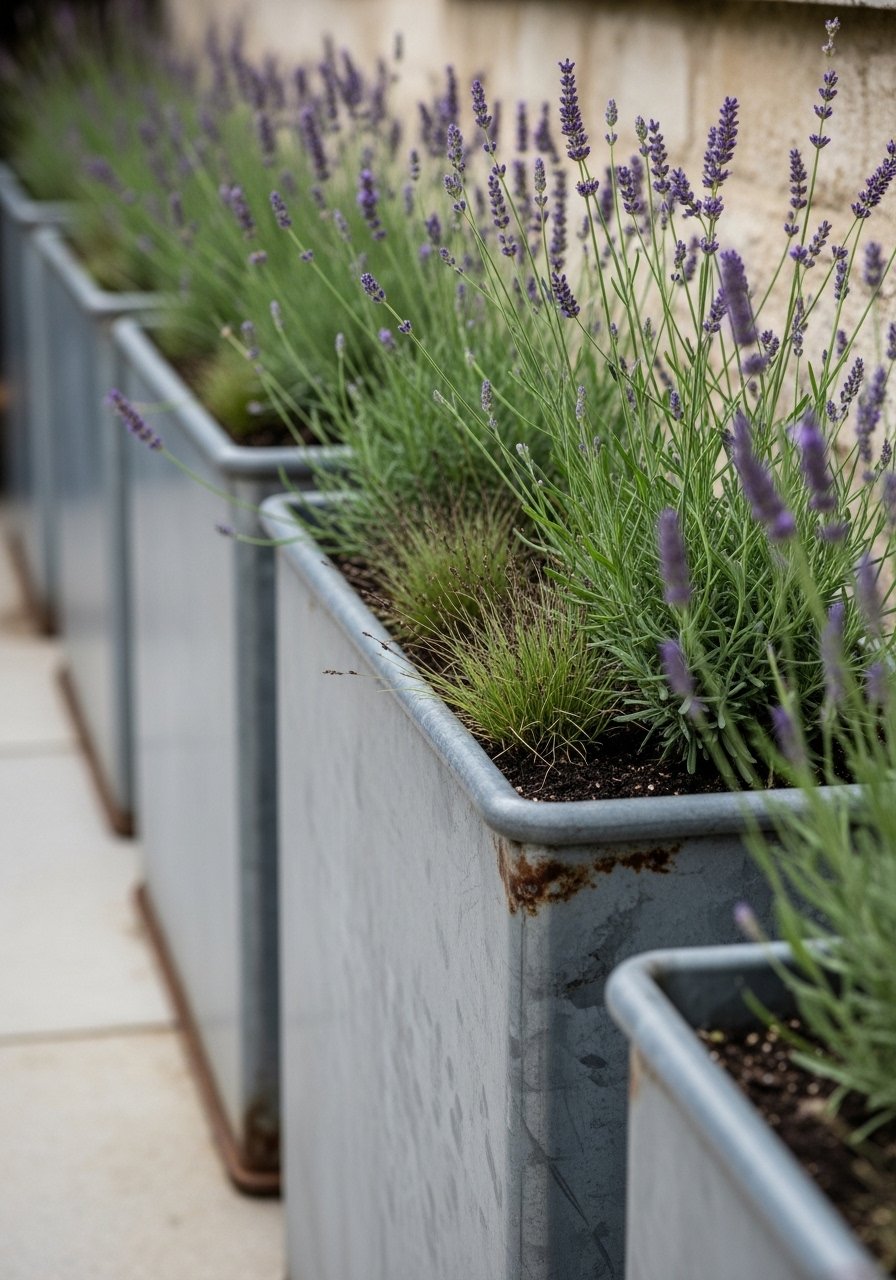
I lined the wall with zinc troughs and repeated lavender and grass. The repetition creates rhythm and a formal edge without fuss.
Initially the troughs were too deep for some plants and held cold soil. I added coarse grit at the base to improve warming and drainage. The troughs now stay balanced and tidy.
Use trough length to echo the wall and choose plants that repeat well.
What You’ll Need for This Look
21. Small Fire Bowl for Warmth and Gathering
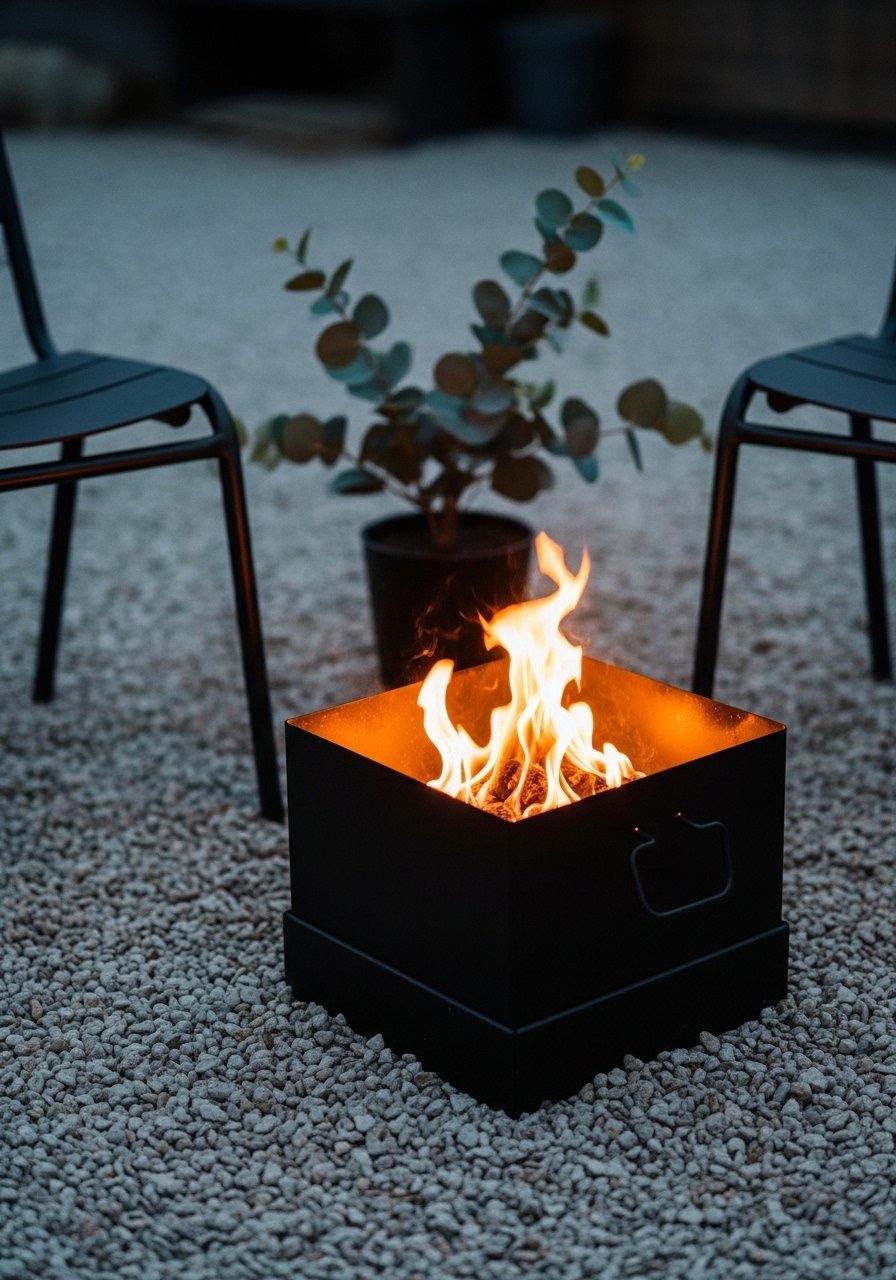
I added a small fire bowl to a corner and suddenly had warmth for late-season evenings. It draws people in and needs very little space.
I bought a fragile ceramic bowl once that cracked with heat. I replaced it with a steel fire bowl rated for outdoor use. Always check local rules and keep it on non-flammable surfaces.
Use a compact design and pair with lightweight chairs you can move quick.
What You’ll Need for This Look
22. Succulent Corner with Shallow Pots and Gravel
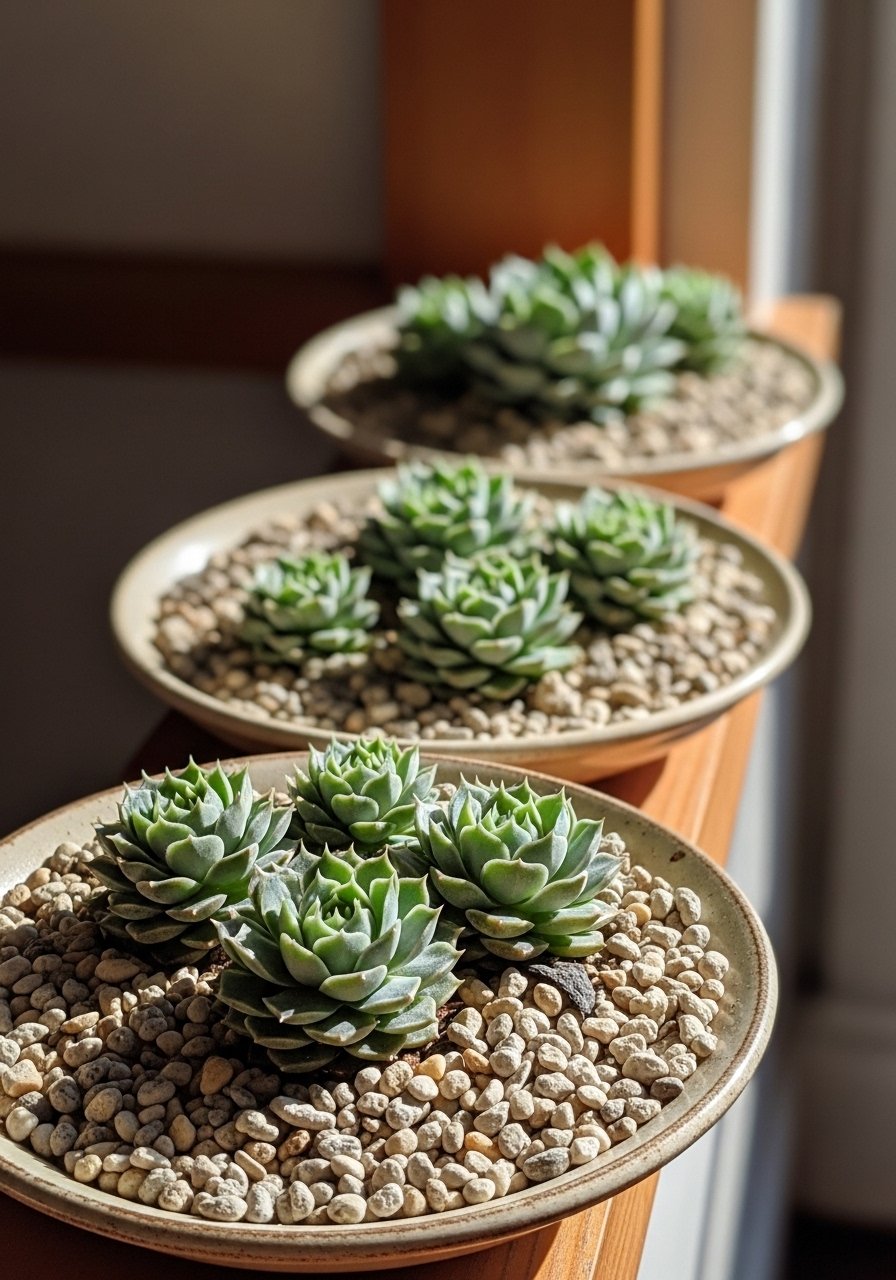
A sunny ledge became a succulent display with shallow pots and pebble mulch. It’s low water and sculptural — perfect for minimal upkeep.
I misjudged winter sun and some succulents melted. I moved them to a slightly shaded spot in mid-summer and sheltered them in winter. Succulents need bright light but protection from extreme cold.
Use shallow pots and fast-draining mix.
What You’ll Need for This Look
23. Small Pergola with Drapes for Shade and Privacy
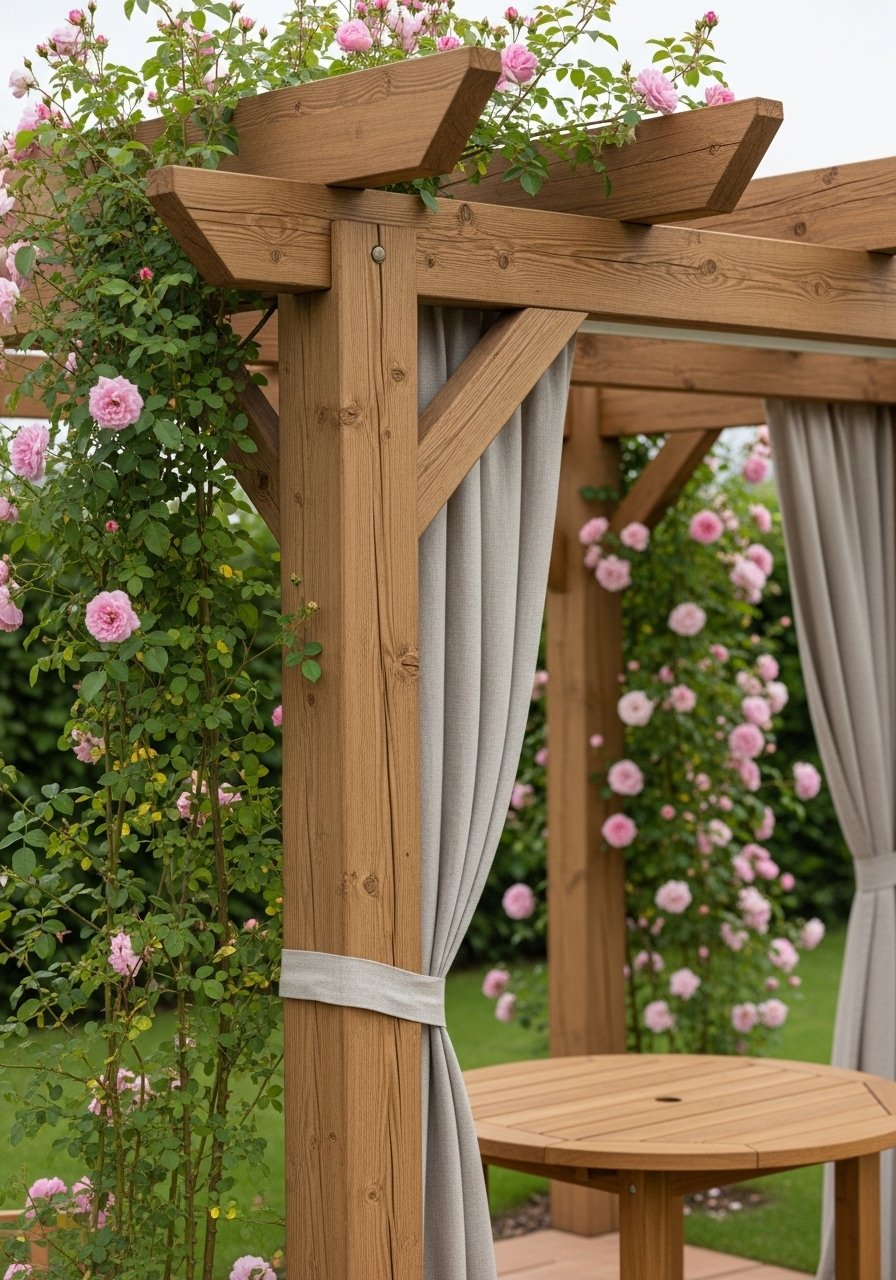
I installed a small pergola and hung drapes to create privacy and dappled shade. It feels like an outdoor room but takes vertical space, not floor space.
I initially used heavy curtains that puddled and mildewed. Lightweight linen that dries quickly works best. I also added climbing roses to the posts for softness.
Secure fabric well and choose rot-resistant wood.
What You’ll Need for This Look
24. Palette of Two Colors for Calm Cohesion
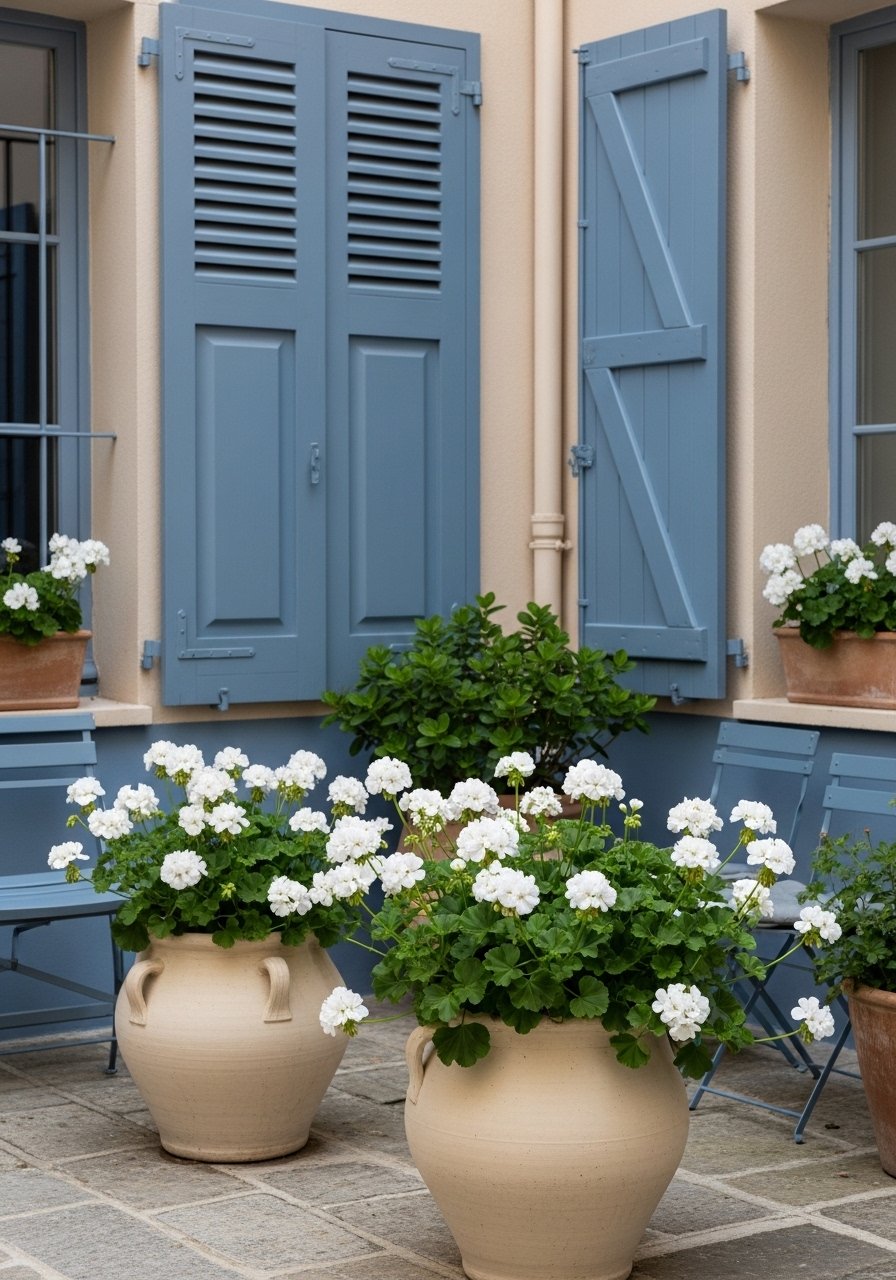
I simplified color choices to two main tones across pots, cushions, and blooms. The courtyard instantly felt calm and cohesive even with limited space.
I used to chase every seasonal color; it made the space look chaotic. Sticking to a palette helps small courtyards read as one room.
Pick two colors and repeat them in textiles, pots, and plants for a calm look.
What You’ll Need for This Look
25. Recycled Brick Flooring for Rustic Texture
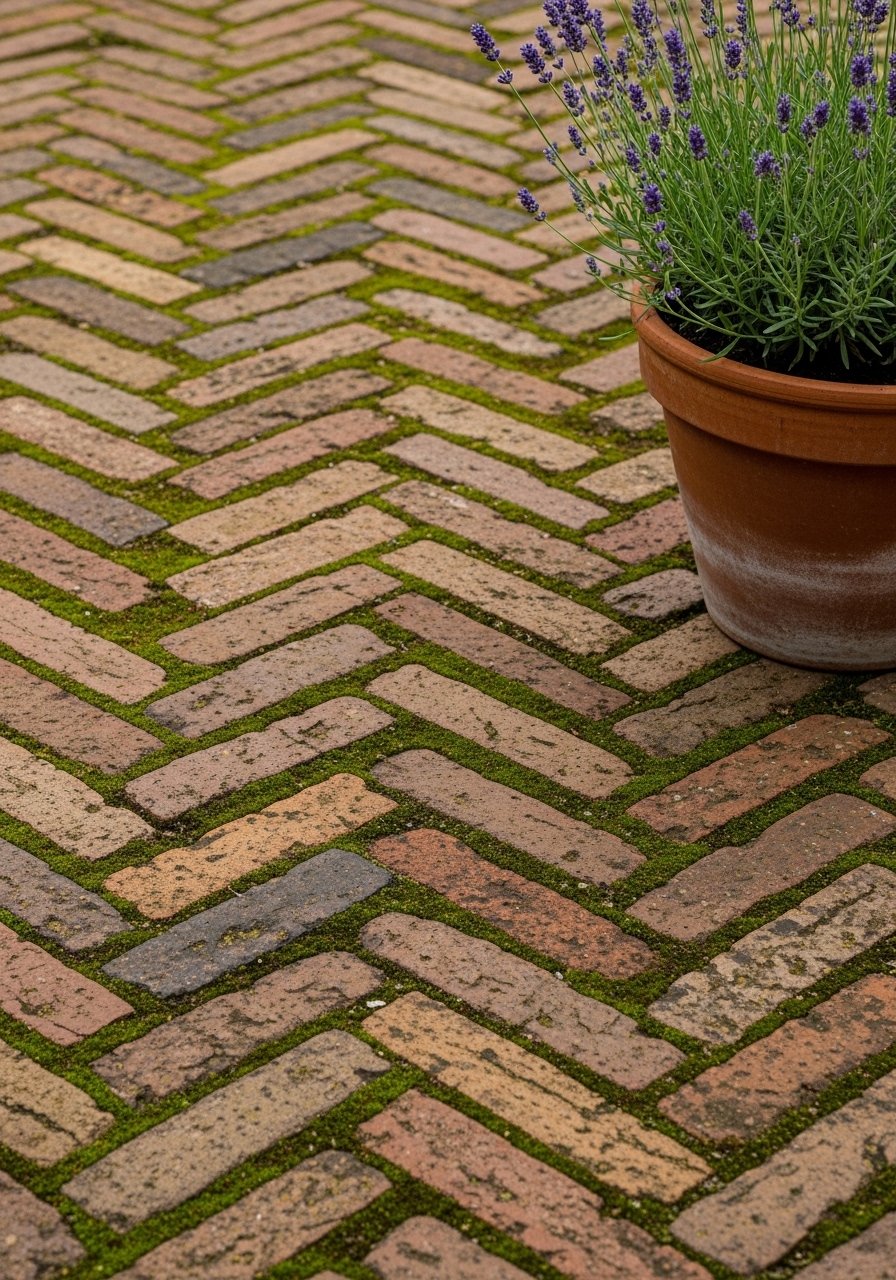
I reclaimed old bricks for the floor and laid them in a herringbone. The patina and moss in the joints give instant age and warmth.
I miscalculated slope once and had puddles. I relaid a row for drainage and added sand in joints. Proper fall prevents standing water and rot.
Reclaimed brick is forgiving and makes a courtyard feel grounded.
What You’ll Need for This Look
26. Boxed Topiary Repetition for Formal Rhythm
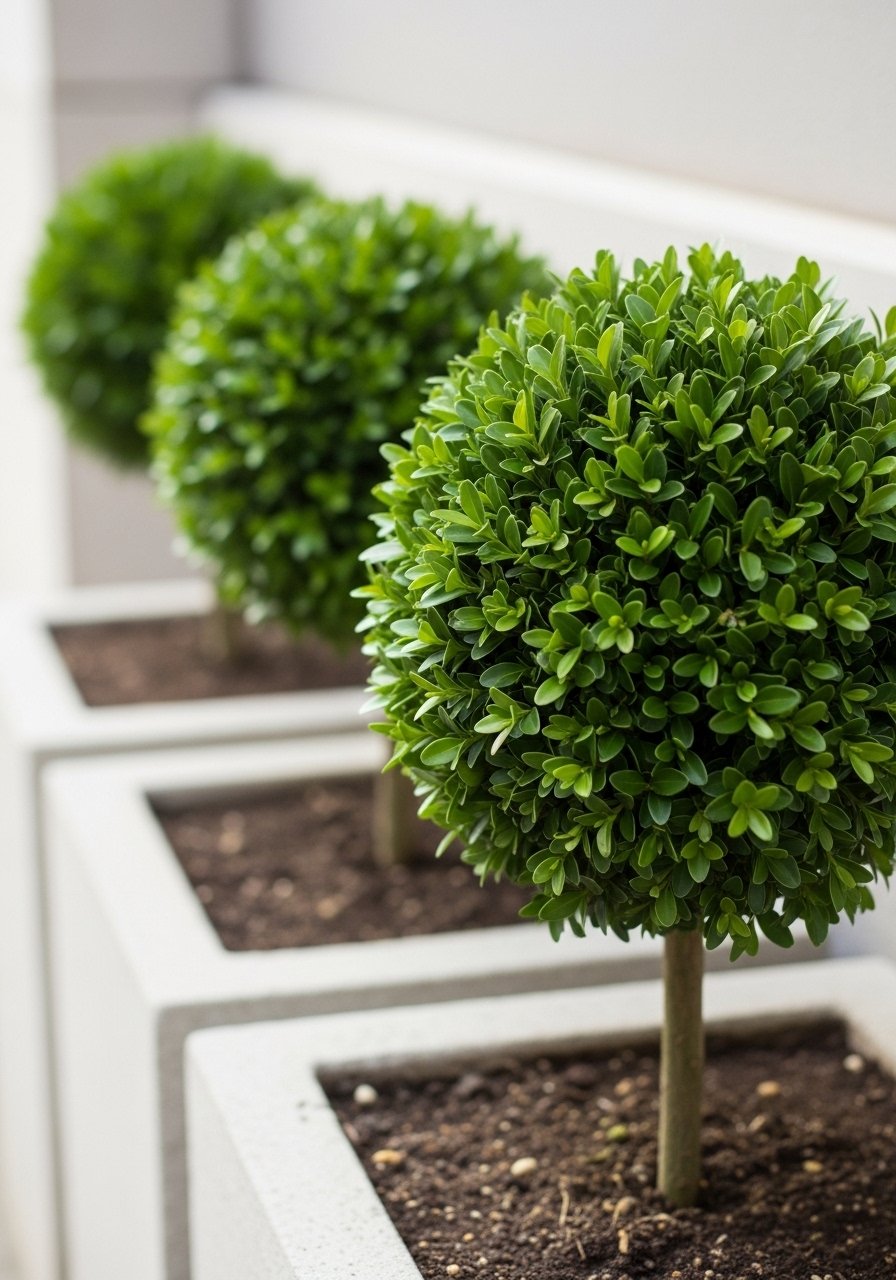
I lined my courtyard with three matching topiaries in identical pots. The rhythm makes a narrow space feel deliberately arranged and calm.
I pruned too aggressively the first year and thinned the foliage. I now trim lightly and regularly to keep dense shape. Small topiaries reward consistent trimming.
Match pot size to plant size and keep soil fed.
What You’ll Need for This Look
27. Pocket Seating with Fold-Down Bench
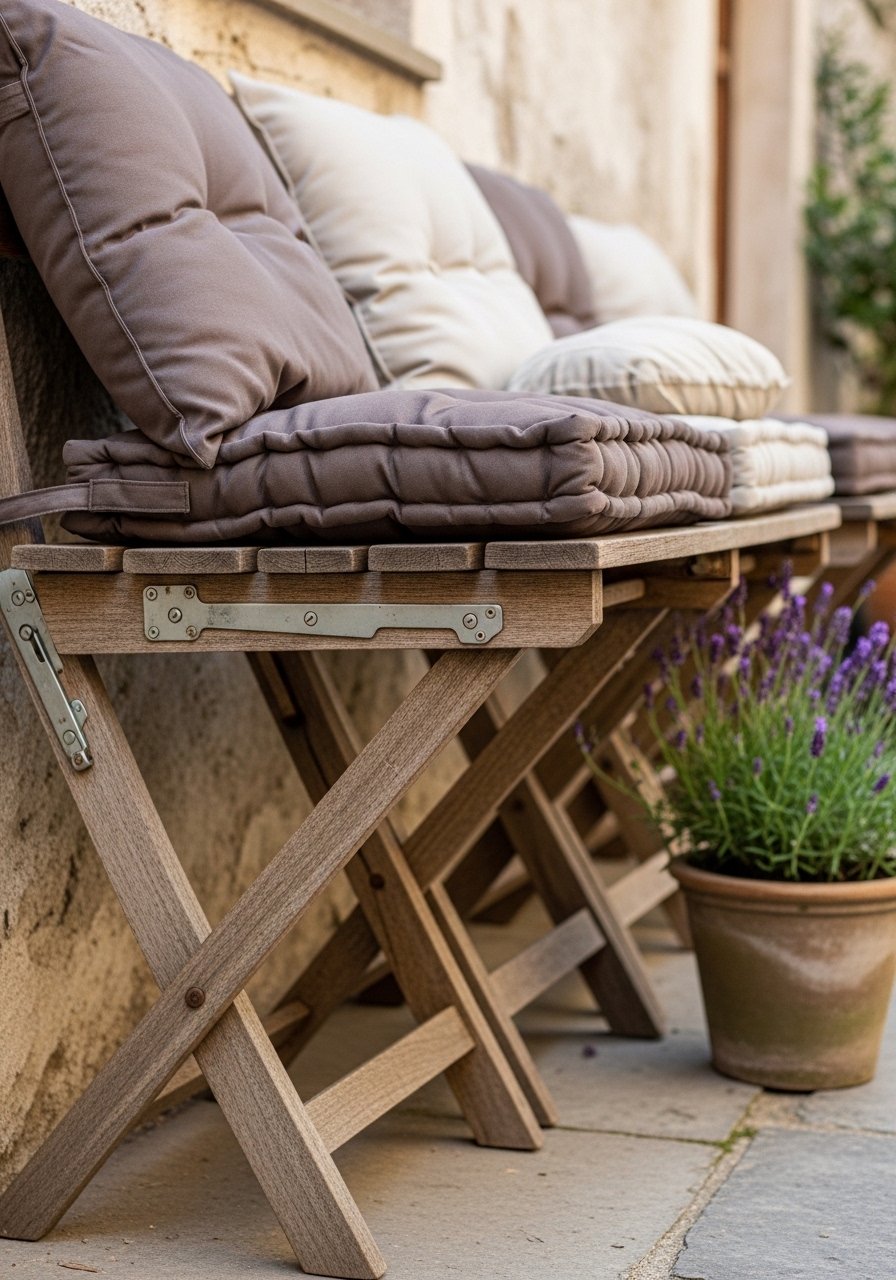
I installed a fold-down bench that tucks flat against the wall when I need space. It gives flexibility in a small courtyard where every inch matters.
My first hinges were flimsy; the bench sagged. I replaced them with heavier, stainless steel hinges and added a weather strip. Now it’s sturdy and convenient.
Choose a bench depth that still allows a clear walkway when folded.
What You’ll Need for This Look
28. Monochrome Planting for Quiet Elegance
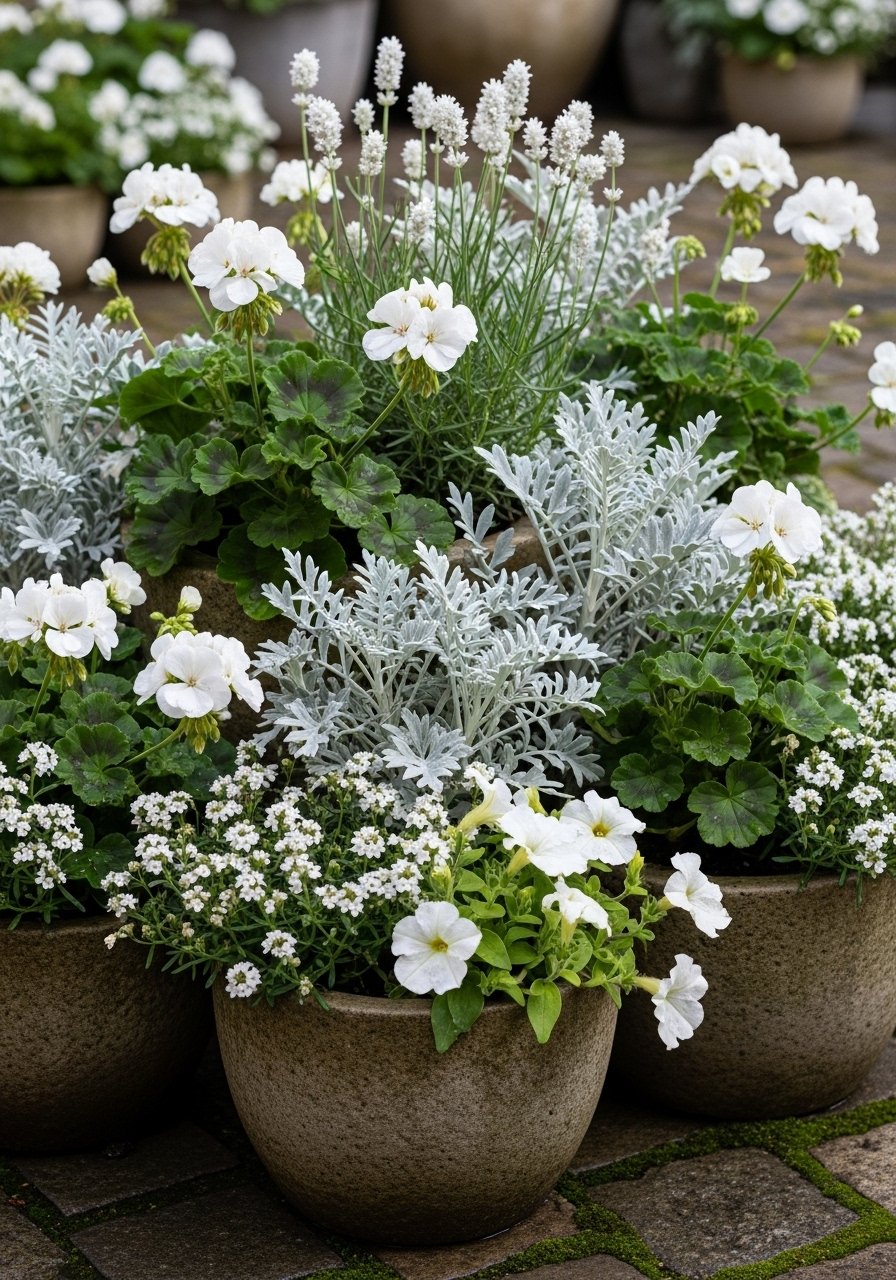
I committed to a monochrome palette — white flowers and silver foliage — and the small courtyard read as calm and intentional. It simplifies choices and looks cohesive year-round.
I once mixed in a single bright red pot and it distracted the whole scheme. Monochrome needs restraint but rewards with a quiet, elegant feel.
Pick plants with varied leaf texture to prevent flatness.
What You’ll Need for This Look
Final Thoughts
You don’t need to copy every idea. Pick what feels right and try one change at a time.
Small courtyards are forgiving. I’ve made mistakes and fixed them; you will too.
Start with one focal move and enjoy how the space settles around it.