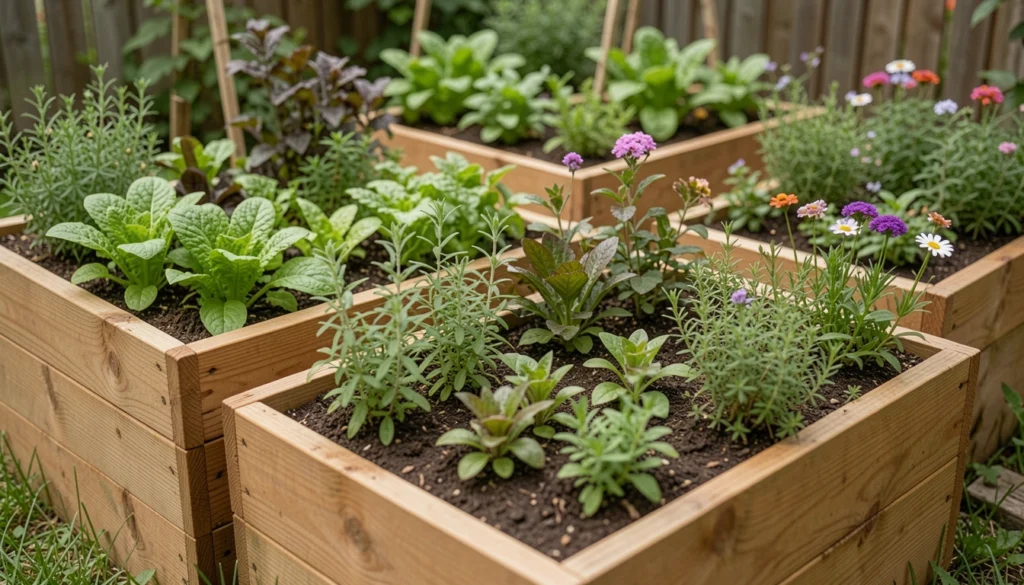
I squeezed my first raised bed into a sliver of backyard last spring. It was messy—plants crowded each other, weeds snuck in. But after tweaking, it felt right. That cozy green patch changed everything. Now I eat salads from it daily.
No huge space needed. Just smart layouts that fit real life.
These beds turned my yard from bare dirt to something alive. You can do this too.
21 Small Backyard Raised Garden Bed Layouts That Work
Here are 21 small backyard raised garden bed layouts that work in tight spaces. I've planted them all, watched what thrives, and fixed the flops. Each one fits under 100 square feet and delivers real harvests or color.
1. Classic 4×4 Veggie Square
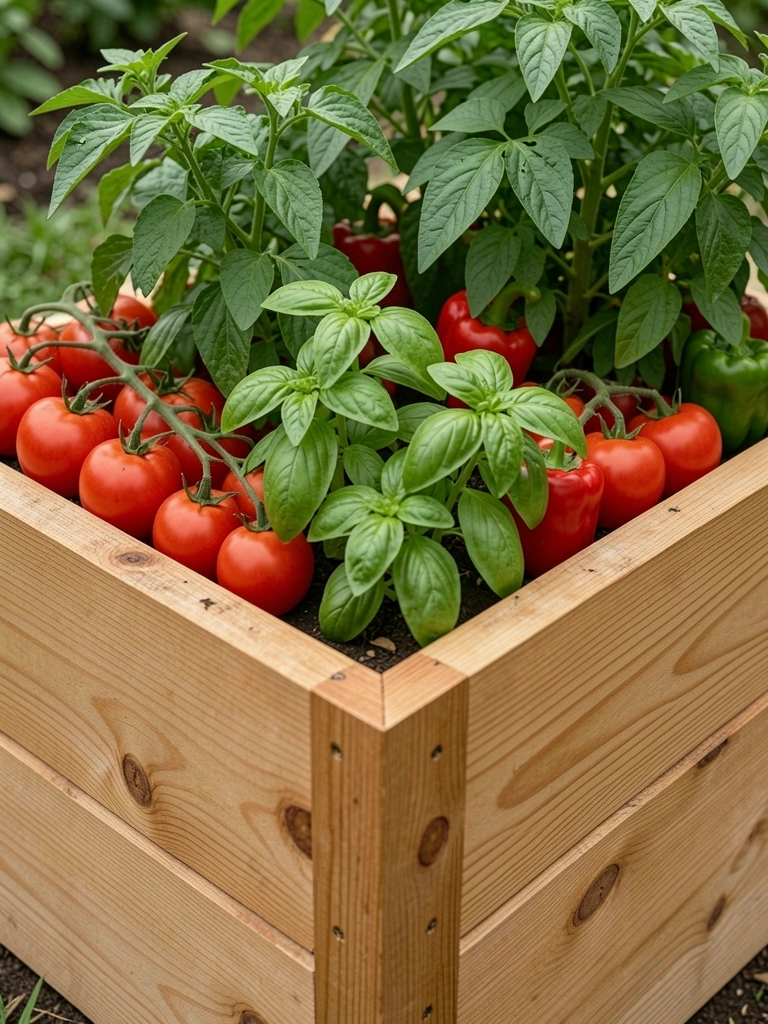
I started with this simple square in my side yard. Divided it into four sections: tomatoes in back, basil alongside, peppers up front, marigolds edging. The height keeps my back happy—no bending low.
It grew fuller than I thought. Tomatoes shaded the peppers just right, cutting water needs. One summer, slugs hit the basil hard, but marigolds bounced back fast.
Visually, it anchors the yard. Feels intentional without fuss.
Pay attention to soil depth—18 inches minimum for roots. Rotate crops yearly to avoid bugs.
What You’ll Need for This Look
- 4×4 cedar raised garden bed kit (18-inch tall)
- Marigold seed mix
- Tomato cage set (galvanized)
- Organic garden soil bulk bag
2. L-Shaped Corner Hugger
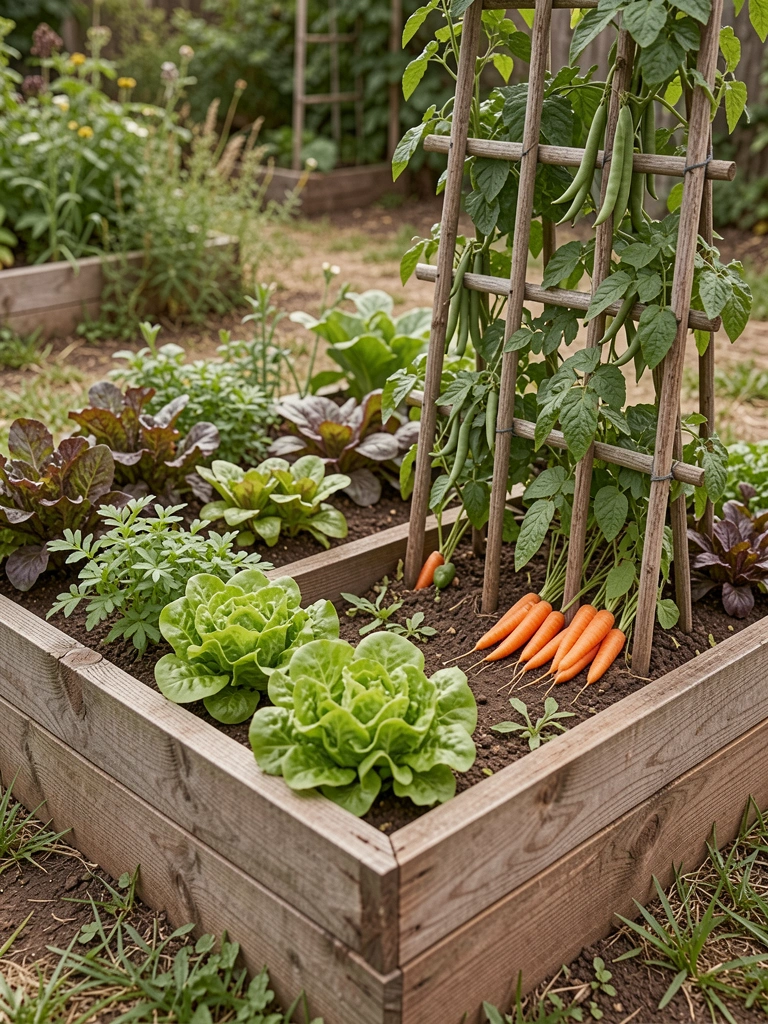
Tucked this L-shape into my back corner—two 4-foot beds meeting at right angles. Carrots along the long arm, lettuce in the crook, beans trellised up the outer edge.
It maximizes sun without wasting space. The beans shade lettuce in peak heat, extending harvests. I once planted cukes there; they sprawled everywhere. Switched to bush varieties—problem solved.
Now it feels like a hug around the patio. Cozy, not cramped.
Watch drainage—add gravel base if clay soil.
What You’ll Need for This Look
- L-shaped raised bed kit (cedar, 4-foot sections)
- A-frame trellis (metal)
- Bush bean seeds
- Carrot seeds rainbow mix
3. Herb Spiral Tower
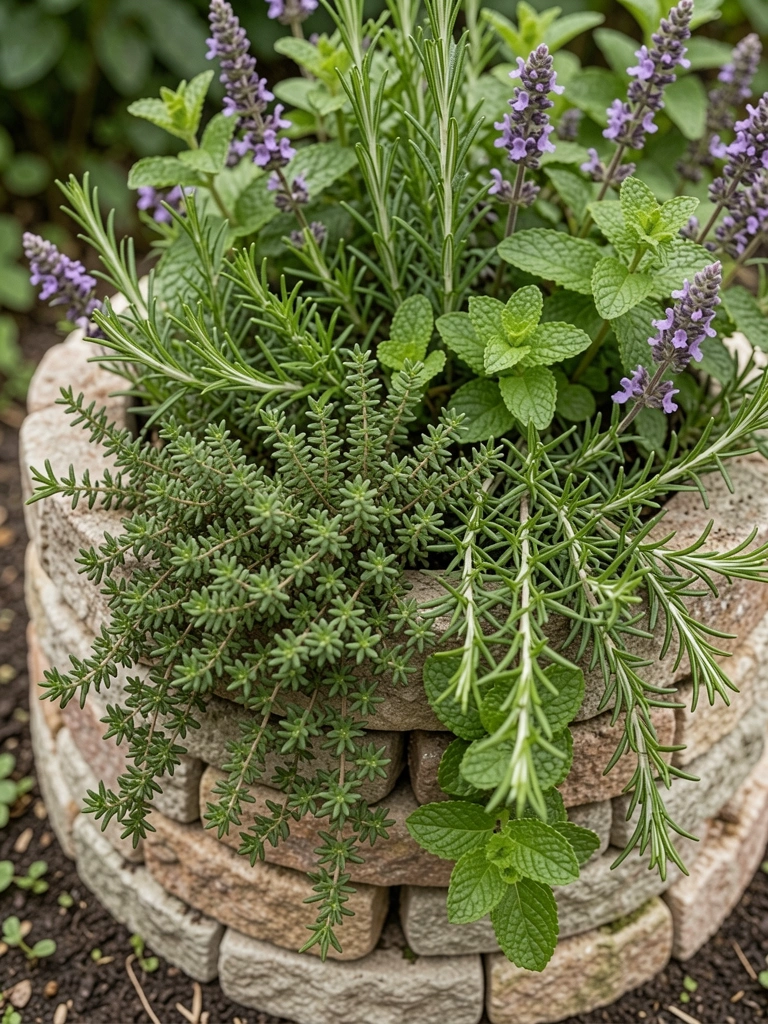
Built a spiral from stacked blocks in a sunny spot. Rosemary at top for drainage, thyme mid, mint at base where it's damp.
Harvests stay fresh—snip without digging. Mint tried taking over once; I sunk pots inside to contain it.
It draws bees, smells amazing up close. Turns a bare patch productive.
South-facing works best. Moisten base weekly.
What You’ll Need for This Look
- Garden block kit for spiral (stackable)
- Rosemary plant (4-inch pot)
- Mint roots contained
- Thyme creeping variety
4. Vertical Trellis Climber
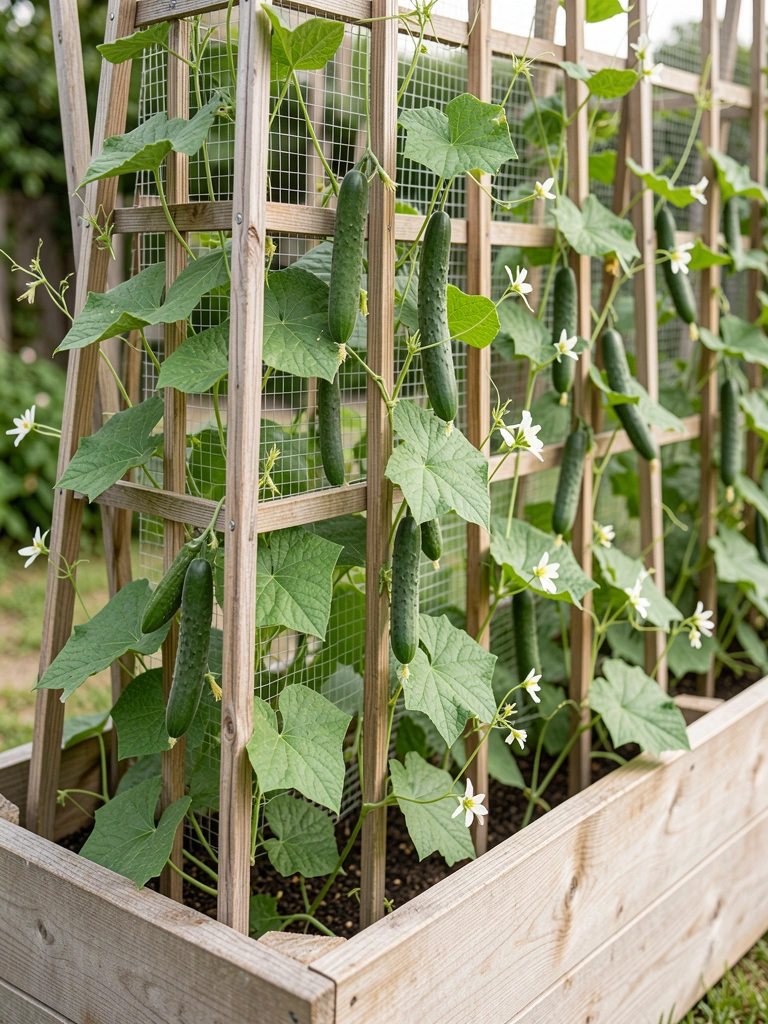
Added a 6-foot trellis to a narrow 2×4 bed. Peas at base, cukes midway—vines shoot up fast.
Frees ground for radishes below. Last year, wind snapped poles; metal mesh fixed it.
Airflow cuts mildew. Yard feels taller, greener.
Secure anchors deep.
What You’ll Need for This Look
- Raised bed with trellis combo (2×4 cedar)
- Garden trellis netting (6-foot)
- Pea seeds climbing
- Radish seed tape
5. Strawberry Patch Perimeter
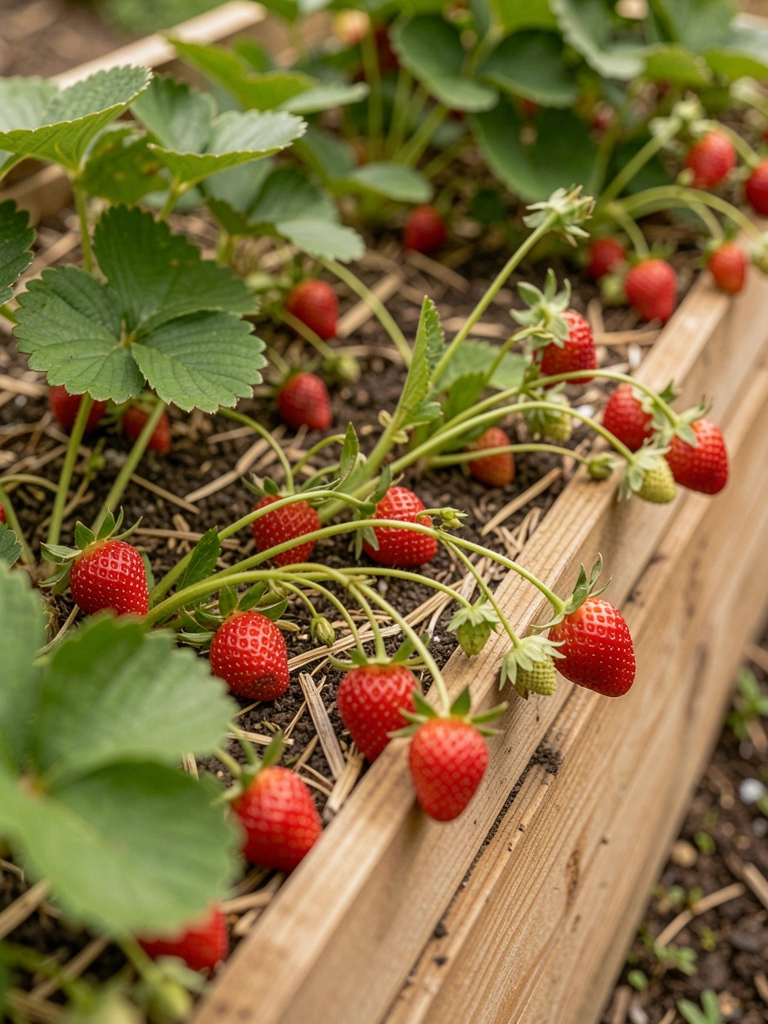
Framed a 3×3 bed with everbearing strawberries around the edge, kale in center.
Berries trail over sides—easy pick. Runners rooted everywhere first year; trimmed weekly now.
Sweetens the yard air. Feels abundant.
Mulch heavy to keep berries clean.
What You’ll Need for This Look
- 3×3 raised garden bed (cedar)
- Everbearing strawberry plants (6-pack)
- Straw mulch bales
- Kale seed mix
6. Salad Greens Rotation
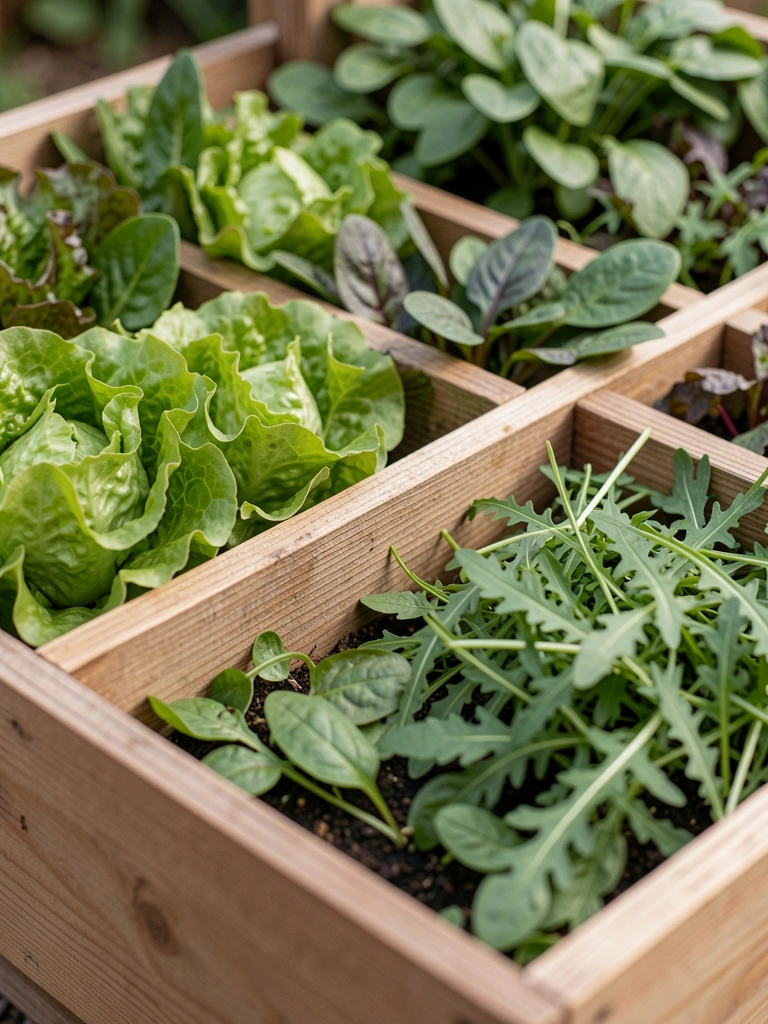
Split a 4×4 into thirds for lettuce, spinach, arugula. Rotate every cut.
Constant supply—no bare spots. Bolted fast in heat once; shade cloth helped.
Crisp bowls nightly. Simple joy.
Harvest young leaves.
What You’ll Need for This Look
7. Pollinator Power Strip
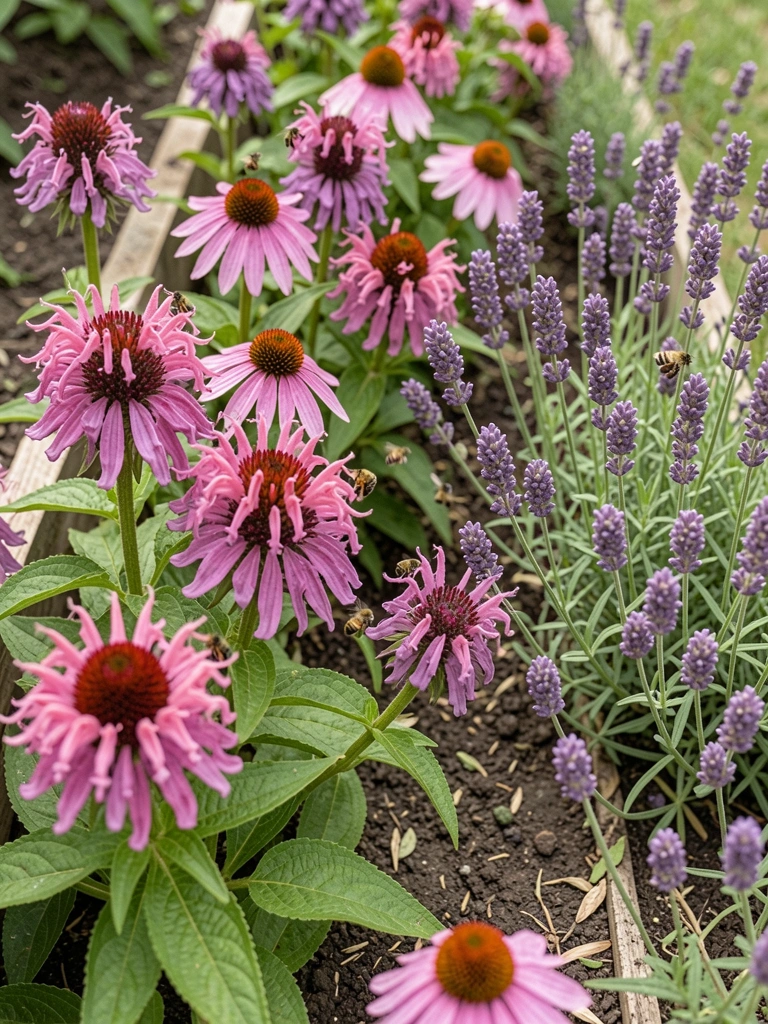
Made a 2×6 strip along fence: bee balm back, coneflowers mid, lavender front.
Bees arrived day one—veggies nearby fruit better. Lavender flopped in wet soil; raised it higher.
Hums with life. Warm glow.
Full sun essential.
What You’ll Need for This Look
8. Root Crop Deep Dive
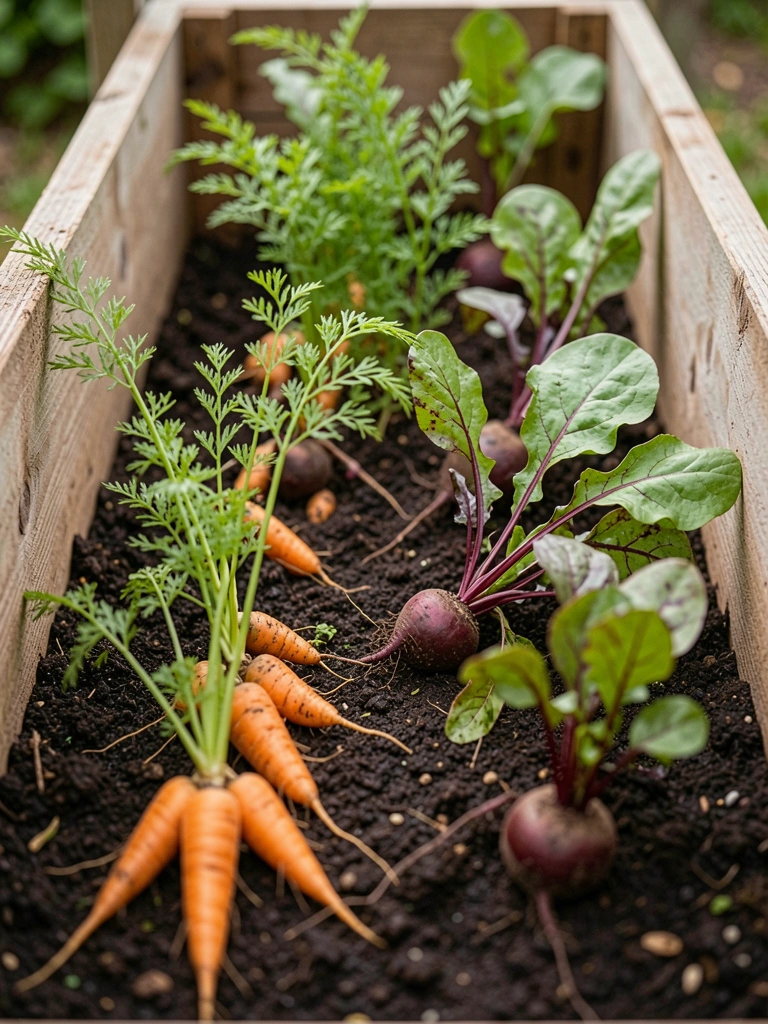
Went 24 inches deep for carrots, beets, potatoes in a 3×4.
Pull clean roots—no rocks. Potatoes crowded once; spaced better now.
Earthy harvests. Solid feel.
Hill potatoes as they grow.
What You’ll Need for This Look
9. Shade-Loving Greens
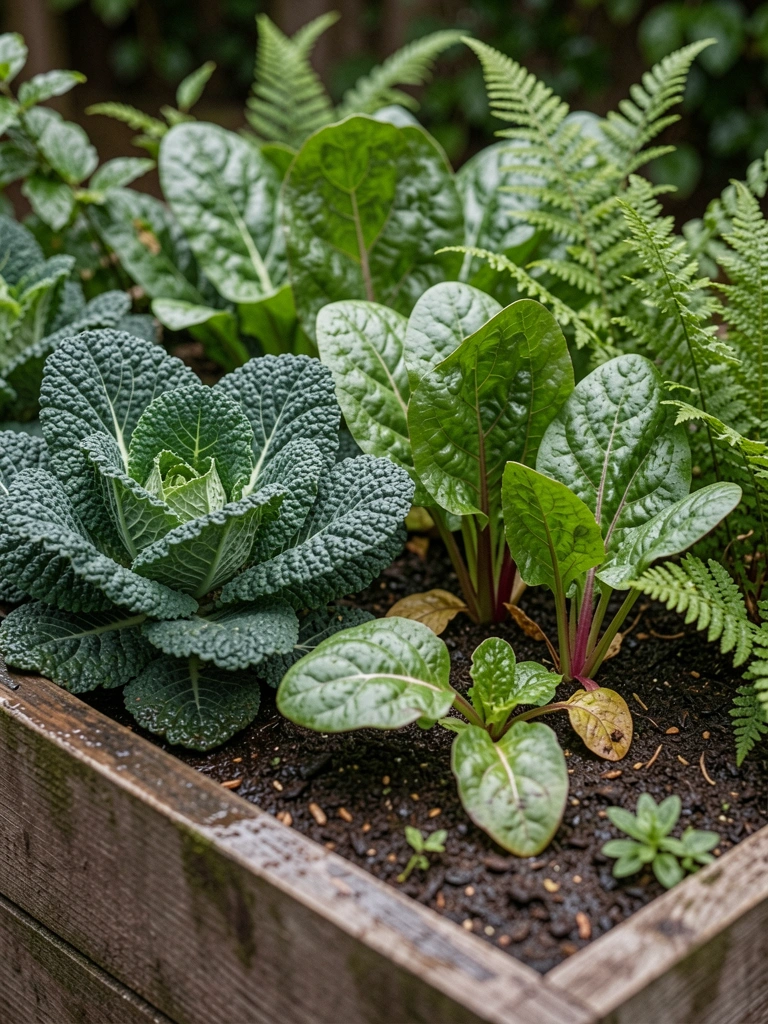
Under tree edge: kale center, chard sides, parsley filler.
Lush through summer—others wilted. Parsley leggy first; thinned it.
Cool, productive nook.
Rich compost key.
What You’ll Need for This Look
10. Sunny Flower Edibles
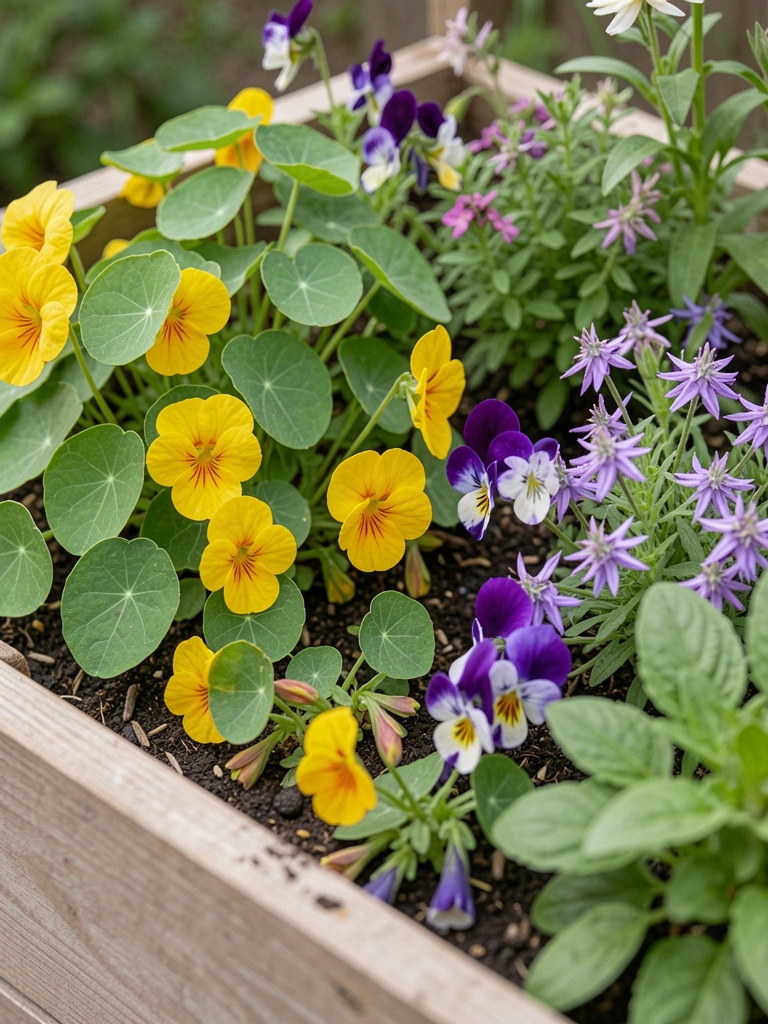
Nasturtiums trail, violas tuck in, borage towers in 3×3.
Edible petals jazz salads. Borage self-seeds wild; pull extras.
Color pops cozy.
Deadhead for more.
What You’ll Need for This Look
11. Companion Planting Trio
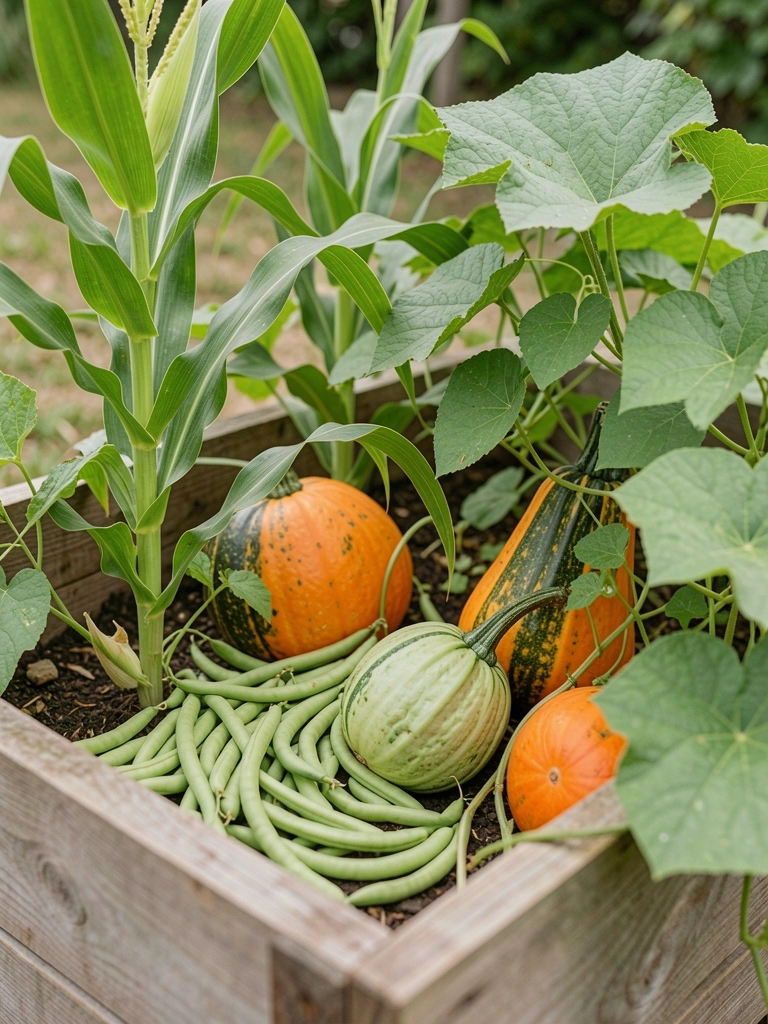
Corn stalks, pole beans climbing, squash sprawling in 4×4.
Self-supporting—less stakes. Squash shaded weeds out.
Three Sisters magic. Feels ancient, right.
Plant corn first.
What You’ll Need for This Look
12. Multi-Level Stack
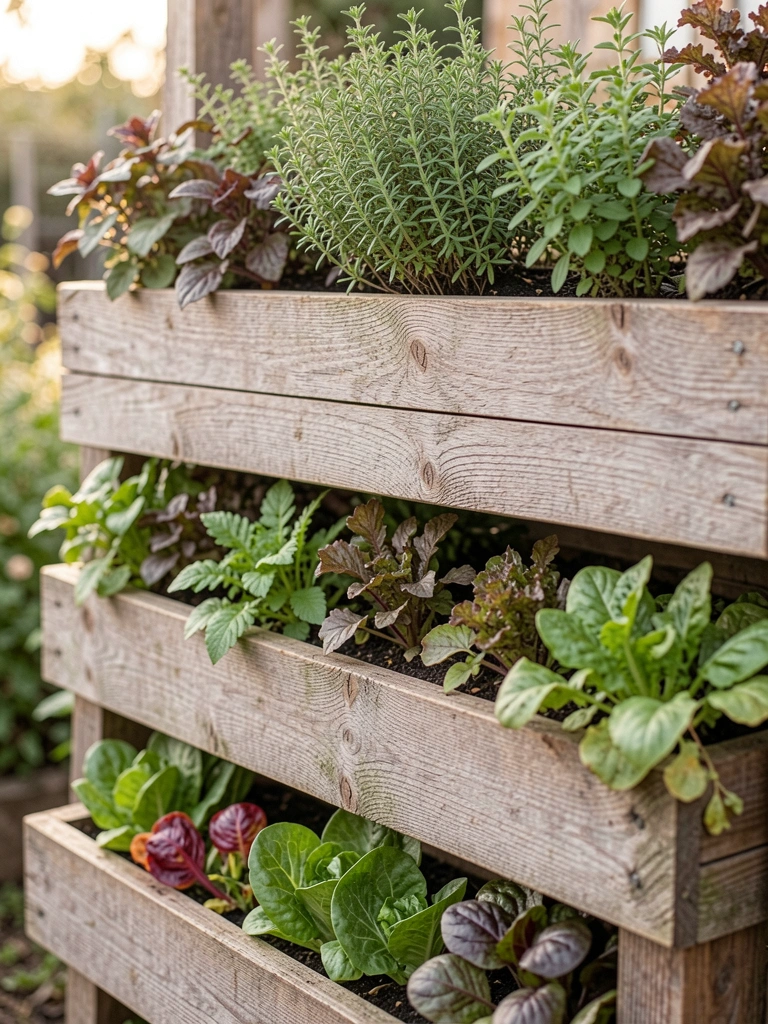
Two beds stacked: short front herbs, taller back greens.
Easy reach everywhere. Top dried out fast; drip line fixed.
Layered depth. Modern tidy.
Level bases firm.
What You’ll Need for This Look
13. Keyhole Access Center
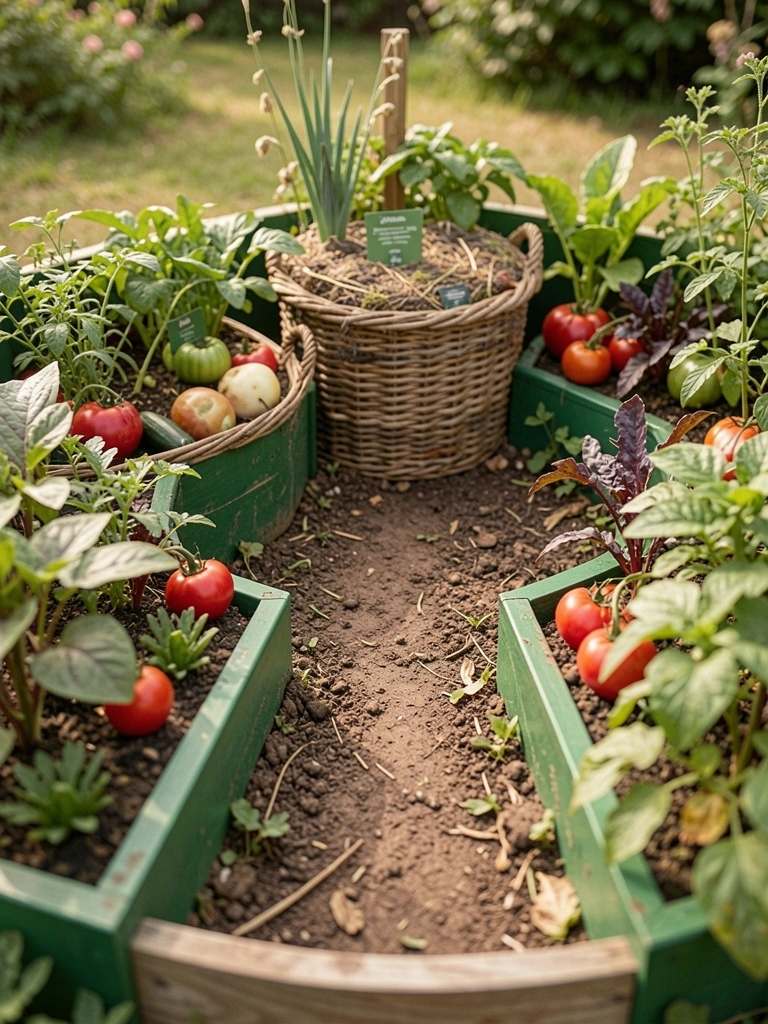
Circular bed with keyhole cut to center basket. Brassicas around.
Compost feeds direct. Basket overflowed once; smaller bin.
Efficient circle. Warm hug.
Chop and drop mulch.
What You’ll Need for This Look
14. Hugelkultur Mound Base
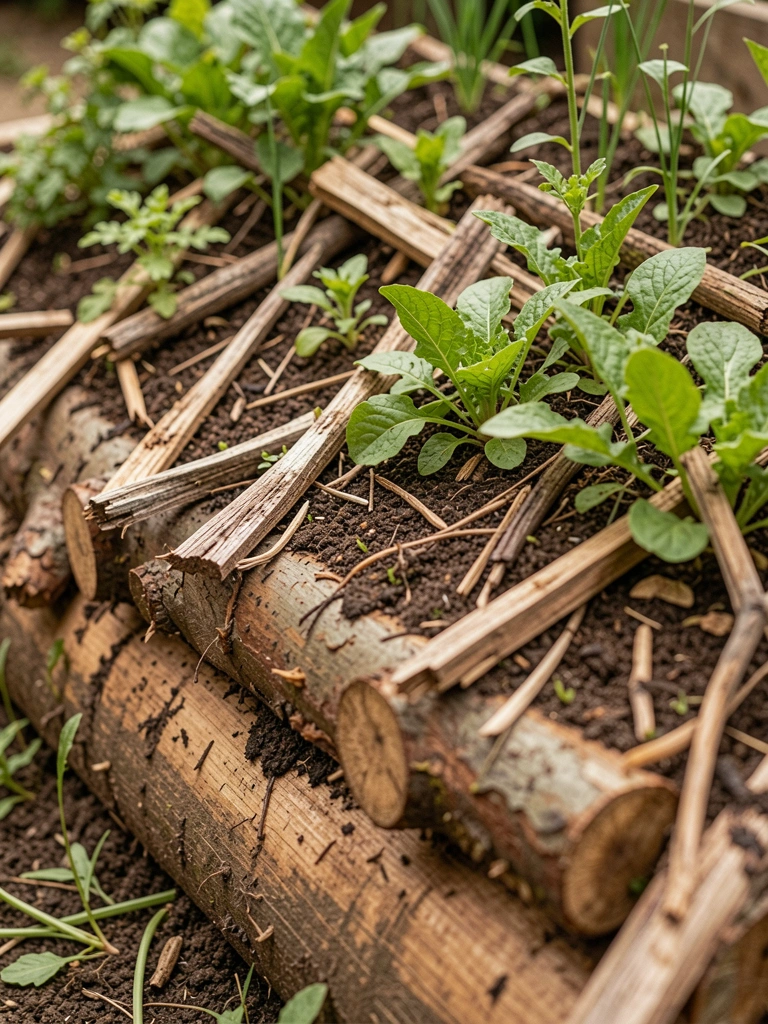
Logs and branches base, soil mound in 4×5 frame.
Water sponges forever. Settled uneven; topped up yearly.
Low water wins. Earthy.
Wet site best.
What You’ll Need for This Look
15. Native Wildflower Mix
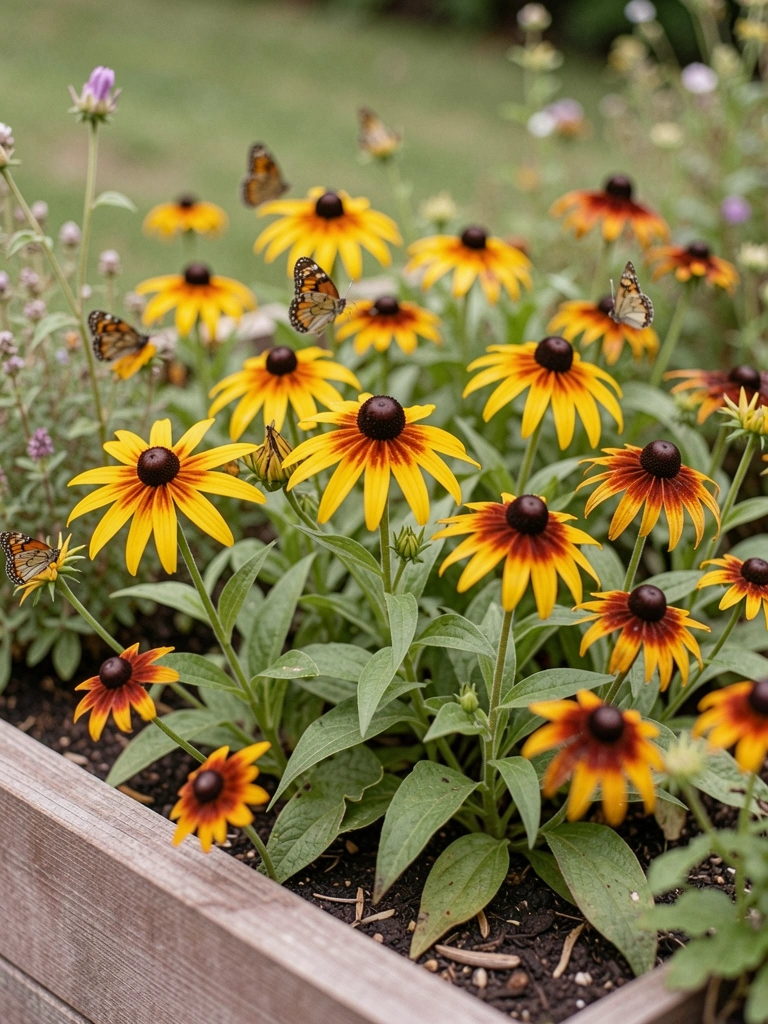
Natives like milkweed, rudbeckia in 2×4.
Butterflies flock—no fuss. Overseeded first; thin now.
Wild cozy. Pollinator haven.
No fertilizer.
What You’ll Need for This Look
16. Succulent Corner Accent
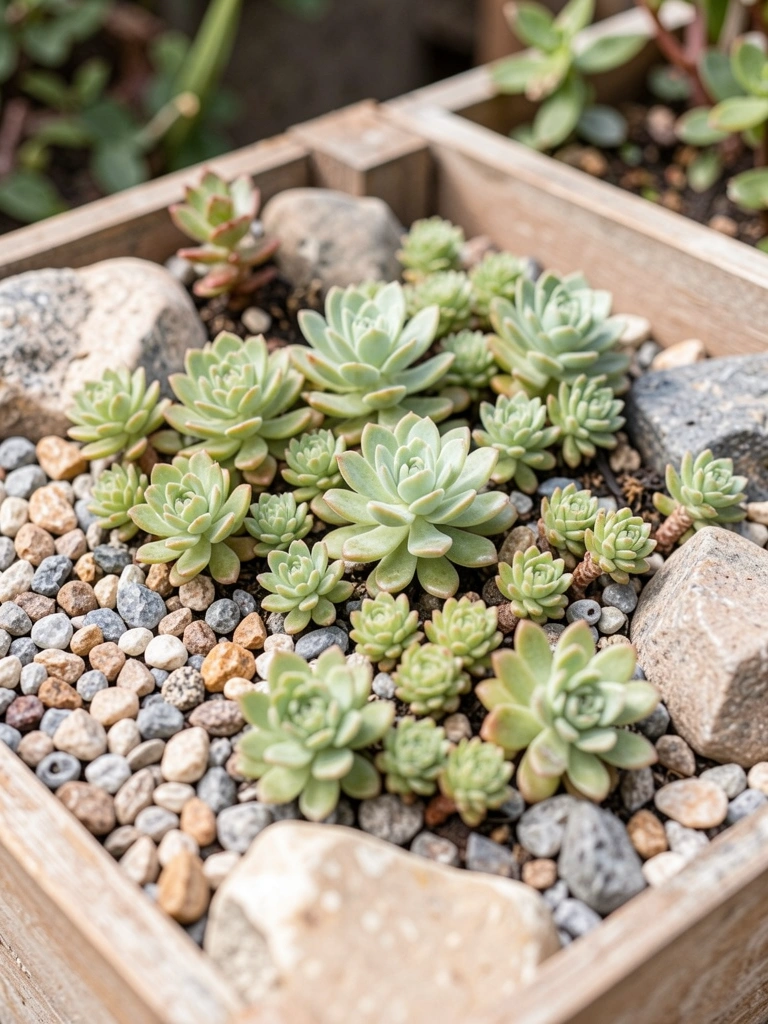
Succulents and sedum in gravelly 2×2 corner bed.
Drought-proof color. Rot from overwater; gravel drains.
Clean modern. Textures pop.
Morning sun.
What You’ll Need for This Look
17. Perennial Herb Border
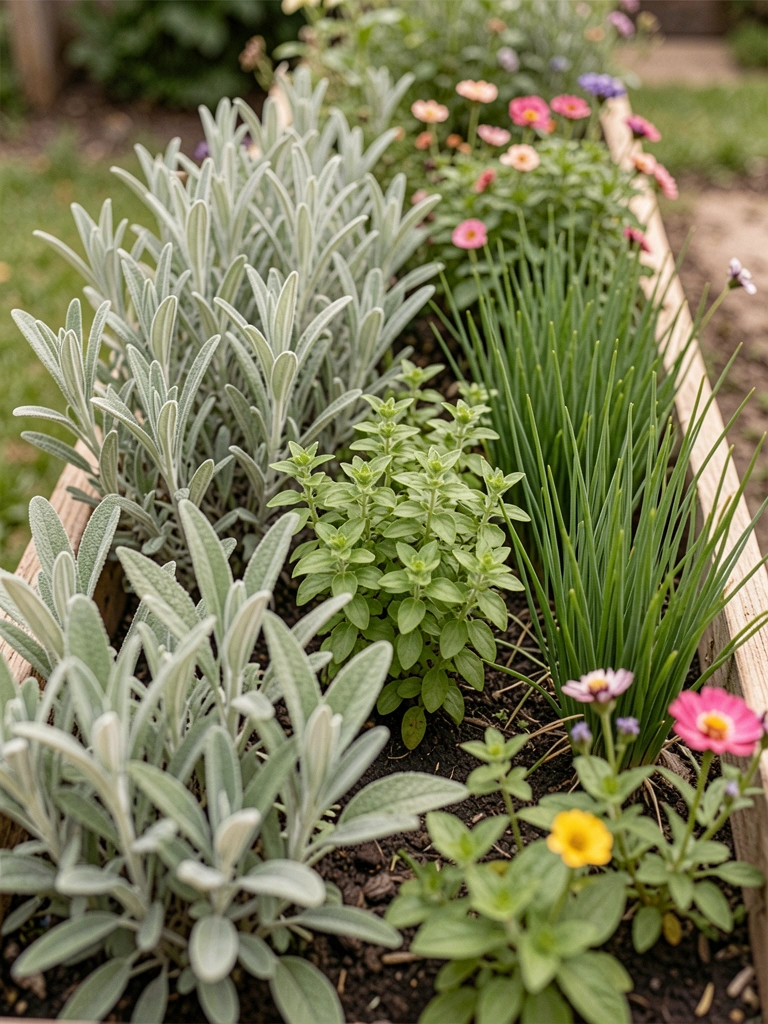
Perennial herbs in 1×6 border: sage back, oregano front.
Years of cuts. Chives spread; divide now.
Reliable green. Comfortable.
Winter mulch.
What You’ll Need for This Look
18. Tomato Tower Focus
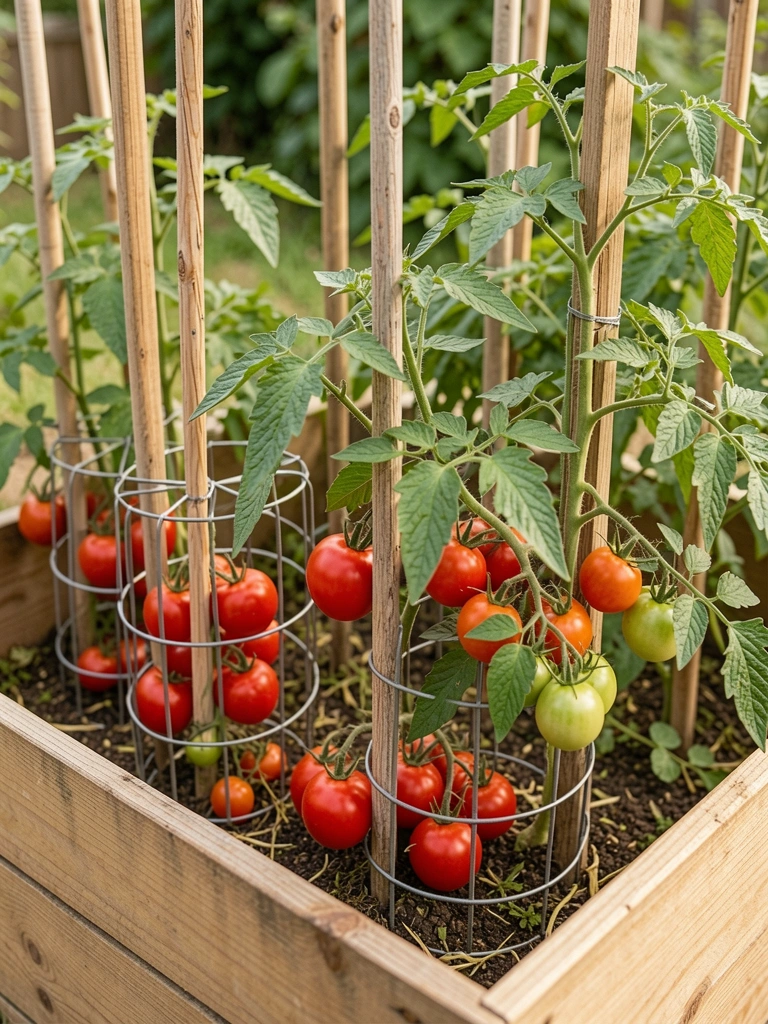
Determinate tomatoes in cages across 3×3.
Bumper crop. Blight hit indeterminates; these resist.
Juicy focus. Summer star.
Prune suckers.
What You’ll Need for This Look
19. Bean Pole Archway
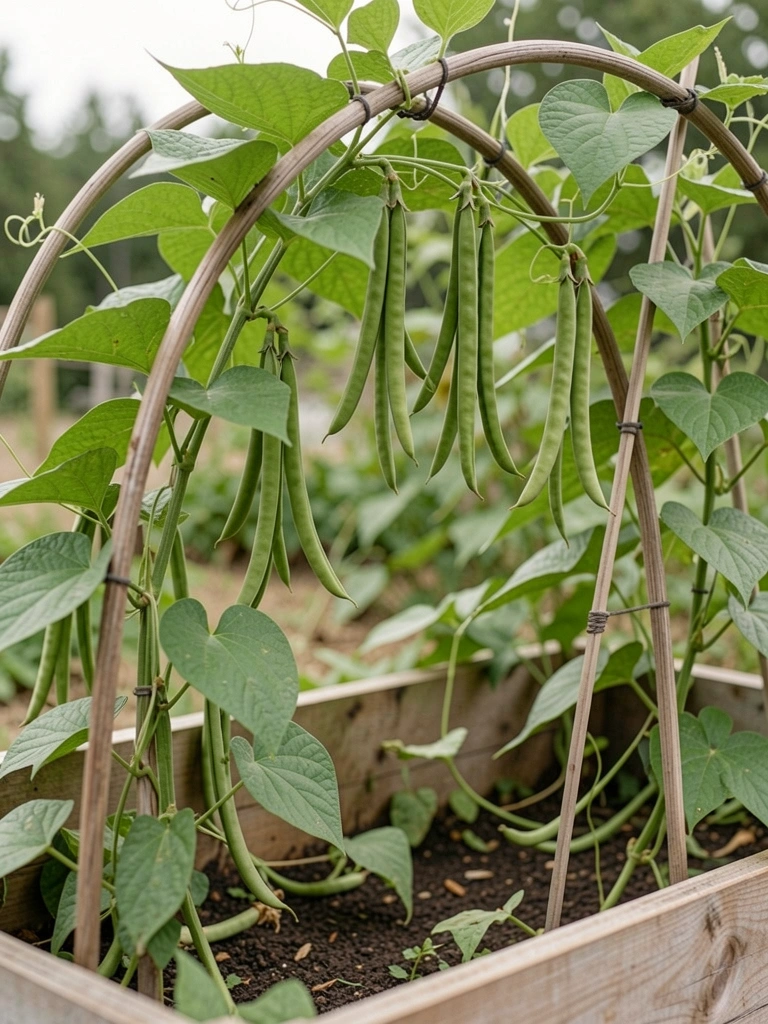
Poles arched over 4-foot bed for scarlet runners.
Tunnel of beans—fun pick. Poles slipped; wired bases.
Playful green. Abundant.
Full sun soak.
What You’ll Need for This Look
20. Carrot and Radish Layers
I layered radishes shallow, carrots deep in 3×3. Radishes ready first, loosen soil for carrots.
Quick wins, then keepers. Radishes bolted early; succession plant.
Layered ease. Fresh crunch.
Thin ruthless.
What You’ll Need for This Look
21. Low-Maintenance Evergreen Edge
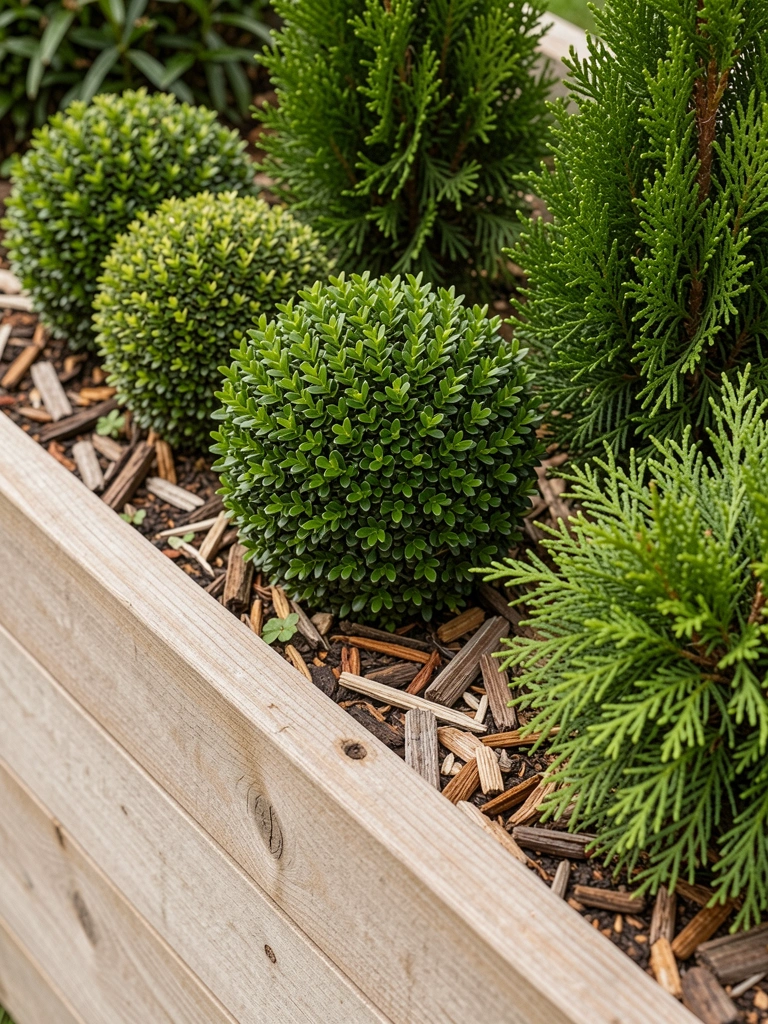
Dwarf evergreens along 2×8 edge: boxwood trimmed light.
Year-round structure. One browned; better drainage.
Simple frame. Lived-in polish.
Shear spring.
What You’ll Need for This Look
Final Thoughts
Pick one layout that fits your sun and space. Start small—mine did. Watch, tweak, enjoy the greens.
No need for all 21. One good bed feeds body and yard.
You've got this. Plant it real.