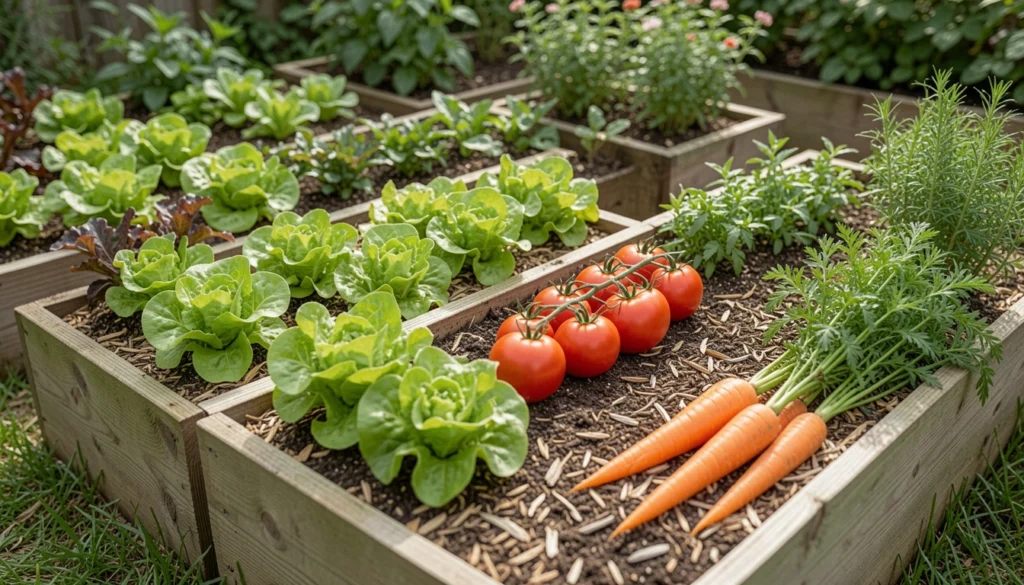
I built my first raised bed on a whim, back when my yard was just patchy grass. Everything drowned that spring because I skipped drainage. But tweaking the layout fixed it—plants thrived, harvesting felt easy.
Now, years in, I've settled on setups that fit real life: small spaces, busy weeks, surprise growth spurts.
These designs come from beds I've dug, filled, and watched fail or flourish. You can copy them straight away.
7 Raised Garden Bed Layout Designs for Beginners
Here are 7 raised garden bed layout designs for beginners that I've tested in my own yard. They're simple, forgiving, and deliver real food. Each one includes exactly what worked, plus my shopping list.
1. Straight Rows for Quick Veggie Picks
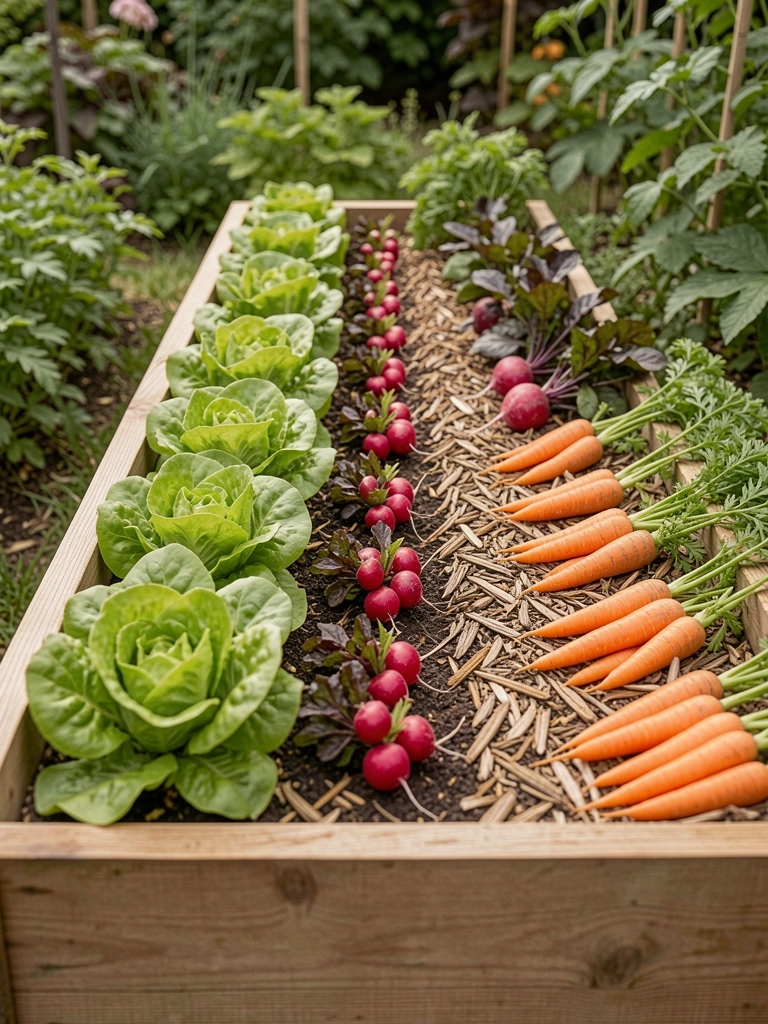
I laid out my beds in straight rows first because my back couldn't bend forever. Tomatoes at the north end got full sun, then bush beans, lettuce in front. It felt orderly, like walking a grocery aisle.
One summer, carrots bolted early from crowding—I spaced them 3 inches apart after that. Now, pulling dinner takes seconds, no knees in dirt.
The rows make weeding a breeze with a hoe. In my 4×8 bed, I fit three rows wide, paths between for boots.
Watch sun patterns; shade from fences kills edge plants. This setup calmed my chaos into calm abundance.
What You’ll Need for This Look
- Cedar raised garden bed kit (4×8 feet)
- Garden hoe with long handle
- Carrot seeds (Danvers variety)
- Straw mulch bales
2. Square Foot Grid for Fitting It All
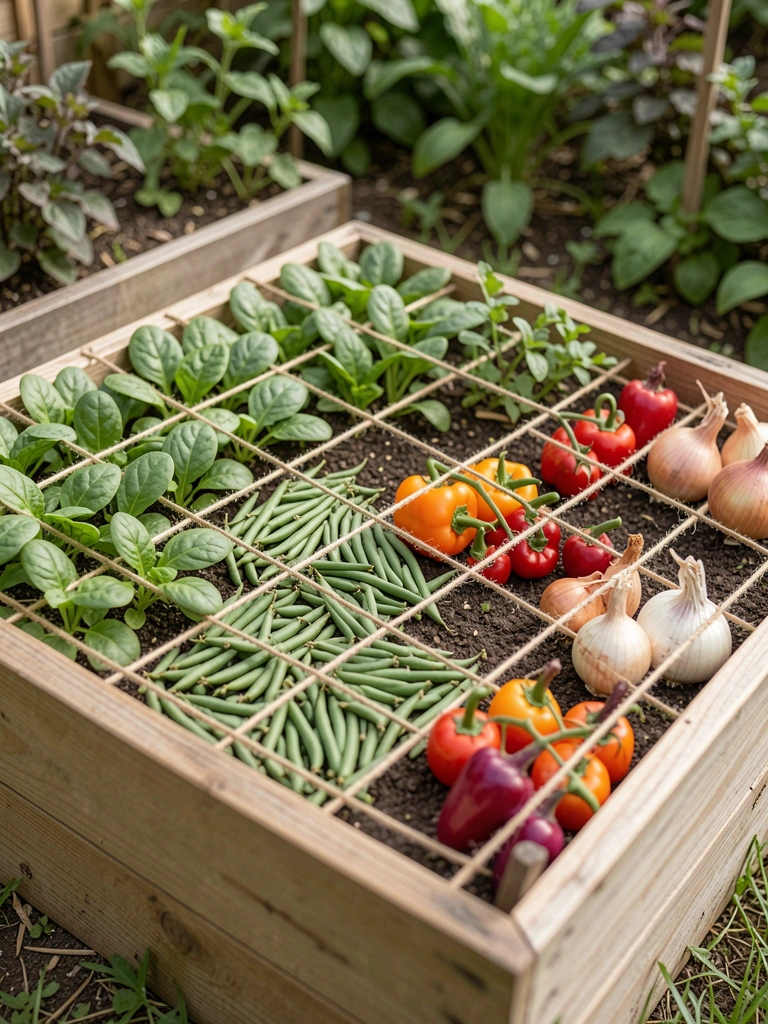
My tiny side yard needed max output, so I gridded a 4×4 bed into 1-foot squares. One tomato per four squares in back, nine spinach up front. It packed in more than rows ever did.
I learned the hard way—overplanted broccoli took over. Now I stick to Mel Bartholomew's counts: four bush beans per square.
Visually, it looks intentional, like quilt blocks greening up. Harvest rotates easy, no bare spots.
String or sticks mark lines; they fade but guide newbies. This turned my patch into a full salad bar.
What You’ll Need for This Look
- 4×4 raised garden bed in galvanized steel
- Garden twine spool (natural)
- Spinach seeds (Bloomsdale long standing)
- Bush bean seeds (Provider)
3. Companion Circles Around Tomatoes
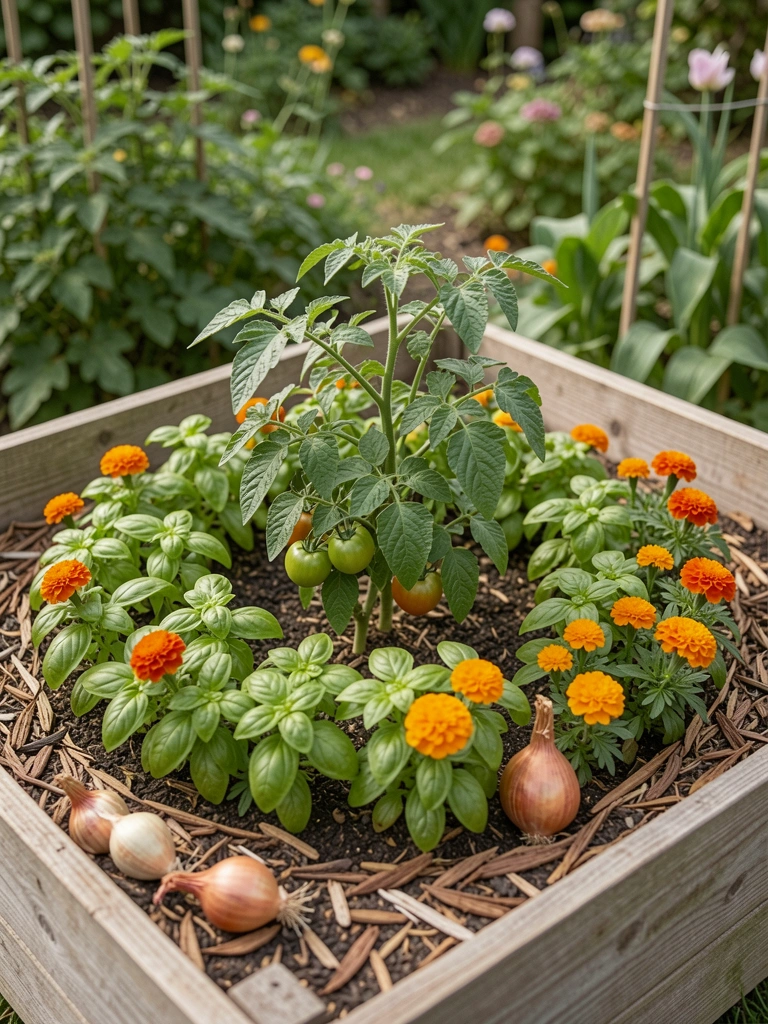
Tomatoes alone got hornworms bad, so I circled them with basil and marigolds in a 4×4 bed. Onions at edges. Pests dropped; plants stood taller, air smelled herby.
Planted too many companions once—basil shaded tomatoes. Trimmed back, yields doubled.
It feels cozy, like a hug of greens. Flowers pull bees right to fruit.
Group tall in middle, low around. This layout saved my crop without sprays.
What You’ll Need for This Look
- Tomato plants (Cherry variety starters)
- Basil seeds (Genovese)
- Marigold seeds (French dwarf)
- Onion sets (red)
4. L-Shape Hugging the Corner
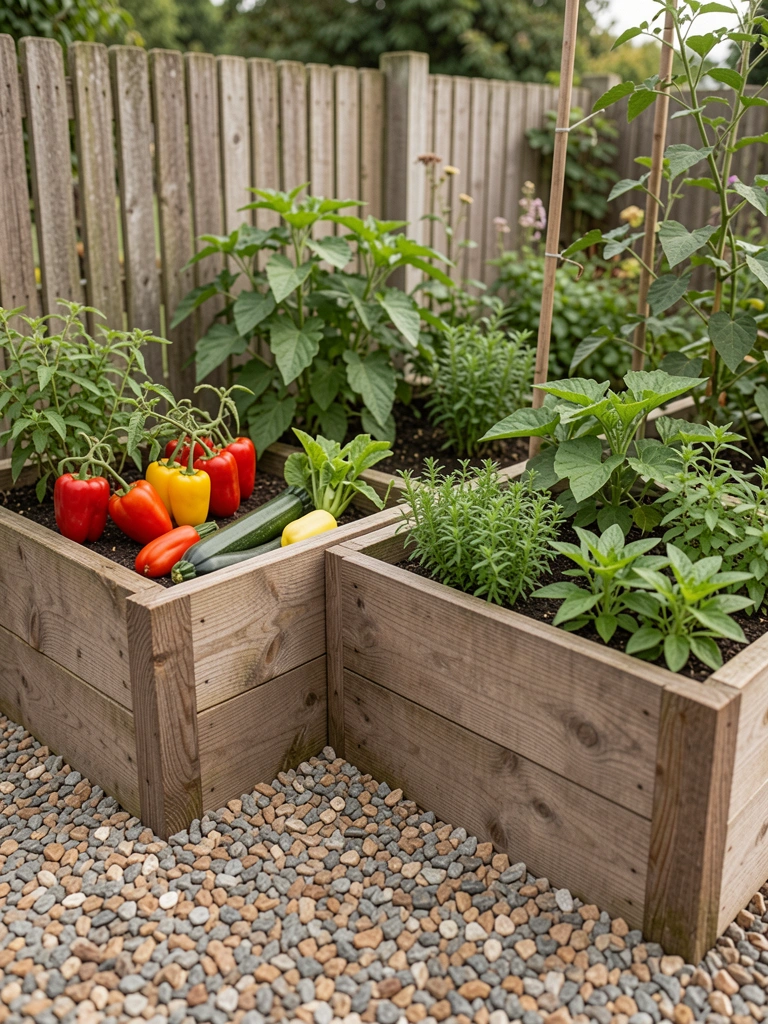
Corner space wasted until I hooked two beds into an L. Peppers in the crook got shelter, zucchini sprawled out back. Herbs lined the fence side.
Zucchini vines escaped once, smothered paths. Now I pick compact varieties.
The angle makes reaching simple, feels tucked away and private.
Build snug to walls for wind break. My yields feel generous here.
What You’ll Need for This Look
- Raised garden bed corner kit (L-shape cedar)
- Compact zucchini seeds (Raven)
- Bell pepper plants (California Wonder)
- Hand trowel set (ergonomic)
5. Middle Path for No-Reach Strains
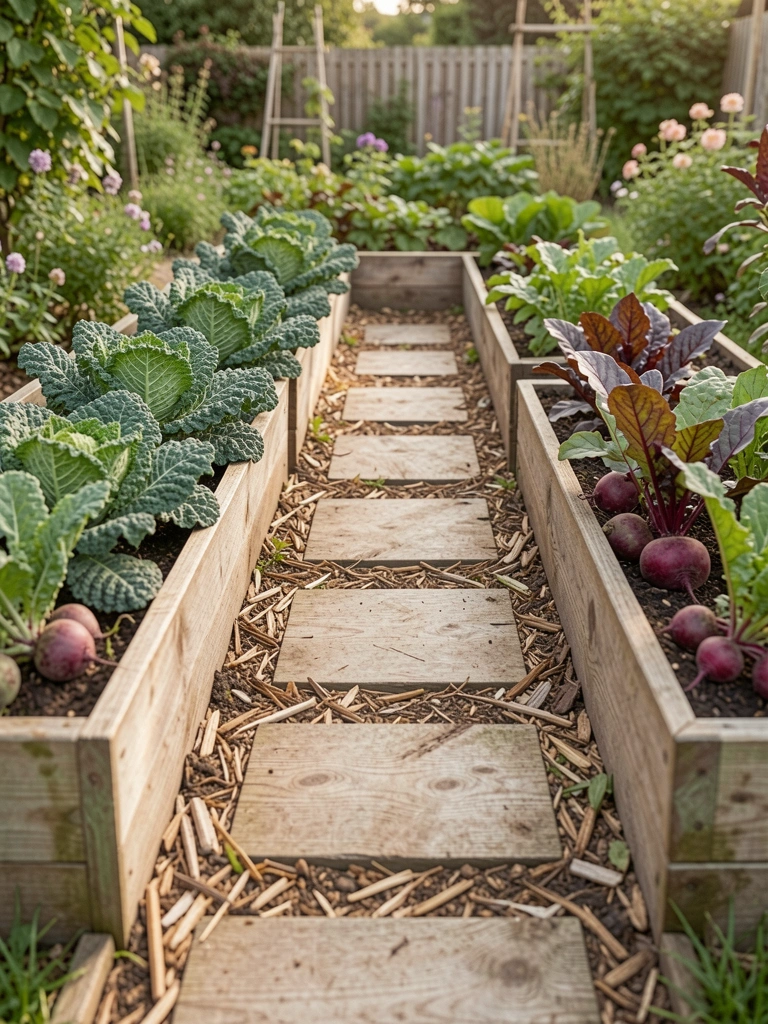
Wide beds frustrated me—back plants stayed hidden. Split a 4-foot wide one with a 18-inch mulch path down middle. Kale left, beets right. Everything reachable.
Overwatered center once, rotted roots. Mulch soaks it up now.
Feels open, easy to kneel and tend. Sun hits both sides even.
Keep path firm for wheelbarrows. Harvests flow smooth.
What You’ll Need for This Look
- Extra wide raised garden bed (4×8 feet)
- Mulch mat rolls (weed barrier)
- Kale seeds (Lacinato)
- Beet seeds (Detroit Dark Red)
6. Stacked Tiers for Tight Spots
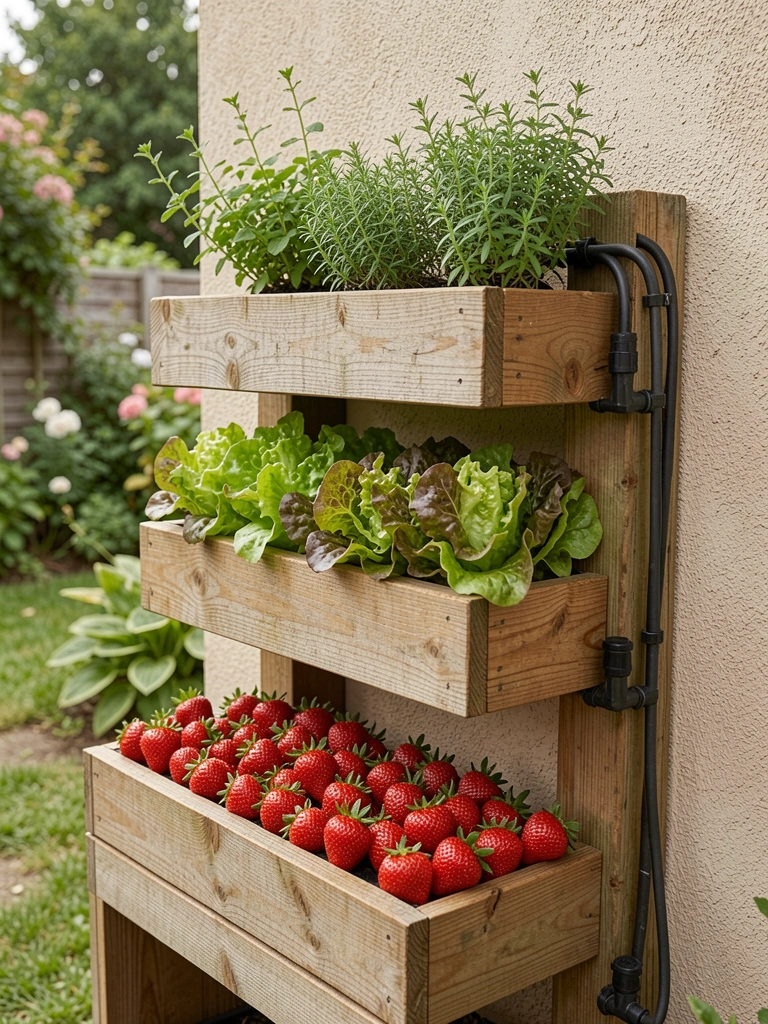
Patio edge had no room, so I stacked three 2-foot tiers. Strawberries low for shade tolerance, lettuce mid, herbs high. Saved floor space, looked built-in.
Top tier dried fast first year—added drip now. Layers green at eye level.
Feels modern yet cozy, like shelves of food.
Anchor to walls sturdy. This squeezes abundance from nothing.
What You’ll Need for This Look
- Stacked raised garden bed kit (3-tier cedar)
- Drip irrigation kit (starter)
- Strawberry plants (Everbearing)
- Lettuce mix seeds
7. Zigzag Pollinator Strips
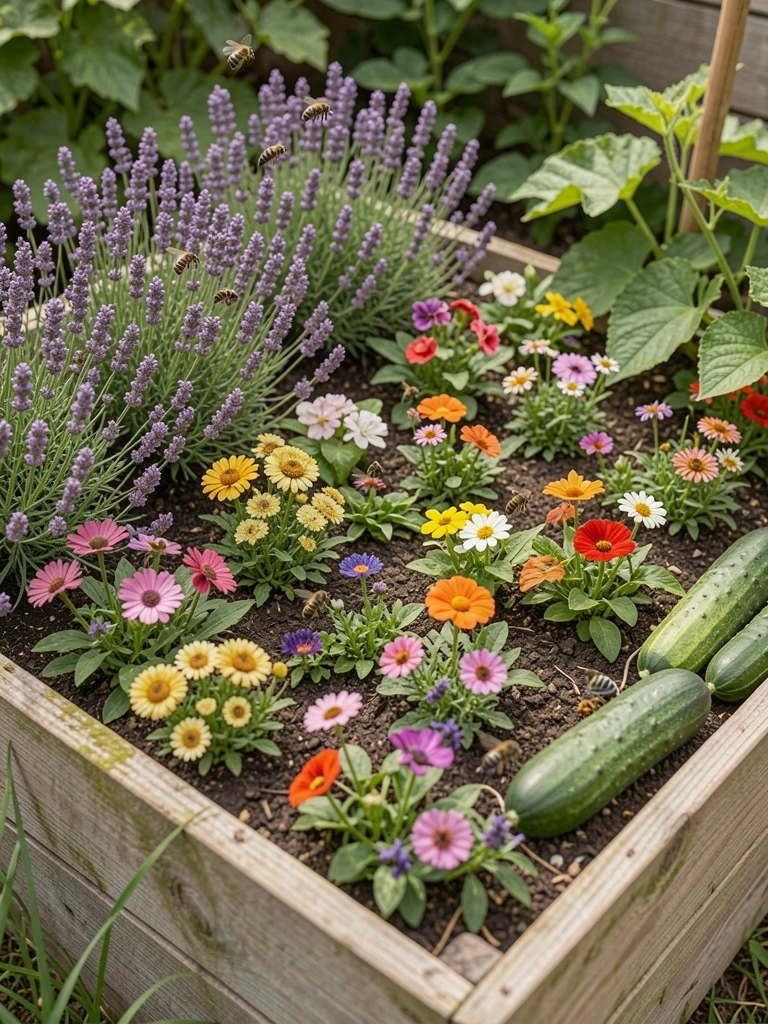
Veggies lacked fruit set until zigzag flower strips: lavender, cosmos between cukes and squash. Bees showed up daily, yields jumped.
Flowers spread too wild once—keep 6-inch wide. Now it's balanced.
The zigzags add color, make beds feel alive and welcoming.
Plant natives for locals. Pollinators made my garden hum.
What You’ll Need for This Look
- Pollinator seed mix (native wildflowers)
- Lavender plants (English)
- Cucumber seeds (Marketmore)
- Cosmos seeds (Sensation mix)
Final Thoughts
Pick one design that fits your spot and start small. My beds evolved over mistakes, yours will too.
No need for all seven—just one good layout builds confidence.
You'll eat from it soon, dirt under nails and all. Get out there.