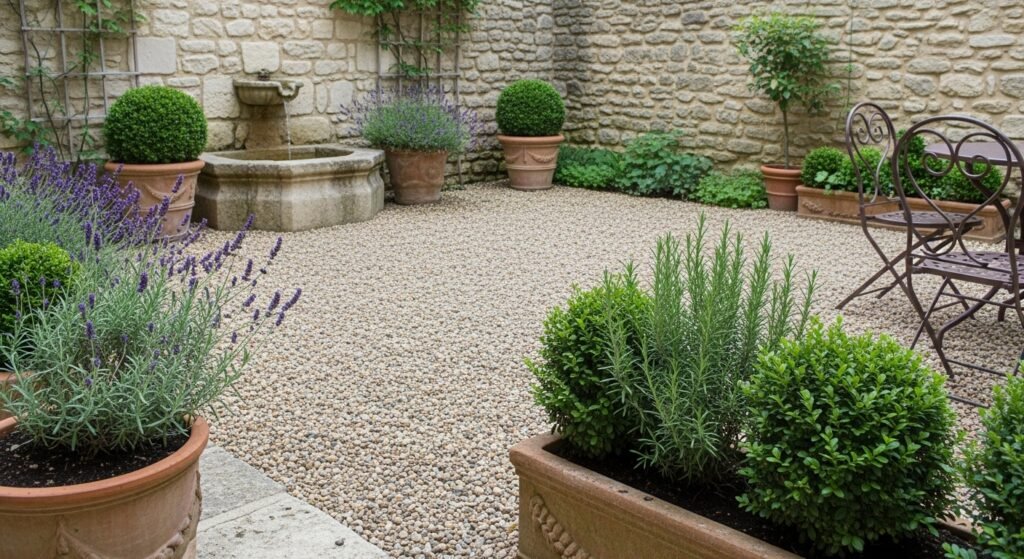
I kept thinking a courtyard had to be perfect. Mine never was.
A broken pot. A shrub that sulked. Mud in spring.
I learned what actually looks and feels French. It’s simple, worn, and welcoming.
27 Creative French Courtyard Landscaping Ideas That Wow Visitors
These 27 ideas are hands-on and honest.
They’re the looks I’ve used and repaired.
You’ll get real-feel ideas that you can copy, one by one.
1. Layered Container Planting That Makes a Patio Feel Full
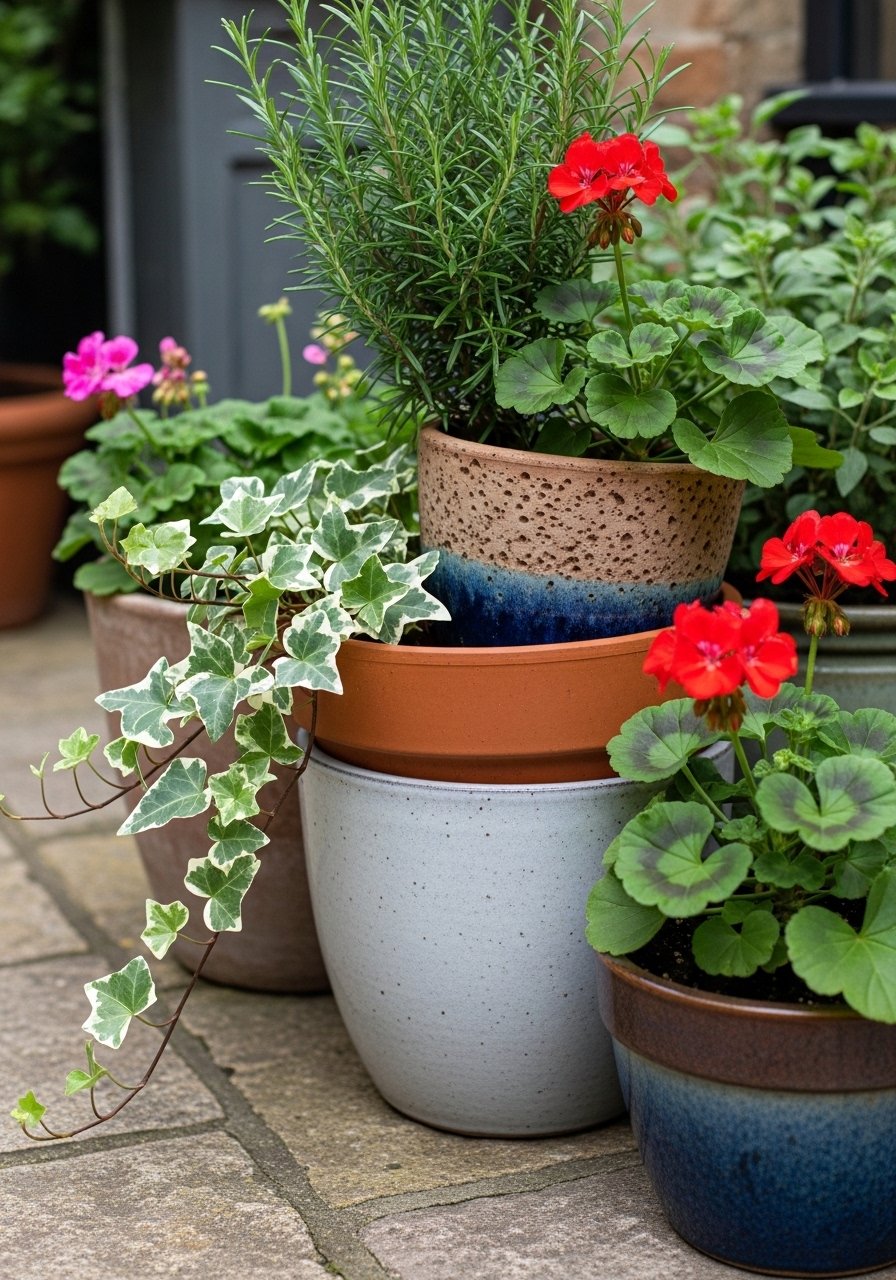
I planted a stack of pots on my patio and it changed the whole corner. Tall rosemary at the back, mid-height lavender, and trailing ivy softened the edges. It looked full without fuss.
At first I overcrowded the smallest pot. Lesson—leave space for roots and movement. The mix of heights hides plain walls and makes the space cozy.
Pair clay with one glazed pot for contrast. Rotate seasonal annuals in the top pot for color.
What You’ll Need for This Look
2. Gravel Courtyard with Stepping Stones and Moss
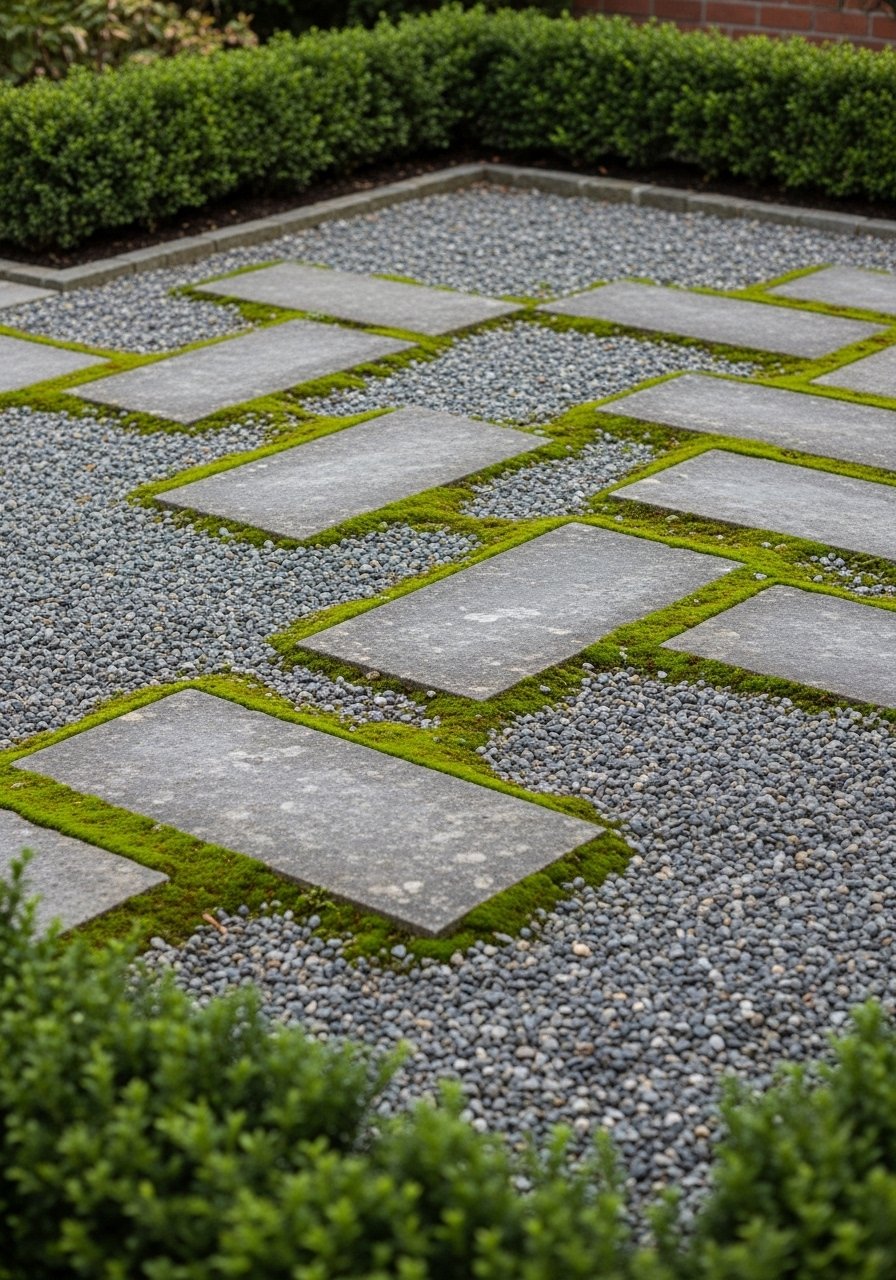
I switched to gravel because it drains and hides mud. Adding limestone stepping stones keeps paths clear and adds that French, slightly worn look.
Moss pops in the joints and softens the hard edges. I let a bit of moss stay between stones; it makes the courtyard feel older. Mind the drainage—low spots collect puddles.
Rake gravel back in spring and top up as needed. It’s a low-effort look that ages well.
What You’ll Need for This Look
3. Wrought-Iron Bistro Nook with Clipped Boxwood
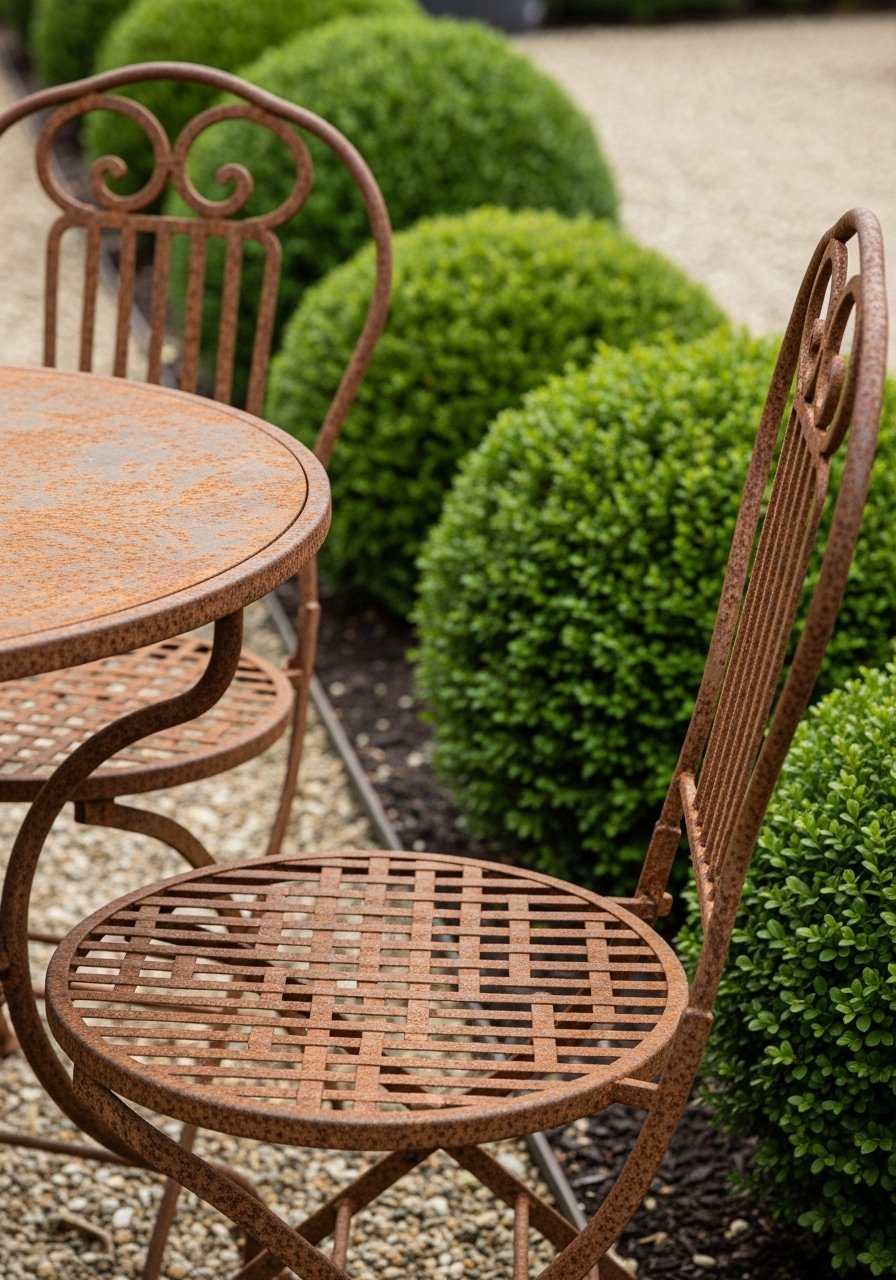
I bought a delicate wrought-iron bistro set for mornings. It feels French even when the table is scuffed. Clipped boxwood gives structure and a formal touch that balances the casual chairs.
I once planted boxwood too close to a wall and it never grew well. Space matters. Give a little breathing room and prune lightly in early summer.
Add a small cushion for comfort. The seating corner becomes the most used spot in my courtyard.
What You’ll Need for This Look
4. Central Stone Fountain for Quiet Sound and Focus
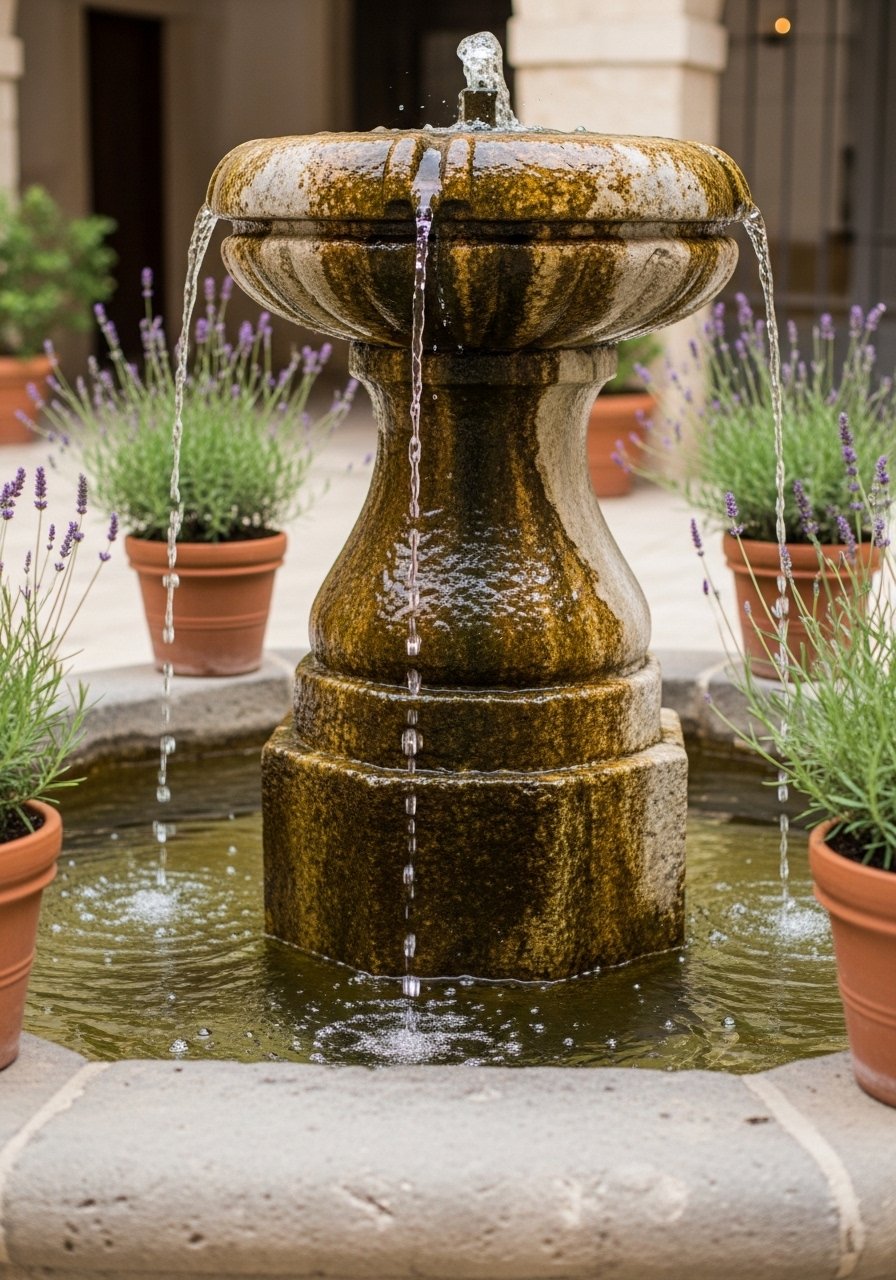
I added a shallow stone fountain to mask street noise. The sound is gentle and pulls the courtyard together visually.
Installation was harder than I thought; the pump needed adjusting. Once tuned, it runs quietly. Algae shows up with warm weather, so I clean it regularly.
Place low plantings around the base so the fountain remains the focal point. It makes a simple courtyard feel lived-in and calm.
What You’ll Need for This Look
5. Olive Tree in a Large Urn for Vertical Interest
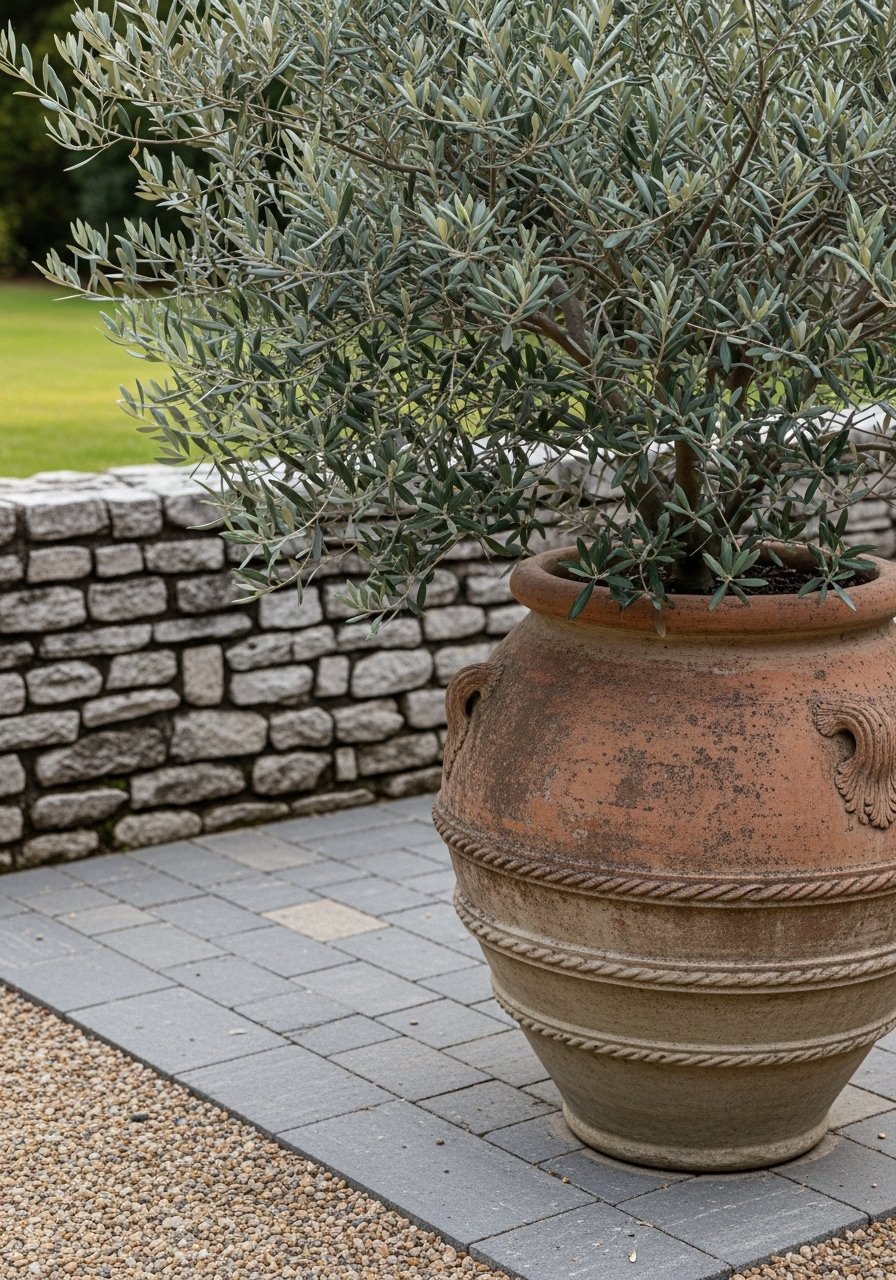
I planted an olive in a large urn and instantly got height and sculptural form. The leaves are soft and the trunk looks good year-round.
I misjudged winter protection the first year and lost a smaller olive. Bigger urns and moving it to a sheltered spot saved the next one. Olives like sun and good drainage.
An olive feels like a quiet signature piece in a courtyard. Water sparingly once established.
What You’ll Need for This Look
6. Climbing Wisteria on a Low Pergola
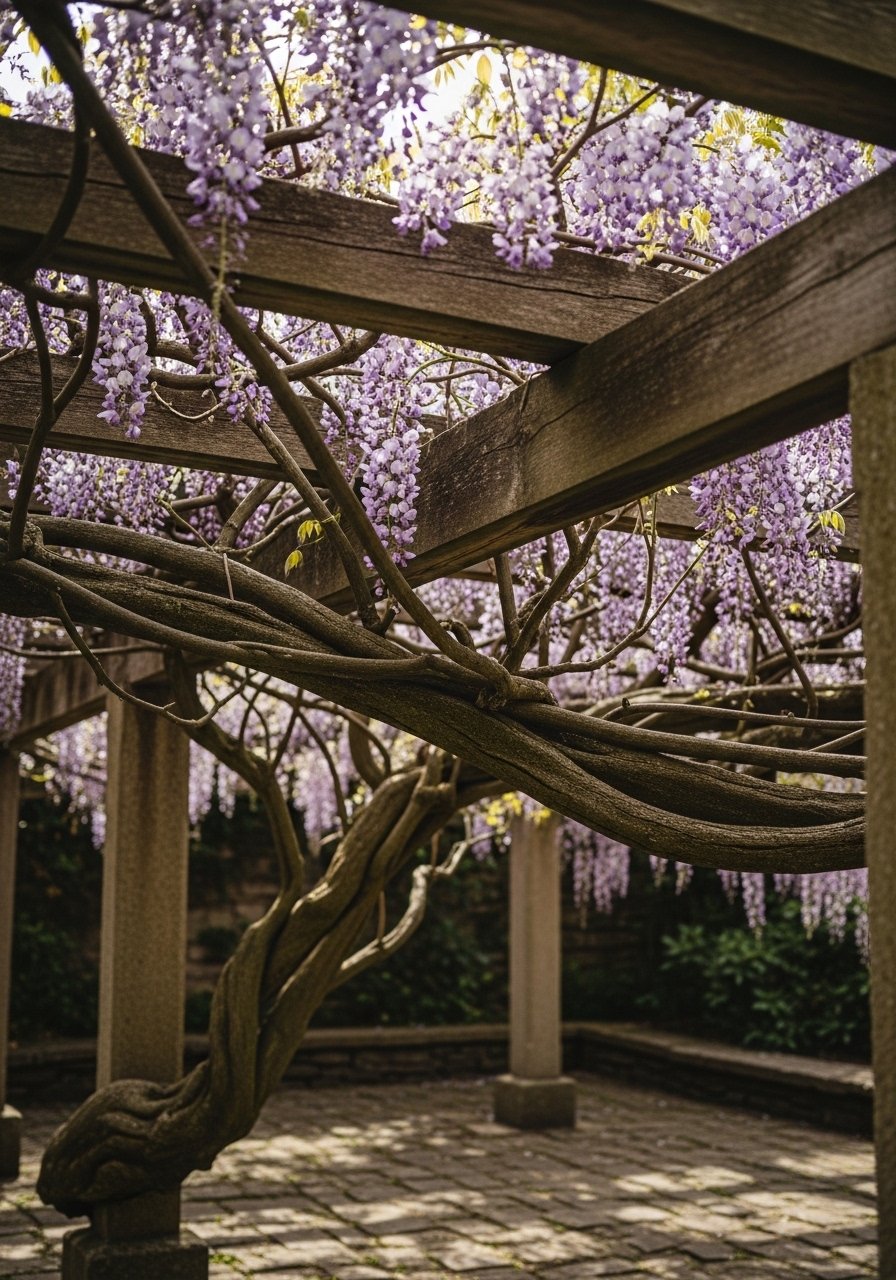
I trained wisteria over a low pergola at the courtyard entrance. In spring the blooms lean over and drop petals on the path. It feels intimate and a touch wild.
Wisteria can be aggressive. I tied new shoots and pruned yearly to keep it from taking over. If you don’t prune, it will smother nearby plants.
Let it ramble where you want shade and fragrance. A low pergola keeps the scale human.
What You’ll Need for This Look
7. Enclosed Herb Garden with Zinc Troughs
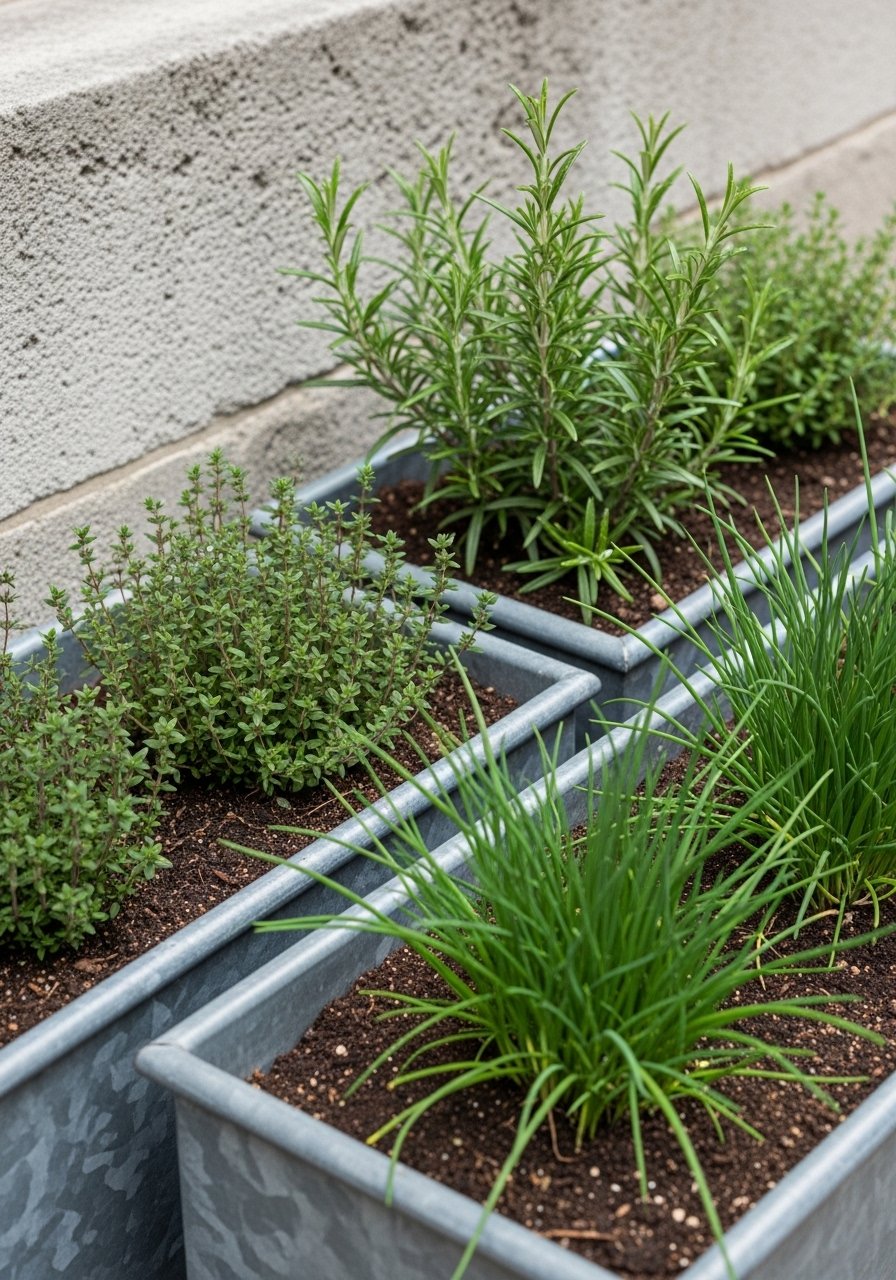
I lined up zinc troughs along a sunny wall and planted rosemary, thyme, basil, and chives. They smell amazing when I brush past. The metal ages well and looks French.
I once used a shallow trough and the roots crowded. Deep troughs worked much better. Watering is easier in a row and makes harvesting simple.
Keep herbs trimmed and use them fresh. The scent alone lifts the whole courtyard.
What You’ll Need for This Look
8. Patterned Tile Entry with Low Plantings
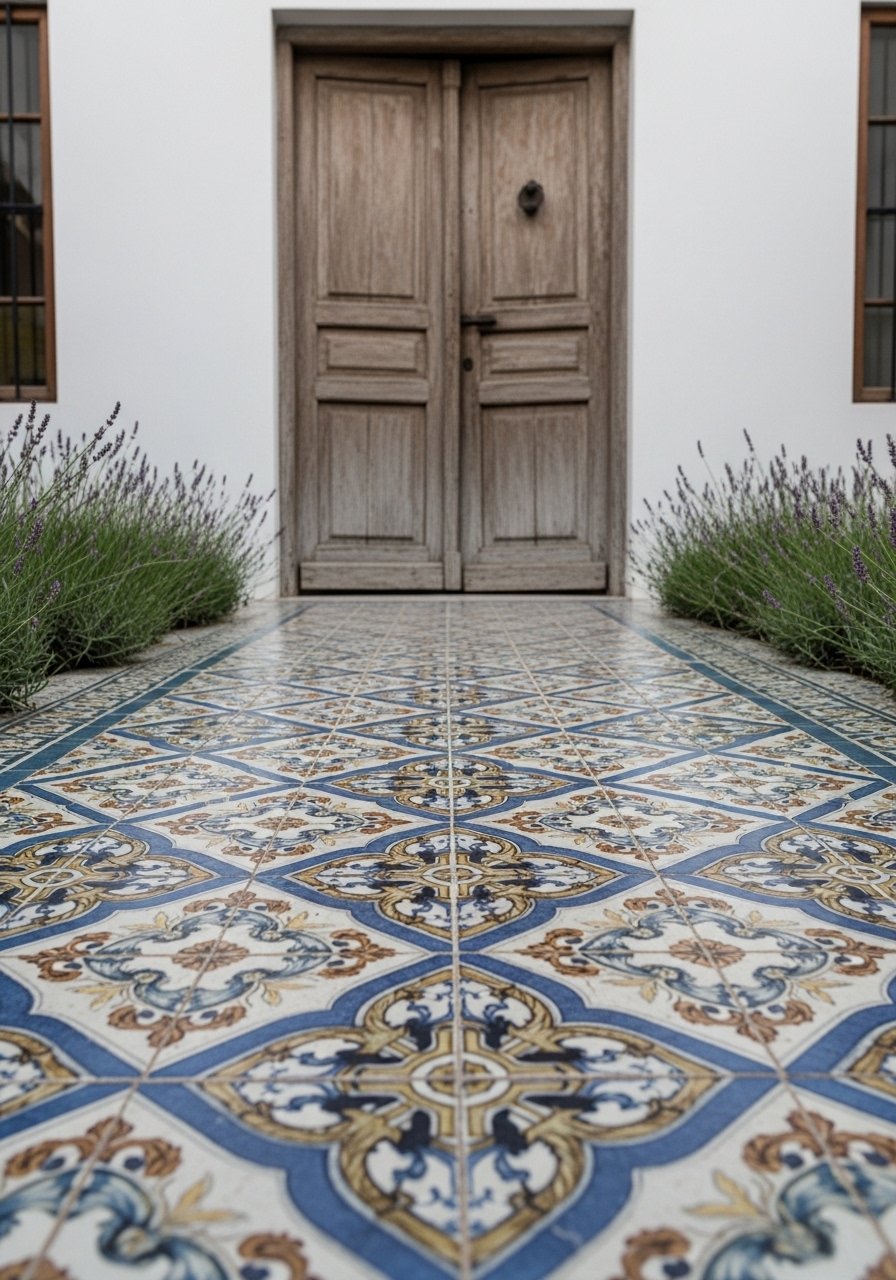
I tiled a small entry landing with encaustic-style tiles. The pattern adds character and reads like a small piece of art in the courtyard.
Tiles can be slippery when wet. I added low lavender edges to soften the look and provide grip. The plants warm the tiles and add scent.
Keep the planting low so the tile stays visible. It’s a statement that doesn’t ask for much care.
What You’ll Need for This Look
9. Mossy Stone Steps Leading to a Hidden Gate
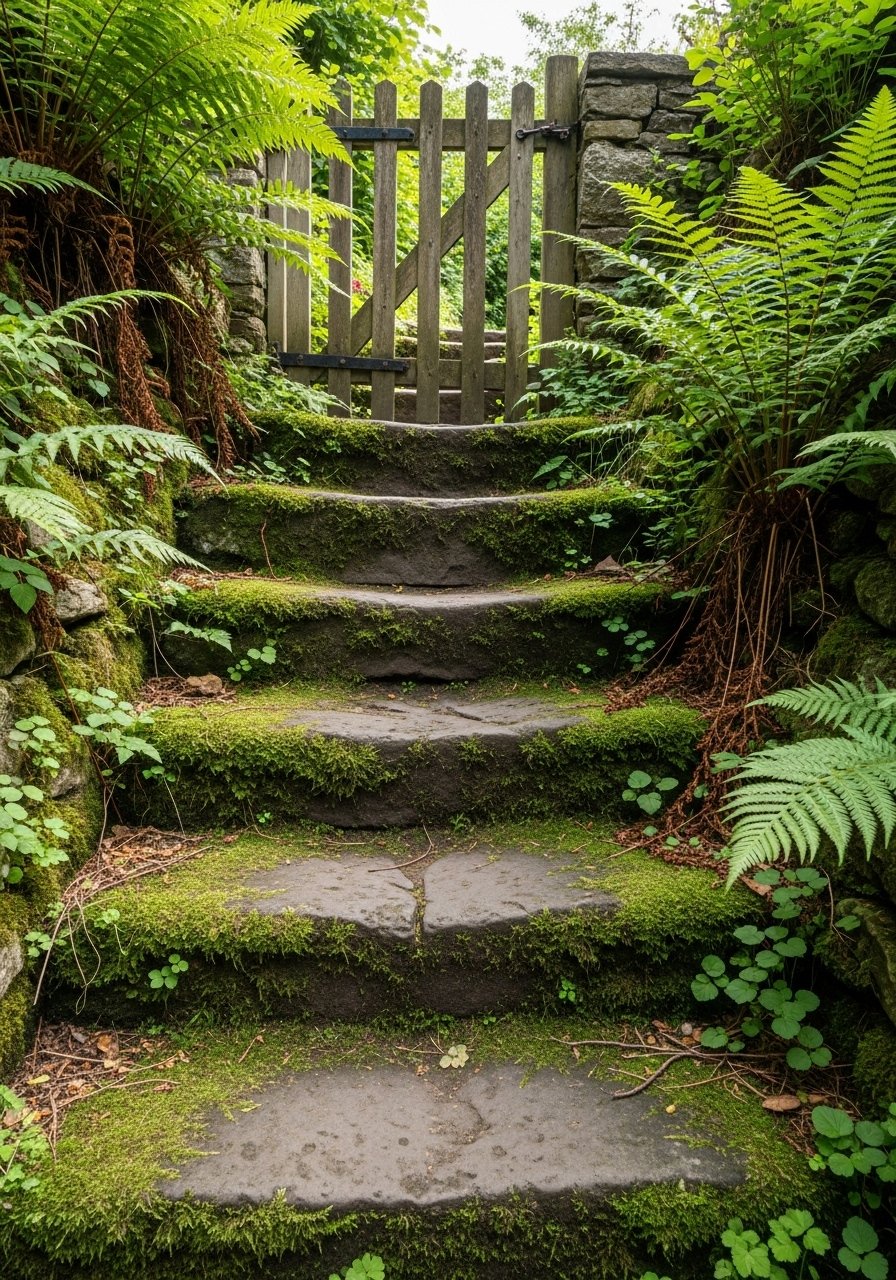
I left one path a little rough and mossy, and it became the most photographed corner. Moss on stone steps feels quiet and old.
I had to clean debris to let moss settle. Patience matters; moss grows slowly. Shade, moisture, and a slightly rough surface help it establish.
A hidden gate beyond those steps adds curiosity. It invites you to wander.
What You’ll Need for This Look
10. Espalier Fruit Trees Against a Warm Wall
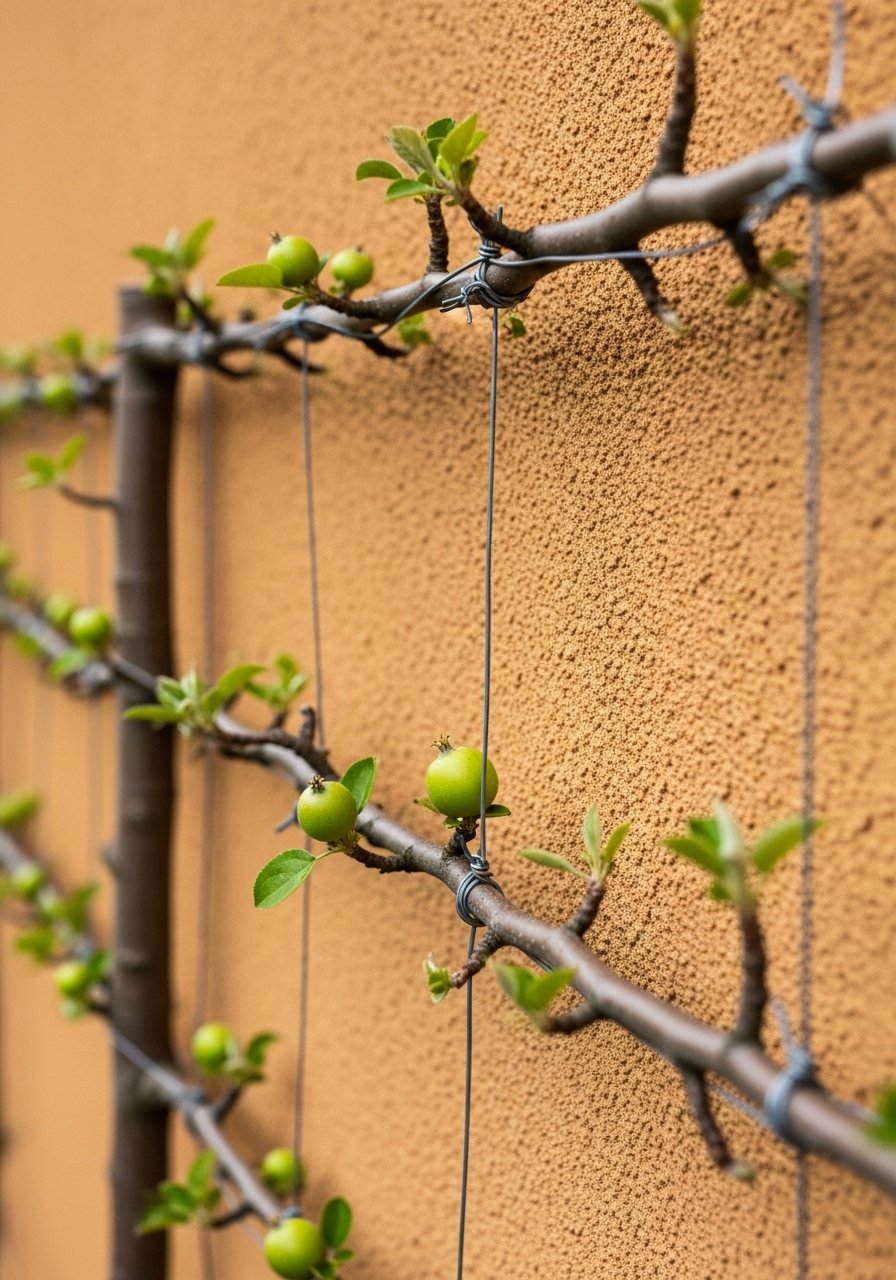
I trained apple trees flat against a sunny wall. They save space and give a neat, architectural look. Fruit ripens against radiant warmth from the wall.
Espalier takes time. My first attempts were messy until I learned to use simple ties and regular pruning. The reward is a tidy fruit crop and an elegant backdrop.
Choose dwarf rootstock for container spaces. The look is formal but friendly.
What You’ll Need for This Look
11. Rustic Bench with Climbing Roses Behind
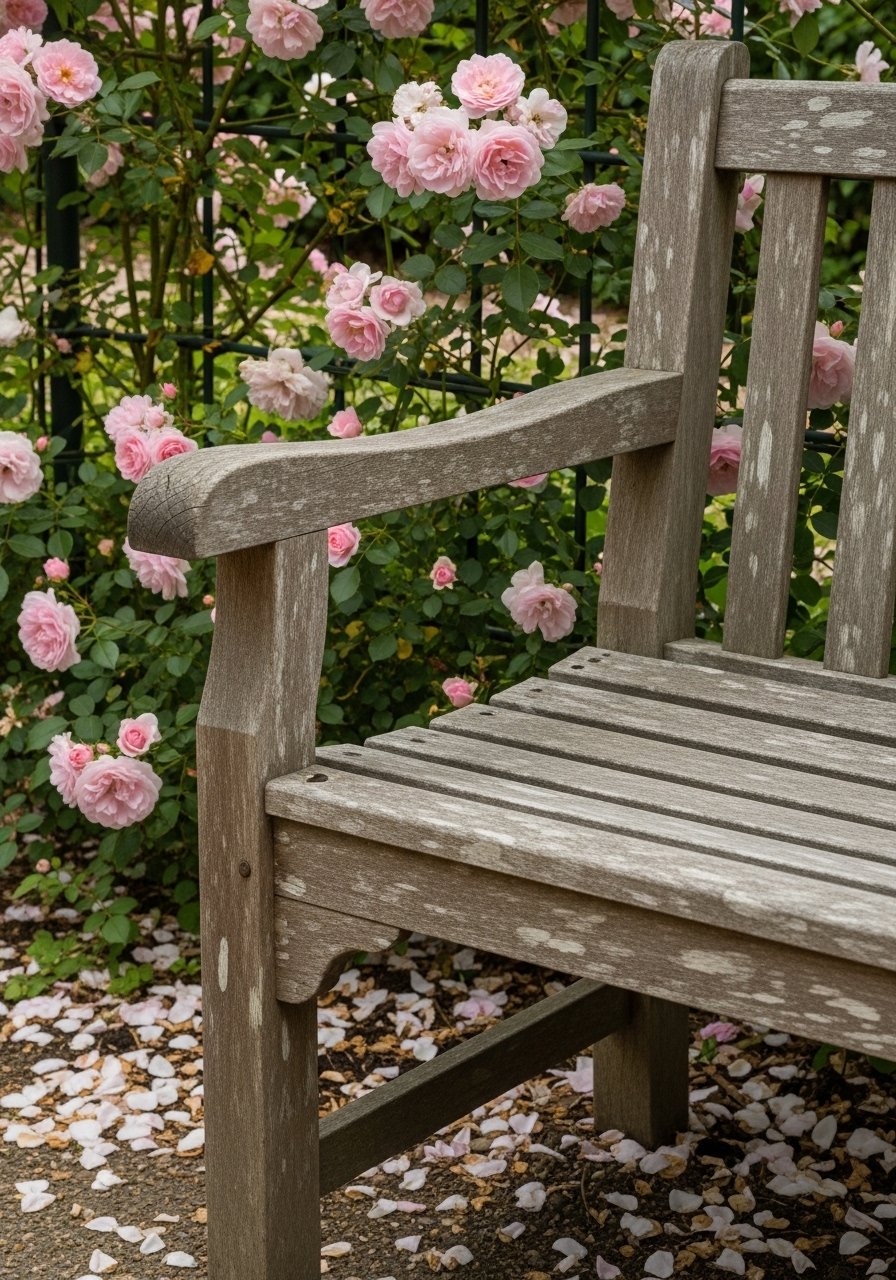
I placed an old wooden bench under a trellis of climbing roses. It’s my go-to reading spot. The scent and petals make the bench feel lived-in.
Roses needed support and yearly pruning. I learned that watering at the base prevents mildew. The bench gets draped in petals in late spring—messy but beautiful.
A small cushion and a side pot of geraniums finish the vignette.
What You’ll Need for This Look
12. Formal Parterre with Low Box Edging
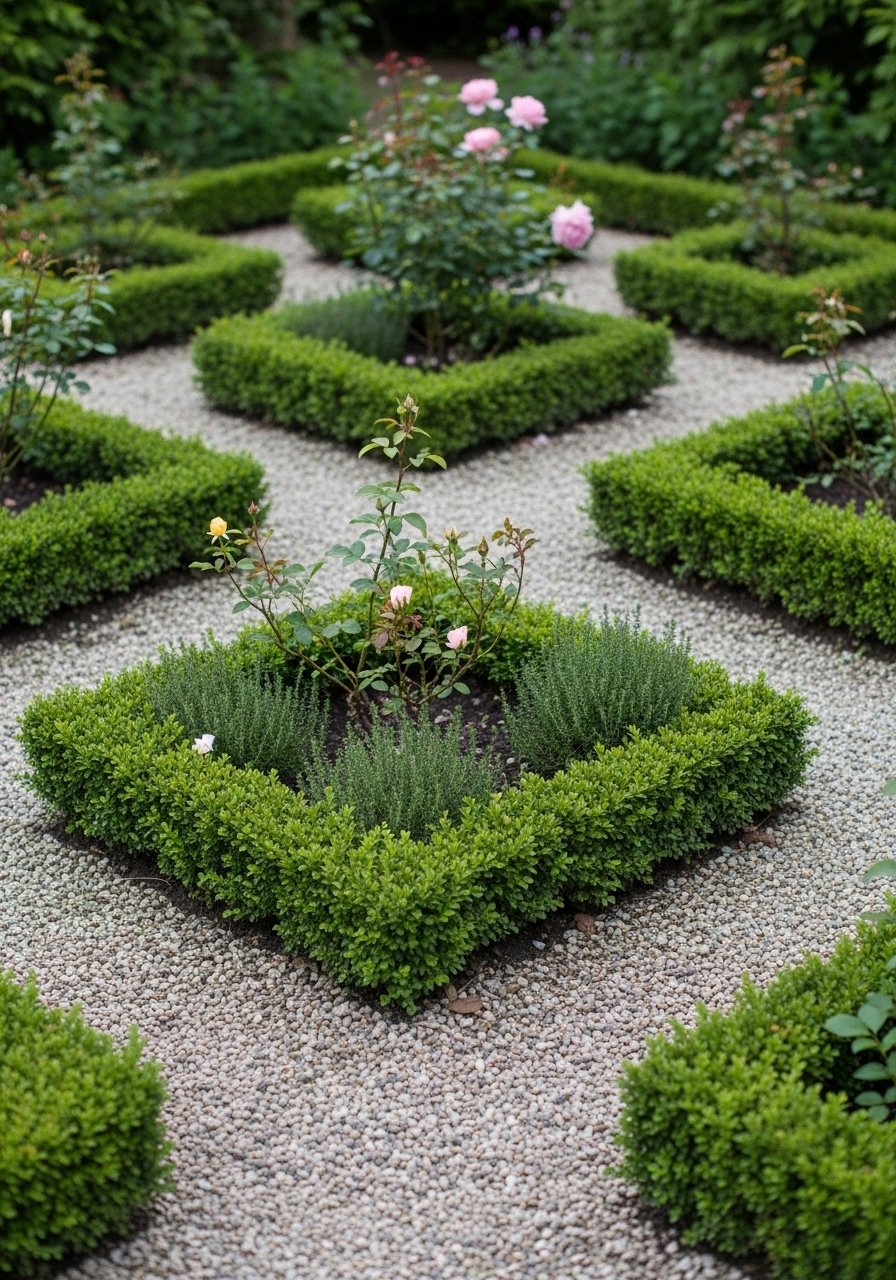
I carved a tiny parterre out of my courtyard with clipped boxwood and thyme fillings. It reads formal without being fussy. The geometry makes small space feel ordered.
I once planted something too tall in the center and the balance was gone. Stick to low, aromatic plants at the center for scale. Trim boxwood in spring to keep lines crisp.
A parterre needs a little pruning, but the payoff is a calm, classic look.
What You’ll Need for This Look
13. Rustic Zinc Sink as a Potting and Watering Station
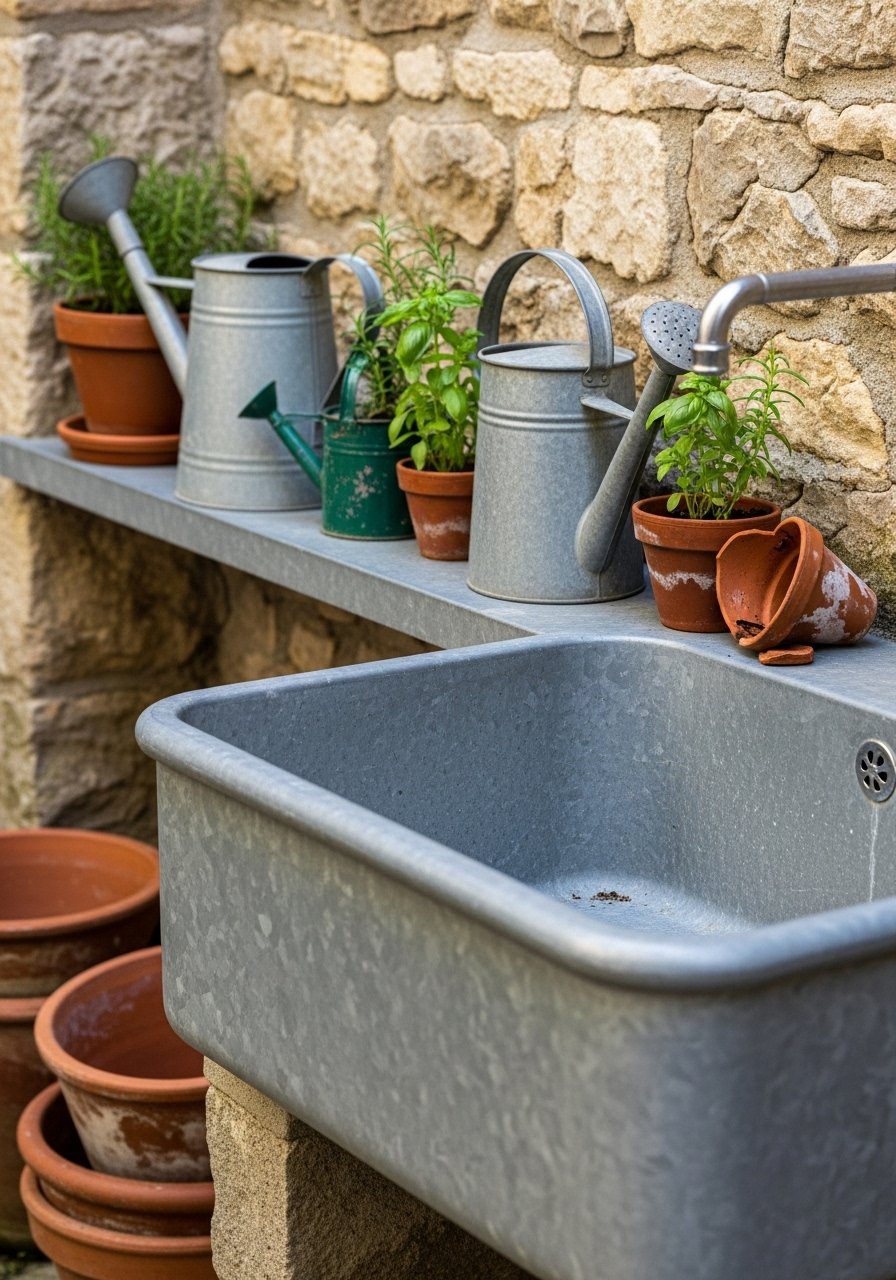
I installed a zinc sink near the door and it became my potting and watering hub. It’s practical and looks right at home with terracotta pots.
I once used a shallow basin that overflowed while watering. A deeper zinc sink gave me room to rinse pots and tools. It also ages to a soft patina that I like.
Keep a small shelf and a watering can nearby. It makes chores feel simple.
What You’ll Need for This Look
14. Low-Maintenance Mediterranean Plant Palette
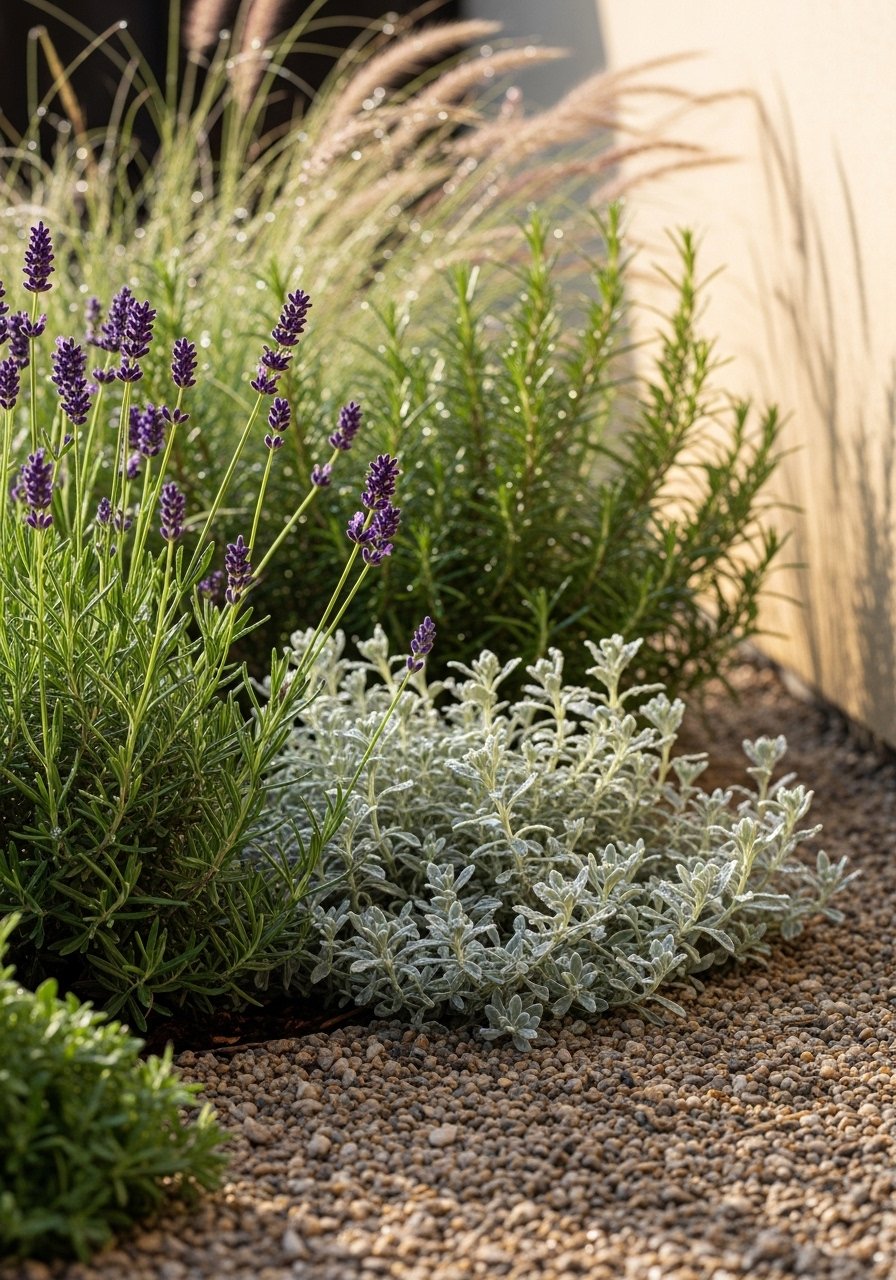
I leaned into Mediterranean plants—lavender, rosemary, santolina, and small grasses—for a courtyard that tolerates drought and heat.
At first I planted water-loving perennials and they struggled. Switching to drought-tolerant species saved me time and stress. These plants don’t need fuss, just good drainage and sun.
They look good year-round and smell wonderful when cut back lightly.
What You’ll Need for This Look
15. Weathered Stone Wall with Window Boxes
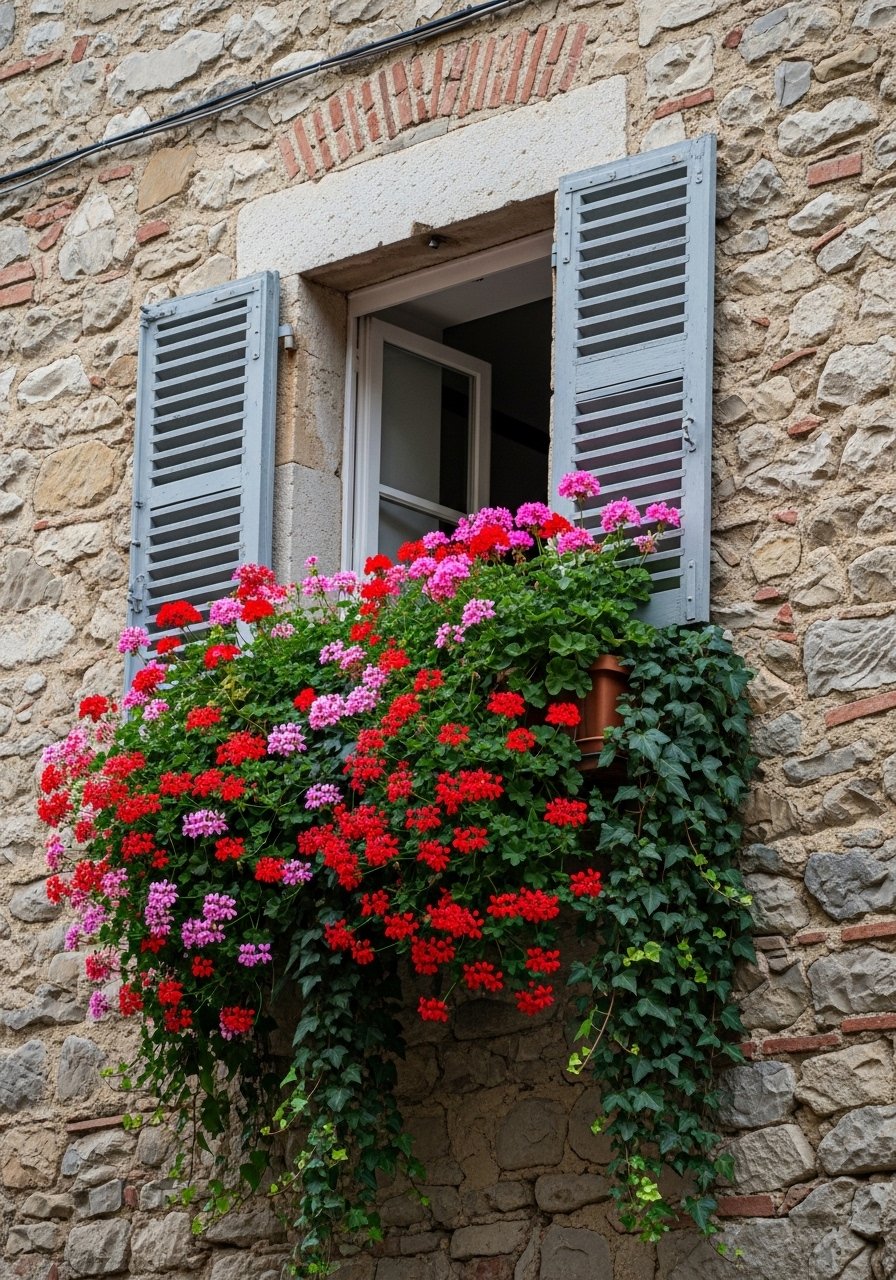
I hung wooden window boxes on a stone wall and filled them with bright geraniums and ivy. It made the facade sing and softened the hard surface.
I learned boxes need drainage and regular deadheading; otherwise plants look tired fast. I added a water-retaining layer and it helped. Choose trailing varieties to spill over the edge.
Window boxes are an easy way to add color without a big planting project.
What You’ll Need for This Look
16. Small Bistro with Patterned Cushions and Lanterns
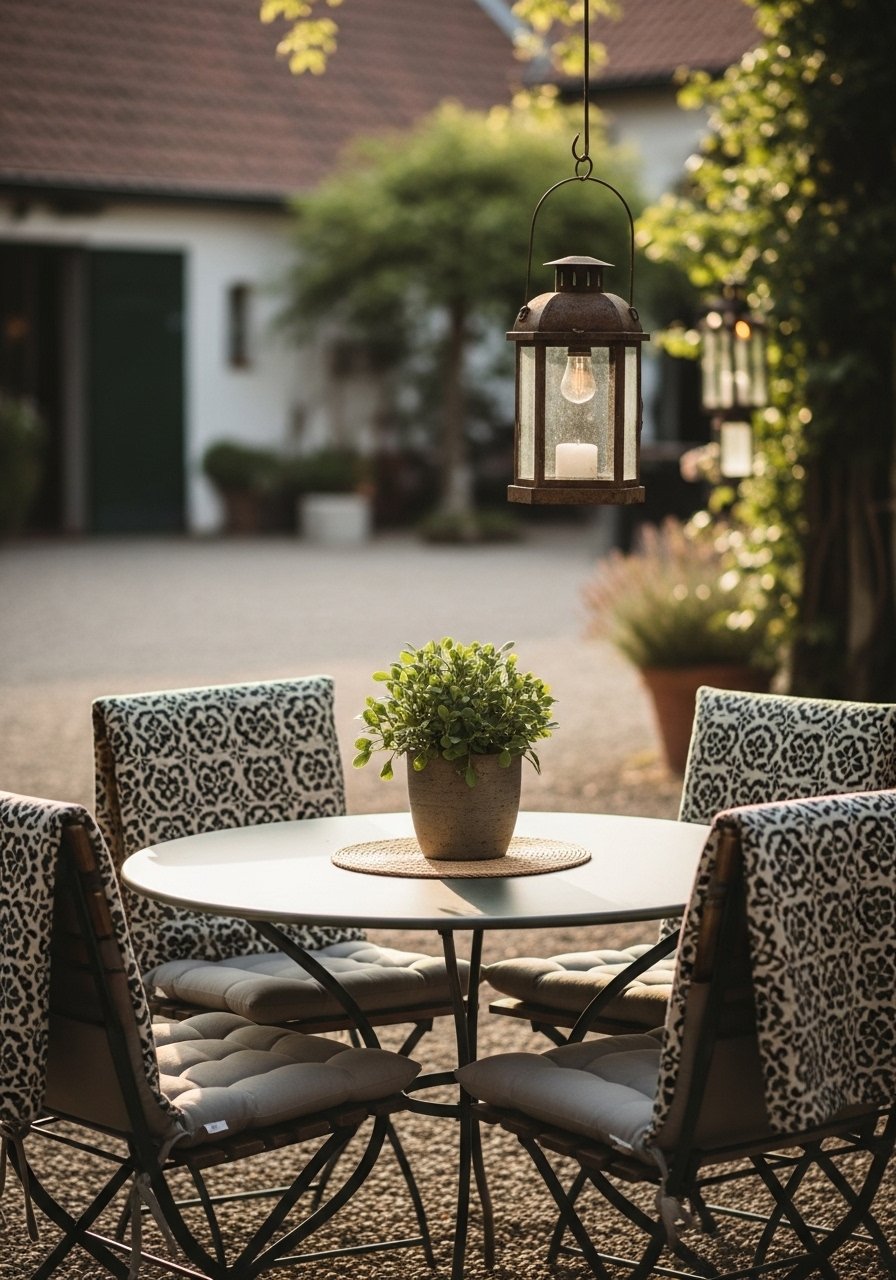
I added patterned cushions and lanterns to my bistro set and it suddenly felt like a room. The cushions bring color and the lanterns make evenings feel warm.
I used outdoor fabrics for longevity. A cheap cushion faded quickly before I learned to buy UV-resistant covers. Now they hold up and wash easily.
Lanterns on hooks or the table add soft light and atmosphere without needing hard wiring.
What You’ll Need for This Look
17. Gravel Mosaic Border with Reclaimed Tiles
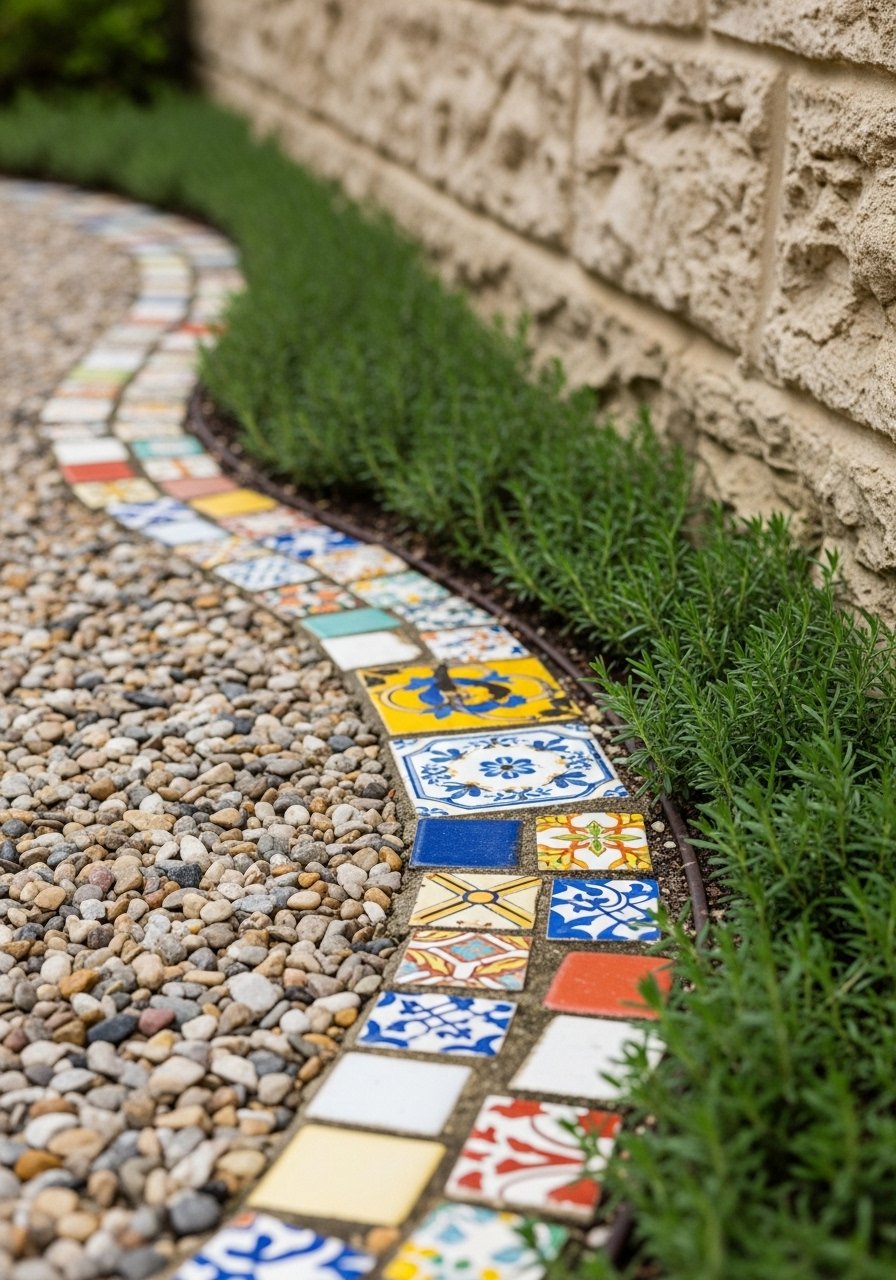
I inlaid a narrow mosaic band of reclaimed tiles into the gravel border. It’s a small detail that reads as intentional and handmade.
I nearly ruined the pattern by using inconsistent tile thickness. Plan tile depth carefully so the surface stays even. The mix of colors adds a crafted touch without fuss.
This is a cheap way to add personality to an otherwise plain edge.
What You’ll Need for This Look
18. Small Herb Spiral for Maximum Harvest in Little Space
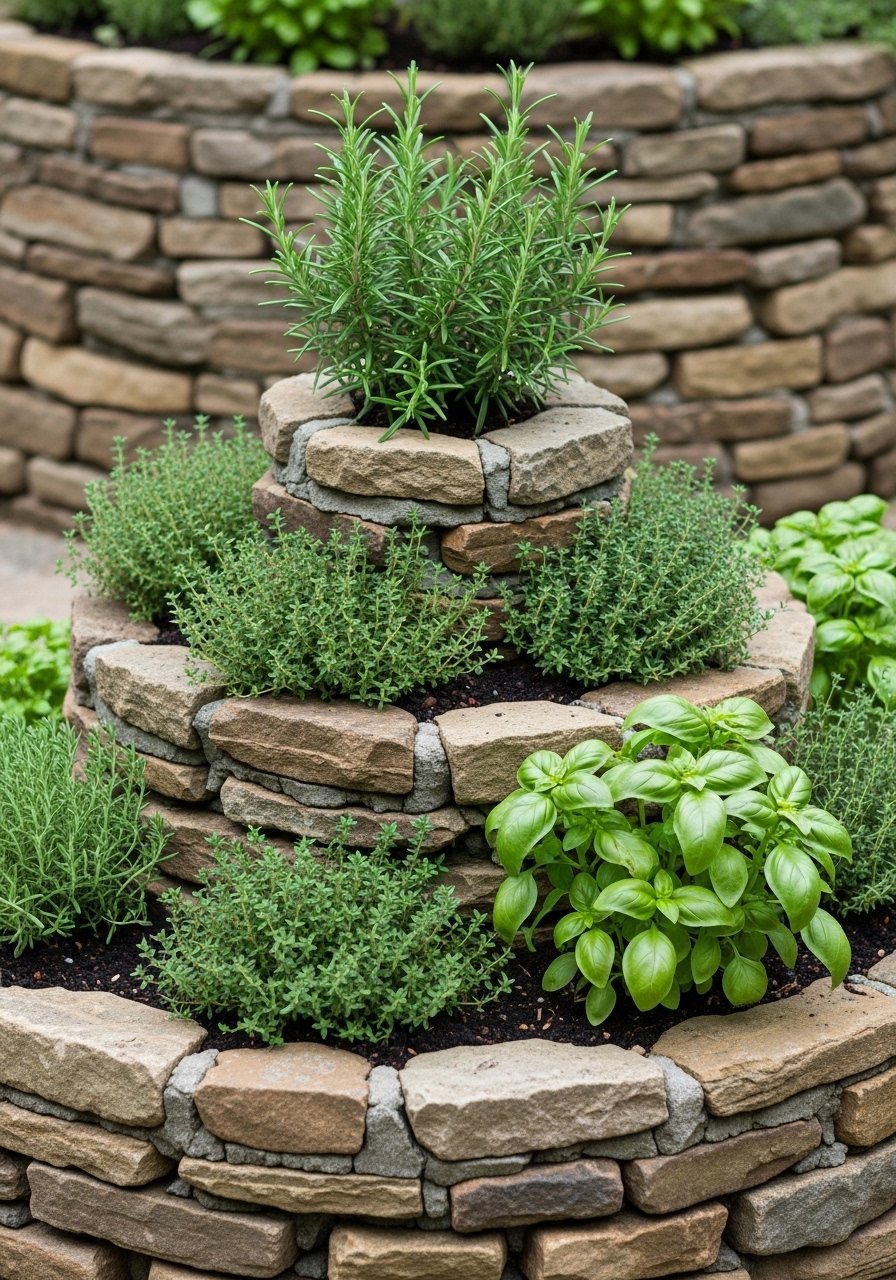
I built a tiny herb spiral in one corner and it surprised me with how much I could grow in a small footprint. The different levels suit herbs with different needs.
My first spiral collapsed because the stones weren’t set. Properly seated stones and compacted soil made it last. I tucked thirsty basil at the top and drought-tolerant thyme lower down.
It’s informal, productive, and smells great when I snip herbs for dinner.
What You’ll Need for This Look
19. Antique Urn Display with Seasonal Fillers
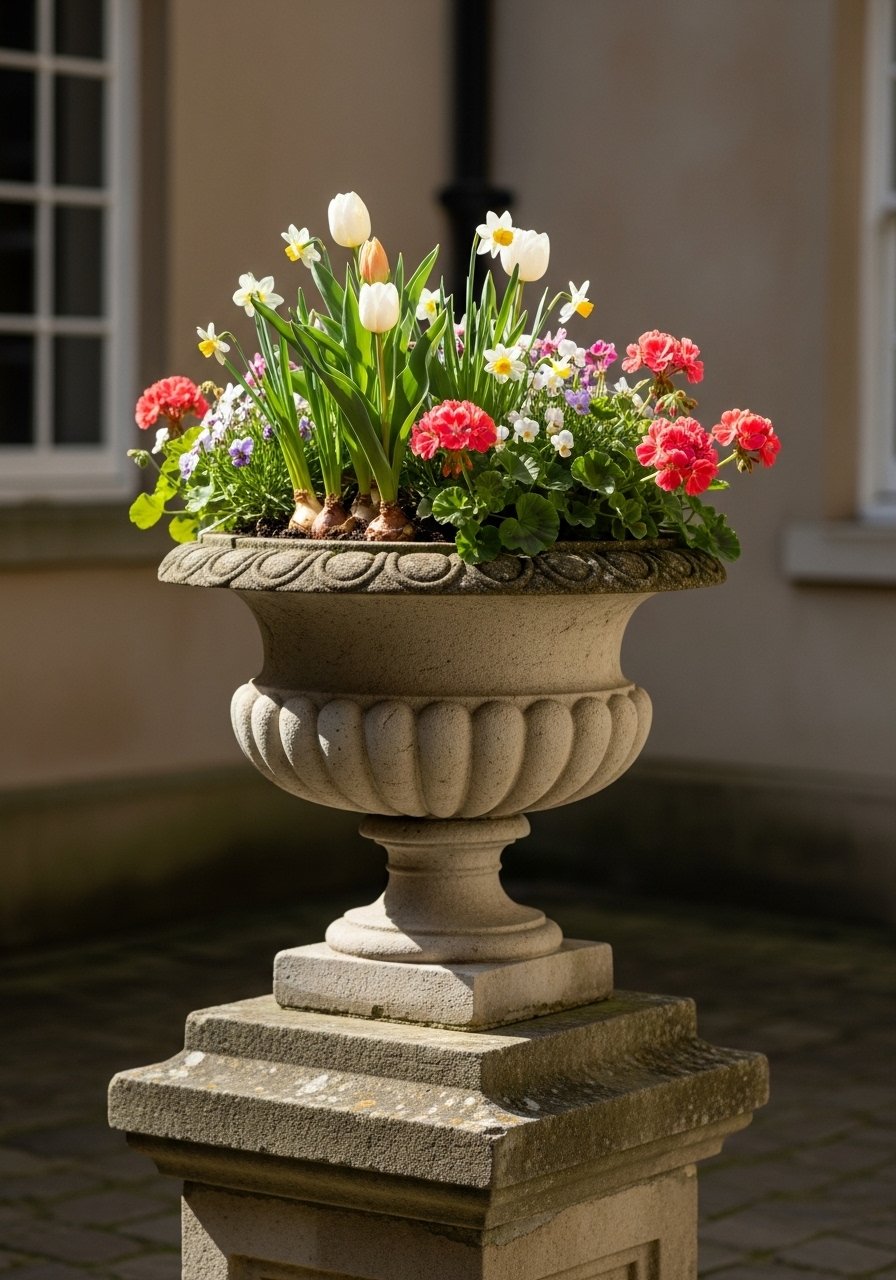
I collected a weathered urn and place seasonal plants in it. Spring bulbs, summer geraniums, and autumn pansies keep it interesting year-round.
I once left heavy soil and the urn shifted on its pedestal. A stable base and lighter potting mix stopped the wobble. Change the filler each season to keep the urn fresh.
It’s an easy focal point that feels collected, not staged.
What You’ll Need for This Look
20. Painted Shutters and Doors for a Pop of Color
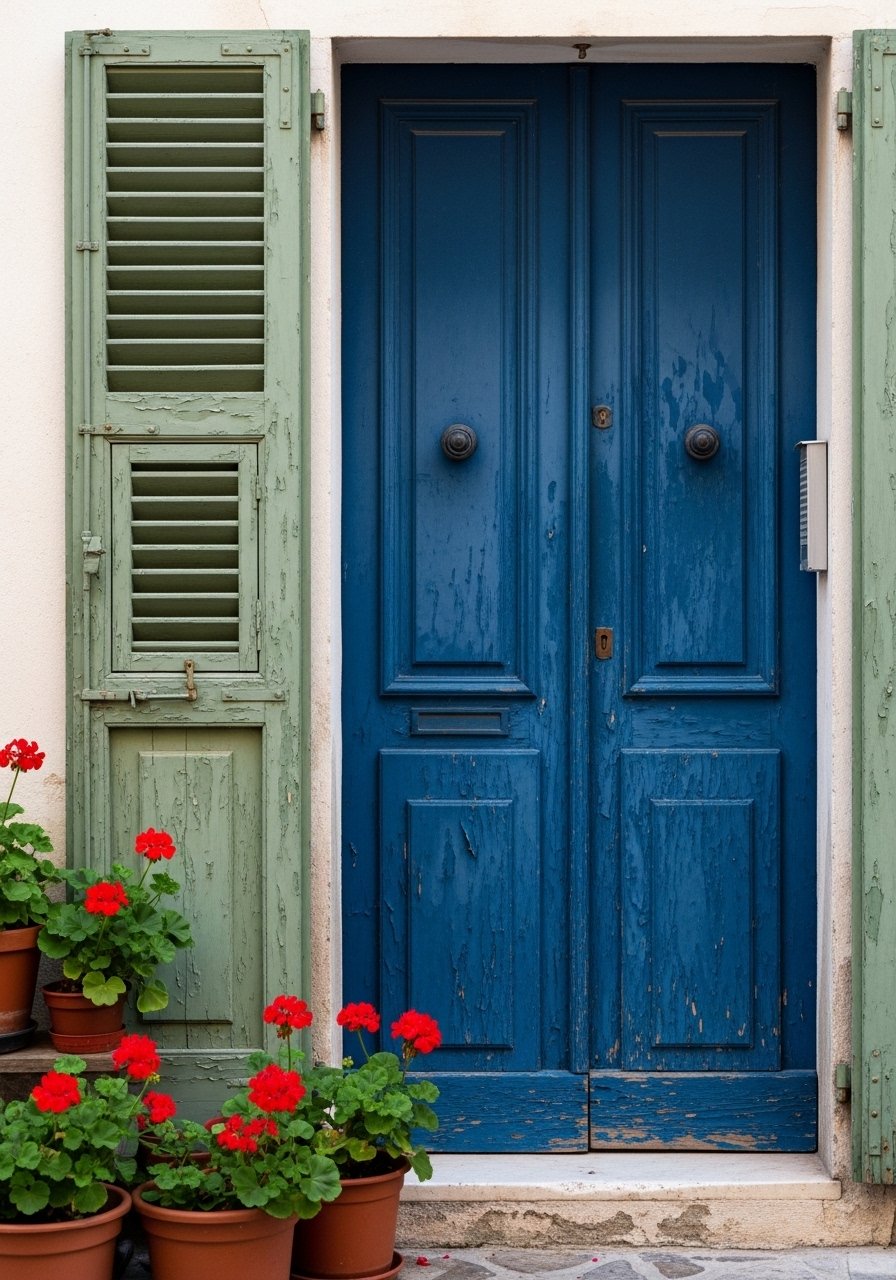
I painted my courtyard door a strong blue and added pale green shutters. Color makes the space feel personal and lively without fuss.
I once chose a trendy shade that clashed with tiles. I repainted in a muted tone and it harmonized much better. Pick colors that complement stone and plant tones.
A durable exterior paint keeps the look fresh and prevents frequent touch-ups.
What You’ll Need for This Look
21. Small Pergola Draped with Light Linen Curtains
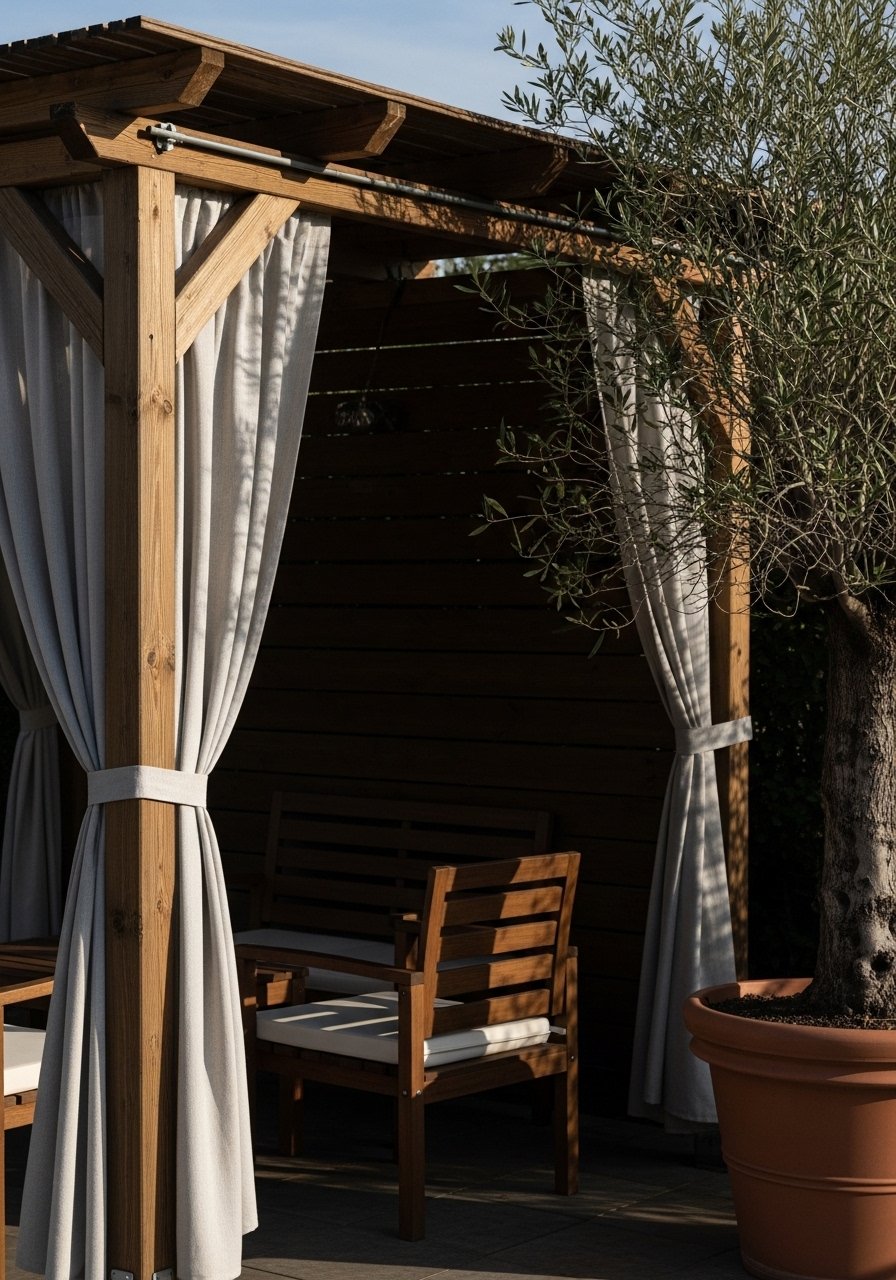
I added linen curtains to a pergola and the courtyard got an instant sense of privacy. The curtains move in the breeze and soften the light.
I didn’t stitch hems the first time and fraying showed quickly. Sewn edges and outdoor-friendly fabric made them last. Tiebacks keep the curtains tidy when you want sun.
Curtains make an outdoor room feel cozy and adaptable.
What You’ll Need for This Look
22. Reclaimed Wooden Table for Family Meals
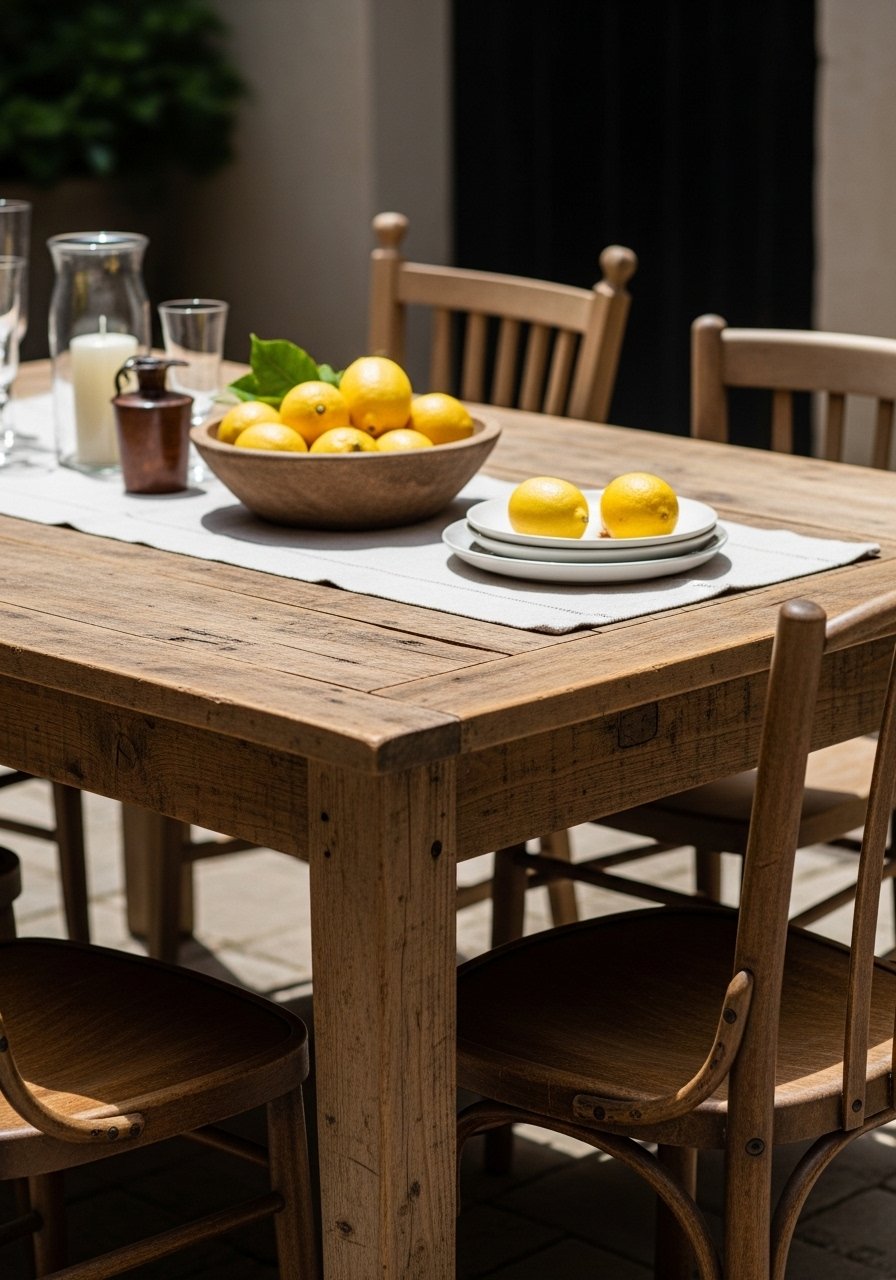
I rescued a long reclaimed table and it became the heart of summer dinners. It’s scratchy and honest and invites people to sit.
I learned that sealing the top slightly protects it from spills without losing the patina. A simple runner and mismatched chairs keep it comfortable and casual.
A long table encourages gatherings. It’s worth the space.
What You’ll Need for This Look
23. Simple Lighting Scheme with Warm Solar Lanterns
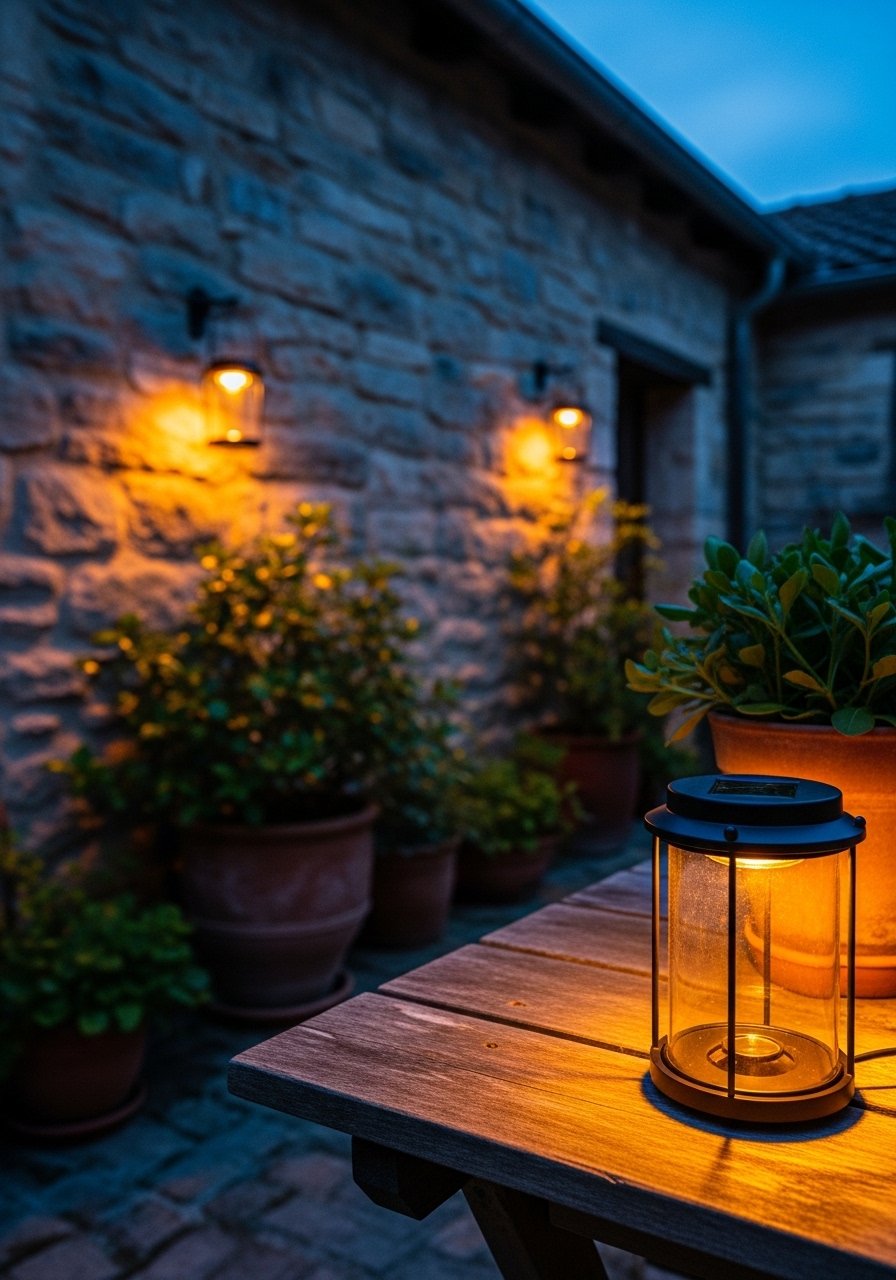
I strung solar lanterns and the courtyard became usable after dusk. Warm light makes the space feel comfortable and safe.
Cheap solar lights faded fast. I invested in sturdy, higher-output lanterns and they hold a charge and look good. Place them where they get sun during the day.
A few warm light points is all you need for evening mood.
What You’ll Need for This Look
24. Pebble and Tile Drainage Channel with Aromatic Edging
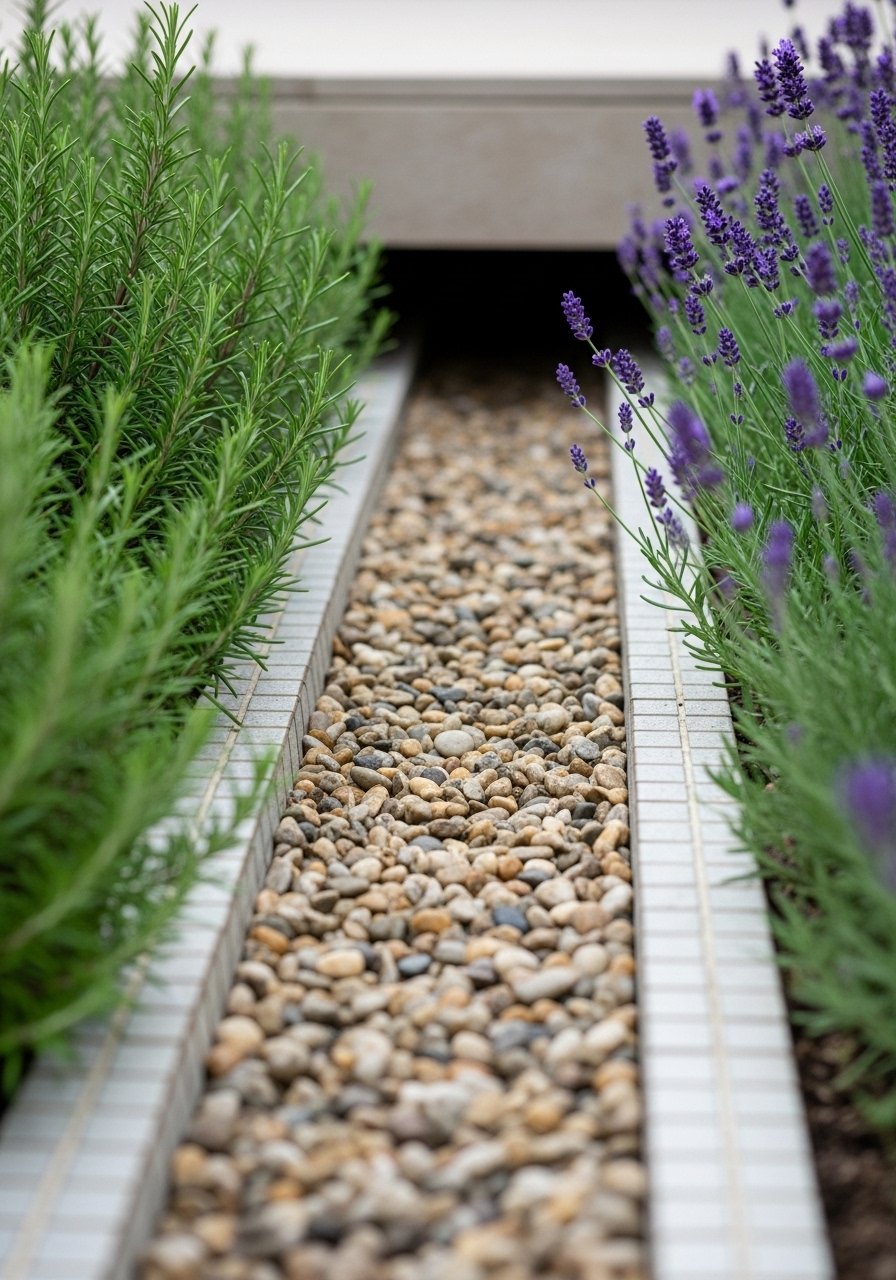
I added a narrow pebble channel to guide rainwater away from the doorway. It’s practical and the herbs along the edge disguise it.
I used tiles to give the channel a neat edge. The first channel I made was too steep and splashed. Adjust slope so water flows quietly.
It’s useful and looks intentional when edged with aromatic plants.
What You’ll Need for This Look
25. Layered Lighting: Step Lights, Lanterns, and Table Candles
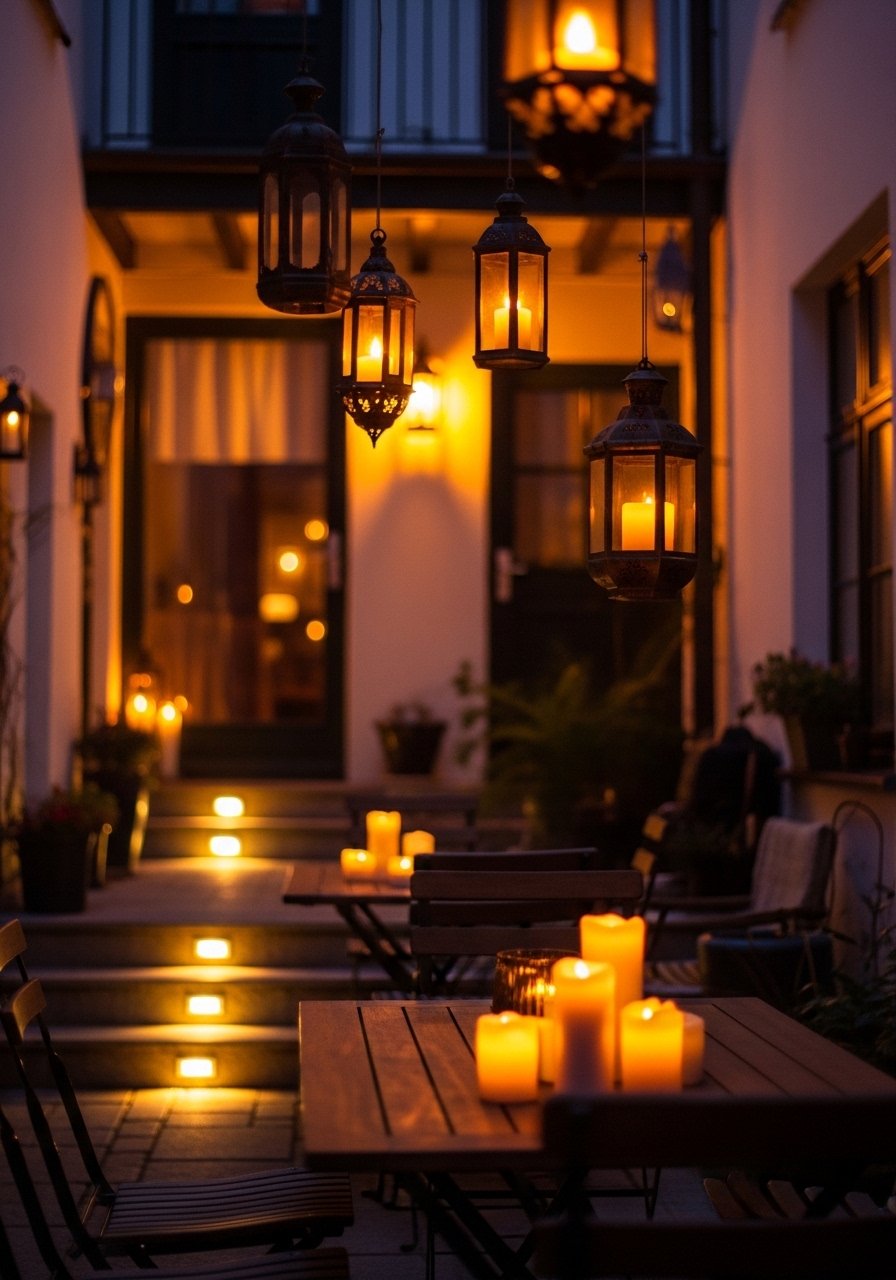
I combined step lights, hanging lanterns, and candles for layered lighting. It makes evenings both safe and pretty.
I learned to use warmer bulbs; cool white felt harsh. Candles add charm but keep them in sturdy holders. Solar step lights are low hassle and give just enough guidance.
This mix keeps the courtyard usable without bright floodlights.
What You’ll Need for This Look
26. Simple Seating Nooks with Floor Cushions and Throws
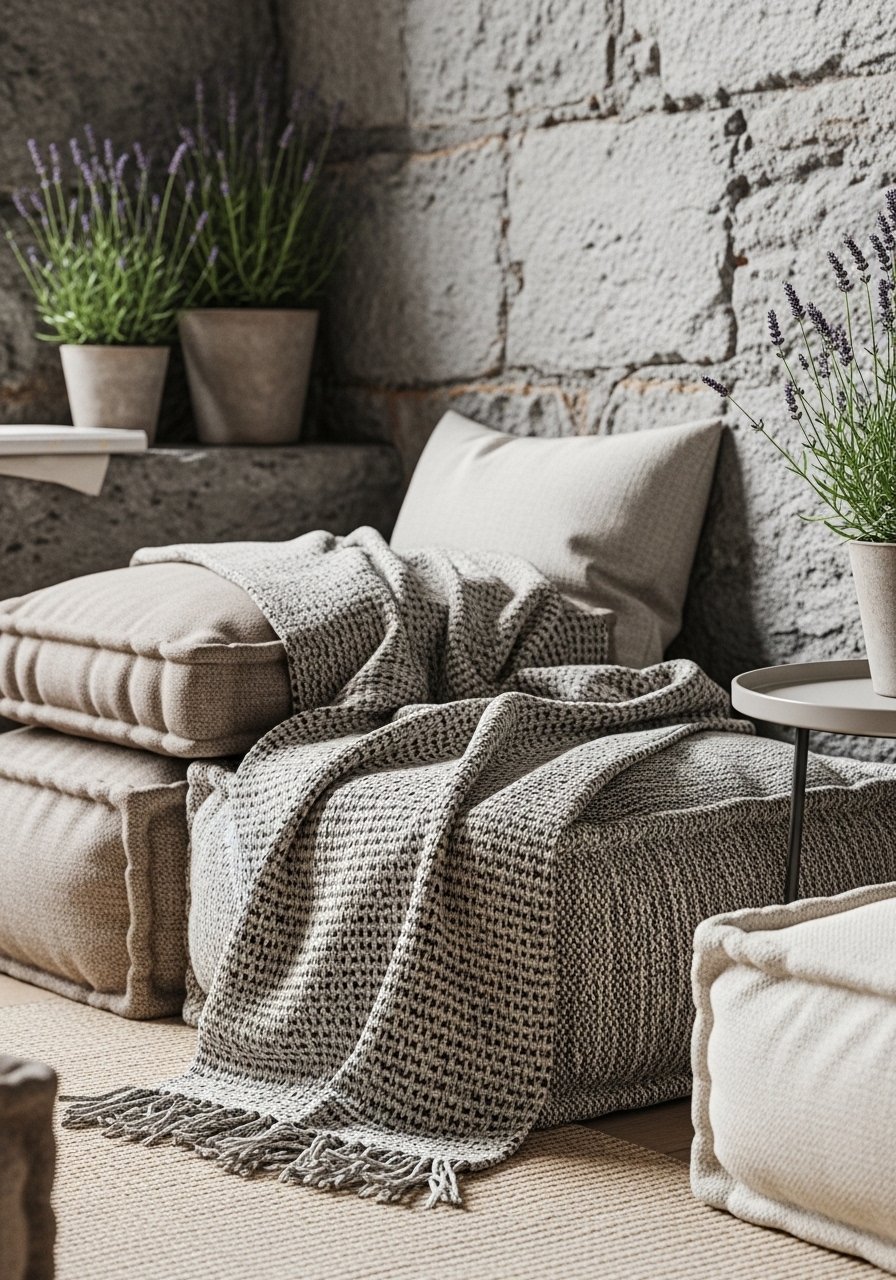
I created a floor-cushion nook for casual lounging. It’s easy to move cushions and makes a relaxed corner for kids or afternoon naps.
I learned cushions need weatherproof storage. A simple box on the side protects them when it rains. Choose washable covers for spills.
It keeps the courtyard inviting without a big furniture investment.
What You’ll Need for This Look
27. Low Stone Raised Beds with Seasonal Bulbs
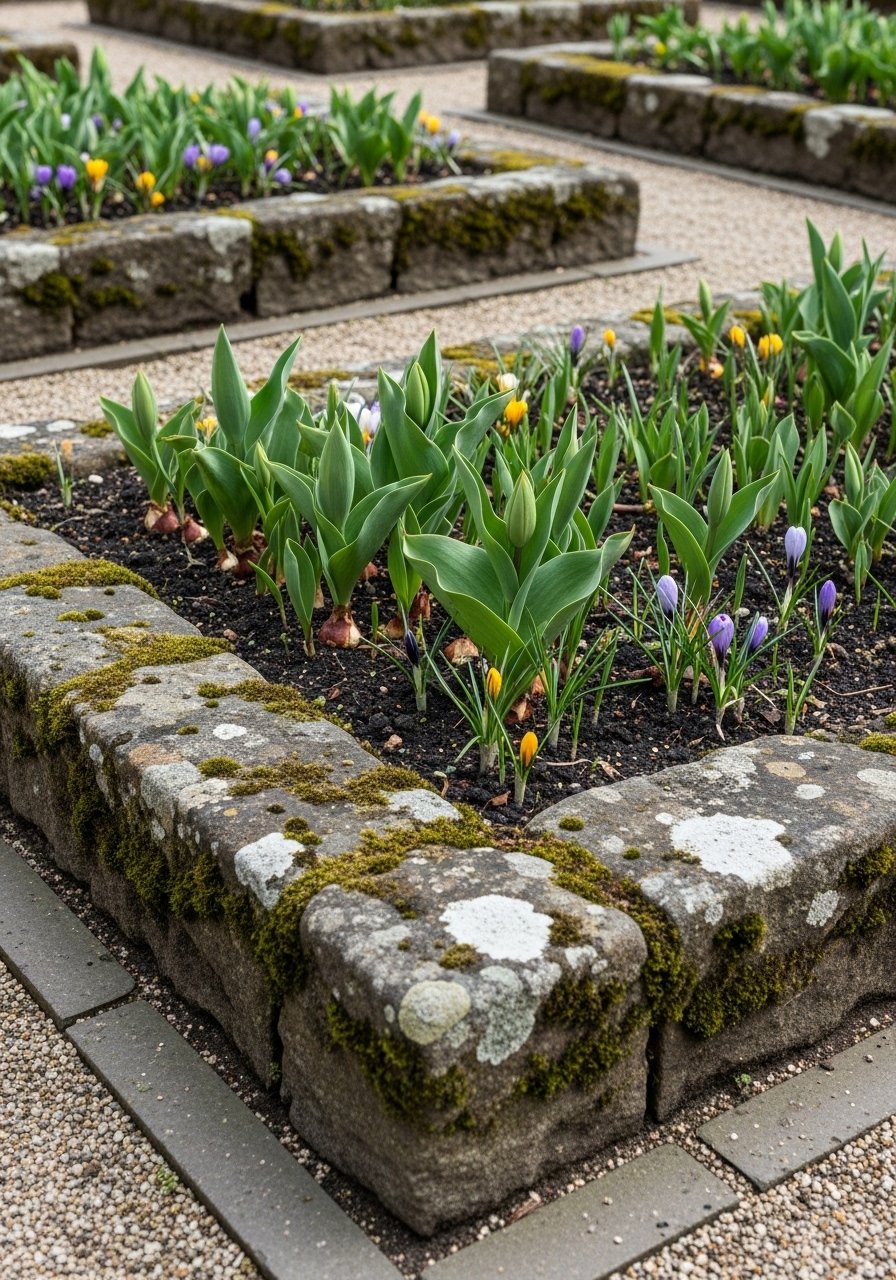
I built low stone raised beds and planted bulbs for spring color. The raised edge frames the plantings and keeps soil tidy.
I planted bulbs too deep the first year and the shoots were late. Following depth guidelines fixed that. Raised beds warm faster in spring, so bulbs often bloom earlier.
They make color predictable and contained in a small courtyard.
What You’ll Need for This Look
Final Thoughts
You don’t need to do all of these ideas.
Pick one or two that fit your space and budget.
Start small, learn as you go, and remember that worn things feel intentional.