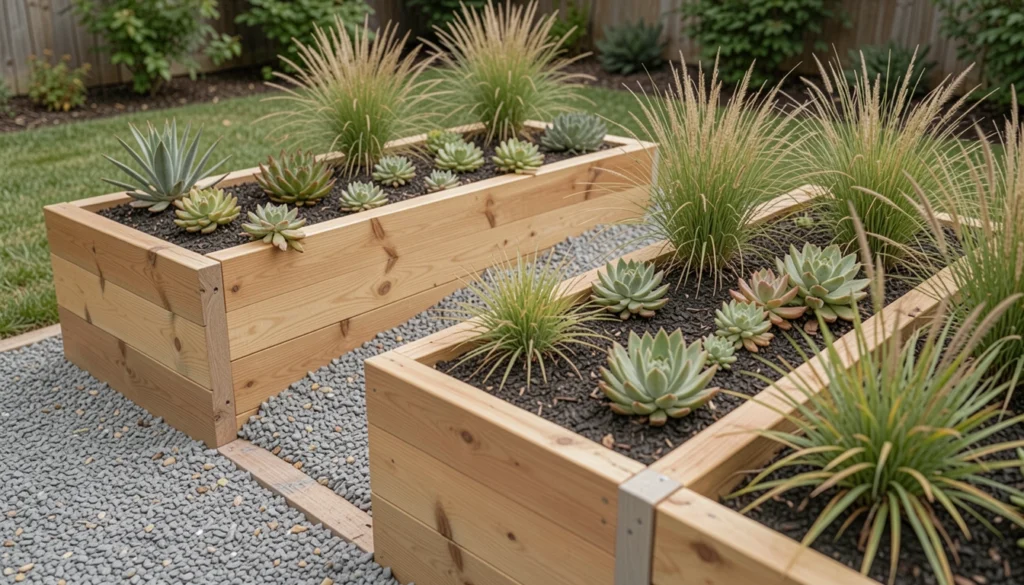
I built my first raised bed years ago, right in the middle of the lawn. It drowned in shade and weeds took over. Frustrating. But tweaking it to modern lines—clean edges, smart spacing—changed everything. Now my garden feels open, easy to reach, and grows what I want.
These beds hug the yard without overwhelming it. They pull your eye, make space feel bigger.
No more guesswork. Just beds that work.
10 Modern Raised Garden Bed Designs Layout
These 10 modern raised garden bed designs layouts come straight from my yard fixes. They're simple to build, fit real spaces, and handle everyday growth surprises. You'll see exactly what to try.
1. Clean Cedar Frames with Gravel Infill for Tight Patios
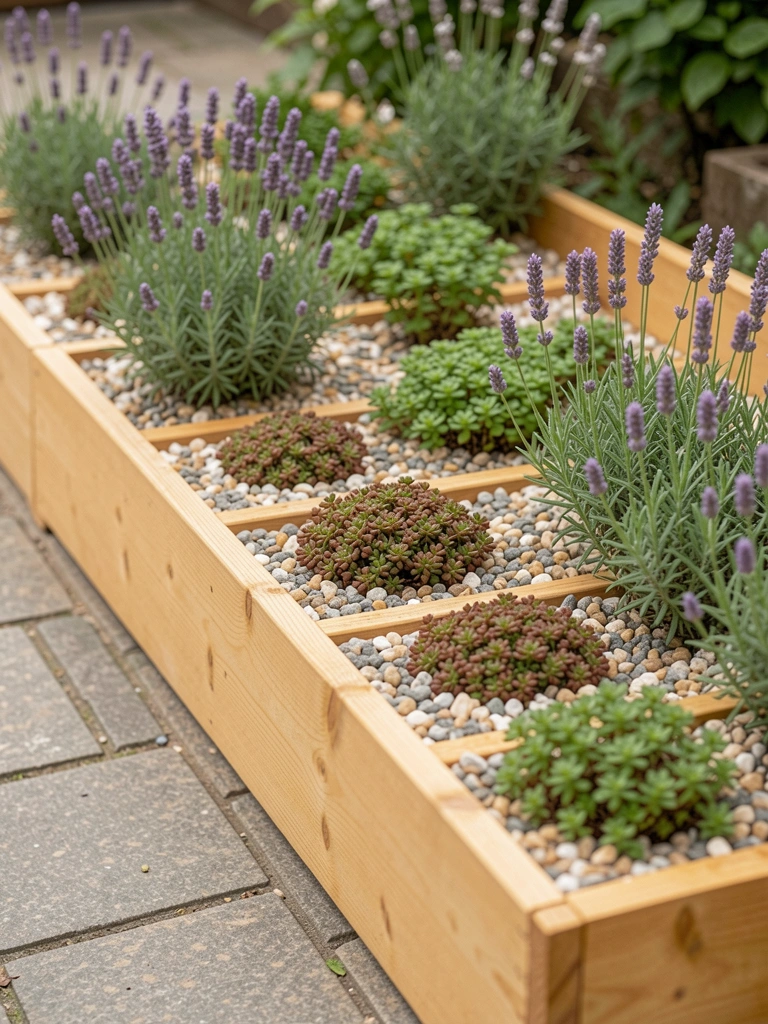
I squeezed this into my narrow side patio where pots used to clutter everything. The low cedar frames—about 18 inches high—let gravel fill most of the space, so roots stay cool and weeds can't grab hold. Planted lavender and sedum along the edges; they spill just right without mess.
It opened up the walkways. Feels airy now, not cramped. I watched the sedum thicken faster than expected, filling gaps by summer.
Pay attention to leveling the gravel base first—mine shifted once from rain. Keeps it stable.
One tip: Space beds 2 feet apart for easy wheelbarrow access.
What You’ll Need for This Look
- Cedar raised garden bed kit (4×4 feet, 18 inches high)
- Pea gravel bag (50 pounds, natural)
- Lavender plants (4-inch pots)
- Sedum groundcover plugs (pack of 20)
2. L-Shaped Corner Bed with Vertical Grasses for Urban Yards
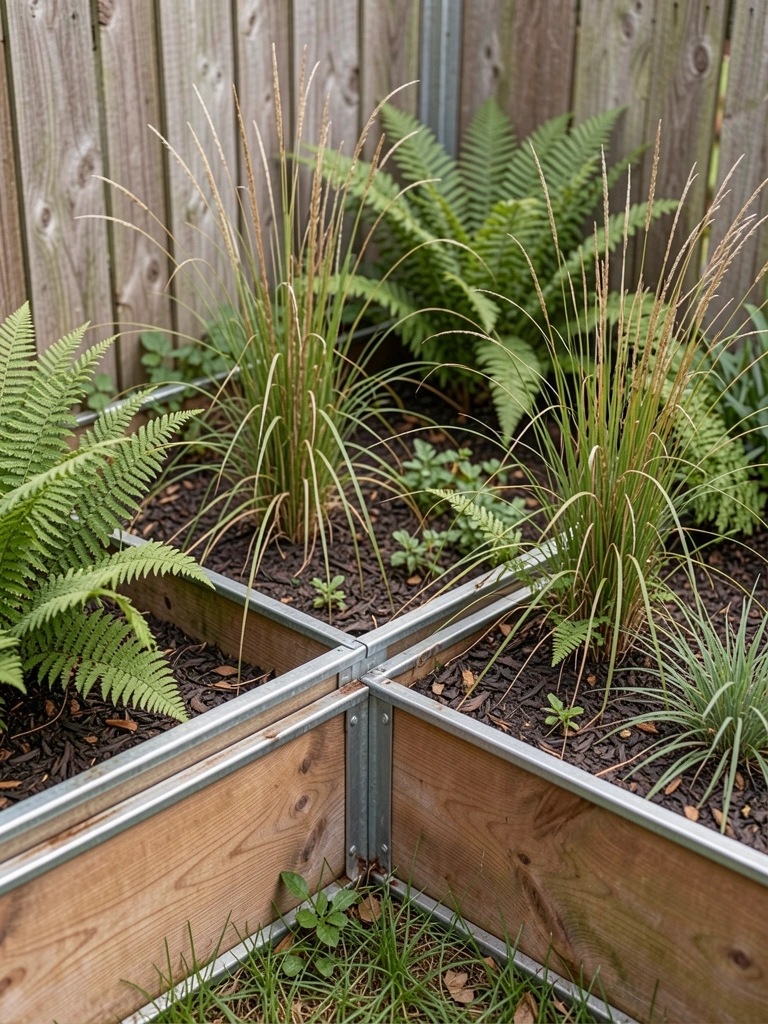
My back corner sat empty, just junk piled up. Built this L-shape from galvanized steel—fits right against the fence. Back row got tall fountain grasses; they sway and hide the fence without crowding.
Front filled with ferns. Softens the metal's edge. Last year, grasses grew taller than I planned, but it added privacy—bonus.
Emotionally, it turns dead space into a calm spot. Sit nearby with coffee.
Mistake I made: Overplanted ferns at first. Thin them yearly.
Leave 18 inches from the house wall for air flow.
What You’ll Need for This Look
- Galvanized steel raised bed corners (L-shape kit, 3×3 feet)
- Fountain grass plugs (pack of 9)
- Fern plants (Boston fern starters)
3. Tiered Metal Stacks for Sloped Small Gardens
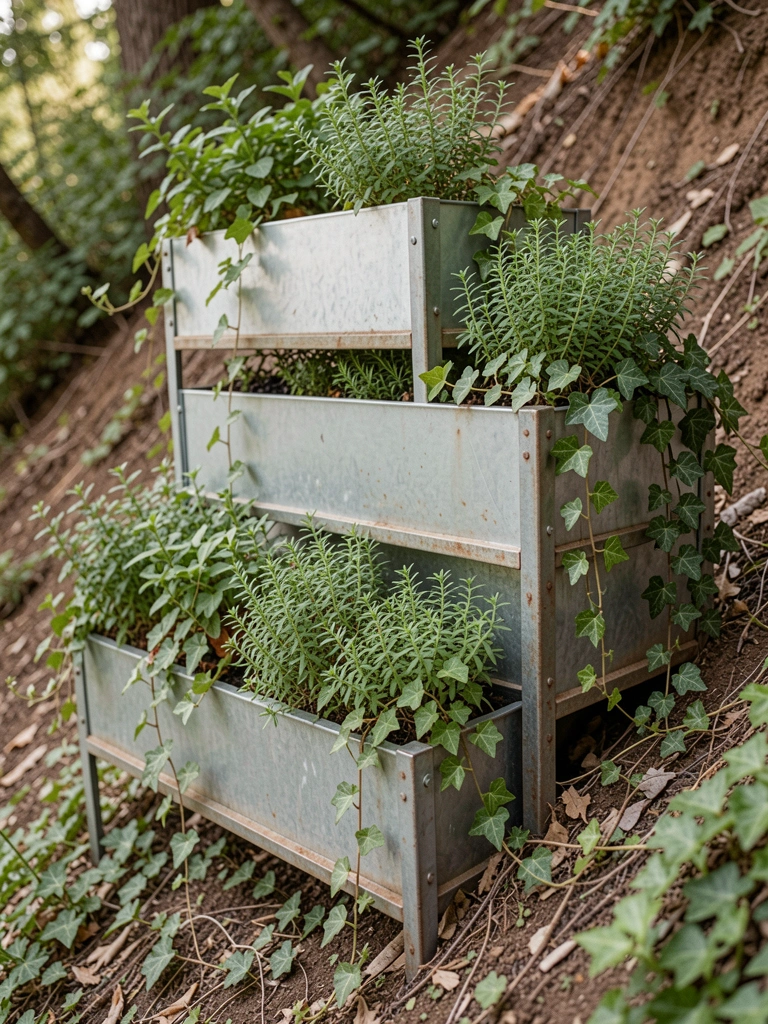
Our yard slopes, so single beds washed out soil. Stacked these corten steel tiers—three levels, each 12 inches deep. Top tier herbs like thyme, middle lettuces, bottom trailing ivy.
It levels the garden visually. Herbs brush your knees when harvesting; feels intimate.
Growth surprised me—ivy climbed the stack fast, softening rust patina.
Watch drainage holes; plug extras if soil slips.
Insight: Start with fewer tiers. Add as plants prove it.
What You’ll Need for This Look
- Corten steel tiered raised bed (3-tier, 4 feet wide)
- Thyme herb plants (4-pack)
- Trailing ivy starters (6-inch pots)
4. Geometric Wood Panels with Integrated LED Strips
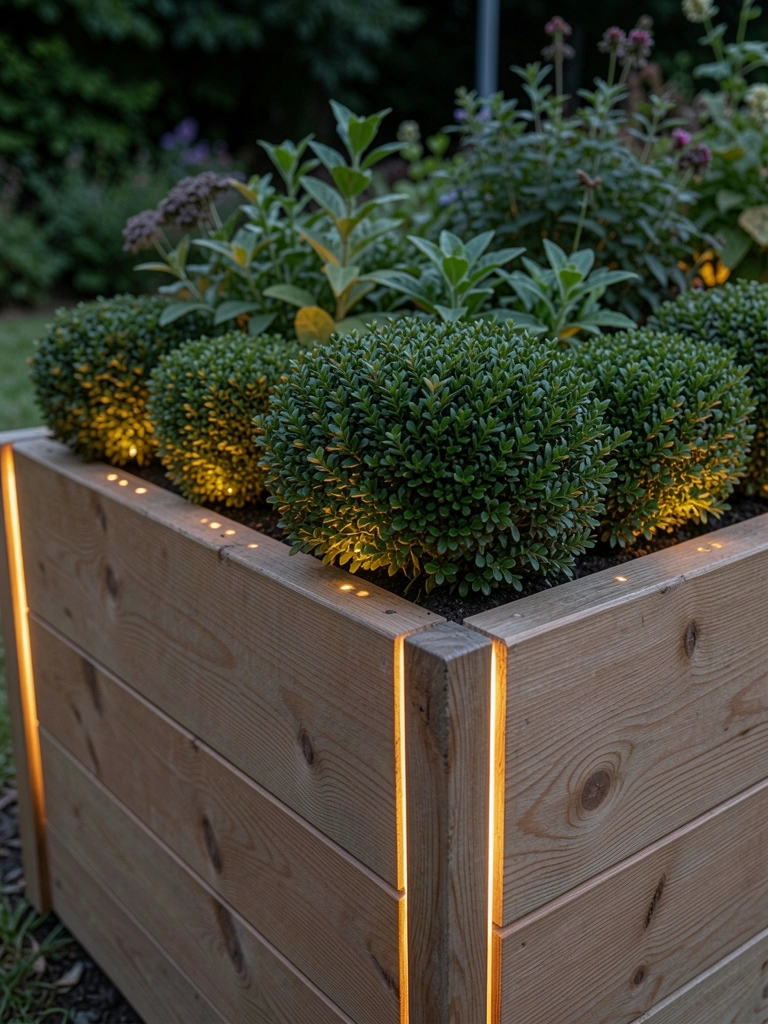
Evenings were dark in my veggie patch. Added these squared cedar panels with tucked-in LED strips along tops. Boxwood outlines the grid; veggies fill centers.
Lights make it glow soft—extends harvest time. Boxwood stays neat, no wild growth.
I misjudged LED length first; measure panels twice.
Feels modern, welcoming after work.
Tip: Use warm white LEDs. Harsh ones wash out plants.
What You’ll Need for This Look
- Cedar panel raised bed kit (geometric 4×4)
- LED strip lights for outdoors (warm white, 16 feet)
- Boxwood shrubs (dwarf, 1-gallon)
5. Minimalist Monochrome Beds with Native Grasses
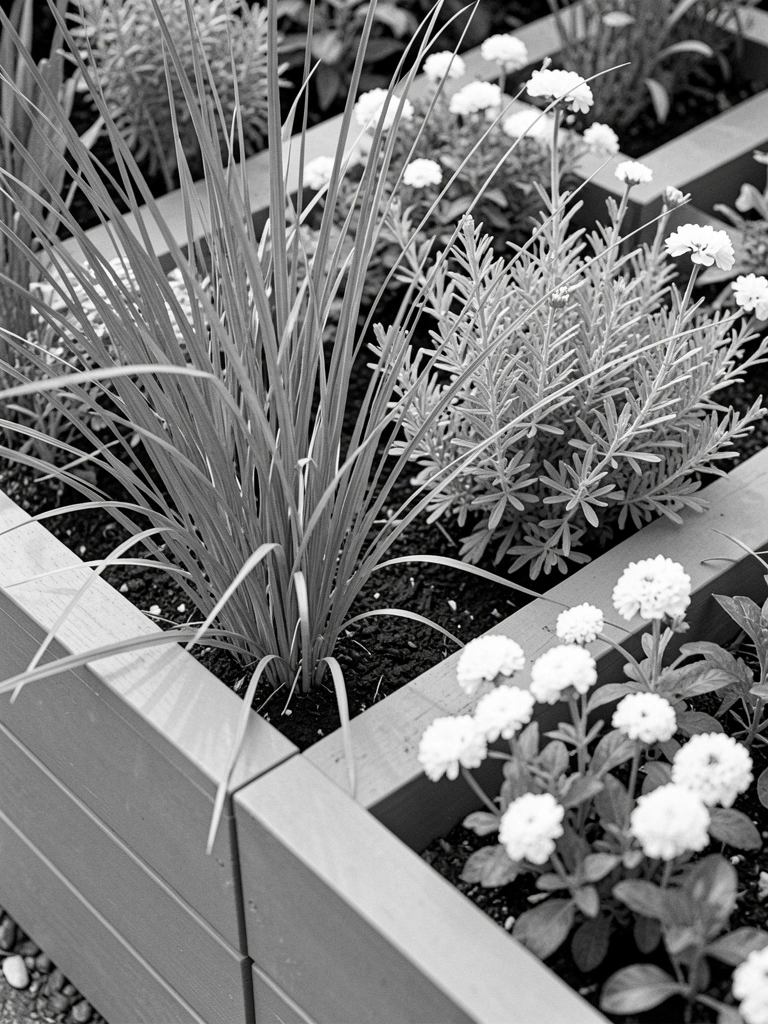
Wanted low fuss, so gray composite beds all around. Silver switchgrass and white coneflowers—stays tidy, draws birds.
Grasses fluffed up more than expected, but waves gently. Yard feels serene, not busy.
No mistake here yet; natives match my soil.
Observe sun patterns; full south for best silver tone.
What You’ll Need for This Look
- Gray composite raised bed (4×8 feet, 12 inches)
- Switchgrass seeds (native, blue silver variety)
- White coneflower plants (perennial pack)
6. Curved Recycled Metal Beds for Flowing Borders
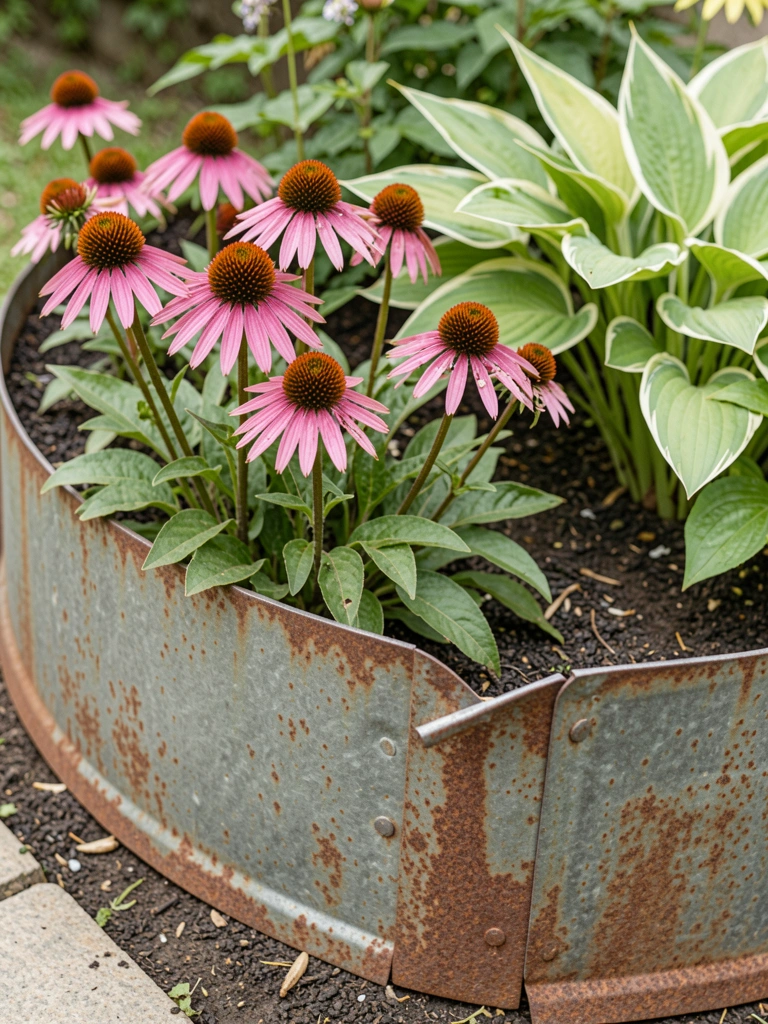
Straight beds felt boxy along my walkway. Bent recycled steel into soft curves—echinacea centers, hostas fringe.
Flow pulls you through the yard. Hostas spread wider than I thought; good filler.
Bought wrong gauge metal once—too thin. Go 16-gauge.
Relaxed vibe, modern twist.
What You’ll Need for This Look
- Recycled steel curved raised bed panels (8 feet)
- Echinacea plants (purple coneflower)
- Hosta plants (medium variegated)
7. Modular Stackable Kits with Succulent Layers
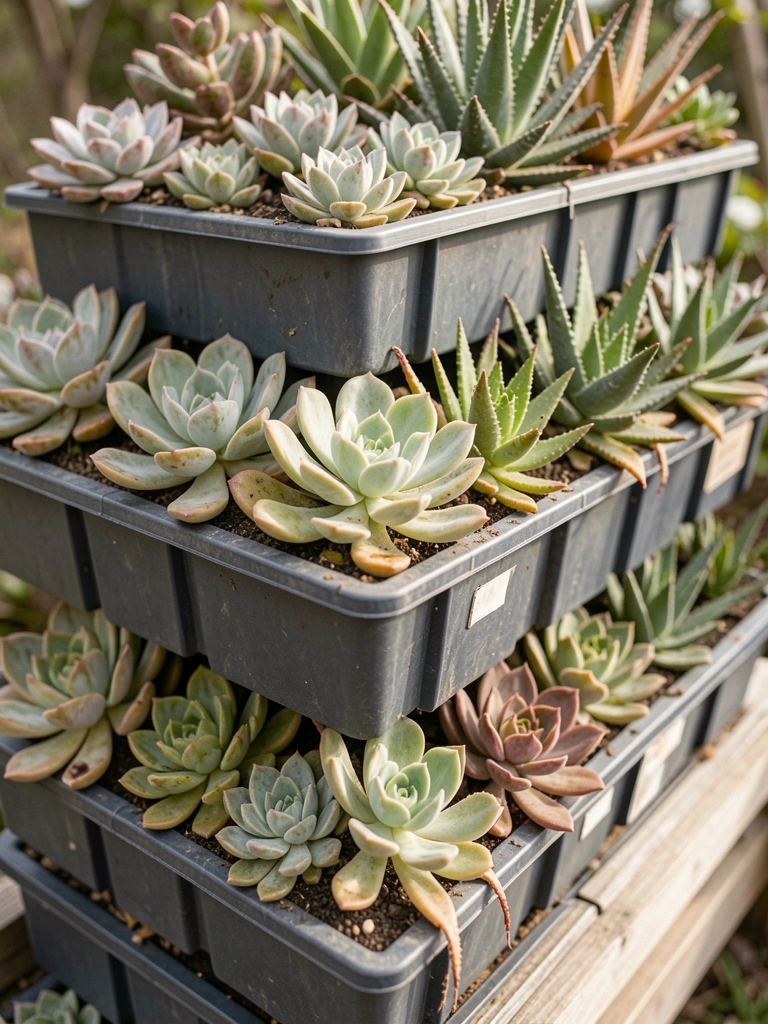
Apartment patio needed portable. These plastic modular stacks—easy to rearrange. Bottom aloes, middle echeveria rosettes.
Colors pop against green frames. Succulents barely need water; survived my vacation.
Overstacked once—toppled. Limit to four high.
Feels collected, not forced.
What You’ll Need for This Look
- Modular stackable raised bed kit (plastic, 6 modules)
- Echeveria succulent assortment (6-pack)
- Aloe vera plants (small offsets)
8. Trellis-Topped Beds for Vertical Veggies
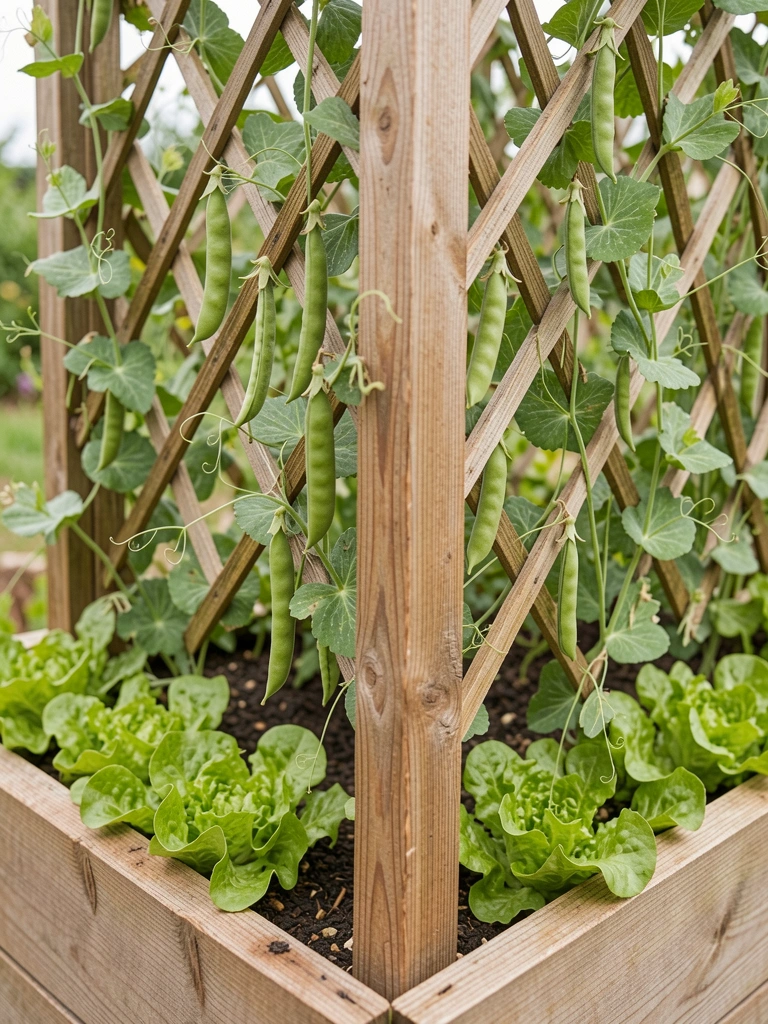
Veggies sprawled everywhere. Added built-in trellises on cedar beds—peas climb tops, lettuces below.
Doubles space. Peas shaded lettuces perfectly.
Peas bolted early one hot spell—plant late varieties.
Harvest feels abundant.
What You’ll Need for This Look
- Raised bed with trellis kit (cedar, 4×4)
- Sugar snap pea seeds (climbing variety)
- Lettuce starter plants (loose leaf mix)
9. Polished Concrete Blocks with Ornamental Kale
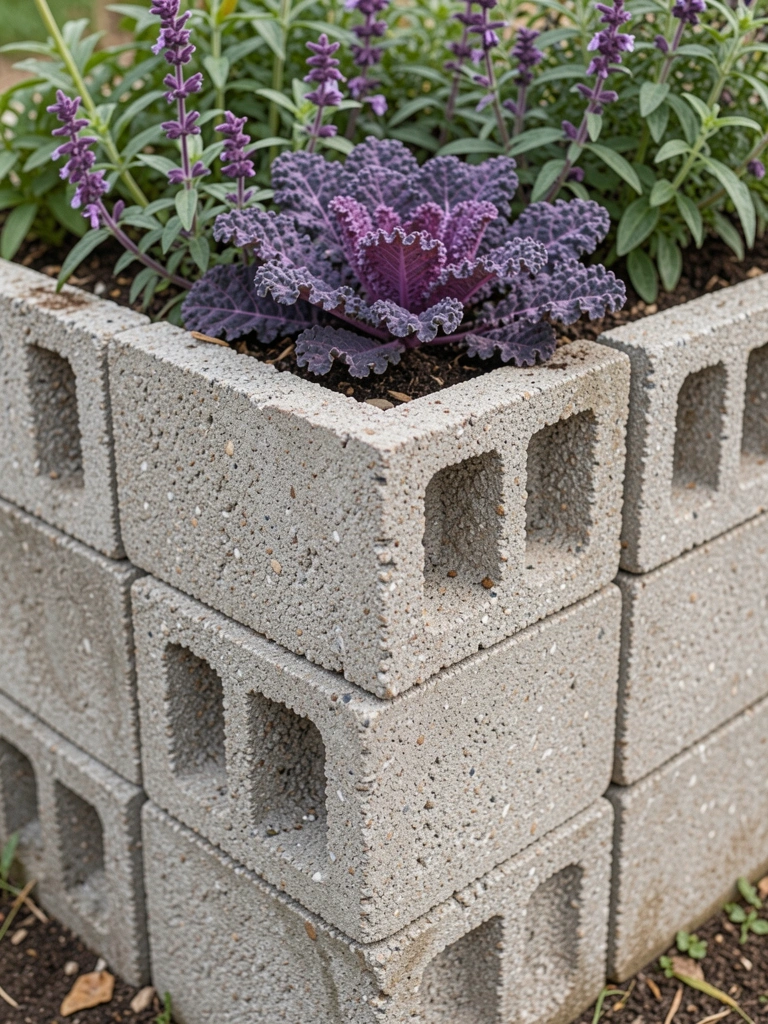
Cheap blocks stacked for edge. Purple kale waves, salvia spikes add height.
Weathered to gray patina. Kale lasted through light frost—tough.
Blocks absorbed heat; mulched heavy.
Crisp, modern look.
What You’ll Need for This Look
- Concrete cinder blocks (8x8x16 inches, gray)
- Ornamental kale plants (purple varieties)
- Salvia plants (hot lips perennial)
10. Slim Profile Beds with Solar Edge Lights
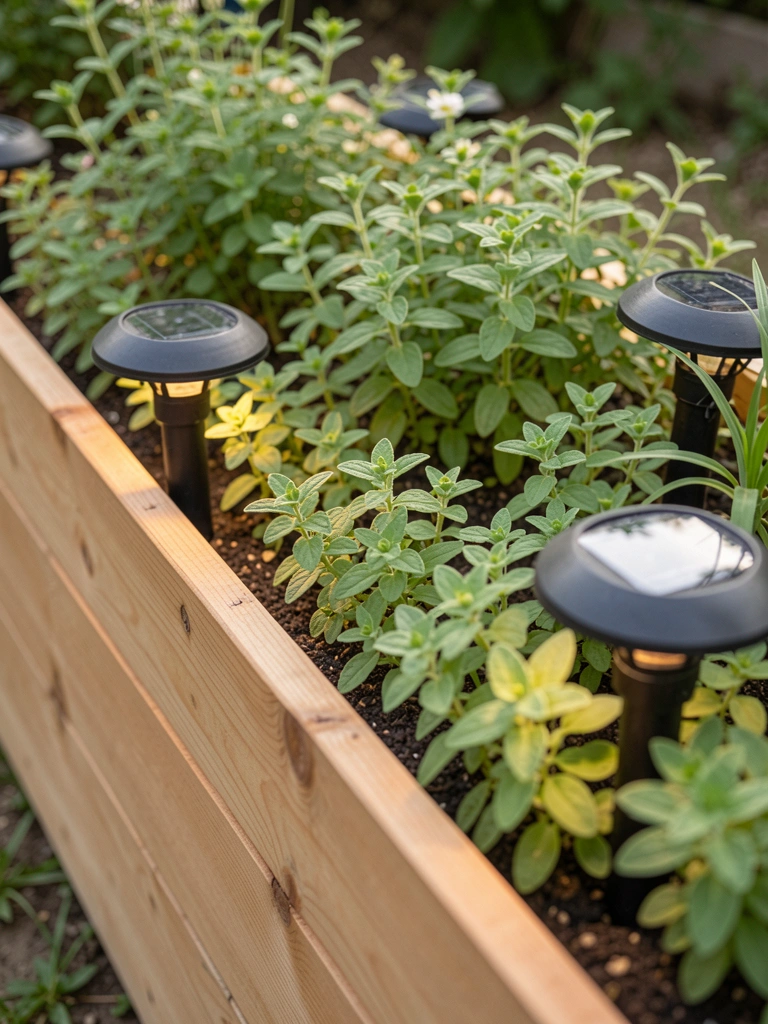
Side yard was skinny. Slim 2-foot wide beds, solar stakes along rims. Catmint bushes out softly.
Lights trace paths at night. Catmint bloomed non-stop.
Positioned lights wrong first—shaded. Face south.
Quiet glow, easy nights.
What You’ll Need for This Look
- Slim cedar raised bed (2×8 feet, 12 inches)
- Solar garden edge lights (stainless steel, 10-pack)
- Catmint plants (walker's low)
Final Thoughts
Pick one design that fits your spot. Mine started small—a single bed—and grew from there.
No rush for all 10. Watch your soil, plants adjust.
You'll have a garden that feels right. Yours.