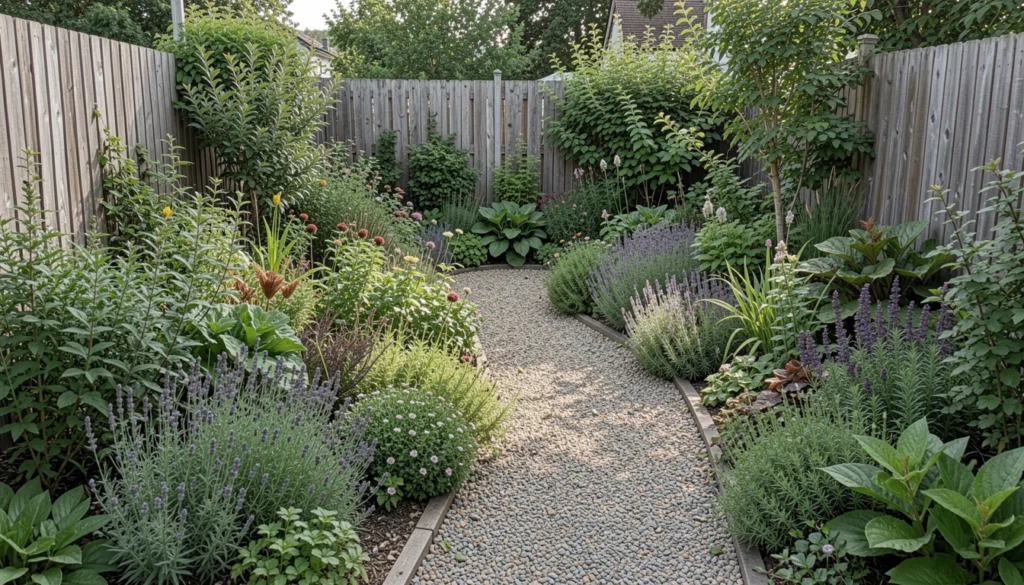
I stared at my backyard path last spring. Muddy after rain, it pulled the whole garden down. No flow, just a slog from gate to bench. I'd planted around it, but everything felt off—choked, unbalanced.
Friends walked right through beds trying to avoid it. I knew a walkway could fix that. Guide steps, frame plants. But where to start without digging up half the yard?
I've made these paths in tight spots. Simple changes that settle the space.
How to Make Walkaway for Outdoor Garden
This shows you how I create a gentle walkway that pulls the garden together. It fits awkward yards, feels natural underfoot. Ends up balanced, easy to wander.
What You’ll Need
- 12-inch irregular bluestone stepping stones
- 3/8-inch pea gravel in natural gray
- 4-foot landscape fabric rolls, black woven
- 18-inch garden edger steel, powder-coated black
- Coarse sand bags, 50-pound washed builder
- Creeping thyme plugs, 72-count low-growing
- Wooden garden stakes, 24-inch untreated oak
Step 1: Walk the Line Barefoot
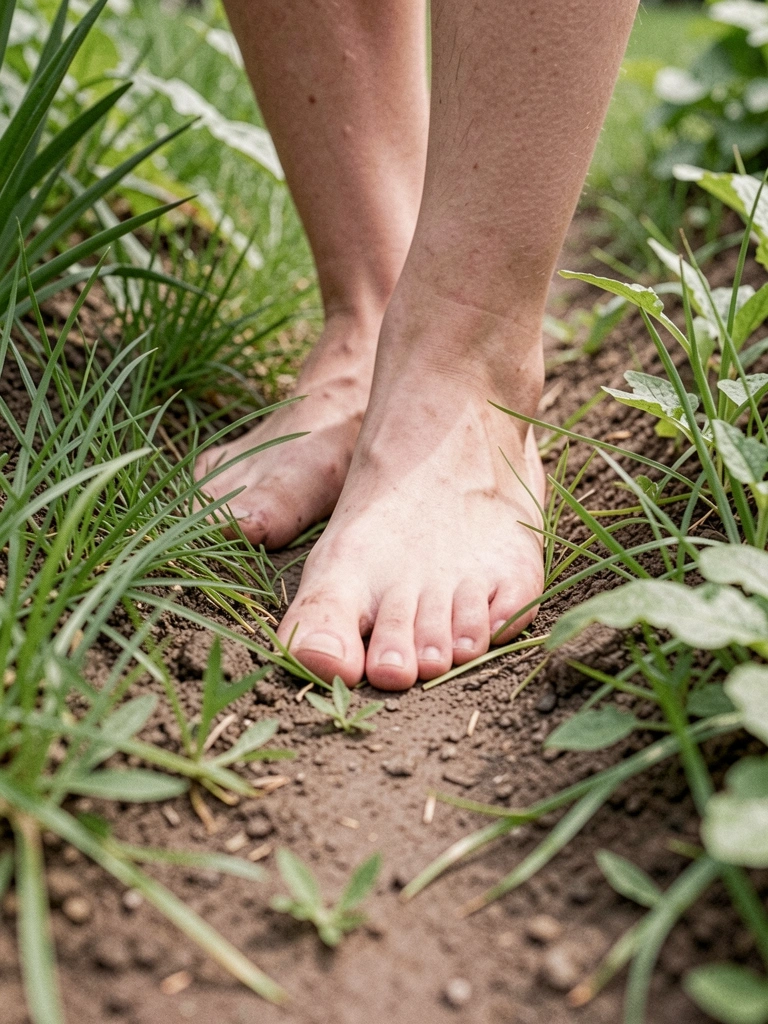
I walk the space first, no shoes. Feel where my feet naturally go—from gate to bench, around that big shrub. Mark it lightly with stakes. This sets the curve that matches how we move.
The yard starts to breathe. A faint line appears, not straight, but easy. Plants on either side look less crowded already.
People miss how paths follow feet, not rulers. Force straight lines and it fights the garden. Avoid over-straightening; let it wander a bit.
Step 2: Edge the Flow
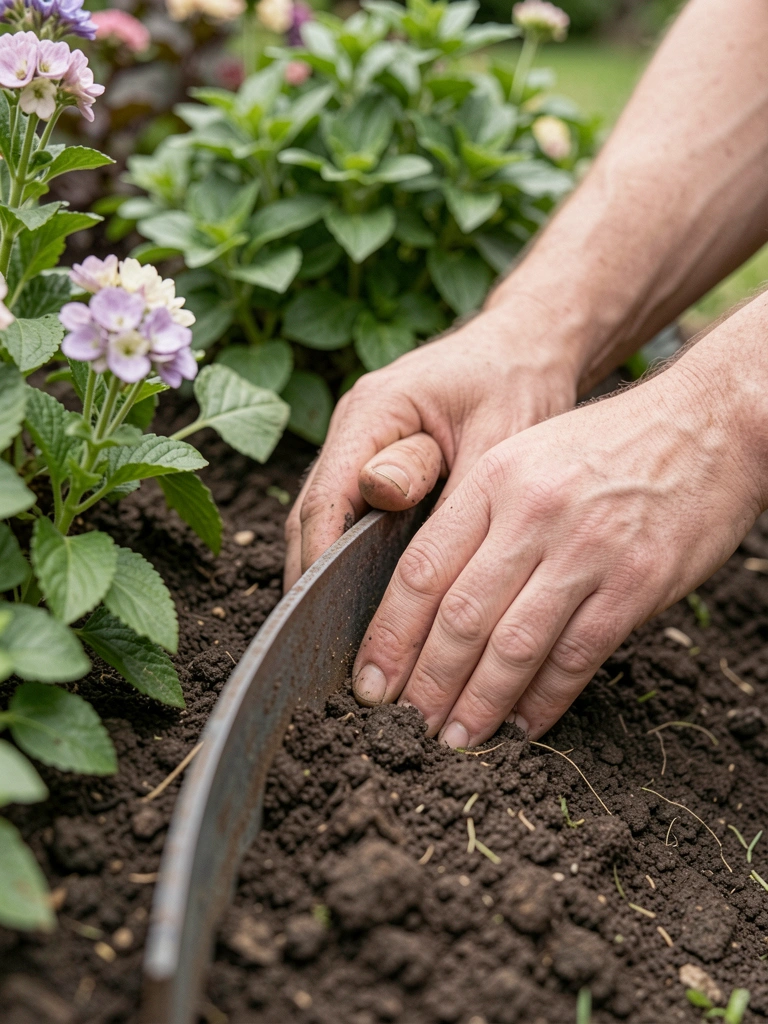
I sink the edger along my marks. Slow curves, no harsh angles. It frames the path like borders on a quilt—holds gravel in, keeps grass out.
Visually, beds lift. That empty middle gains purpose. Edges make the whole yard read cleaner.
Most skip firm edges early. Gravel spreads, weeds creep. Mistake to rush; press deep now, it lasts seasons.
Step 3: Base It Steady
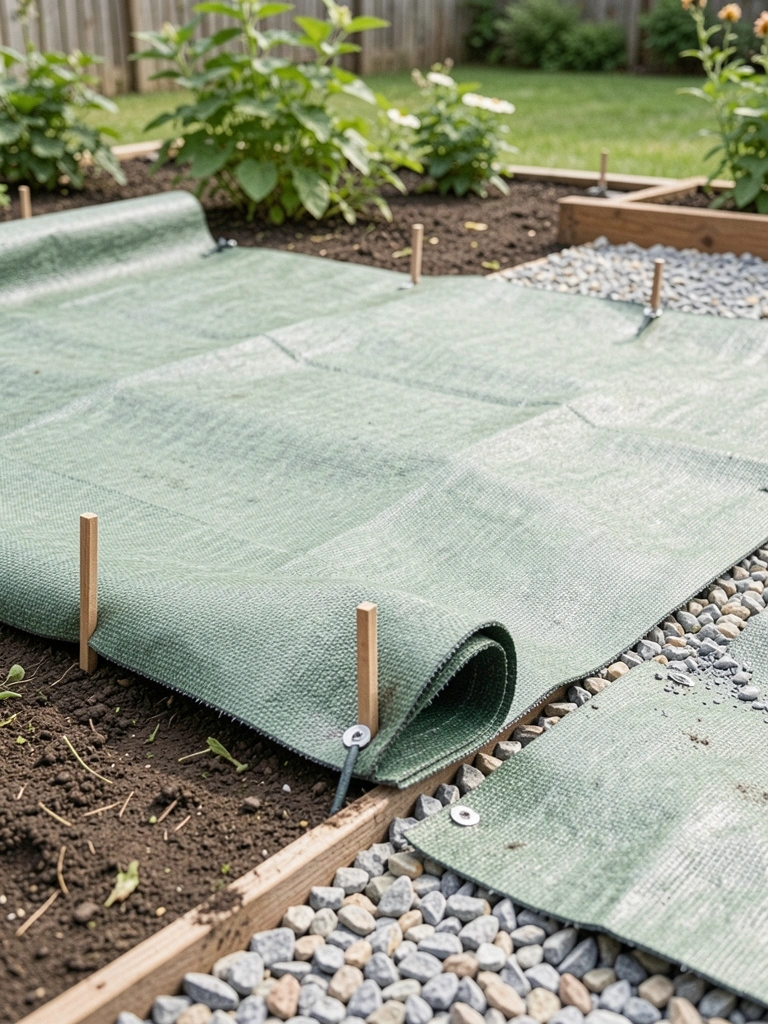
Lay fabric over the traced area. Overlap seams, pin down. Add a thin sand layer. This keeps things level, stops sinking after rain.
The ground firms up. Path shape holds, ready for weight. Plants nearby settle, no more mud splash.
Insight: fabric breathes but blocks weeds—miss it, and you're pulling forever. Don't skimp on sand; too little and stones wobble.
Step 4: Set the Stones
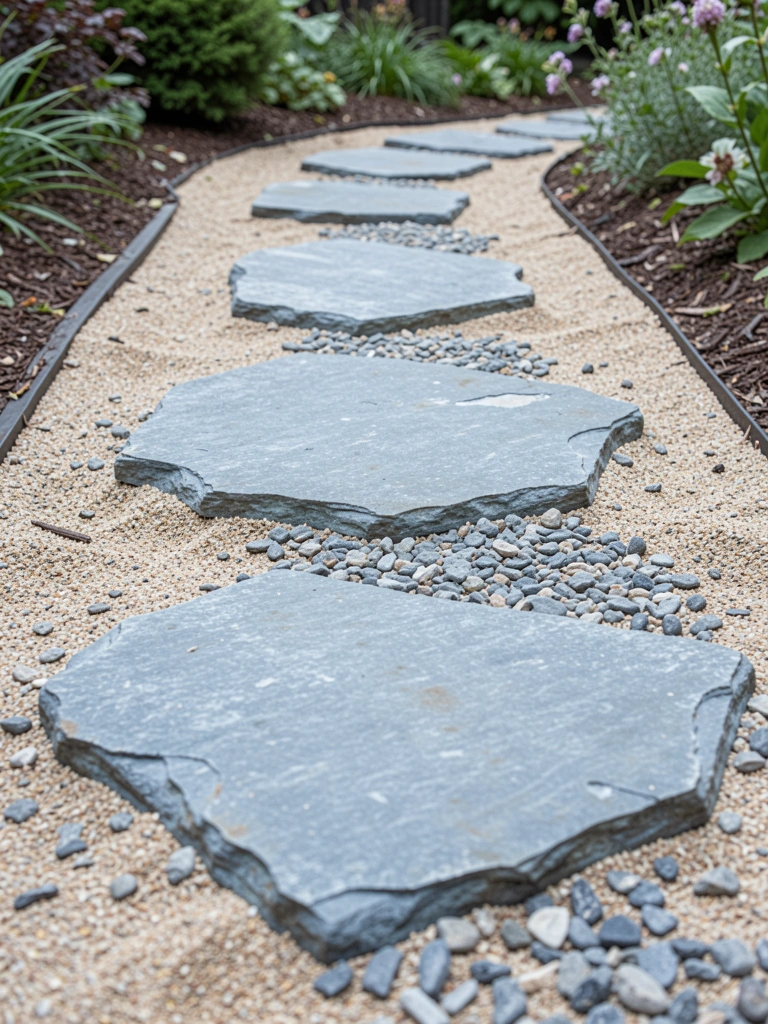
Place stones where feet fell. Irregular, not even. Wide enough for two, narrow by shrubs. Press firm into sand.
Now it invites steps. Shadows play between stones, drawing eyes through. Beds balance around it.
Folks space too uniform—looks forced. Vary it. Avoid big gaps; trip hazard in dusk.
Step 5: Fill and Settle
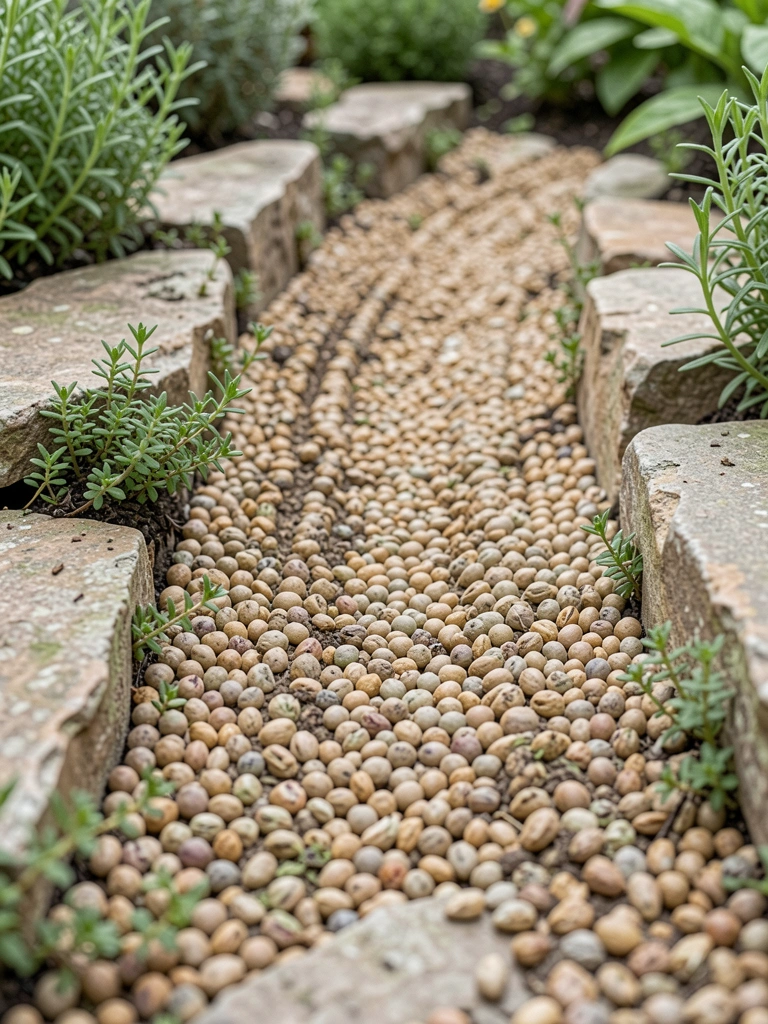
Spread gravel around stones. Rake smooth, tuck thyme plugs in edges. Water light to settle.
Path glows soft, crunches underfoot. Whole garden flows—plants frame it, corners fill.
Missed tip: gravel depth matters for drainage. Too shallow floods. Don't overfill; let stones peek.
Planting Beside the Path
I plant low growers along edges. Thyme spills over, sedum mounds up. They soften stone, add green underfoot.
Keep heights staggered—tall at back, short near path. This pulls eyes forward.
- Creeping phlox for pink pops in spring.
- Lavender for scent on walks.
- Avoid tall grasses; they flop over.
Beds feel fuller, path more lived-in.
Handling Slopes and Turns
Slopes need wider stones up top. Turns? Sweep gentle, no switchbacks.
Test by walking loaded with a basket. Feels secure.
- Stake curves extra on hills.
- More gravel downhill for grip.
It holds up year-round, no slips.
Year-Round Care
Rake leaves off monthly. Top gravel yearly if thin.
Weeds? Pull young; fabric helps.
- Hose moss off stones in shade.
- Trim edges spring and fall.
Stays balanced with little work.
Final Thoughts
Start with one short path. See how it shifts the yard.
You've got this—it's just guiding steps where they want to go.
Now wander your garden different. Feet know the way.