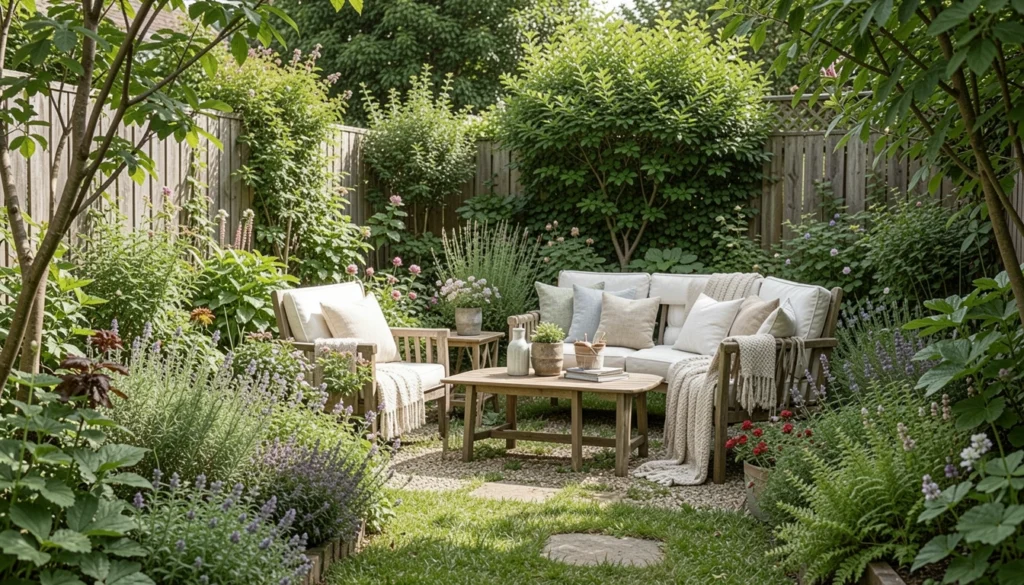
I had a plain bench in the corner of my yard. It sat there empty. No one used it. The spot felt flat, like it didn't belong.
I'd walk by and think, why does this look so awkward? Plants nearby grew uneven. The bench just blended into nothing.
One afternoon, I stopped rushing. I looked closer. That's when I saw how to settle it in.
How to Make Garden Seating Beautiful
This is the method I use every time seating feels off. You'll end up with a spot that draws you in. Comfortable. Balanced. Ready for quiet sits.
What You’ll Need
- 20×20 inch outdoor cushions in neutral tones
- 5×7 foot outdoor woven rug in earth colors
- 24-inch terracotta planters
- Soft ferns in 1-gallon pots
- Wicker side table 18 inches round
- Battery-operated lanterns small size
- Cotton throw blanket outdoor neutral
- Wooden Adirondack chair weathered finish
Step 1: Settle the Seating Spot
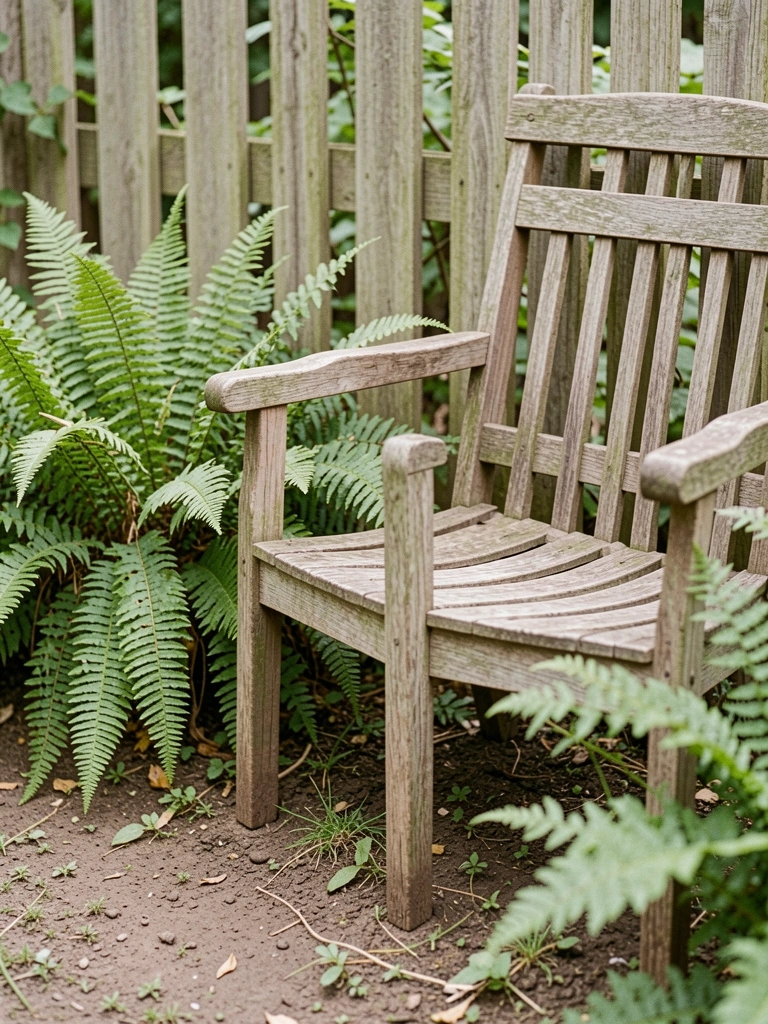
I start by picking where the chair or bench sits. Not dead center. Off to the side, near a fence or tree. It needs a view you like—maybe the lawn or a path.
As I nudge it into place, the yard shifts. The empty corner fills. Light hits the seat just right.
People miss how a few inches changes flow. Too far out, it floats. I avoid shoving it against hard edges—leaves room to breathe.
Now it waits, grounded.
Step 2: Ground It with a Rug
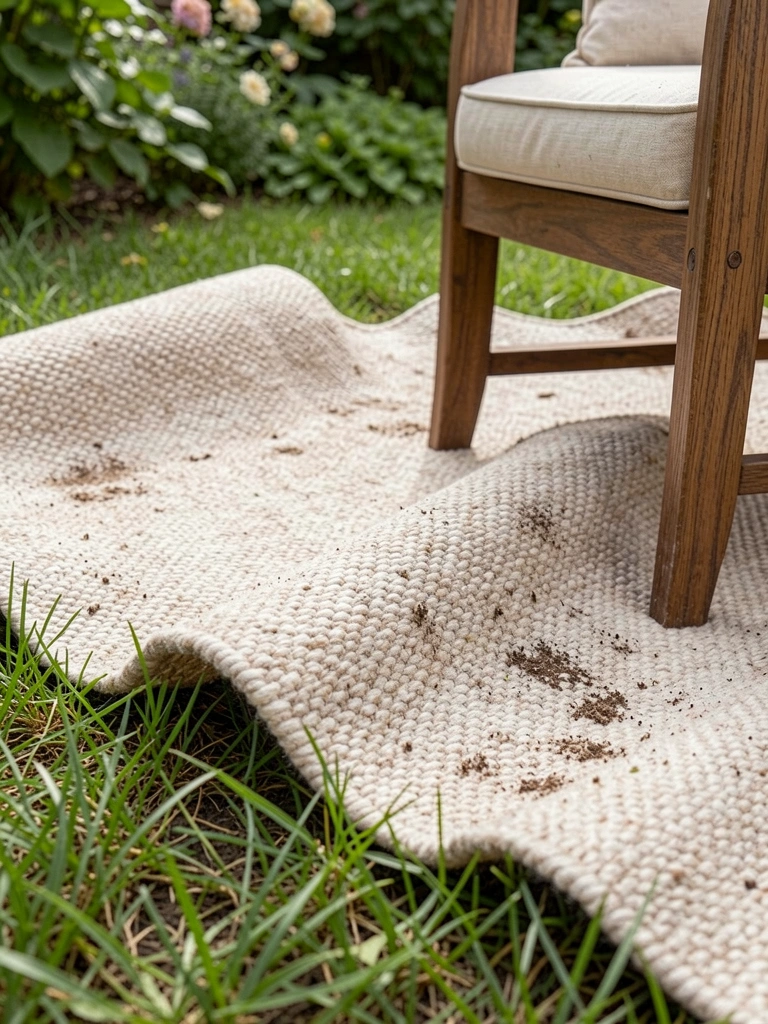
Next, I unroll the rug right under the chair. Not perfect square. Let edges overlap grass. It ties the seat to the ground.
Visually, the spot warms. Colors pull your eye in. No more floating furniture.
Most forget rugs add weight without bulk. Skip this, and legs look spindly. I don't stretch it tight—creases make it lived-in.
The base feels solid now.
Step 3: Layer Plants Close
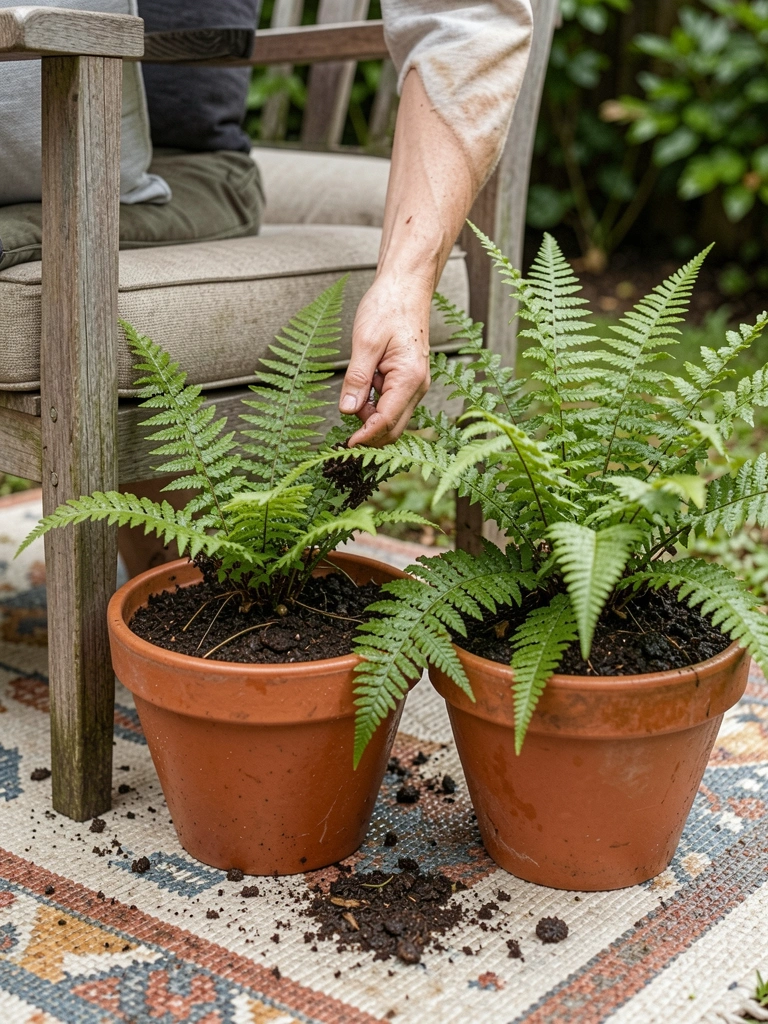
I bring in pots of ferns. Set two by the chair legs, one behind. Heights vary—tall in back, low out front.
The area softens. Greens frame the seat. Shadows play gentle.
Folks overlook plant scale. Big ones swamp; small ones vanish. I steer clear of matching pots—mix keeps it real.
Balance emerges here.
Step 4: Add Cushions and Table
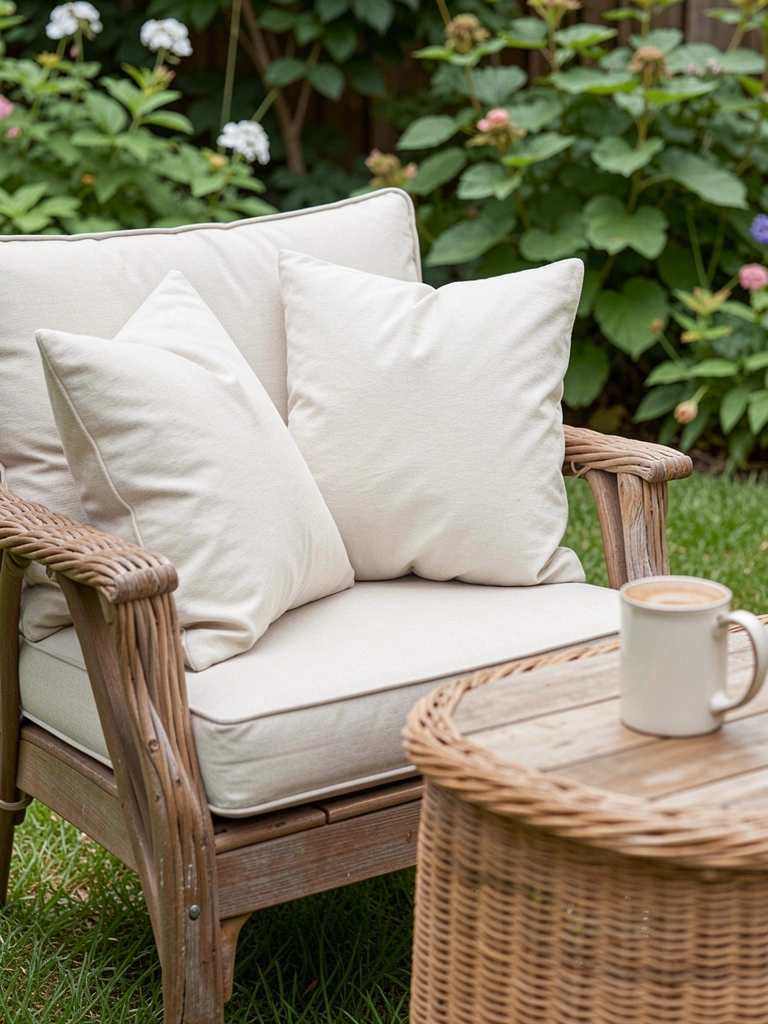
Cushions go on the seat. Neutral ones that sink a bit. Slide the table close, within arm reach.
Comfort shows. Seat invites. No stark lines.
The miss? Overstuffing kills ease. I avoid piling too many—simple layers work.
It pulls you to sit.
Step 5: Finish with Soft Touches
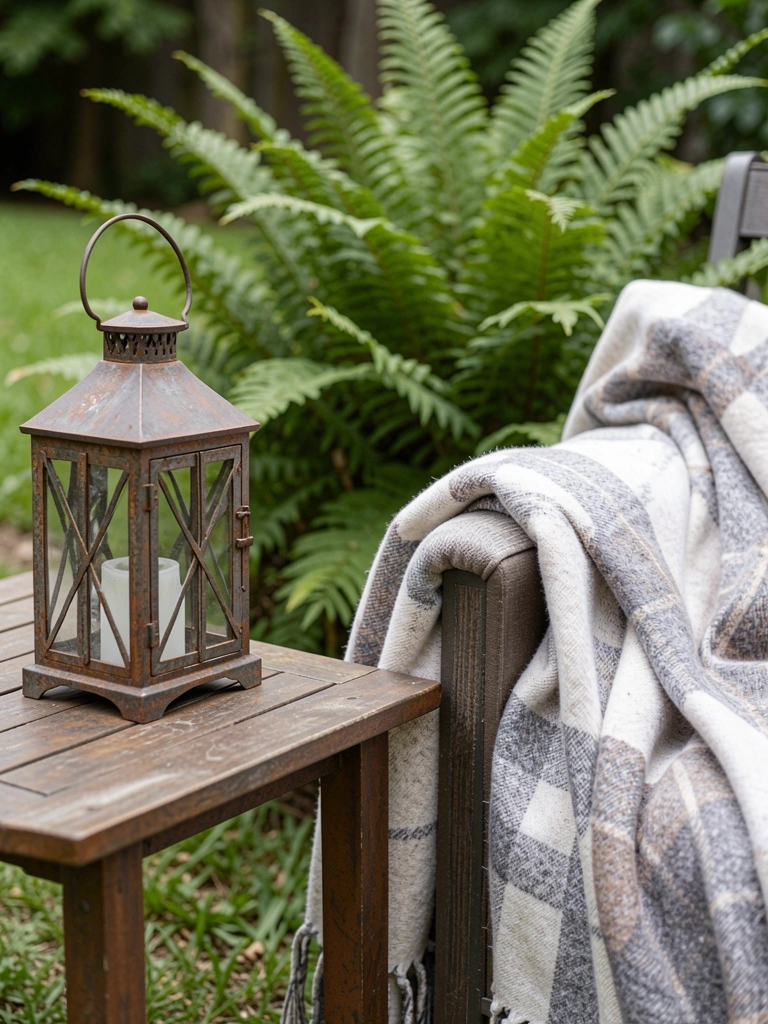
Lanterns on the table. Drape a blanket loose. Light it at dusk.
The spot glows cozy. Textures layer—fabric, wood, leaves.
People skip evening feel. Daylight-only fools you. Don't cram lights—glow from one or two.
Now it's done. Balanced.
Choosing Plants That Frame Seating
I pick plants for how they sit with the chair. Ferns work because they droop soft. No stiff shapes.
- Low growers hug the base.
- Mid-height fill gaps.
- Trailers spill over edges.
This frames without crowding. The seat stays the star.
Keeping It Comfortable Year-Round
Comfort shifts with seasons. Summer cushions breathe. Winter, swap for wool.
- Test by sitting first.
- Adjust heights as plants grow.
- Clear leaves weekly.
It stays inviting. No big overhauls.
Common Fixes for Off Spots
Patches happen. Chair tips? Level the ground.
- Wobbly table: Shim legs.
- Faded cushions: Rotate them.
Small tweaks keep balance. I check monthly.
Final Thoughts
Start with one chair. Nudge it till it fits.
You'll see the yard settle. That awkward empty turns comfortable.
Your garden already has the bones. Just guide them into place.