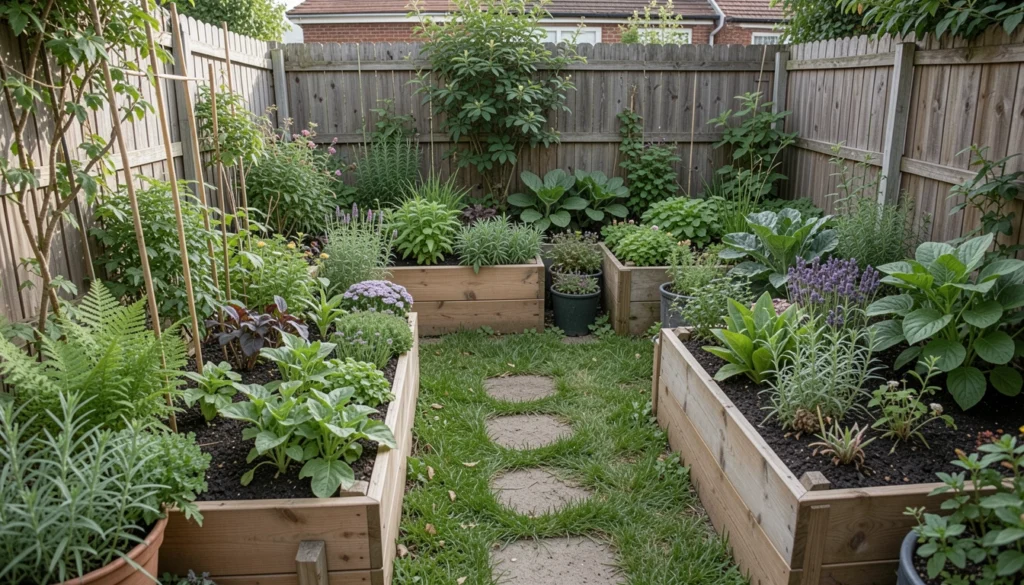
I stared at my narrow patio last spring. Three raised beds crammed against the fence. Plants spilled over edges. I couldn't walk between them without brushing leaves. Reaching the middle felt awkward.
It looked busy, not full. I stepped back. The beds fought each other. No room to breathe.
That's when I rearranged. Now it fits. Plants grow easy. I move through without thinking.
How to Arrange Raised Garden Beds in Small Space
This is the method I use every time beds crowd a tight spot. You'll end up with clear paths, good light on plants, and space that pulls you in. It works in my 10×12 patio.
What You’ll Need
- 4x2x1-foot cedar raised garden bed
- 8-cubic-foot organic garden soil mix
- 3-foot bamboo garden stakes, pack of 20
- Heavy-duty landscape fabric, 3×50 feet
- Compact tomato plants, heirloom variety starters
- Herb seed mix for raised beds, basil oregano thyme
- 2-foot metal garden trellis, rustic finish
- Organic mulch, 2-cubic-foot bag fine bark
Step 1: Map Your Light and Paths
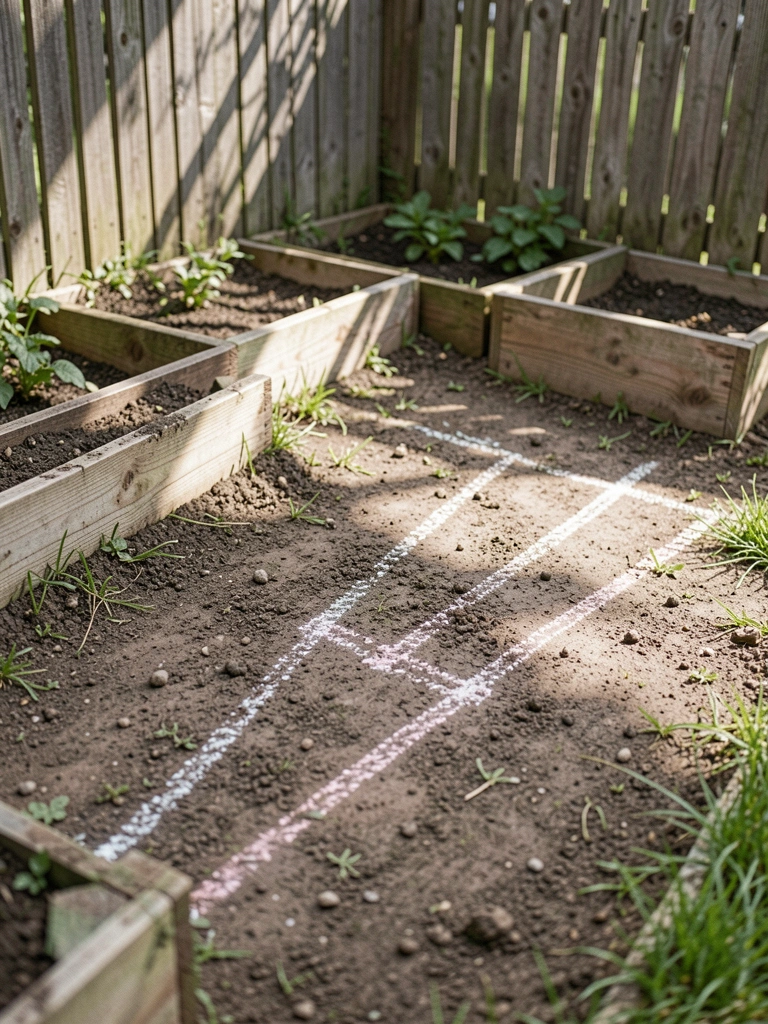
I walk the space first. Note where sun hits longest. That's for tallest plants later. Mark paths at least 18 inches wide. I use my foot as measure.
Visually, ground clears. Future beds stand out. Space breathes.
People miss how light shifts daily. Watch afternoon shadows. Avoid cramming beds in dim corners.
Don't line beds straight against walls. Pull them out an inch. Air flows better.
Step 2: Place Beds for Balance
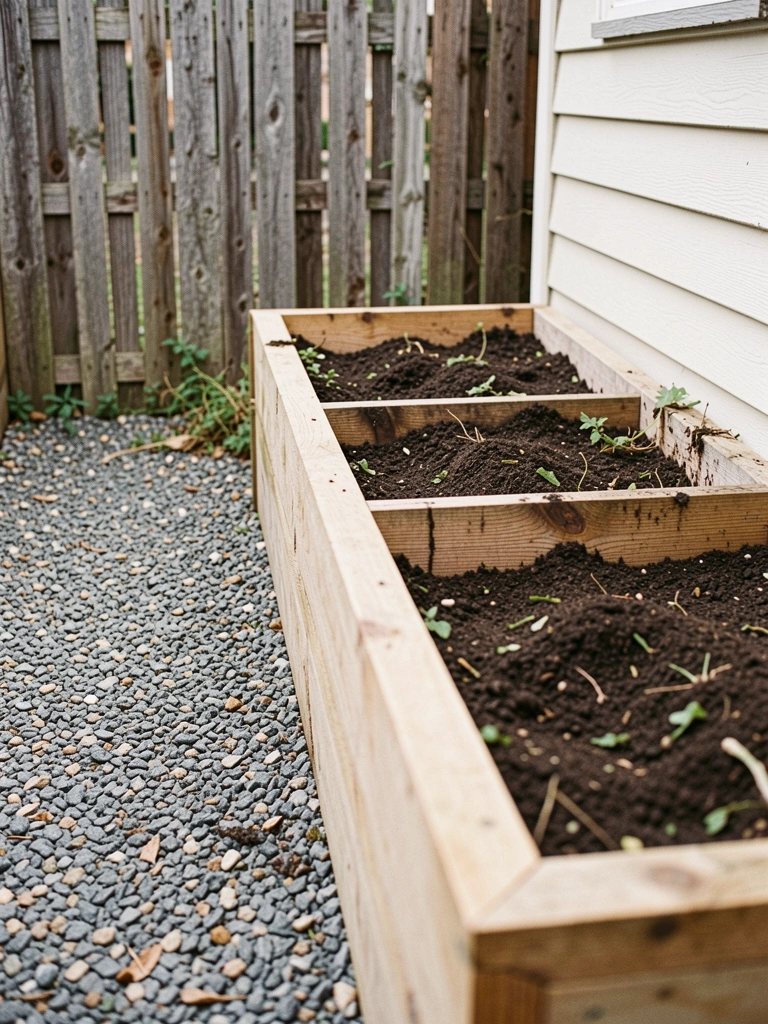
I set the first bed where light peaks. Offset from fence. Next one mirrors but leaves path open. Eye follows a gentle zig-zag.
Now beds frame the area. Not jammed. Feels wider already.
Insight: Odd numbers work best. Three beds pull together without symmetry overload.
Skip even spacing. Vary by a few inches. Looks natural, not forced.
Step 3: Stack Heights for Depth
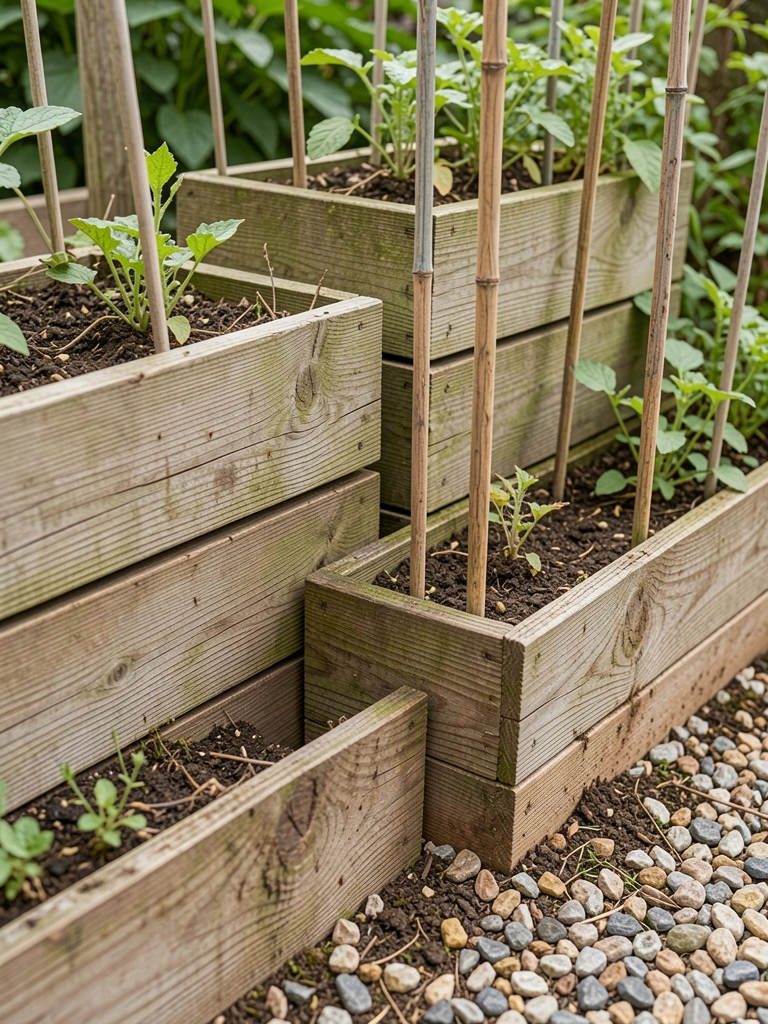
I add low bed upfront. Tall one behind with stakes. Creates layers. You look over short to tall.
View changes. Depth appears. Small space stretches.
Most forget vertical pull. Stakes lift eyes up, not out.
Avoid all same height. Flat line bores. Layers invite closer look.
Step 4: Anchor with Vertical Supports
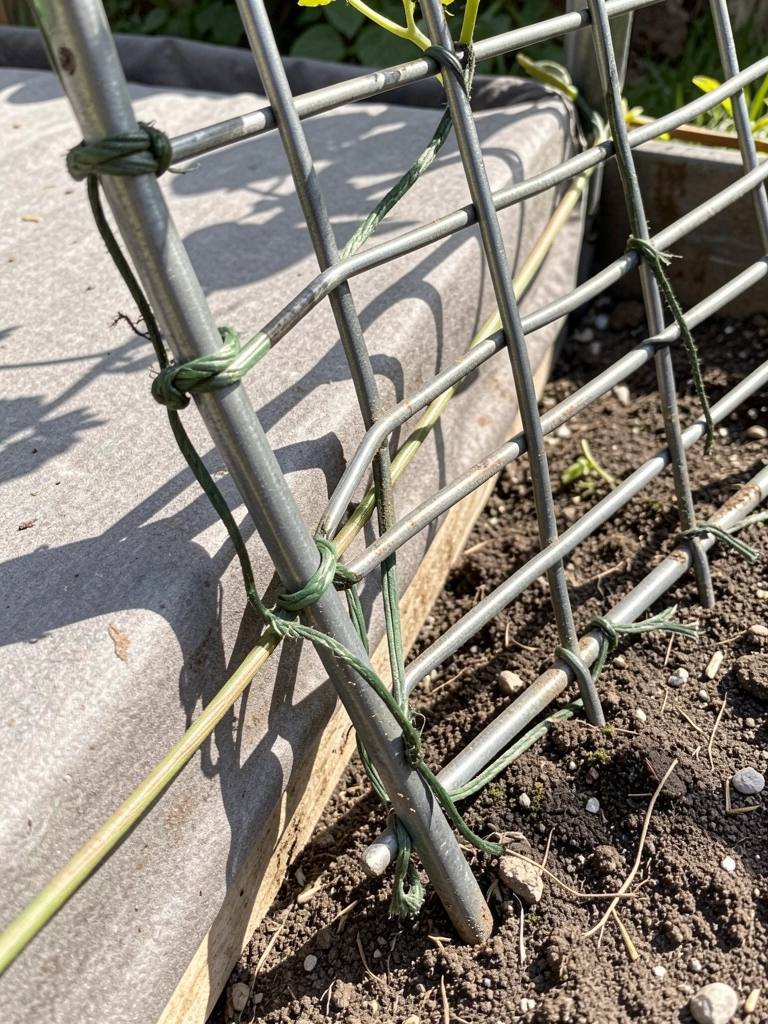
Trellis goes on back bed. Ties loose to wood. Vines climb later. Frees ground.
Beds gain height without width. Airy now.
People overlook ties. Too tight snaps in wind. Loose holds fine.
Don't overload one bed. Spread verticals. Balance stays.
Step 5: Fill and Settle for Flow
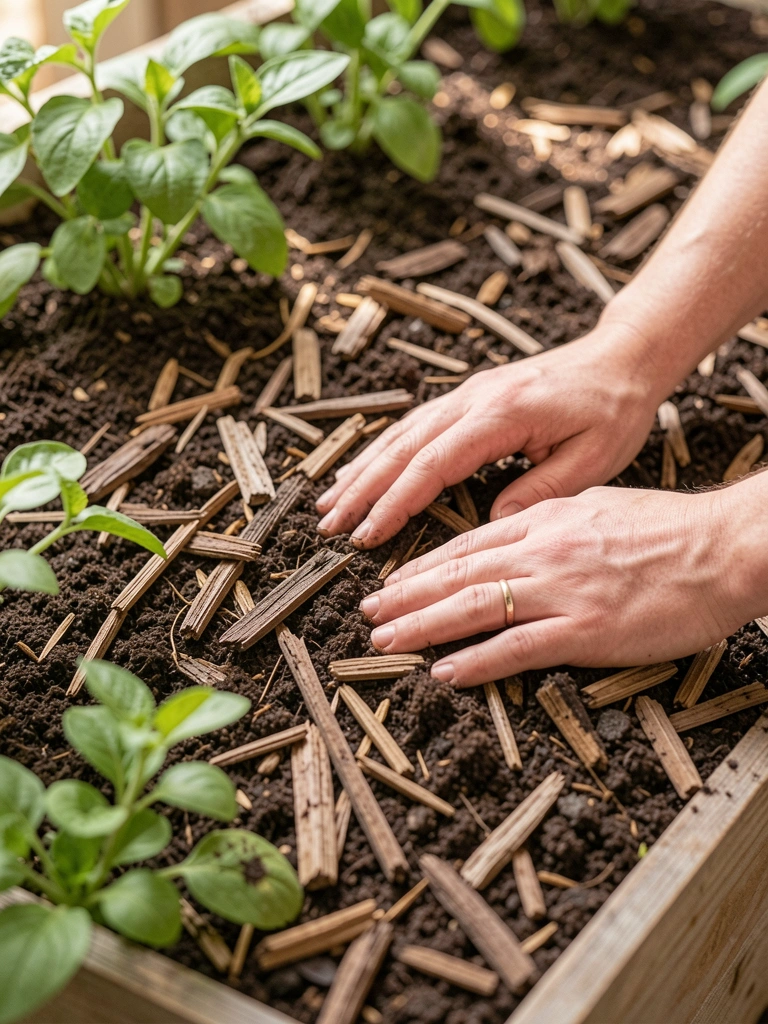
Soil in, plants spaced loose. Mulch tops it. Water settles. Step back.
Full but not stuffed. Colors connect across beds.
Missed tip: Trailing plants bridge gaps. Softens edges.
Rushing fill packs tight. Let settle overnight. Room grows.
Choosing Plants for Tight Beds
I pick compact growers. Tomatoes mid-bed, herbs edges. They fill without flop.
Leaves touch but don't crowd. Balance comes from repeat colors. Green to green.
- Compact basil softens corners
- Cherry tomatoes center height
- Thyme trails path edges
Green stays simple. One bold flower punctuates.
Scaling Beds to Your Spot
My patio took two short, one long bed. Yours might need halves.
Measure twice. Paths rule size.
- Under 100 sq ft: 2-3 beds max
- Add wheels for move
- Test walk before soil
Fits life. Adjusts season to season.
Year-Round Bed Tweaks
Winter, I swap annuals for kale. Sturdy stems hold snow.
Mulch thickens. Protects roots.
- Leafy greens fill gaps
- Cover soil bare spots
- Prune back sprawl early
Stays useful. No dead seasons.
Final Thoughts
Start with two beds if unsure. Rearrange once planted. It clicks.
You've got this. Small spaces reward thought.
Mine hums now. Yours will too. Just pace it.