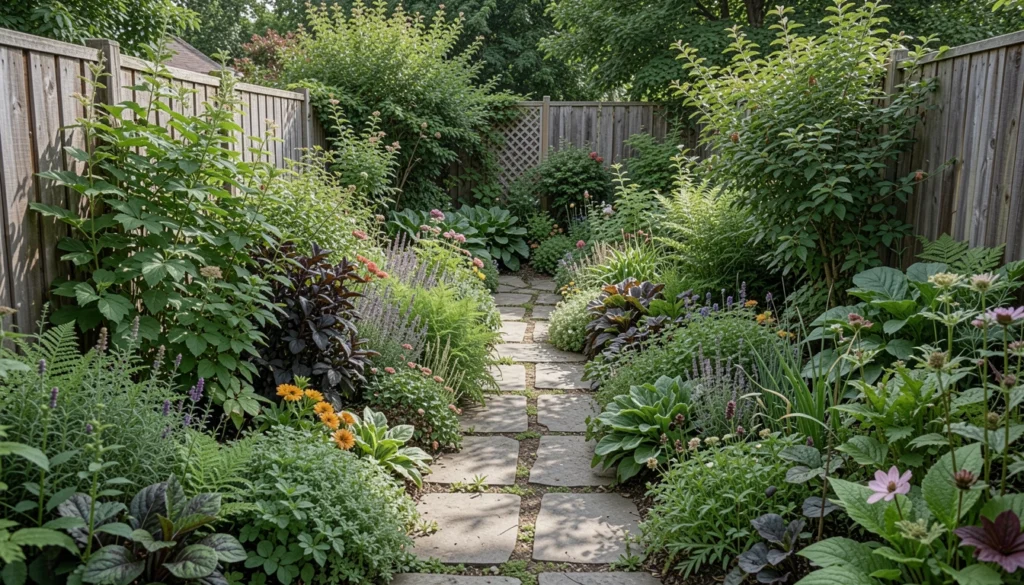
I stared at the muddy strip between my backyard beds. It tripped me up every time I walked through. Bare dirt turned to slop after rain. I wanted a path that blended in, not fought the garden.
Paths like that make everything feel off-balance. Plants lean over, but the ground stays empty. I fixed mine by growing it in.
Now it pulls the eye through soft greens and low blooms. You step light, no splash.
How to Grow a Garden Walkway
This shows you how I grow walkways that fill in naturally with plants. It settles into place over one season. Ends up balanced, soft underfoot.
What You’ll Need
- Creeping thyme seeds, 200-count packet
- Irish moss plugs, 18-pack ground cover
- Sedum spurium 'Tricolor' plants, 5-pack low grower
- Natural stepping stones, 12×12-inch slate set of 10
- Coarse sand, 50-pound bag for base
- Organic mulch, fine bark 2-cubic-foot bag
- Hand trowel, ergonomic wood handle
- Garden shears, 8-inch bypass pruner
Step 1: Trace Your Path Line
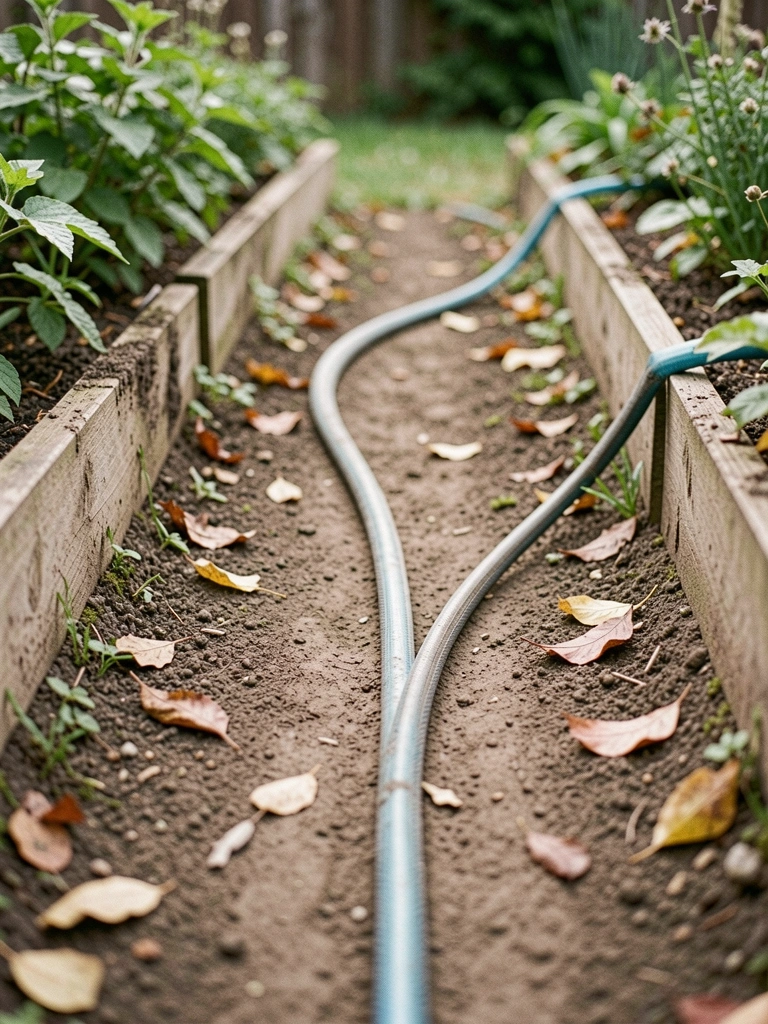
I walk the route I take most. Lay a hose along it. Curve it gentle where beds bend. This sets the flow before anything goes in.
The line softens right away. No straight gashes. It pulls your eye smooth through the garden.
People miss how a slight bend invites steps. Avoid straight lines—they feel forced.
I skip measuring tape. Eye it till it sits right.
Step 2: Set the Base Stones
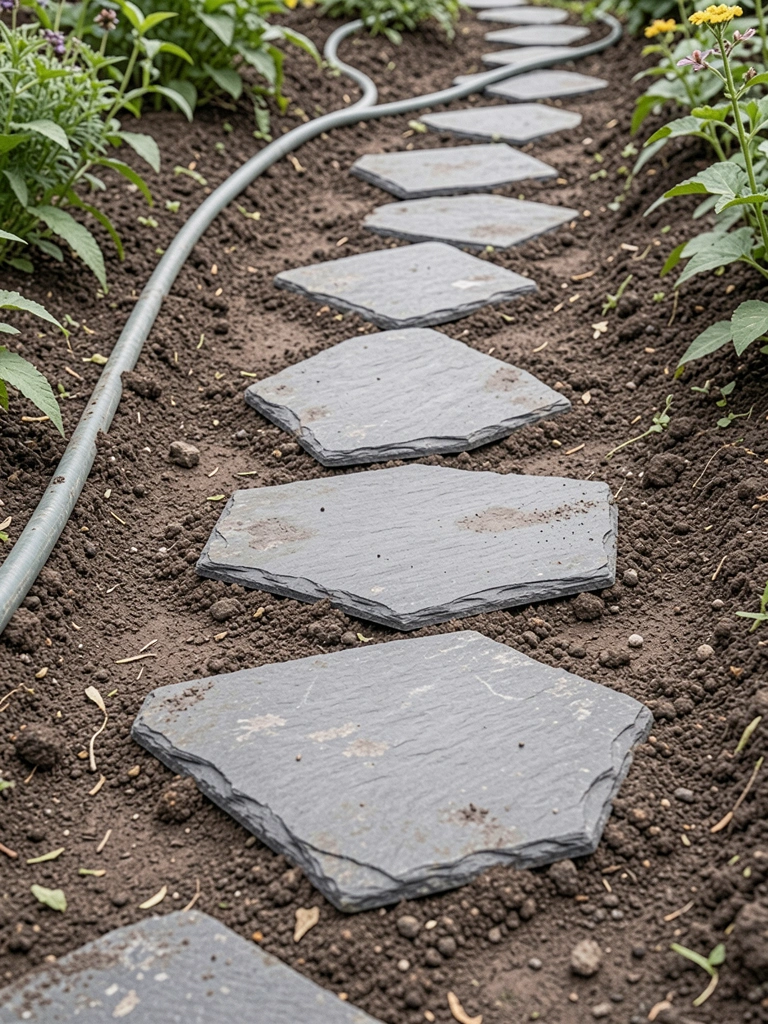
I dig shallow spots for stones. Drop them in where feet fall natural. Space them foot-width apart. They anchor the path without crowding.
Ground firms up under them. Plants get room to creep between.
Insight: stones sink if soil's too wet—wait for dry days. Don't pack tight; gaps let roots spread.
Press firm with my boot. It holds steady.
Step 3: Fill Gaps with Ground Covers
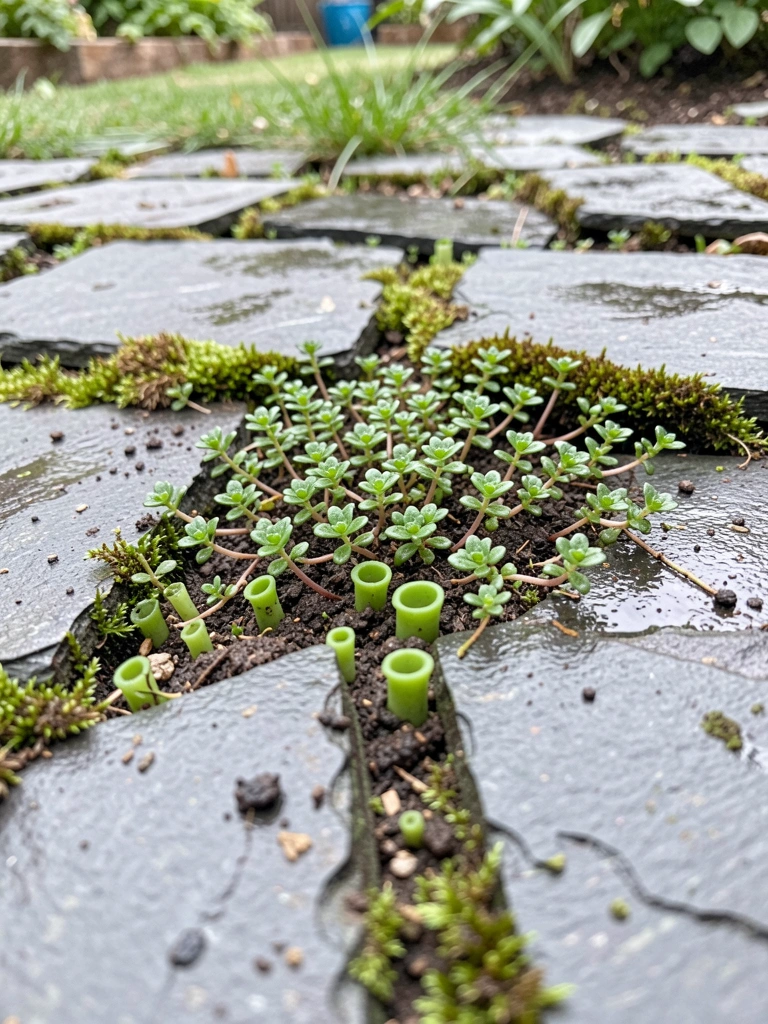
I tuck thyme and moss plugs into gaps. Poke holes with trowel. Firm soil around roots. Water deep once.
Greens pop against stones. Path starts to breathe, not bare.
Most forget sun check—thyme loves it, moss shade. Avoid overcrowding; plants need air.
It greens fast. Feels alive already.
Step 4: Add Edge Layers
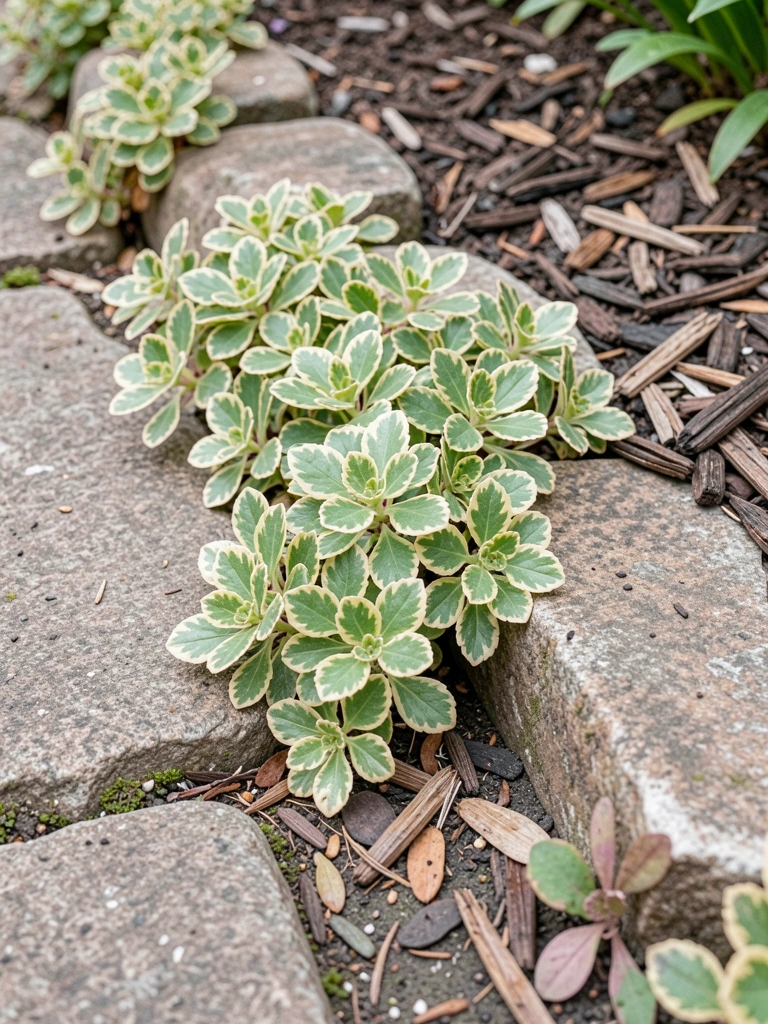
I plant sedum along edges. Low mounds frame the path. They lean in soft, hold soil back.
Edges define without walls. Balance shifts—path centers now.
Missed bit: taller edges block flow—keep under six inches. Don't plant too deep; crowns stay level.
It ties beds to path. Steady look.
Step 5: Mulch and Settle
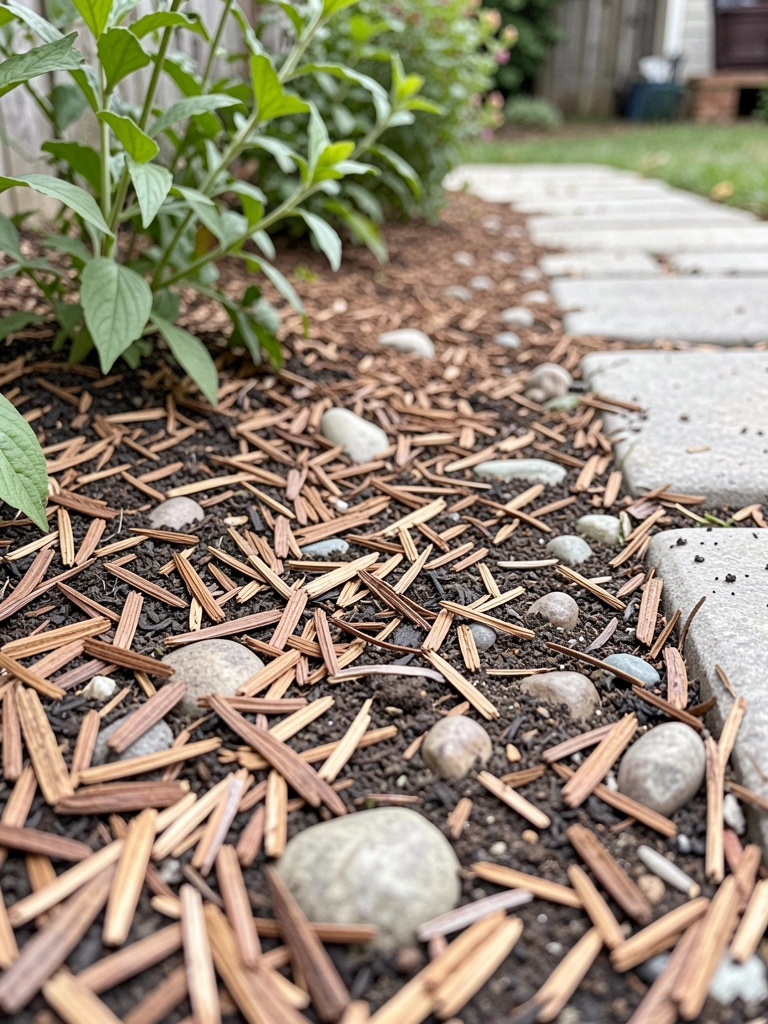
I spread thin mulch over soil. Keeps damp, feeds roots. Light layer—no thick blanket.
Colors warm up. Path blends into garden skin.
People pile mulch high—it smothers. Avoid that; let plants poke through.
Water weekly first month. It roots deep.
Step 6: Trim for Flow
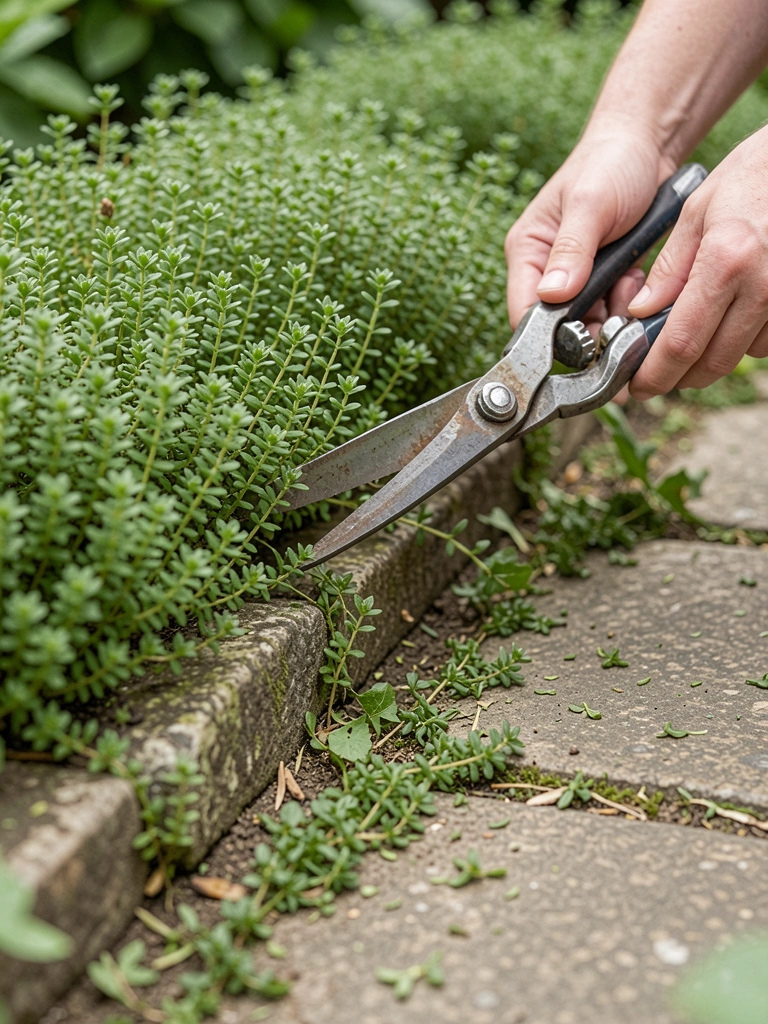
After weeks, I snip strays. Keep centers clear for steps. Shape follows foot traffic.
Path stays open, plants thicken sides.
Insight: trim wet plants—they tear. Don't shear flat; round keeps natural.
It walks smooth now. Balanced.
Choosing Plants That Thrive
I pick tough growers for walkways. They take foot traffic and fill gaps.
Thyme releases scent when stepped on. Moss stays plush in shade.
- Creeping types spread two feet wide.
- Mix heights under four inches.
- Check your soil—sand for drainage.
They settle in quiet.
Keeping Balance Year-Round
Walkways shift with seasons. Bare spots show winter.
I add spring bulbs between stones. Summer sedum holds color.
Evergreens like moss bridge gaps. It stays green, soft.
Feels lived-in always.
Fixing Common Hitches
Paths can clump or thin.
If muddy, add more sand base. Yellow leaves mean too much water—ease off.
- Trim monthly.
- Divide thick spots yearly.
- Replant bare edges.
Stays even with watch.
Final Thoughts
Start with one short path. Watch it fill.
You've got this—soil and time do most work.
Now your steps guide through garden easy. Grounded, right.