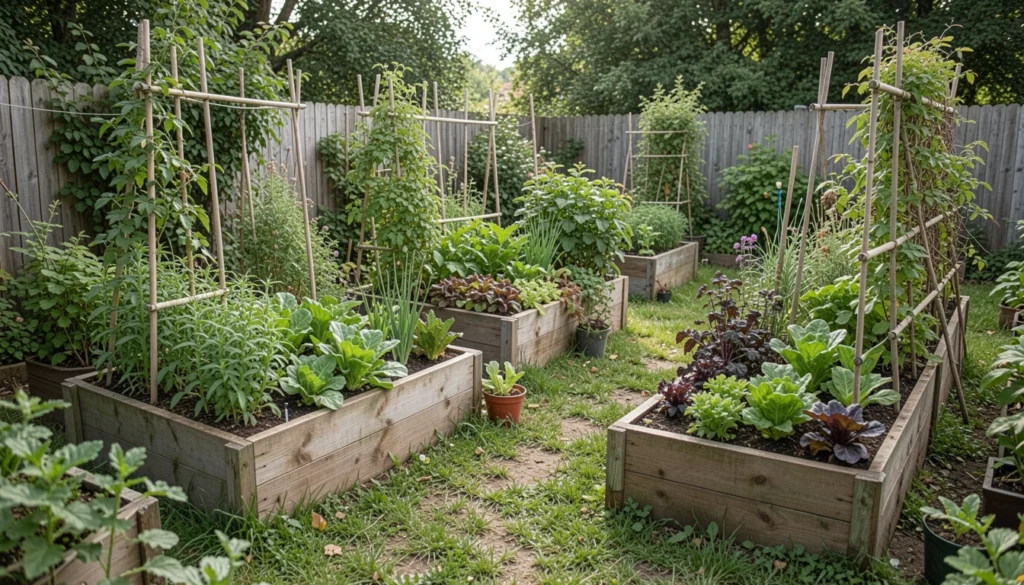
I remember staring at my backyard dirt patch. Raised beds made sense for veggies, but laying them out? Paths ended up too narrow. Plants crowded one end. The whole space felt off-balance.
I'd tweak it weekly. Nothing clicked until I slowed down. Now, my beds flow right.
You can get this too. No guesswork.
How to Layout Raised Garden Beds for Beginners
This method helps you place beds so they fit your space and feel right. Paths stay walkable. Plants get sun and air. You'll end up with a garden that works every season.
What You’ll Need
- 12-inch wooden garden stakes (pack of 50)
- Natural jute garden twine (200-foot spool)
- Heavy-duty landscape fabric pins (100-count)
- Galvanized steel garden edging (10-foot rolls)
- Assorted herb seedlings (basil, thyme, oregano)
- Determinate tomato plants (4-pack)
- Organic mulch (bagged cedar)
- Wheelbarrow garden kneel pad (kneeling foam)
Step 1: Pick Your Main Spot and Test the Sun
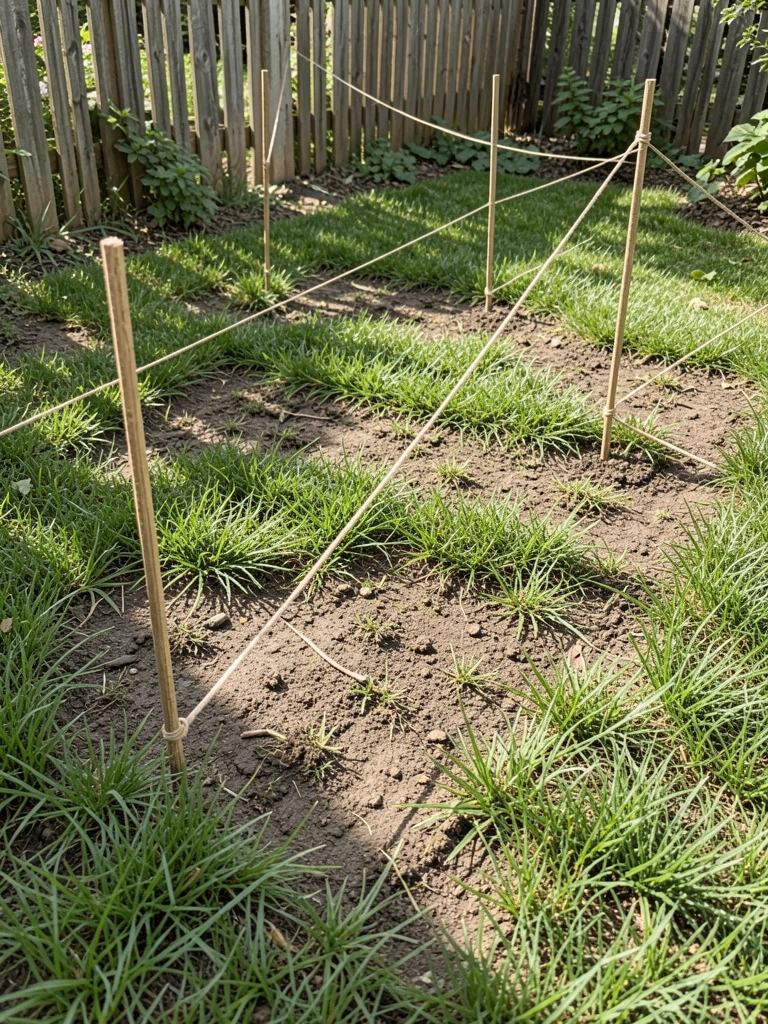
I walk the yard at 10 a.m. and 3 p.m. Stake corners where sun hits longest. String lines between them. This shows where beds won't shade each other.
Visually, the yard divides into sunny zones. Bare spots turn promising.
Most miss how afternoon shade sneaks in from trees. Stake high to catch it.
Don't cram beds against fences. Leave a foot gap for air.
Step 2: Sketch Paths First for Easy Reach
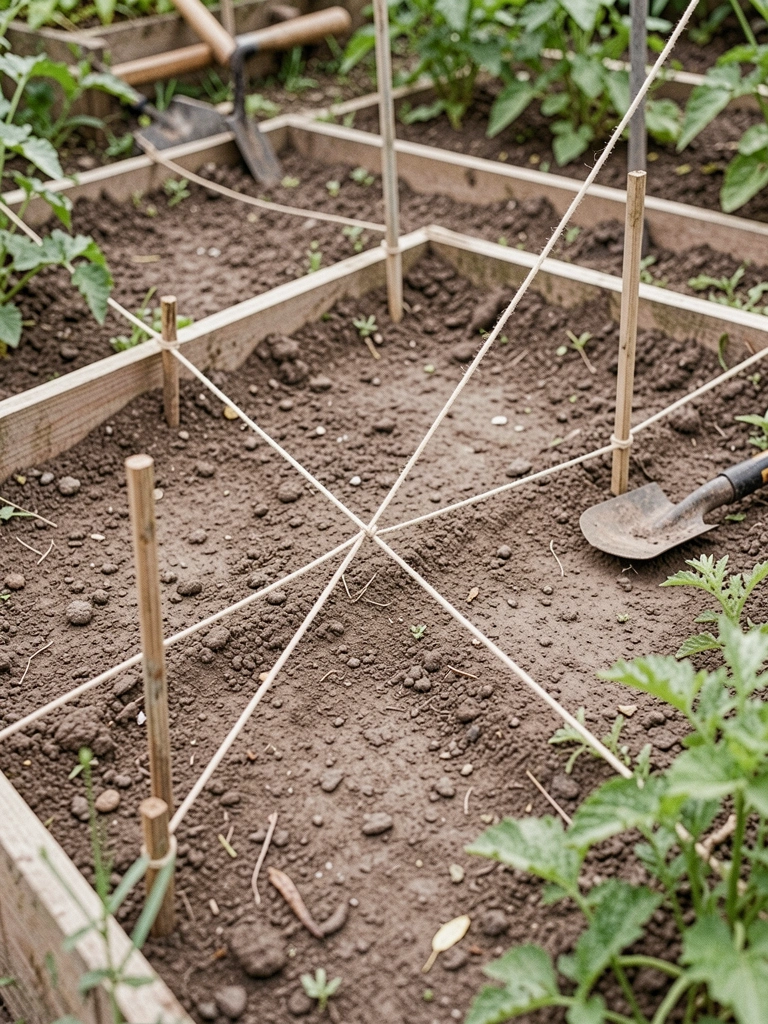
Paths come before beds. I string twine two feet wide between stakes. Walk them. Adjust until reaching every spot feels natural.
Now, the layout breathes. Empty lines guide where beds sit.
People forget paths widen at corners. Turn without tripping.
Skip narrow paths under two feet. You'll regret hauling soil later.
Step 3: Set Bed Sizes to Fit Your Flow
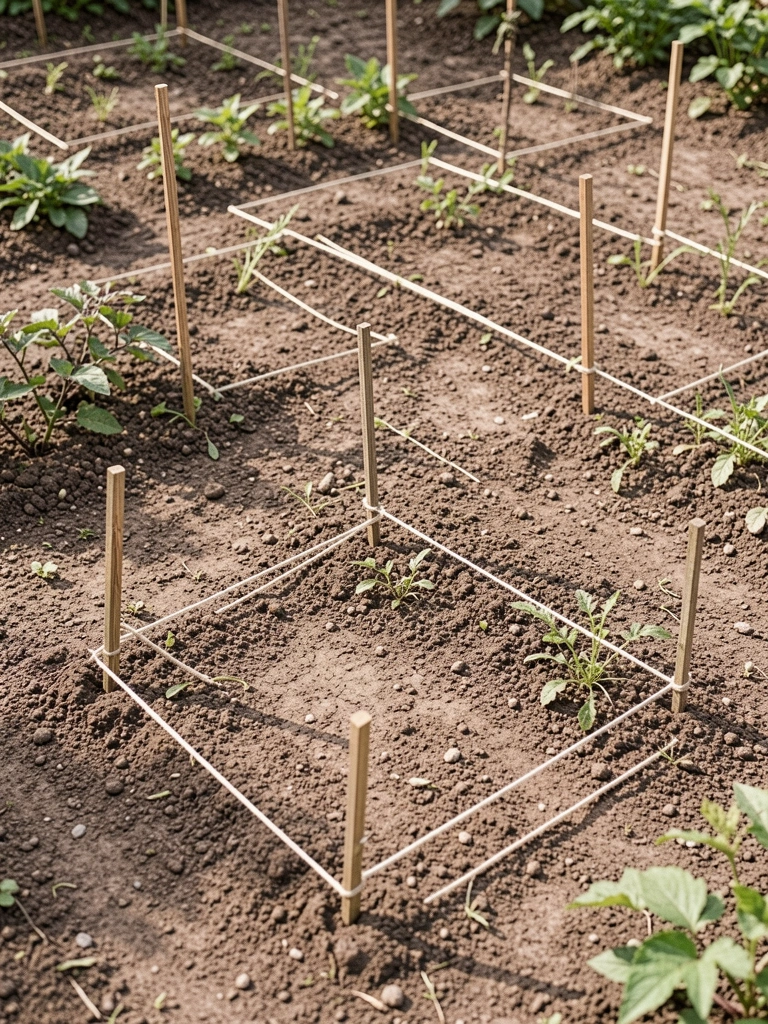
I make beds four feet wide max. Reach across without stepping in. Length matches the path curve—eight to twelve feet usually.
The space settles. Beds hug paths like they belong.
Insight: Taller beds in back fool the eye into balance.
Avoid all beds same size. It looks boxy, not lived-in.
Step 4: Group Plants by Height and Need
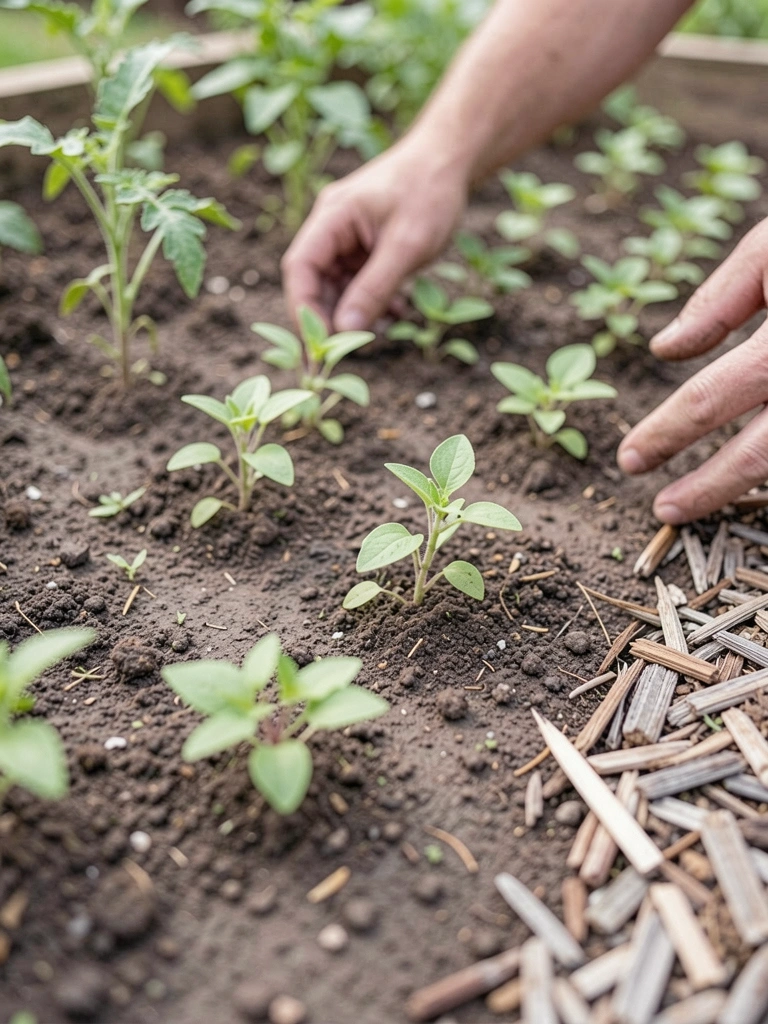
Tall tomatoes go north end. Low herbs fill front. I eye the heights together.
Layers emerge. Back fills first, front softens it.
Missed tip: Cluster thirsty plants. Watering stays simple.
Don't line edges uniform. Mix for comfortable flow.
Step 5: Step Back and Tweak the Balance
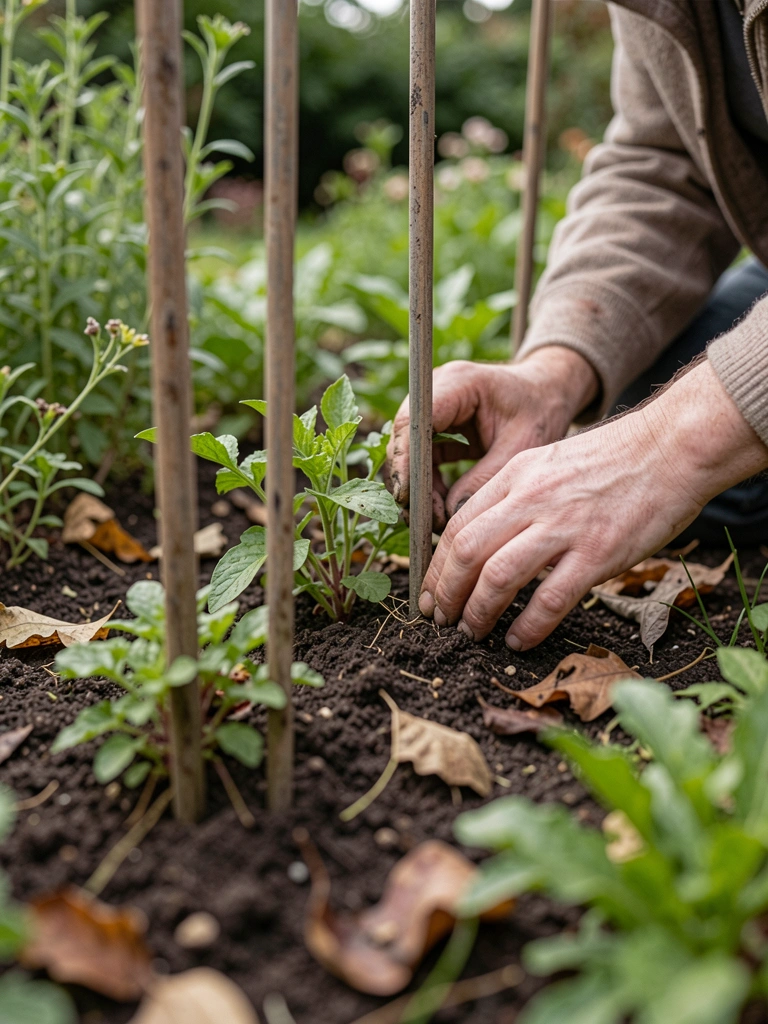
Walk ten feet back. View from door too. Nudge stakes half-inch if one side pulls heavy.
Balance clicks. Whole yard connects.
People plant before this. Layout shifts later.
Steer clear of perfect rows. Slight curves feel right.
Choosing Plants That Fit Your Beds
I start with what grows easy here. Tomatoes for height, herbs for edges.
Sun-lovers center. Shade-tolerant fill gaps.
- Basil near tomatoes—bugs stay away.
- Thyme trails low, covers soil.
- Peppers mid-height, even harvest.
This keeps beds full, no bare spots.
Handling Uneven Ground
My yard slopes. I level beds slight, not flat.
Pin edges firm. Mulch evens it.
Common fix:
- Add soil high side.
- Stake deep on lows.
Beds hold steady. Water flows right.
Simple Ways to Expand Later
One bed works first. Add along paths next year.
Watch sun shift. Adjust groups.
- Keep paths clear.
- Reuse stakes.
Grows with you, no overwhelm.
Final Thoughts
Start with two beds. Feel the paths underfoot.
You'll see balance fast. It gets easier each tweak.
Your garden settles in. Just right for you.