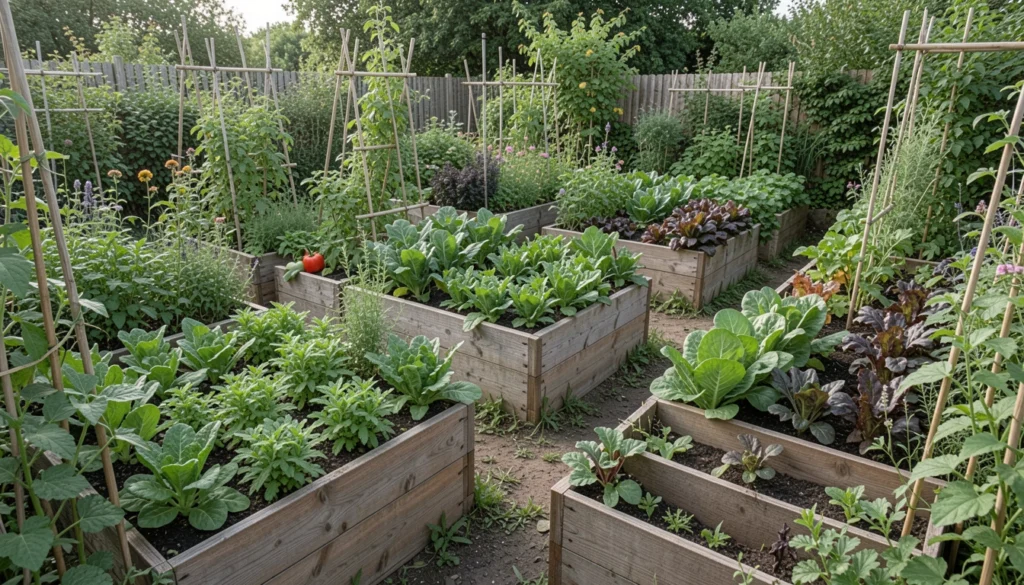
I stared at my backyard patch last spring. Weeds everywhere, soil too heavy for carrots or beans. Veggies struggled in the ground. Felt unbalanced, like nothing fit.
Raised beds changed that. I placed them where sun hits steady. Now tomatoes lean just right, greens fill gaps. It flows.
You can do this too. Starts with seeing your space clearly.
How to Design Raised Garden Beds for Vegetables
This guide shows my way to place and balance raised beds so vegetables thrive. You’ll end up with beds that feel right—full, even, productive. It works in small yards.
What You’ll Need
- 4×4-foot cedar raised garden bed kit
- 2 cubic feet organic vegetable garden soil mix
- Heirloom tomato seedlings pack of 6
- Bush bean seeds 1 ounce packet
- Leaf lettuce starter plants tray of 12
- Straw mulch bale 3 cubic feet
- Galvanized steel trellis 4-foot height
- Compost manure blend 40-pound bag
Step 1: Pick Your Spot for Sun and Flow
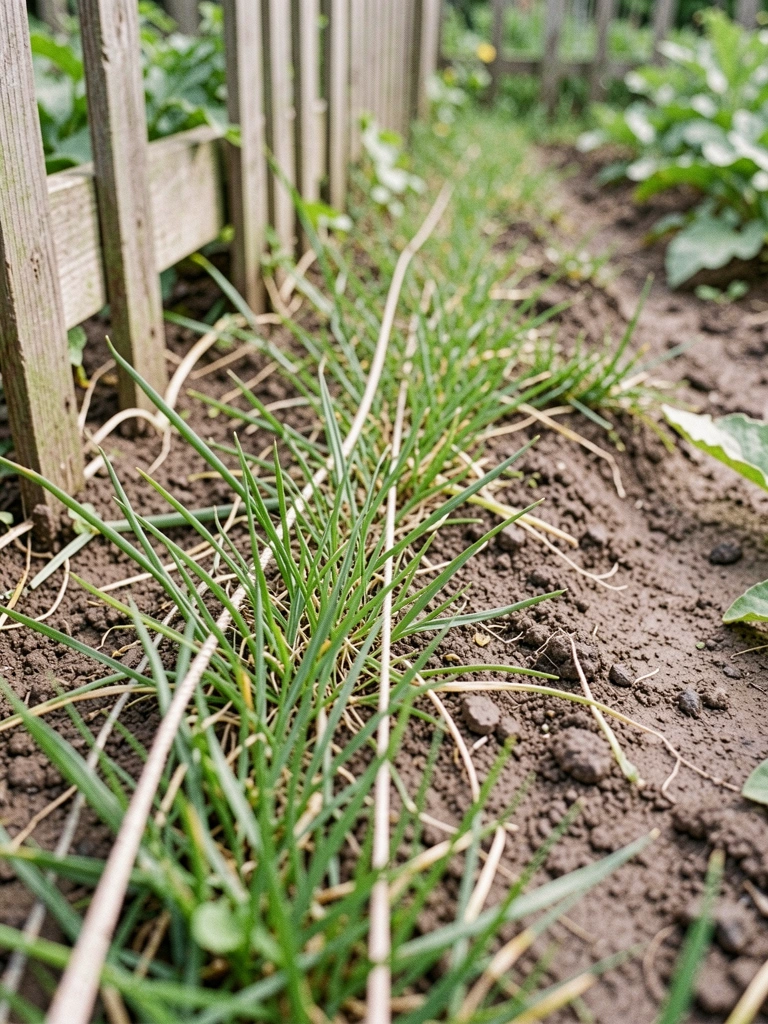
I walk my yard at noon. Sun strongest there. I mark a flat 4×8 area. Why? Beds need six hours light. Veggies lean toward it naturally.
Visually, it shifts. Empty grass becomes a frame. Greens will spill soft edges later.
People miss how paths feel. Leave 2 feet between beds. Avoid squeezing—tripping jars the balance.
Don’t pick shade corners. One bed in partial sun starved my beans once.
Step 2: Sketch the Bed Shapes and Sizes
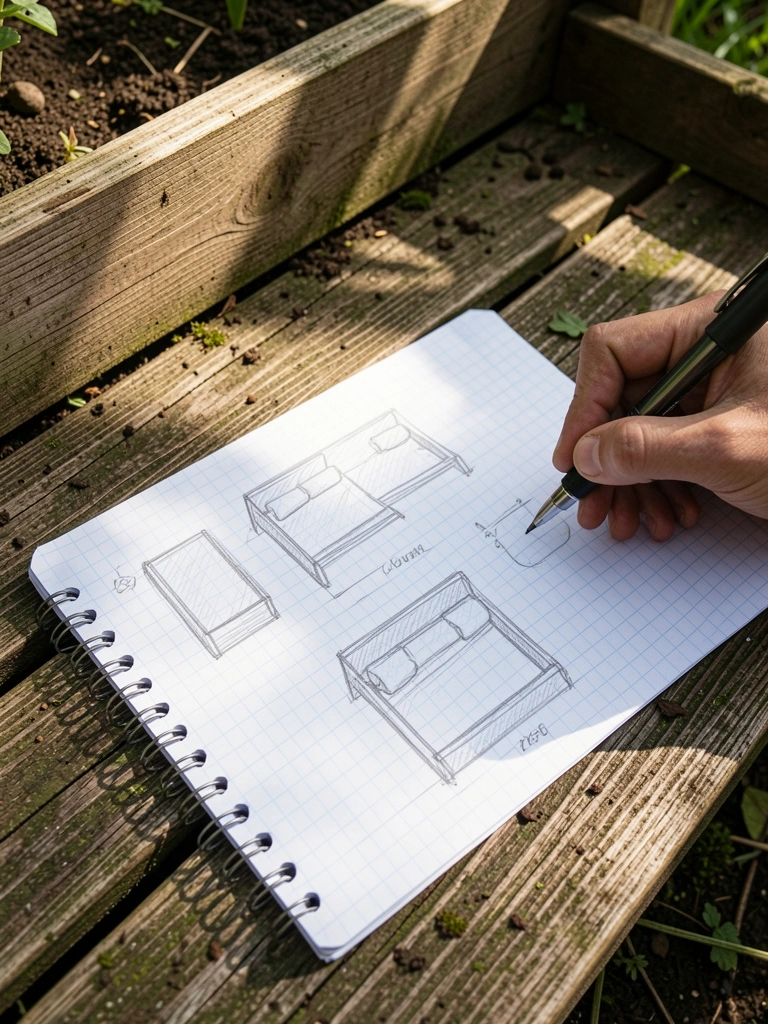
I grab paper, draw rectangles. Two 4×4 beds, one 4×8. Tall plants back, short front. Creates layers you see from the house.
The yard calms. Shapes hug the fence, no jutting edges.
Insight: Scale to your reach. I arm’s length across keeps weeding easy. Miss that, beds feel distant.
Skip odd angles. Straight lines ground it. Curves overwhelmed my small space.
Step 3: Plan Plant Placement for Balance
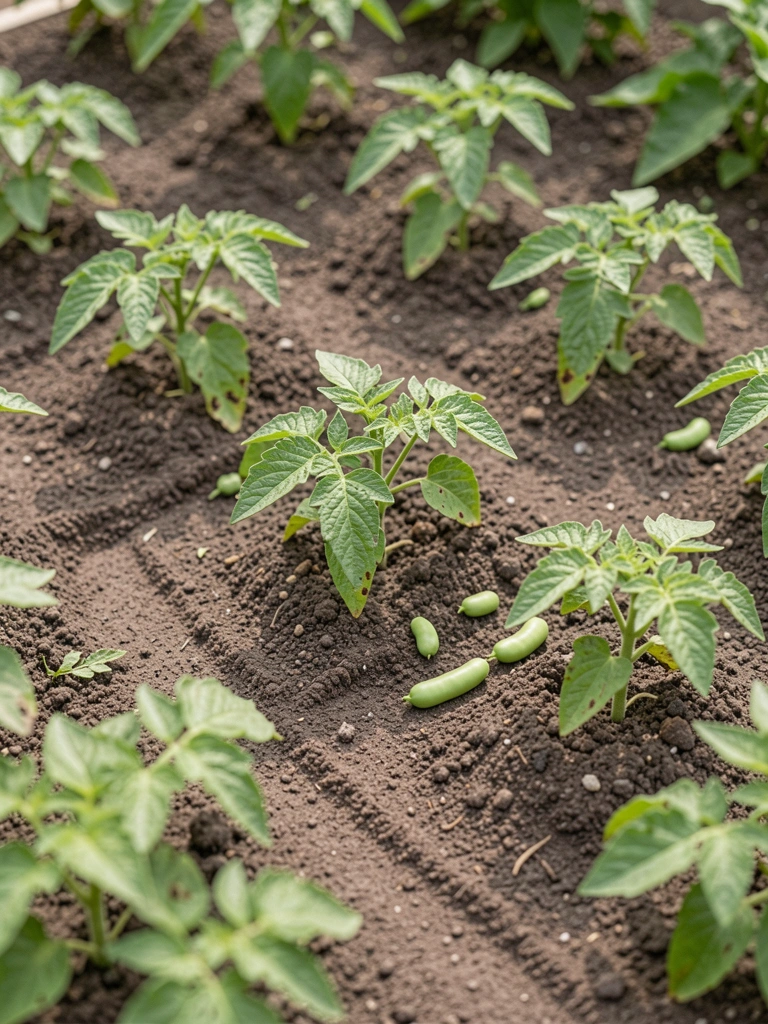
I group tomatoes center-back with trellis. Beans edge sides, lettuce front. Tall shades low without crowding.
View changes—beds look full already. Vertical pull draws your eye up clean.
Most overlook companions. Tomatoes near beans deter pests. I plant them close; no sprays needed.
Avoid all tall center. It blocks light. Flattened my first bed’s output.
Step 4: Fill and Settle the Beds
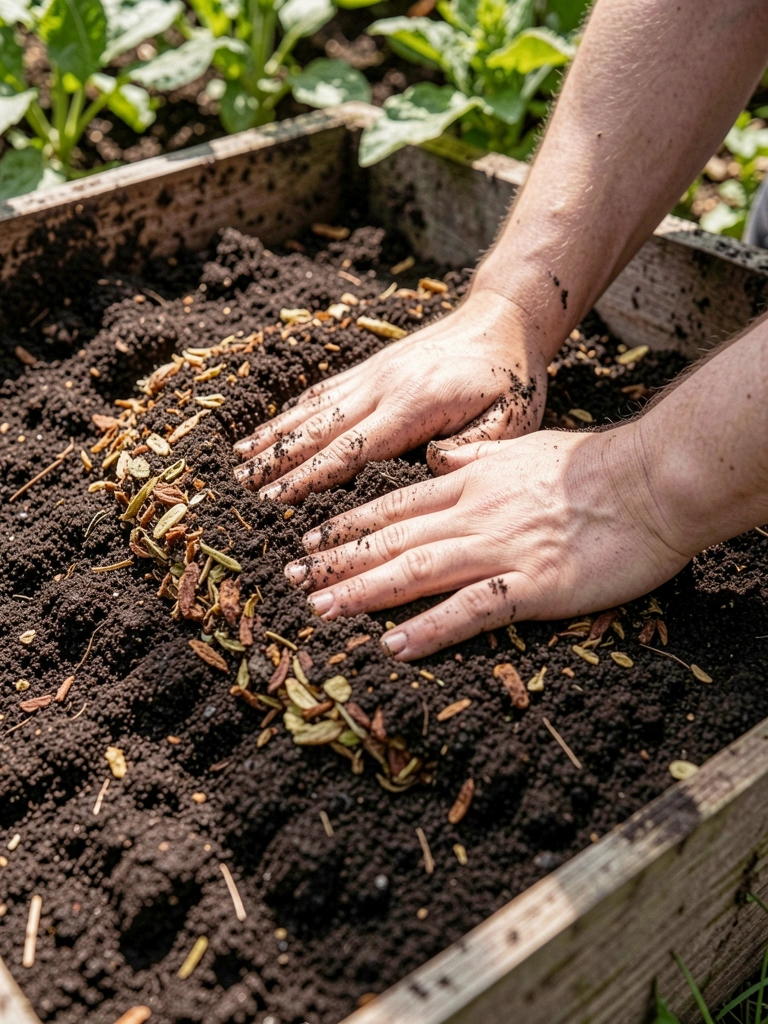
I layer soil, compost deep. Water slow. Plants go in pockets—root room matters.
Beds sink even. Surface smooth, ready for growth.
Tip others skip: Settle soil wet. Dry packs hard, roots fight.
Don’t overfill edges. Mounds erode paths. Keeps it neat.
Step 5: Mulch and Step Back
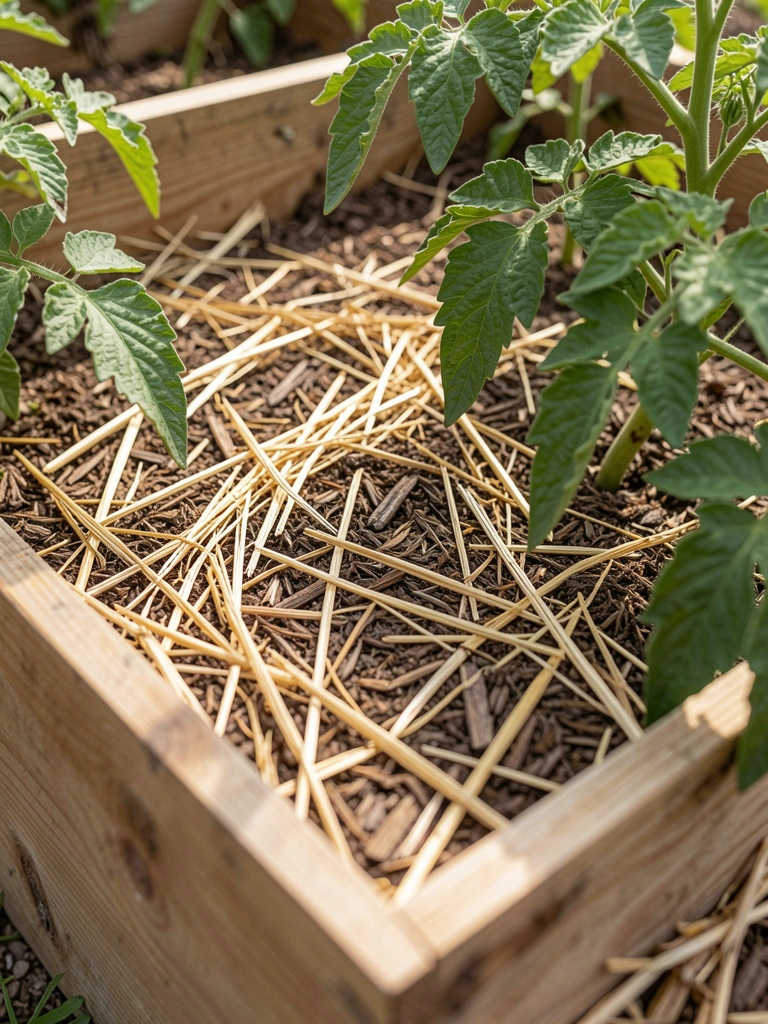
Straw goes light over soil. Covers gaps, holds water. I stand back, walk paths.
Now balanced—warm tones, no bare dirt. Feels tended.
People forget the pause. Adjust one plant. That nudge perfects it.
Skip thick mulch first. Smothers seedlings. Thin layer breathes.
Choosing Vegetables for Your Beds
Stick to what grows easy in your zone. I pick heat-lovers like tomatoes with cool greens.
- Tomatoes back row—reach high.
- Beans mid—fill space quick.
- Lettuce front—cut often.
Mix heights. One type bores the eye. My all-tomato bed felt heavy.
Companion Planting Basics
Pair smart. Tomatoes with beans chase bugs off.
Basil near peppers sharpens flavor. I tuck it in; harvest smells right.
Avoid potatoes near tomatoes. They share blight. Ruined my row once.
Year-Round Bed Care
Water deep mornings. Mulch yearly.
Top with compost fall. Worms work it in.
Check paths weekly. Weeds creep fast.
Final Thoughts
Start one bed. See how it sits.
You’ll notice the shift—space works better.
These beds give steady veggies. Yours will too. Just place thoughtful.