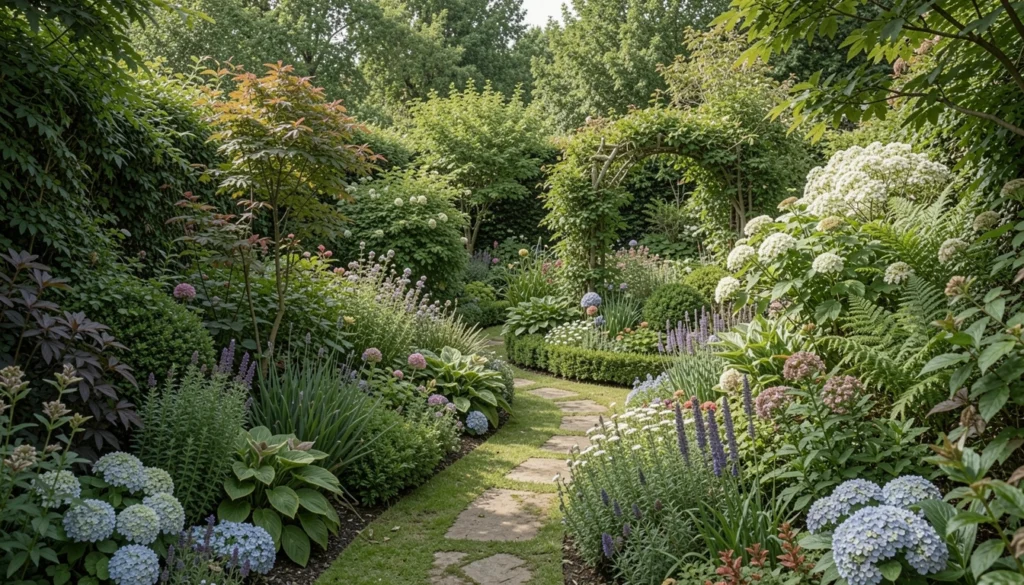
I stared at my backyard bed one spring. It was flat and stiff. No flow, no life. I wanted that soft English garden look—lush, layered, comfortable. But mine felt forced.
I'd planted roses here, herbs there. Still empty. The balance was off.
Then I stepped back. Felt the space. That's when it clicked.
How to Design an English Garden
This is the way I shape any space into a balanced English garden. You'll end up with layered beds that feel lived-in and right. It's simple once you see it.
What You’ll Need
- David Austin English roses in soft pink
- Biennial foxgloves for height
- Lavender 'Hidcote' shrubs
- Delphinium 'Pacific Giants' mix
- Campanula persicifolia bells
- Sweet peas climbing seeds
- Natural willow garden stakes 6-foot
- Organic bark mulch 2-cubic-foot bag
Step 1: Walk Your Space and Feel the Lines
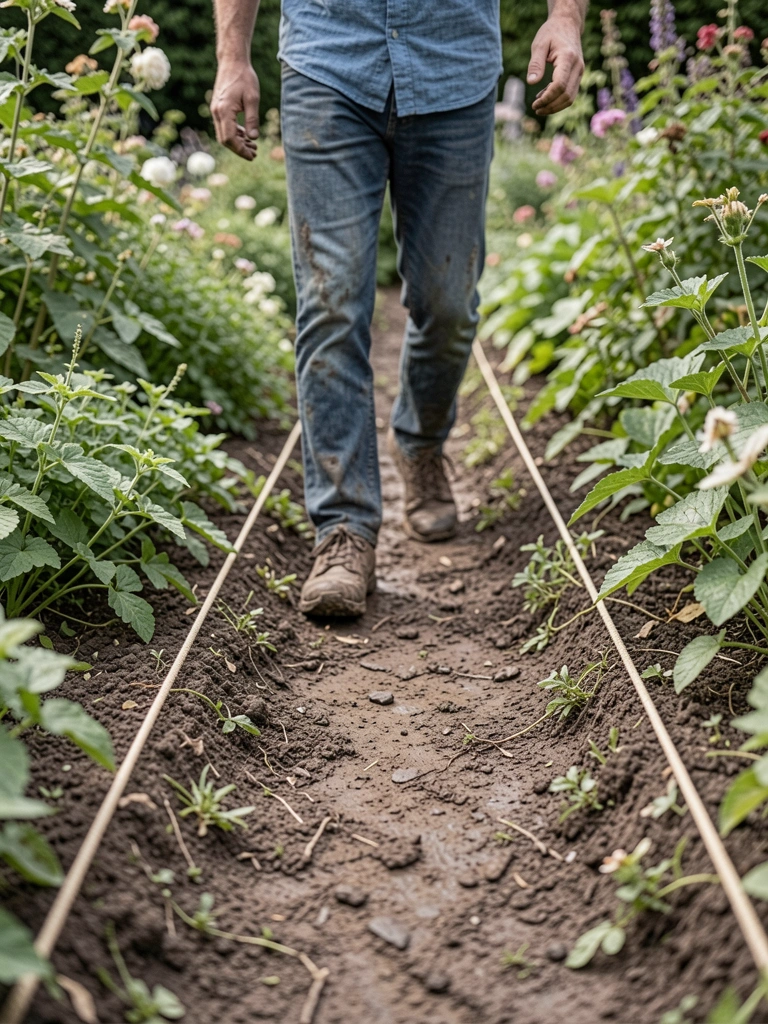
I walk the area first. Barefoot if warm. Notice where my eyes pull—curves, not straight lines. English gardens breathe easy, so I sketch loose paths on paper. Why? It sets a natural rhythm.
Visually, the ground shifts. Empty dirt gains shape. Lines soften.
People miss how paths guide the eye. Without them, plants crowd. Avoid marking too neat—let edges blur.
Step 2: Anchor with Low Shrubs for Backbone
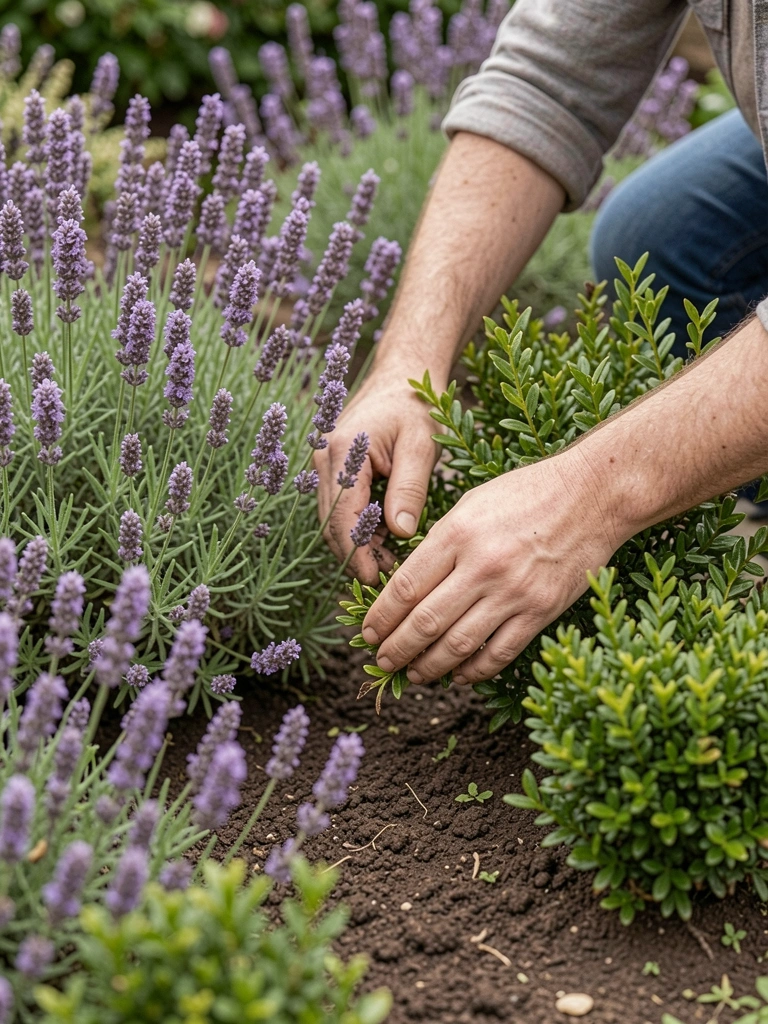
I plant lavender or low shrubs along the back and edges. They hold the space steady. Not rigid hedges—just enough structure.
The bed firms up. Green base appears, ready for layers.
Folks forget shrubs ground the chaos. Skip them, and it flops. Don't cram—space for air.
Step 3: Layer Tall Plants in Drifts
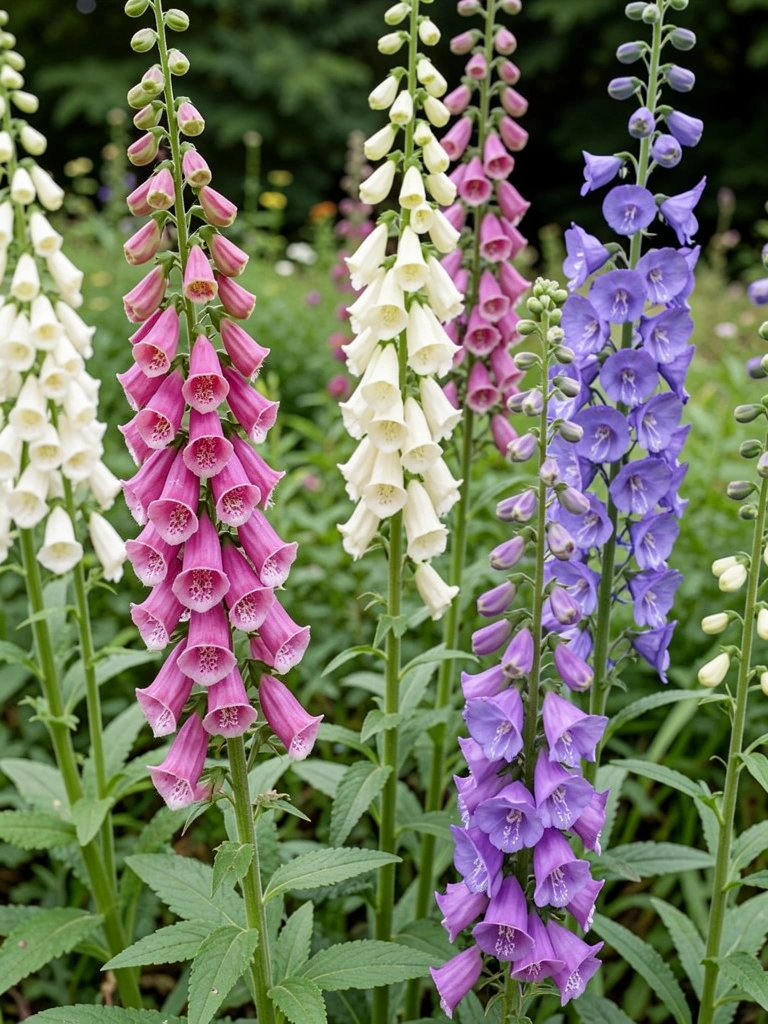
Foxgloves and delphiniums go next, in odd-numbered groups. Taller at back, drifting forward. This builds height without stiffness.
Layers emerge. Skyward spikes balance low greens.
The miss: even spacing kills flow. Plant tight, let them mingle. Avoid solo towers—they look lost.
Step 4: Weave Mid-Height Perennials
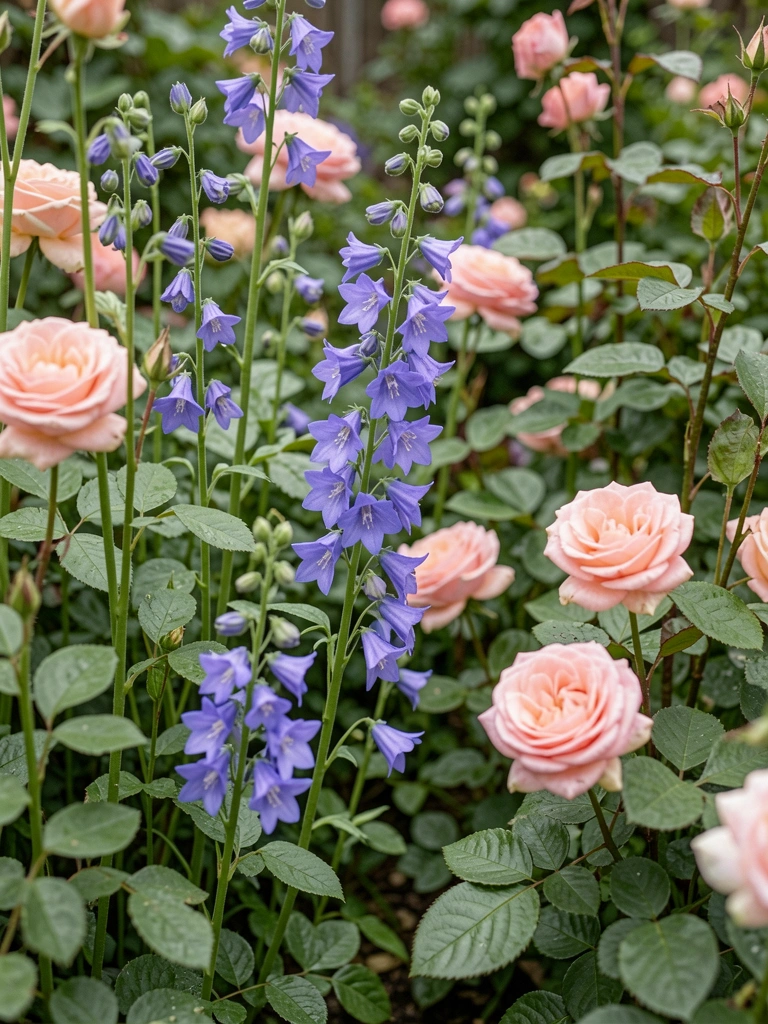
Campanula and roses fill gaps now. I weave them in, brushing taller stems. Colors soft—pinks, blues, purples.
Depth grows. Textures mix, cozy.
People plant by color blocks. Wrong—blend for calm. Don't overfill edges; keep center open.
Step 5: Trail Climbers and Groundcovers
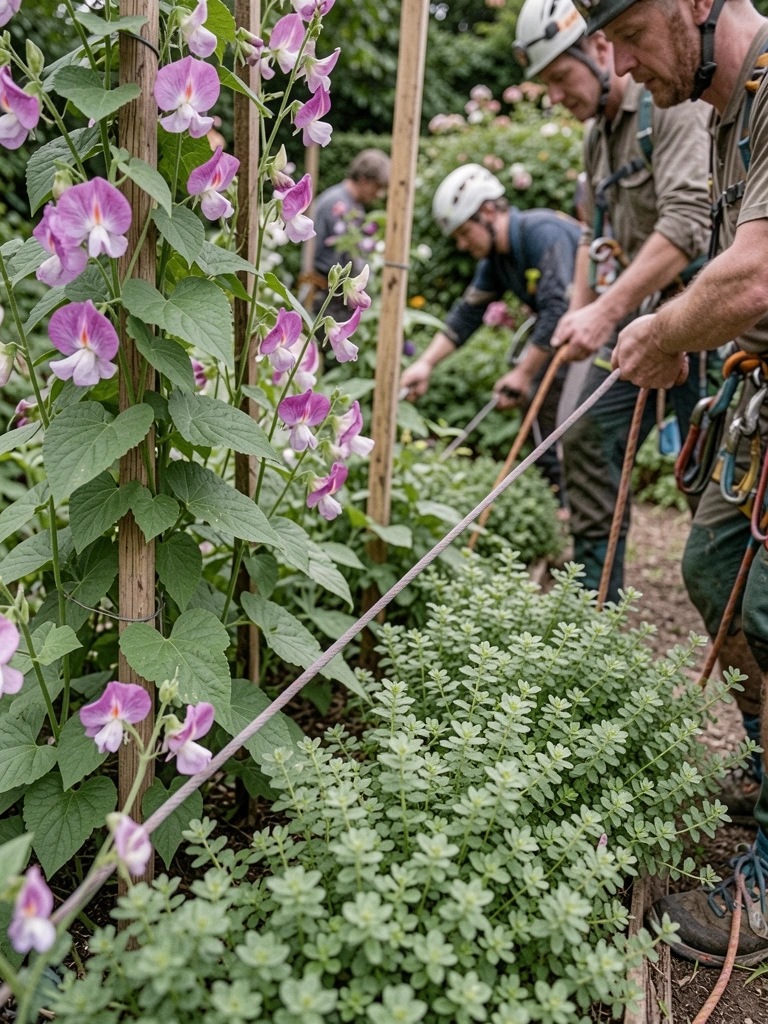
Sweet peas climb willow stakes loosely. Groundcovers trail forward. Mulch ties it down.
The garden settles. Flow connects top to bottom.
Insight: climbers pull eyes up gently. Miss them, flatness stays. Avoid tight ties—let vines sway.
Step 6: Step Back and Adjust Balance
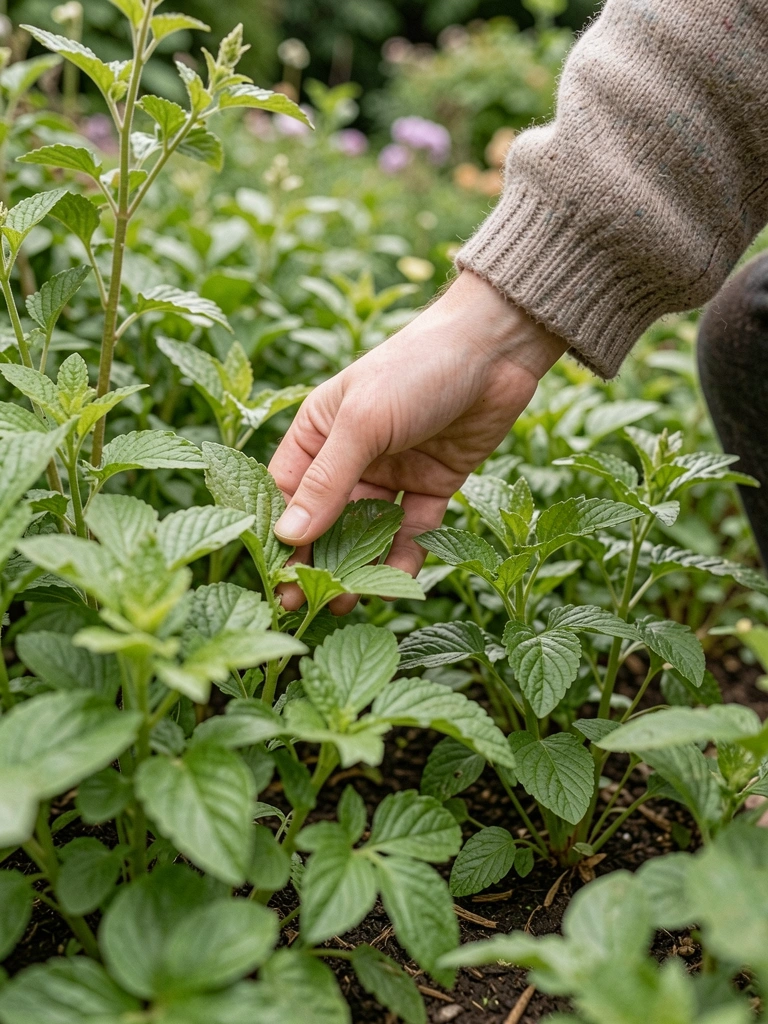
I sit with tea, watch light shift. Nudge a stem here, gap there. Balance feels even—full, not fussy.
It lives. Shadows play, plants lean together.
Common skip: daily tweaks early. Static kills it. Don't chase perfection—one off-center drift works.
Choosing Plants That Layer Well
I pick plants for seasons, not flash. They overlap bloom times.
Foxgloves spike first, then roses hold summer. Lavender lasts.
- Soft pinks and blues blend.
- Heights from 1 to 6 feet.
- Fragrant picks draw you in.
This keeps the garden comfortable year-round.
Shaping Paths for Flow
Paths aren't afterthoughts. Gravel or stepping stones curve gently.
I lay them after plants settle. They invite walks.
Wider at beds, narrow to seats. No harsh edges—moss creeps in.
Balance pulls you through without trying.
Handling Common Imbalances
Sometimes one side sags. I add a tall drift opposite.
- Check from gate view.
- Trim sparingly.
- Water even.
It evens without work. Patience shows the fix.
Final Thoughts
Start with one bed. Feel it out.
You'll see the balance click. No rush—plants teach you.
Your garden will feel right. Lived-in, yours.