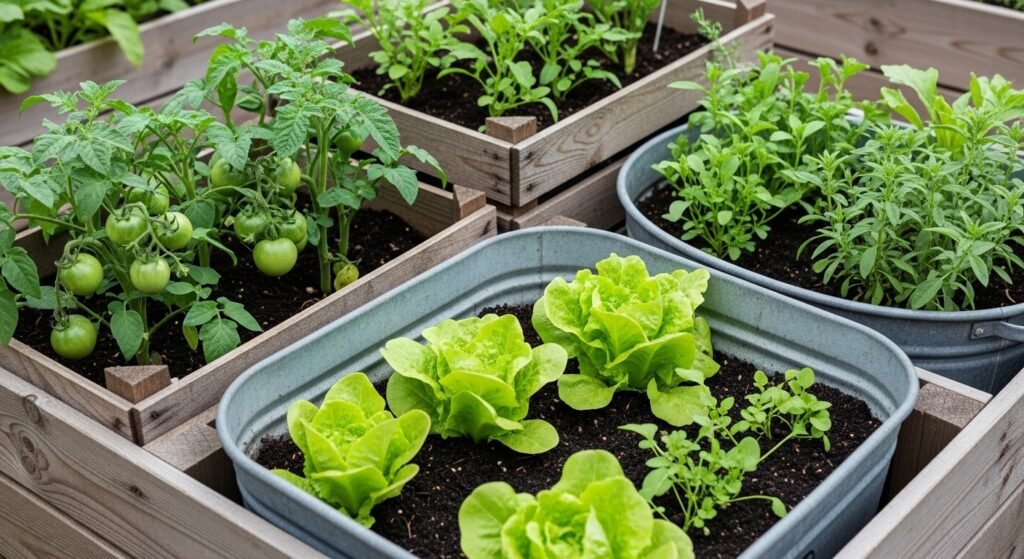
I remember the year my ground-level veggies drowned in clay soil. Everything rotted before it grew.
Frustrated, I hauled in some old containers, filled them with decent dirt, and raised them up. Sun hit right, drainage worked, and suddenly I had salads from my patio.
That shift felt like cheating – easy wins without digging up the yard. If you're tired of mud and failures, these setups deliver.
17 Clever Raised Vegetable Garden Containers That Work
I've gathered 17 raised vegetable garden containers I've built and grown in over the years. They're simple, handle real weather, and crank out veggies without fuss. Each one works in tight spaces or messy yards.
1. Whiskey Barrel Halves for Towering Tomatoes
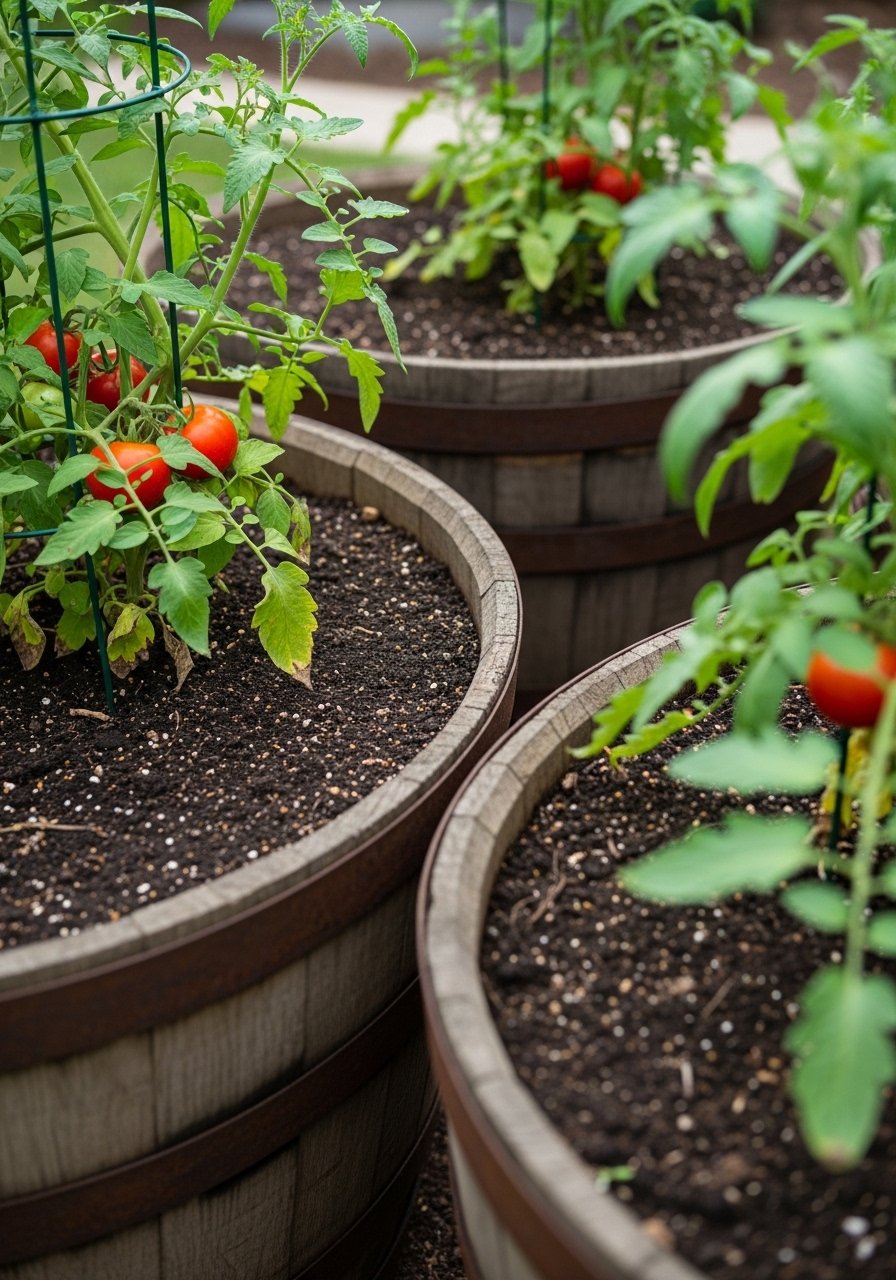
I split old whiskey barrels down the middle for my first tomato setup. They hold heat well, so roots stay cozy through cool nights. Vines climbed out the top, shading the barrel edges just right.
The visual changed my patio – these barrels made it feel like a farm corner, not a suburb lot. Harvests doubled because drainage was perfect; no more soggy roots.
Watch the sun angle; tomatoes need full blasts, so site them south-facing. I learned to drill extra holes after one barrel held water too long.
Fill with a mix of compost and topsoil for that slow-release feed.
What You’ll Need for This Look
Whiskey barrel halves (27 gallon)
2. Galvanized Wash Tubs for Root Crops
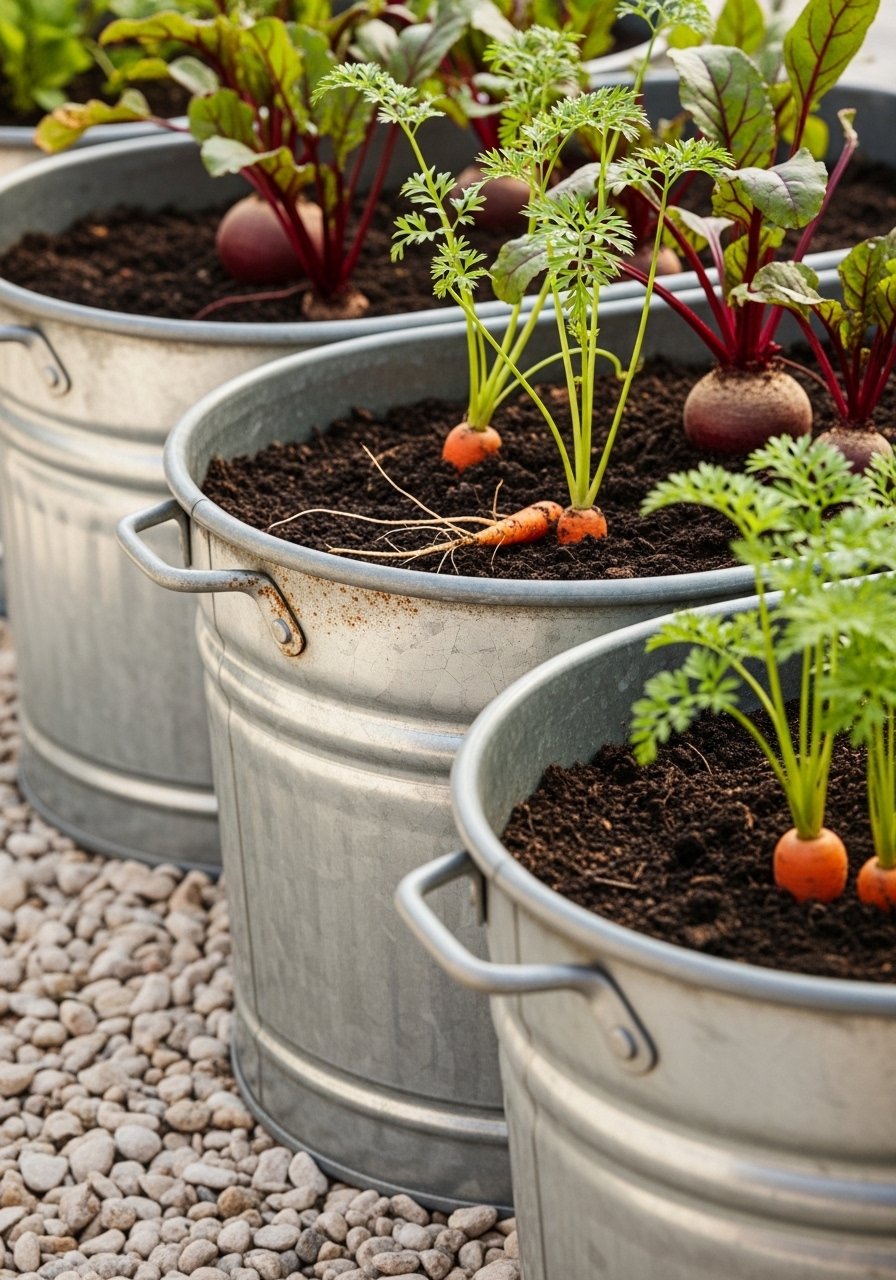
Galvanized tubs caught my eye at a yard sale – cheap and tough. I punched drainage holes and packed them with carrots and beets. Roots grew straight down, easy to pull without forking.
My side yard went from bare to bountiful; the metallic shine warmed up with dirt stains. Low maintenance, too – no weeds creeping in from below.
Position where afternoon shade hits; roots like it cooler. I overpacked once and thinned them out mid-season for better bulbs.
They rust just enough to blend in, not flake off.
What You’ll Need for This Look
Galvanized wash tubs (20 gallon)
3. Stacked Wooden Crates for Herb Layers
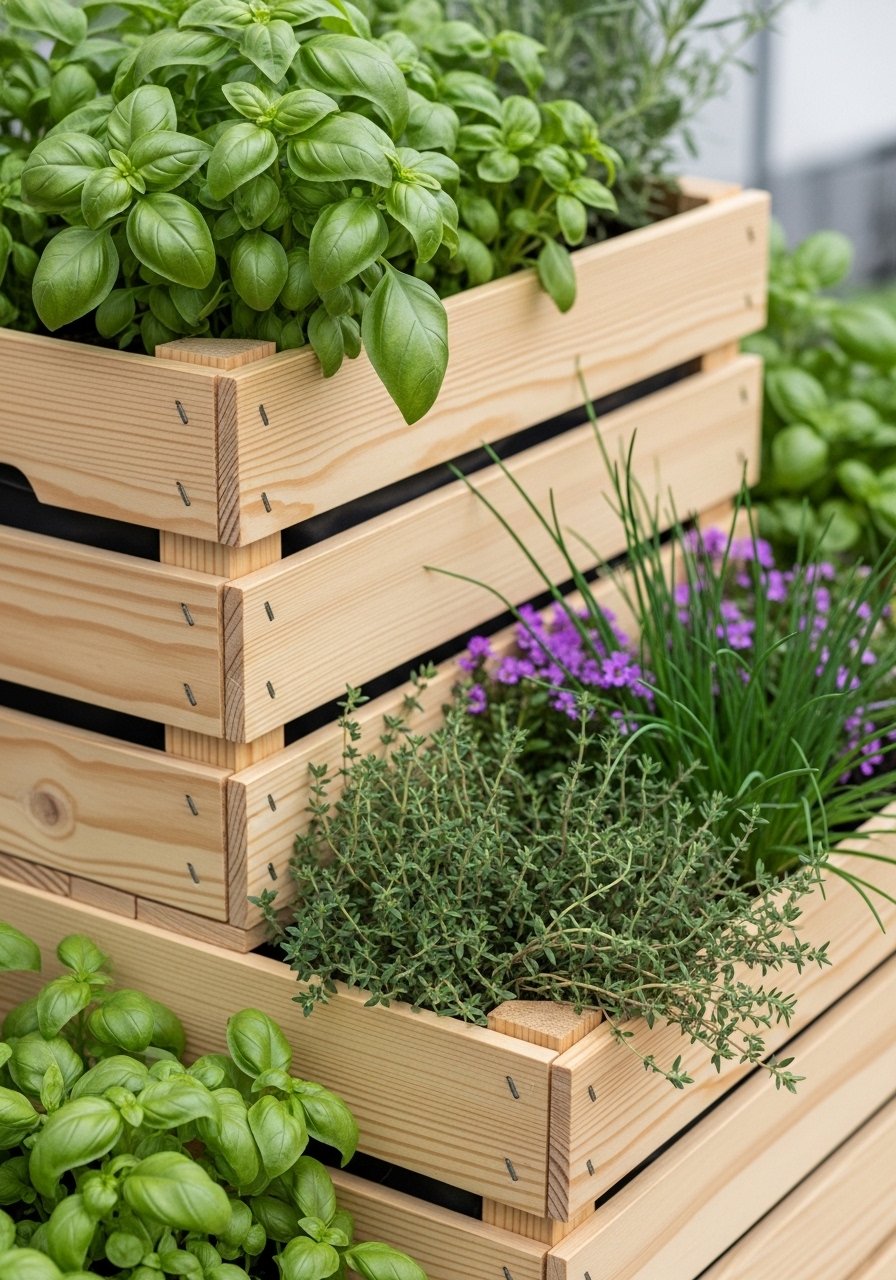
I scavenged crates from a market and stacked three high for herbs. Basil up top gets sun, chives below stay moist. It's like a green staircase right off my kitchen door.
The layers make picking easy – no bending, and it screens my compost pile. Feels cozy, like an Italian hillside in my backyard.
Stack stable on flat ground; I tipped one early on by rushing. Line bottoms with landscape fabric to slow soil loss.
Snip often; they bush out fuller.
What You’ll Need for This Look
Wooden produce crates (medium size)
4. Old Wheelbarrows for Trailing Squash
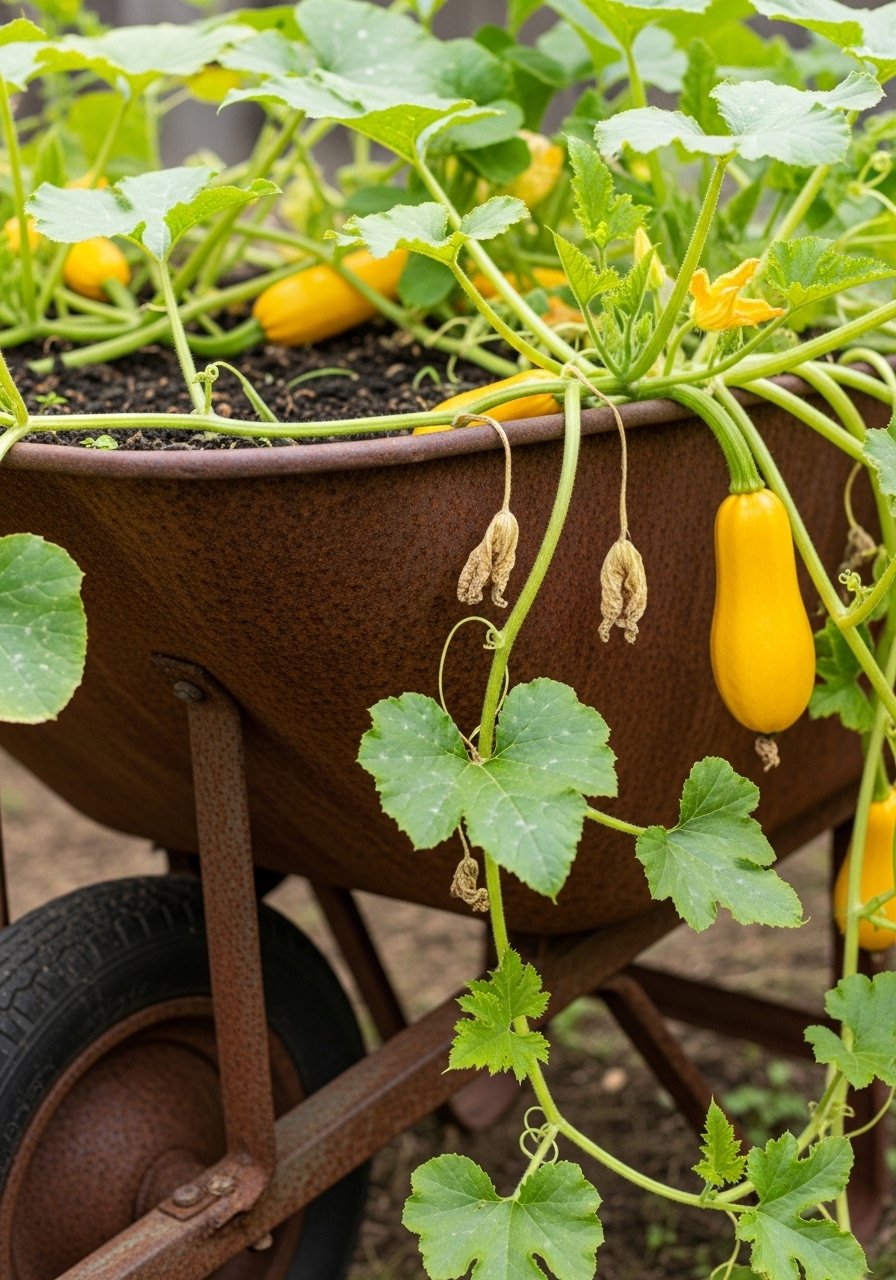
An rusty wheelbarrow from the shed became my squash spot. I propped it level, added trellis for vines to climb. Fruits dangled clean, off the damp ground.
It softened my gravel path visually – squash flowers popping against the rust. Yields were huge; mobility let me chase sun.
Wheel it to shelter in storms. I forgot once, and hail dented the rim but didn't kill plants.
Drainage is built-in at the front lip.
What You’ll Need for This Look
5. Metal Stock Tanks for Bush Beans
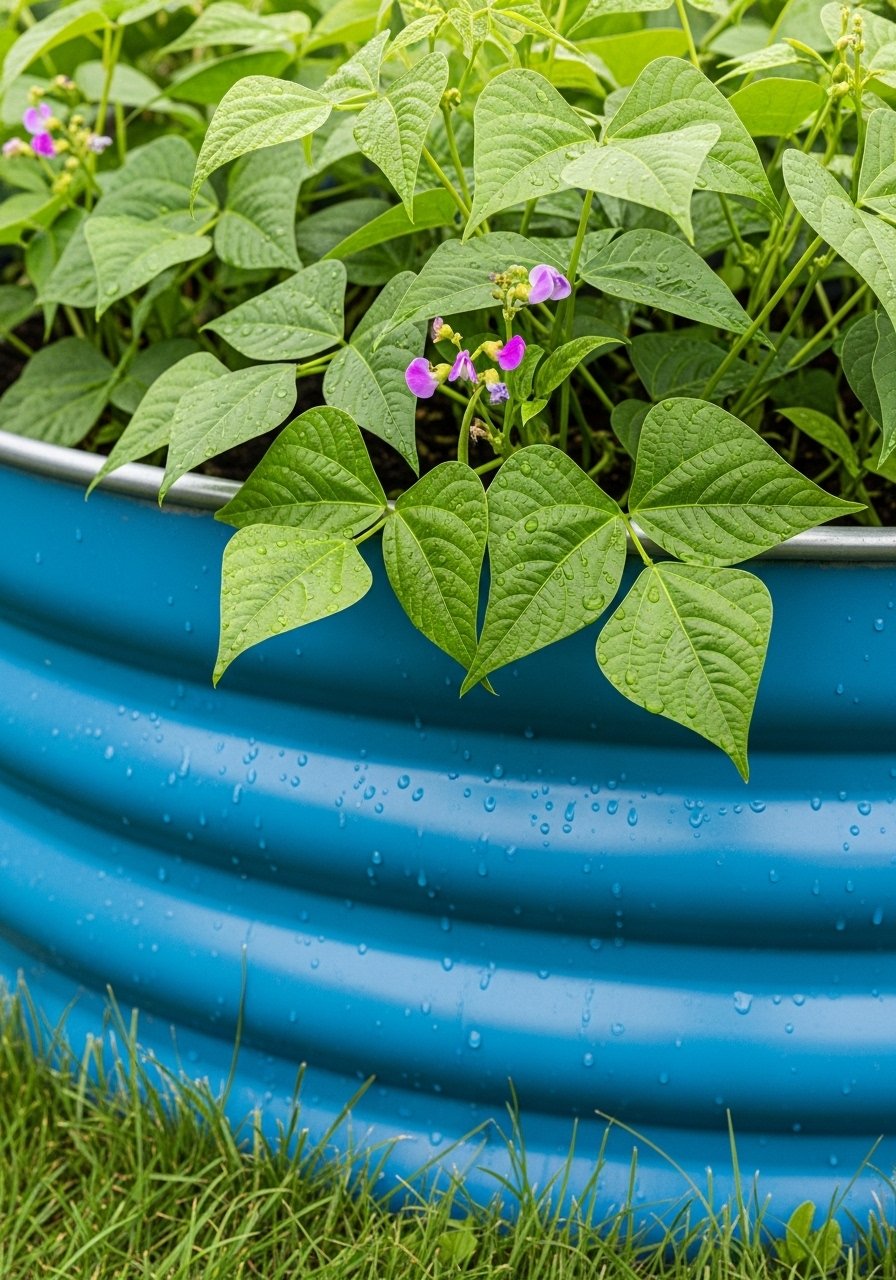
A stock tank from the farm store fit my sunny corner perfectly for beans. Drill holes bottom and sides; they sprawl without crowding.
The tank's height keeps rabbits guessing, and beans fill it with green waves. My deck feels alive now.
Beans fix nitrogen, so soil stays fertile year after year. I planted too dense first time, got fewer pods – space them 6 inches.
Blue paint fades to a nice patina.
What You’ll Need for This Look
Galvanized stock tank (100 gallon)
6. Cinder Block Frames with Soil Inserts
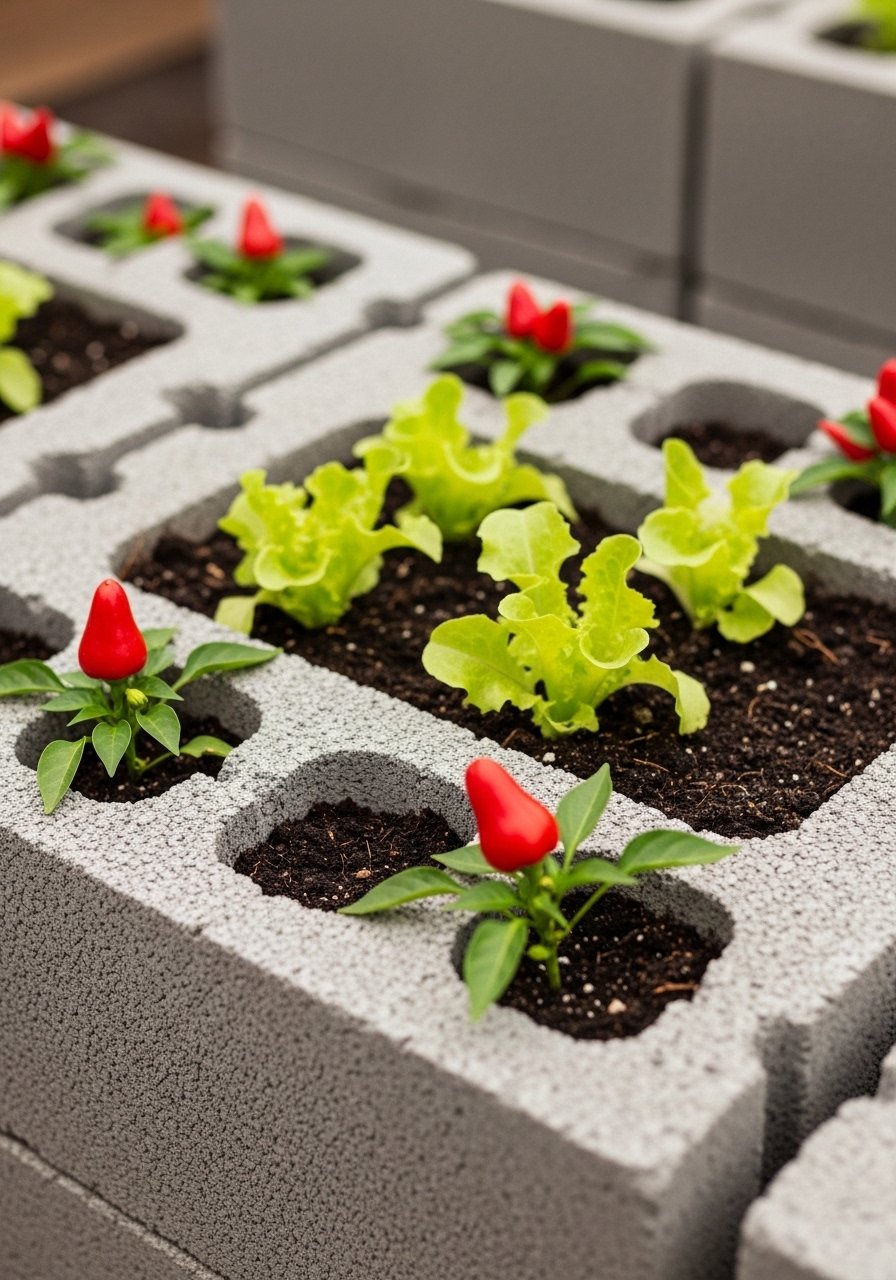
I built cinder block rings and dropped plastic bins inside for peppers. Holes in blocks hold cherry tomatoes – instant pockets.
It frames my lawn edge warmly, blocks warm soil fast. Peppers ripen quicker here.
Stack two high for reach; mortar if wobbly. I skipped that once, rebuilt after a wind.
Cheap and modular – move as needed.
What You’ll Need for This Look
Standard cinder blocks (8x8x16)
Plastic storage bins (27 gallon)
7. Recycled Bathtub for Leafy Greens
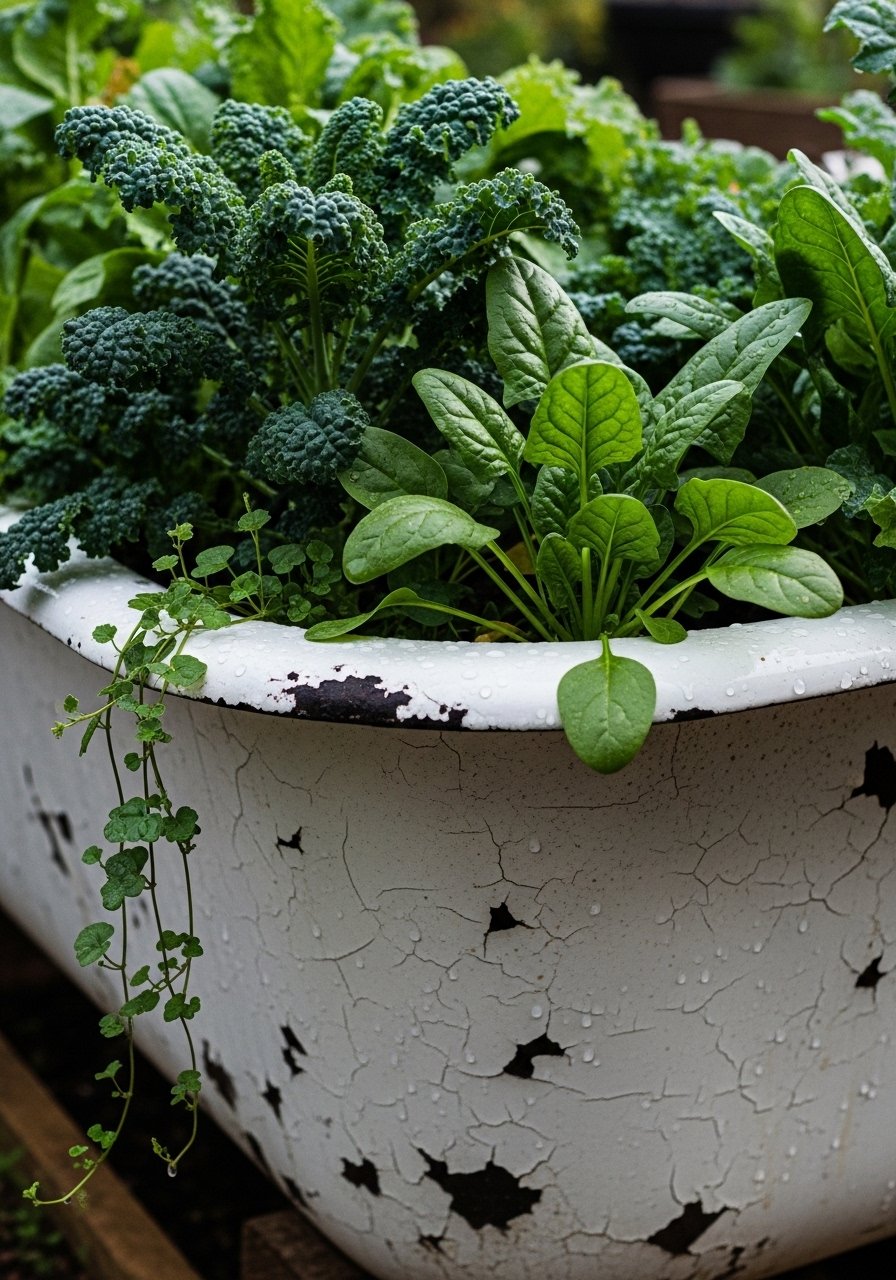
My clawfoot tub from a reno dump hosted kale all summer. Drill holes, elevate on bricks – greens love the depth.
It nests in my flower bed, tub curves echoing petals. Harvests non-stop; no slugs from ground level.
Prop higher for back ease. I set it low first, stooped too much.
Enamel holds moisture steady.
What You’ll Need for This Look
8. Pallet Sides as Lean-To Beds
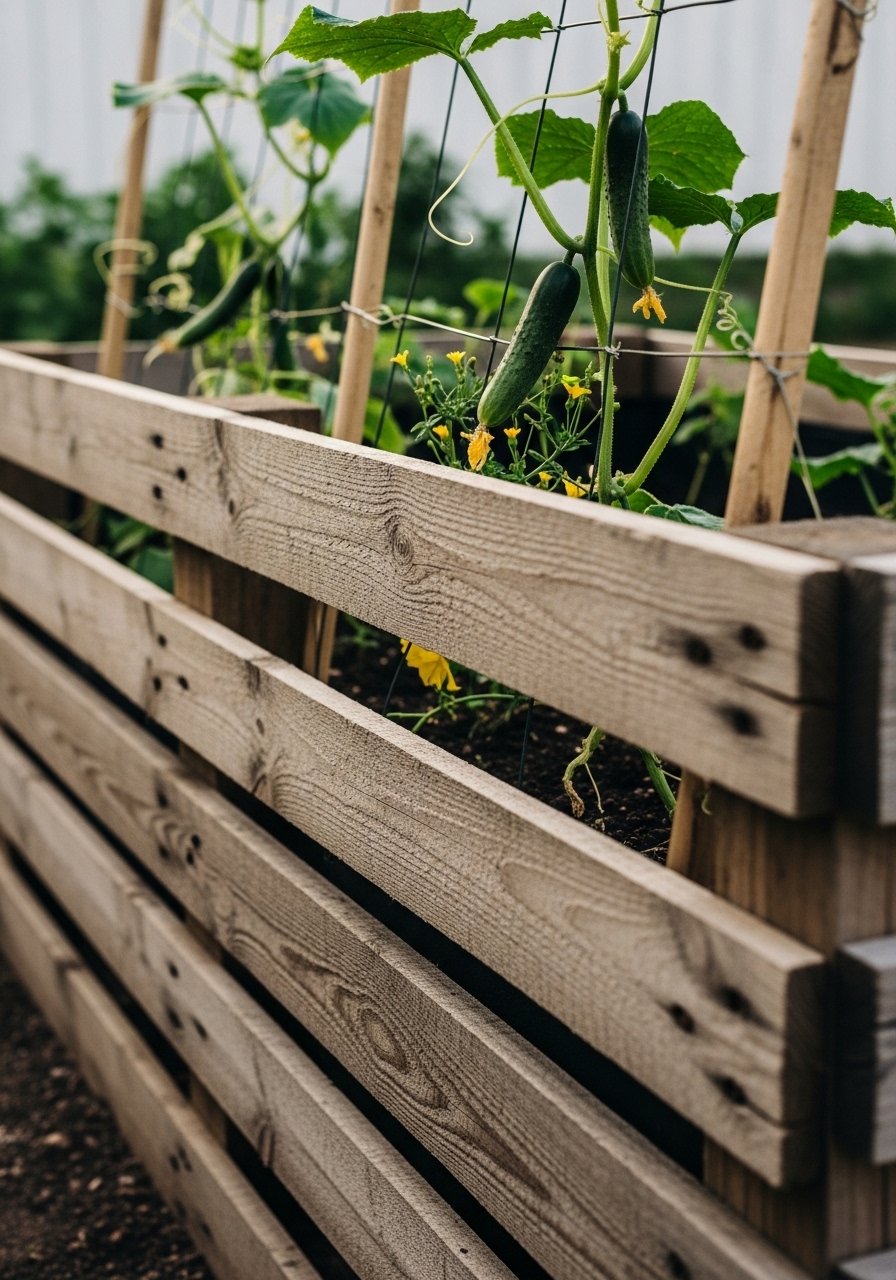
Disassembled pallets formed a back wall for cukes. Soil fills the frame; vines train up naturally.
My fence line went productive – pallets add texture like a picket row. Cukes stay straight, pest-free.
Secure to stakes; one leaned in rain. Treat wood lightly for longevity.
Vertical saves space.
What You’ll Need for This Look
Wood pallets (standard shipping)
9. Fabric Grow Bags Elevated on Stands
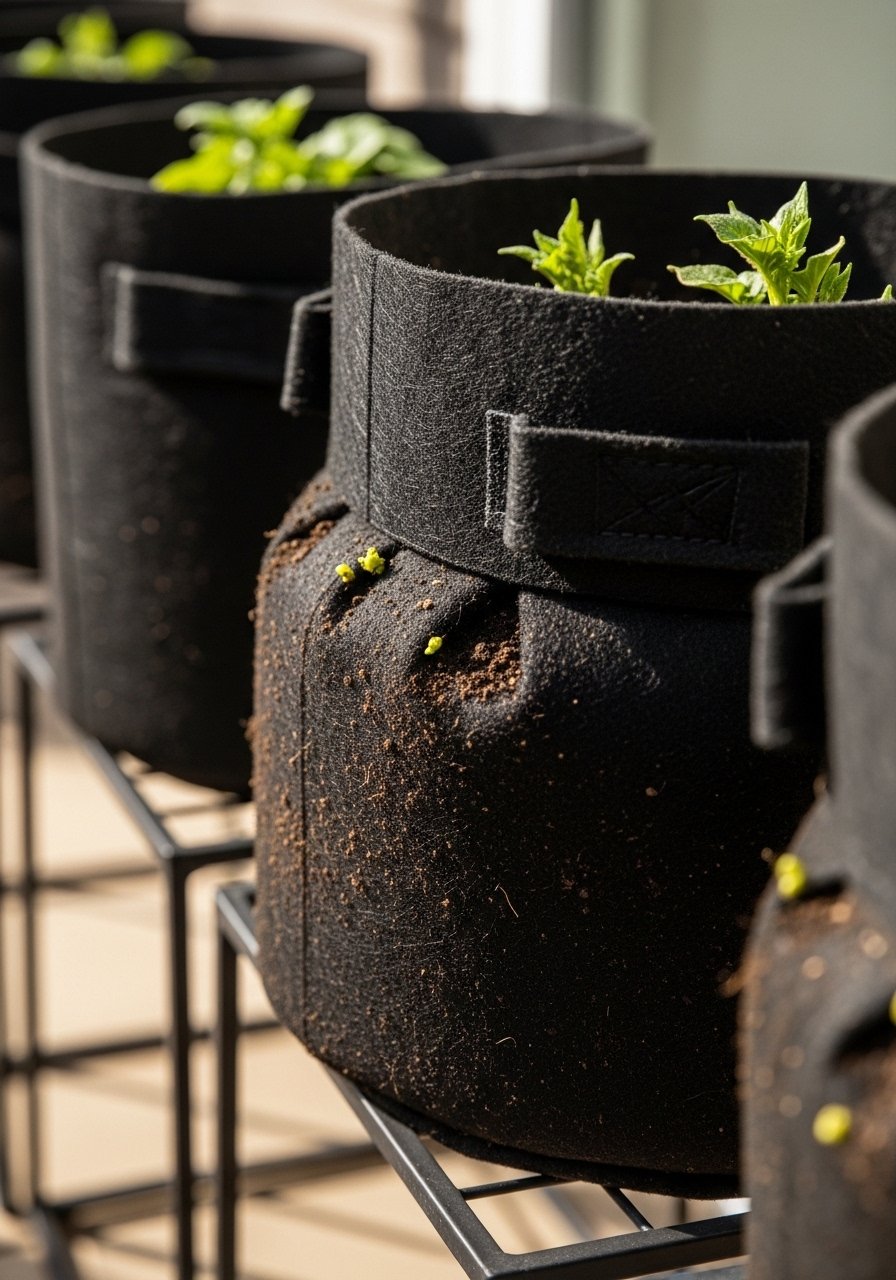
Fabric bags on wire stands hold potatoes airy. Air prunes roots, no circling.
They stack neat on my porch, bags breathing easy in heat. Dug up 20 pounds once – simple roll-out.
Don't overwater; fabric dries fast. I drowned first batch.
Reusable year after year.
What You’ll Need for This Look
Metal plant stands (collapsible)
10. Trough Planters for Salad Mix
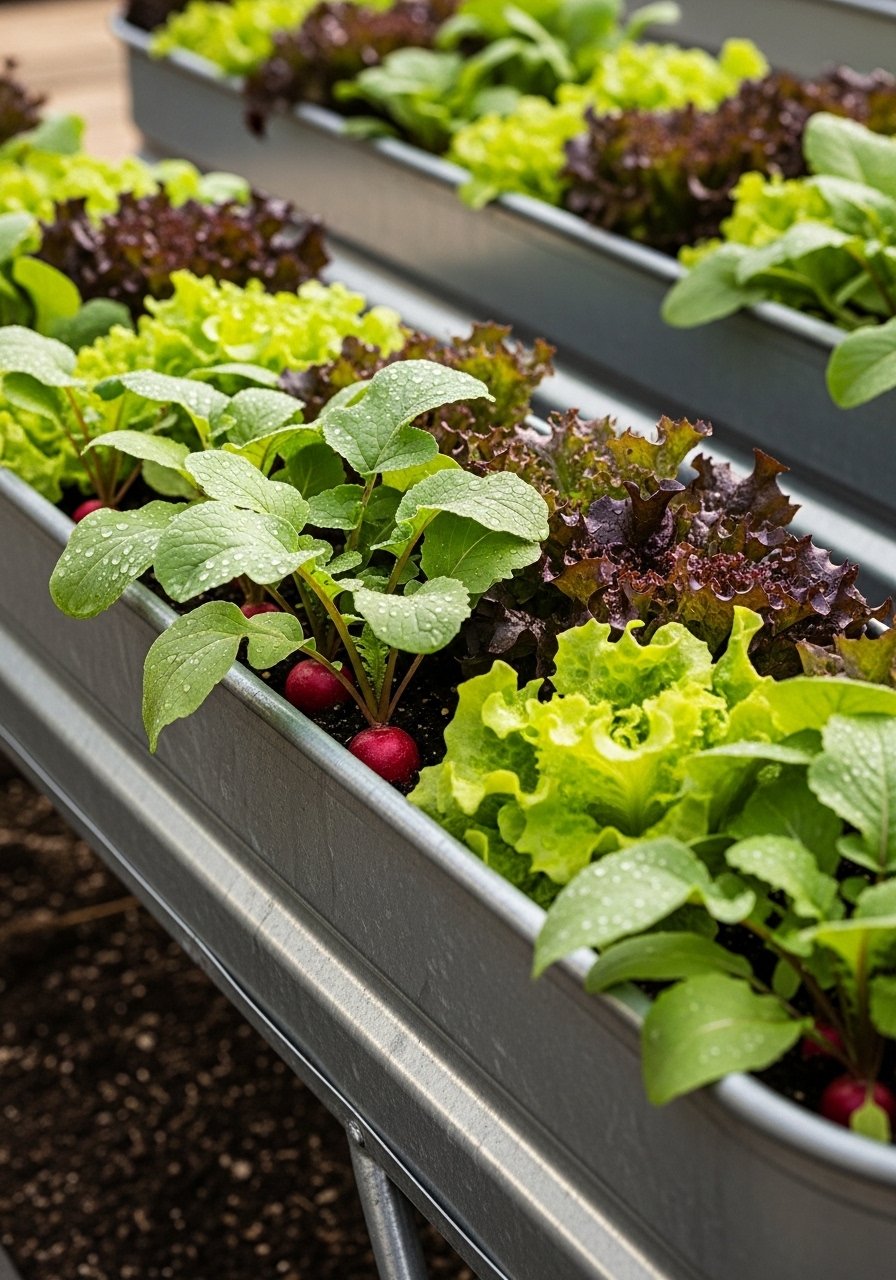
Long troughs on sawhorses make salad rows. Succession plant for steady picks.
My walkway edges glow with greens; troughs catch rain perfectly. Feels like a market stand.
Legs prevent rot; direct sow thinly. Crowded once, bolted early.
Rust adds character.
What You’ll Need for This Look
Galvanized trough planters (3 foot)
11. Clay Pot Stacks for Peppers
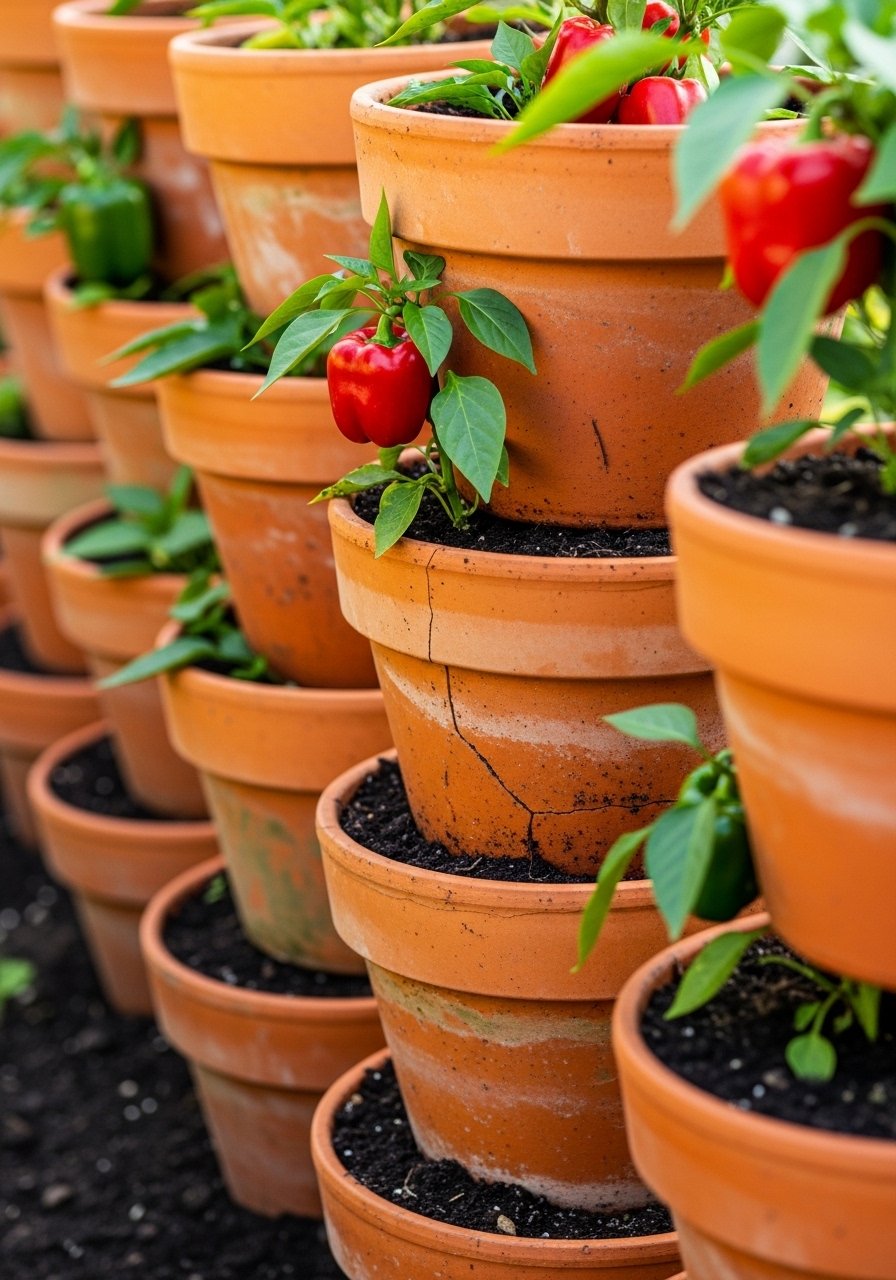
Stacked terracotta pots – small at top for peppers, wide base stable. Heat bakes flavors in.
My steps got a spicy upgrade; pots mellow to rose tones. Heat-loving peppers thrive.
Wrap bases in windy spots. Toppled mine pre-glue.
Breathe well, no rot.
What You’ll Need for This Look
Terracotta pot set (10-18 inch)
12. Brick Ring with Liner for Eggplant
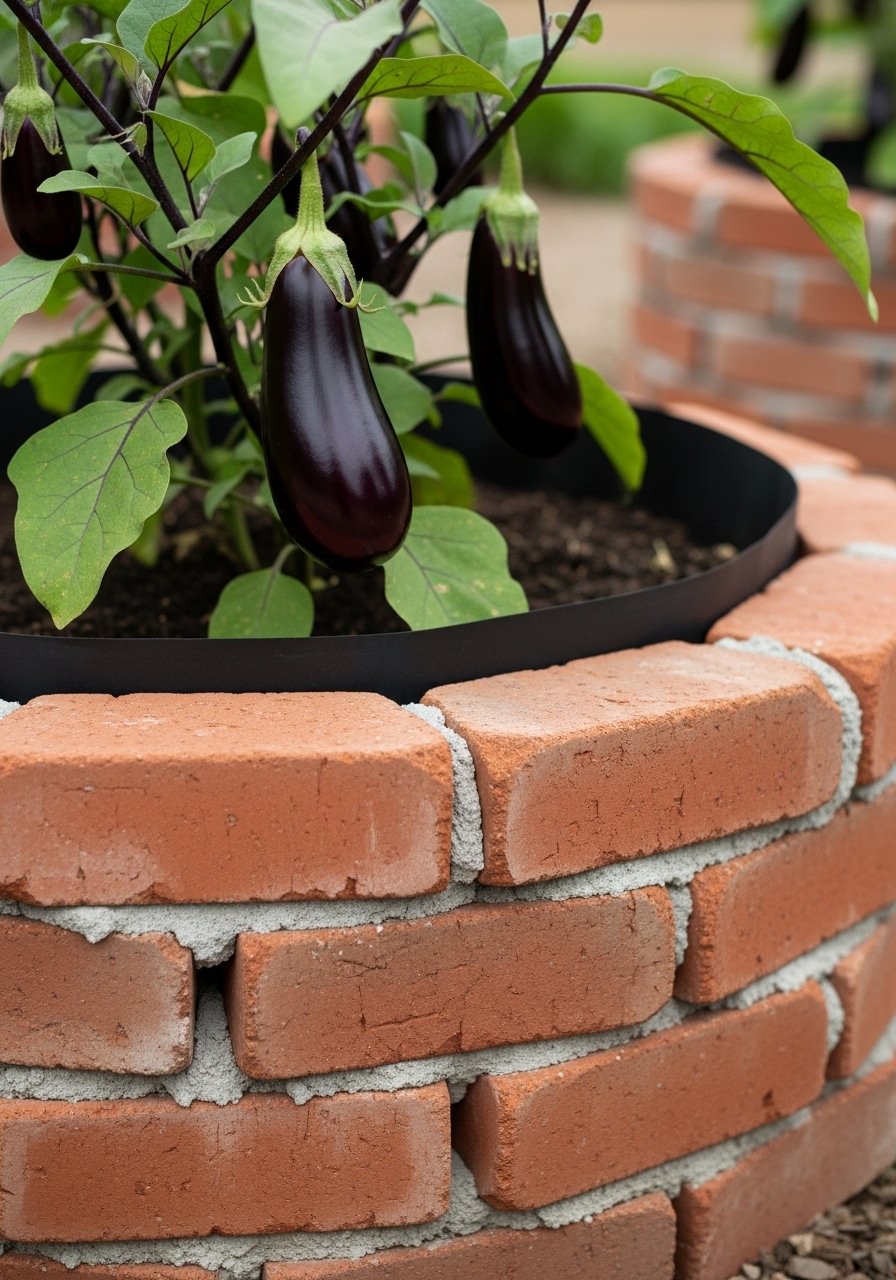
Bricks in a circle, plastic liner inside for eggplant. Bricks retain heat overnight.
Yard corner feels enclosed, productive. Fruits swell big here.
No mortar needed if tight; one shifted, fixed with gravel.
Deep for taproots.
What You’ll Need for This Look
13. Gutter Sections Mounted for Microgreens
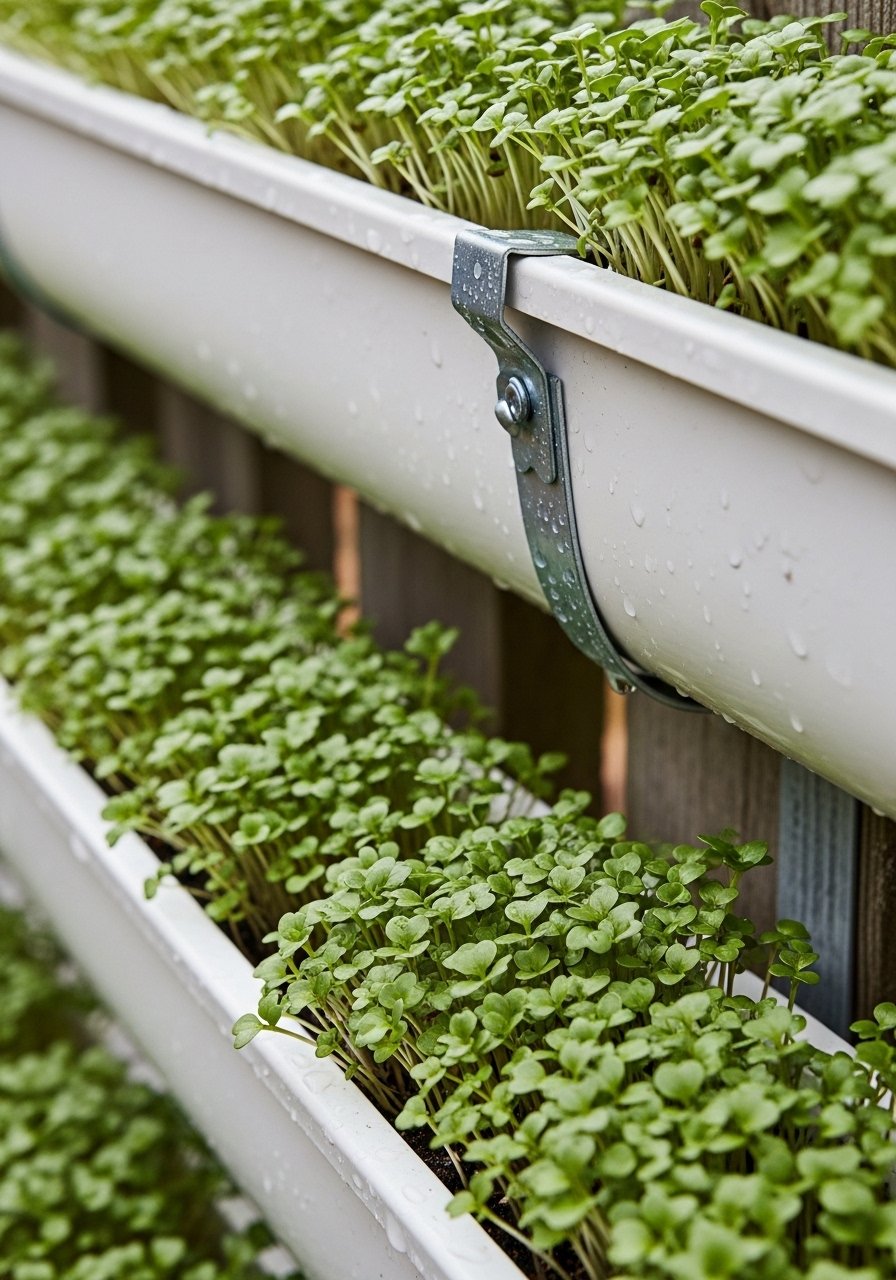
PVC gutters clipped to my fence for microgreens. Shallow, fast cycles.
Fence turns harvest wall; snip daily freshness.
Level perfect; tilted once, spilled. End caps seal it.
Space saver supreme.
What You’ll Need for This Look
14. Hay Bale Clusters for Zucchini
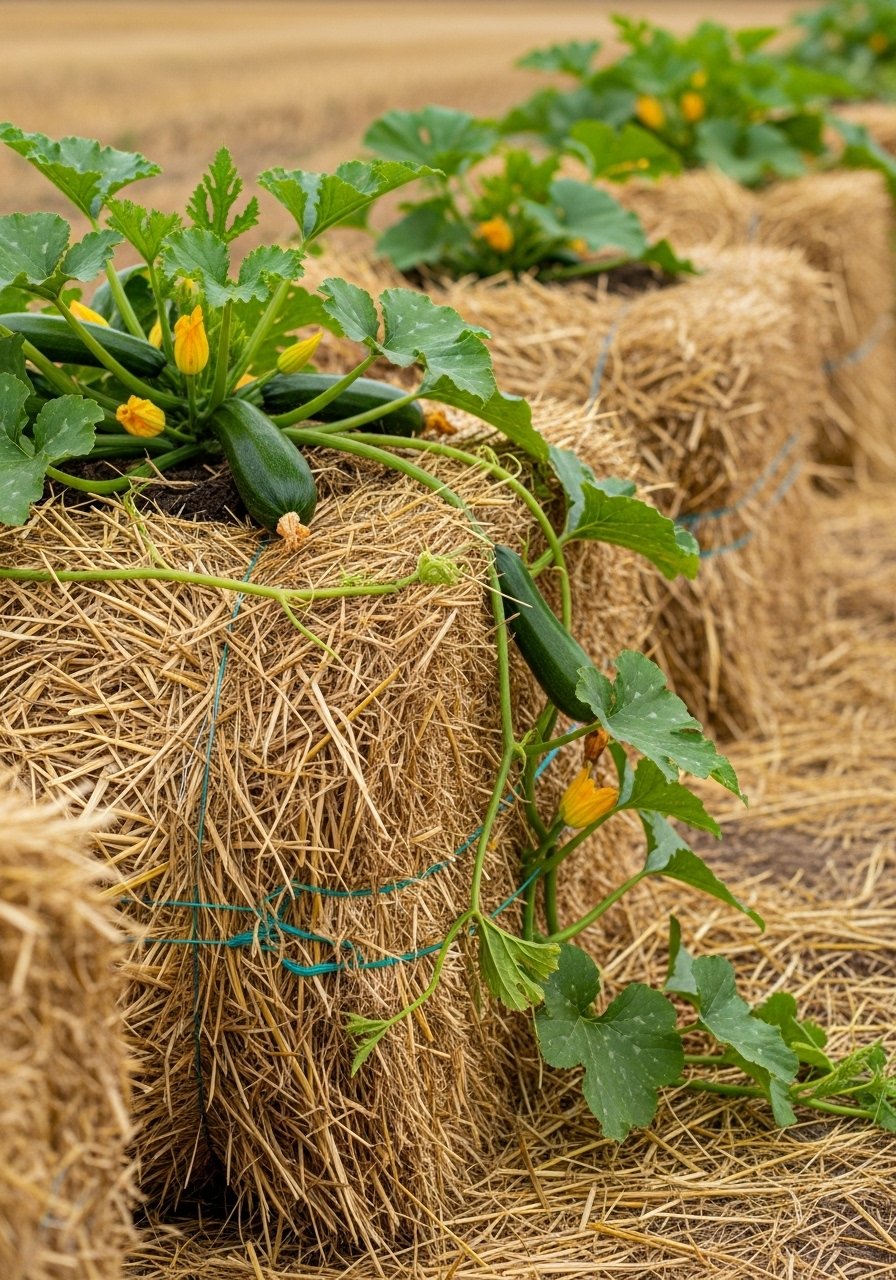
Hay bales soaked and planted for zukes. They compost as they grow.
Mimics field rows in my yard; bales settle soft. Prolific producers.
Water deeply first; dry bales stressed mine early.
Biodegradable bed.
What You’ll Need for This Look
Round hay bales (small garden size)
15. Window Boxes on Rails for Strawberries
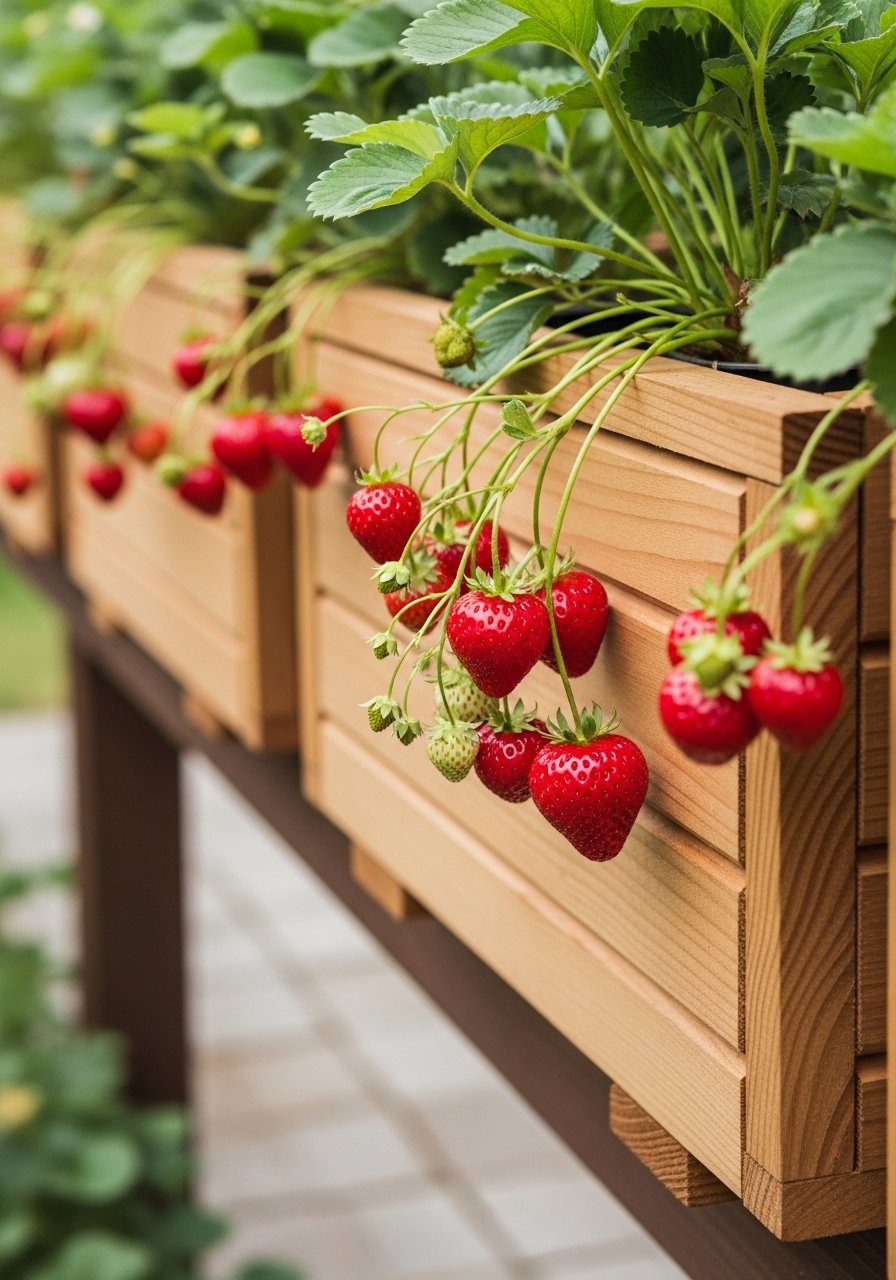
Cedar window boxes rail-mounted for berries. Elevated keeps fruit clean.
Rail becomes berry buffet; always ripe handfuls.
Pinch runners; they took over once.
Everbearing varieties shine.
What You’ll Need for This Look
16. Plastic Drum Halves for Corn
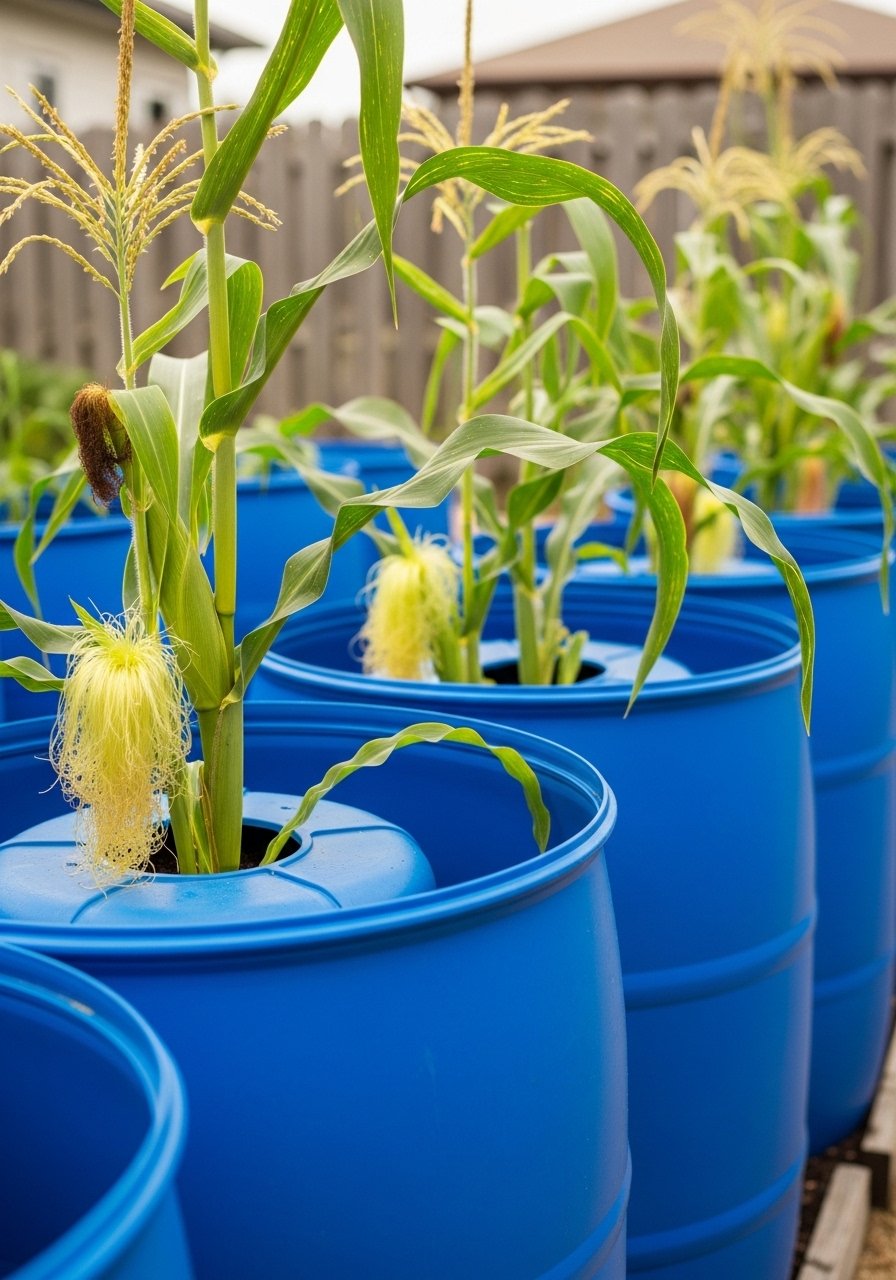
55-gallon drums halved for corn blocks. Wind-pollinate close together.
Patio corn patch – stalks screen views nicely.
Group three-plus; solo ears were puny.
Cut with jigsaw easy.
What You’ll Need for This Look
17. Woven Basket Liners for Radishes
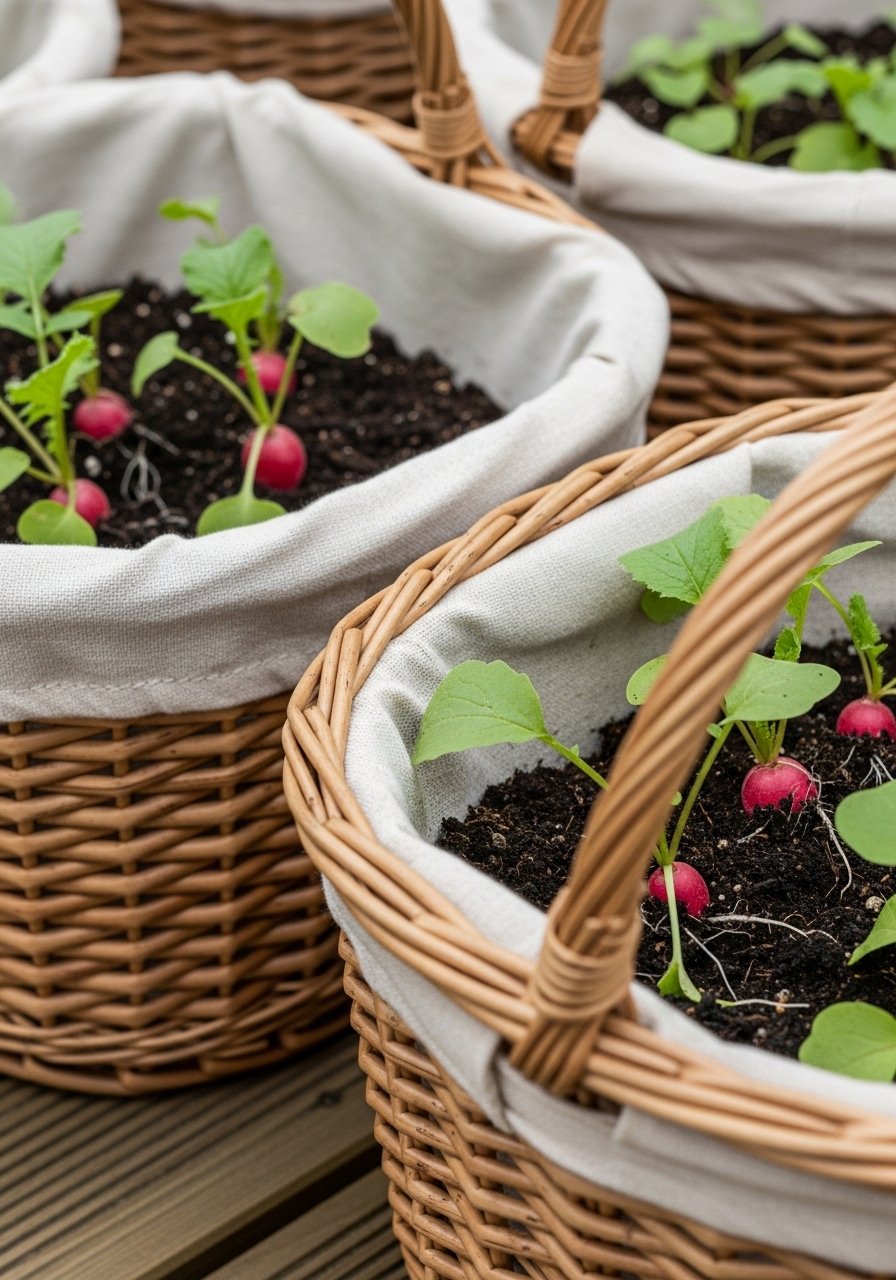
Woven baskets lined for quick radishes. Portable pops of red.
Deck corner harvest station; baskets soften hard surfaces.
Liner prevents rot; bare weave molded once.
Pull young for tenderness.
What You’ll Need for This Look
Woven seagrass baskets (large)
Final Thoughts
Pick one or two that fit your spot – no need for all 17.
They've saved my gardens through bad soil and busy weeks.
Start small; watch what grows best there. You'll harvest confidence along with the veggies.