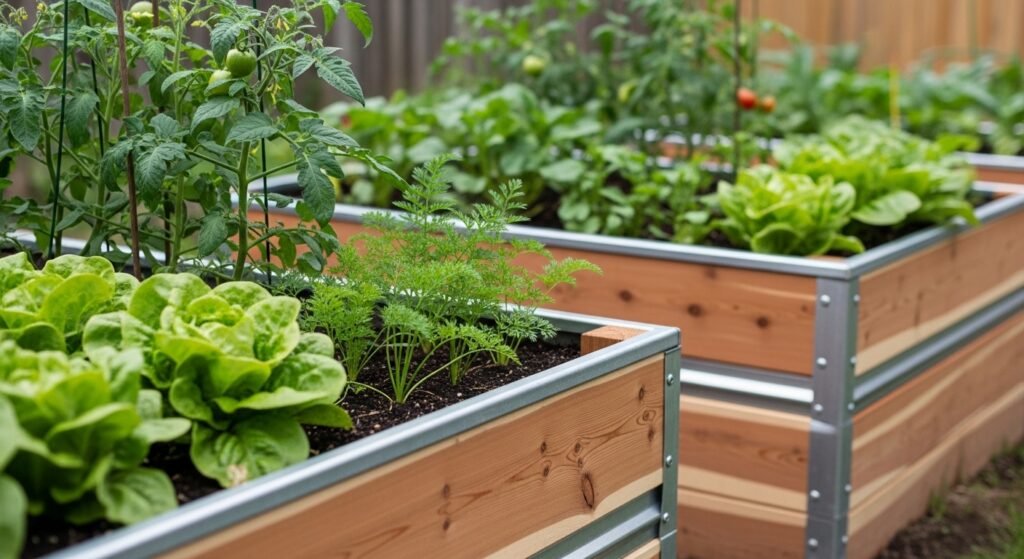
I stared at my patchy lawn one spring, tired of bending over weeds. Built my first raised vegetable garden bed from scrap wood. It flooded. Learned quick. Now these beds feed us all summer. No perfection, just steady greens and roots that pull easy.
They hug the ground right, soil warms fast. I've tweaked them over years. You can too.
7 Practical Raised Vegetable Garden Beds to Copy
These 7 raised vegetable garden beds come from my own yard trials. Ones that grew real food without fuss. Copy any, start small. Each works in average soil.
1. Classic 4×4 Cedar Bed Packed with Root Crops
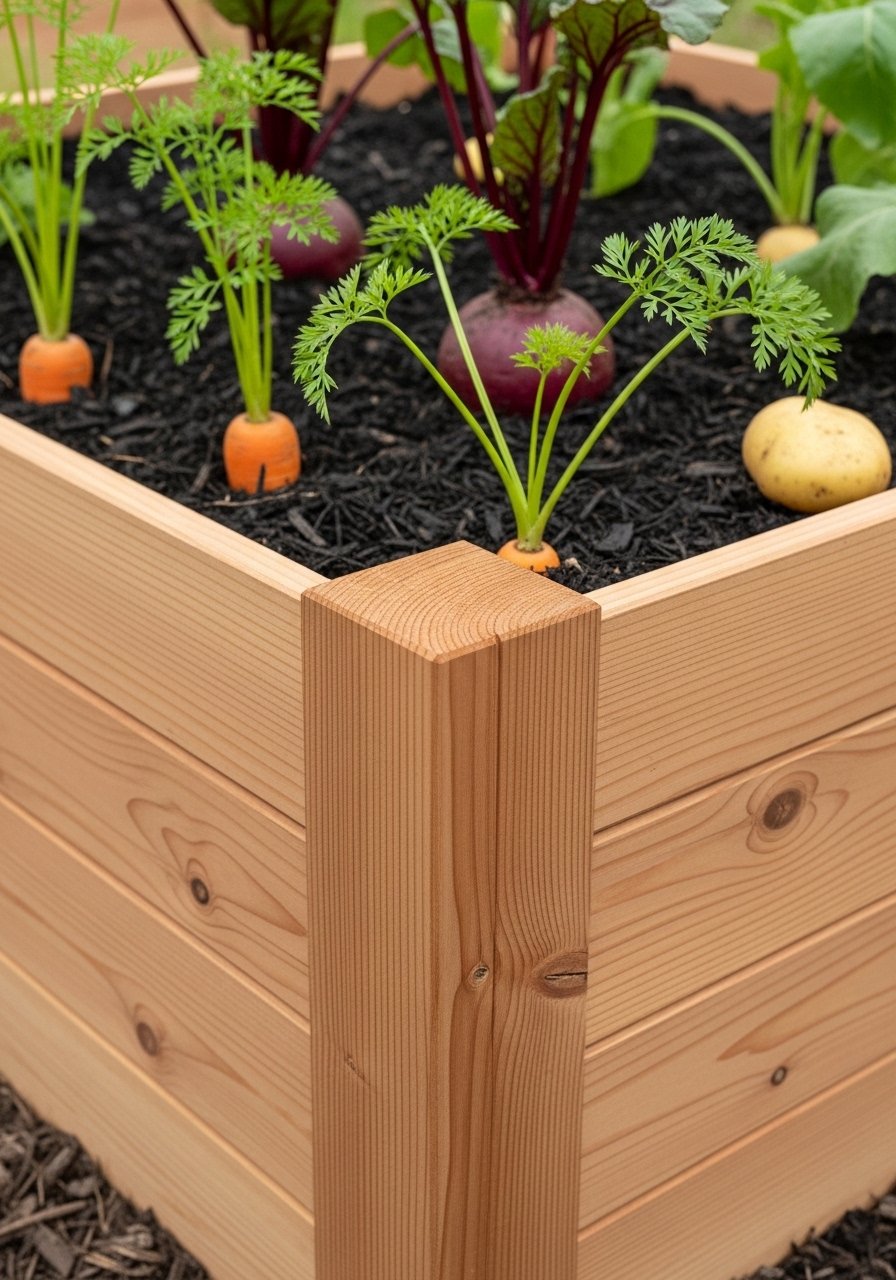
I hammered together this 4×4 cedar frame in an afternoon. Filled it with loose soil for carrots and beets. They bulged out fat, no rocks to fight. Changed how I garden—no more digging clay.
The height keeps my back straight. Roots grow deep, straight down. In my yard, it caught full sun, doubled my harvest.
Watch drainage. Mine puddled once, added gravel bottom. Space plants tight for shade.
What You’ll Need for This Look
Cedar raised garden bed kit (4×4 feet)
Organic compost mix (2 cubic feet)
2. L-Shaped Corner Bed Hugging the Fence Line
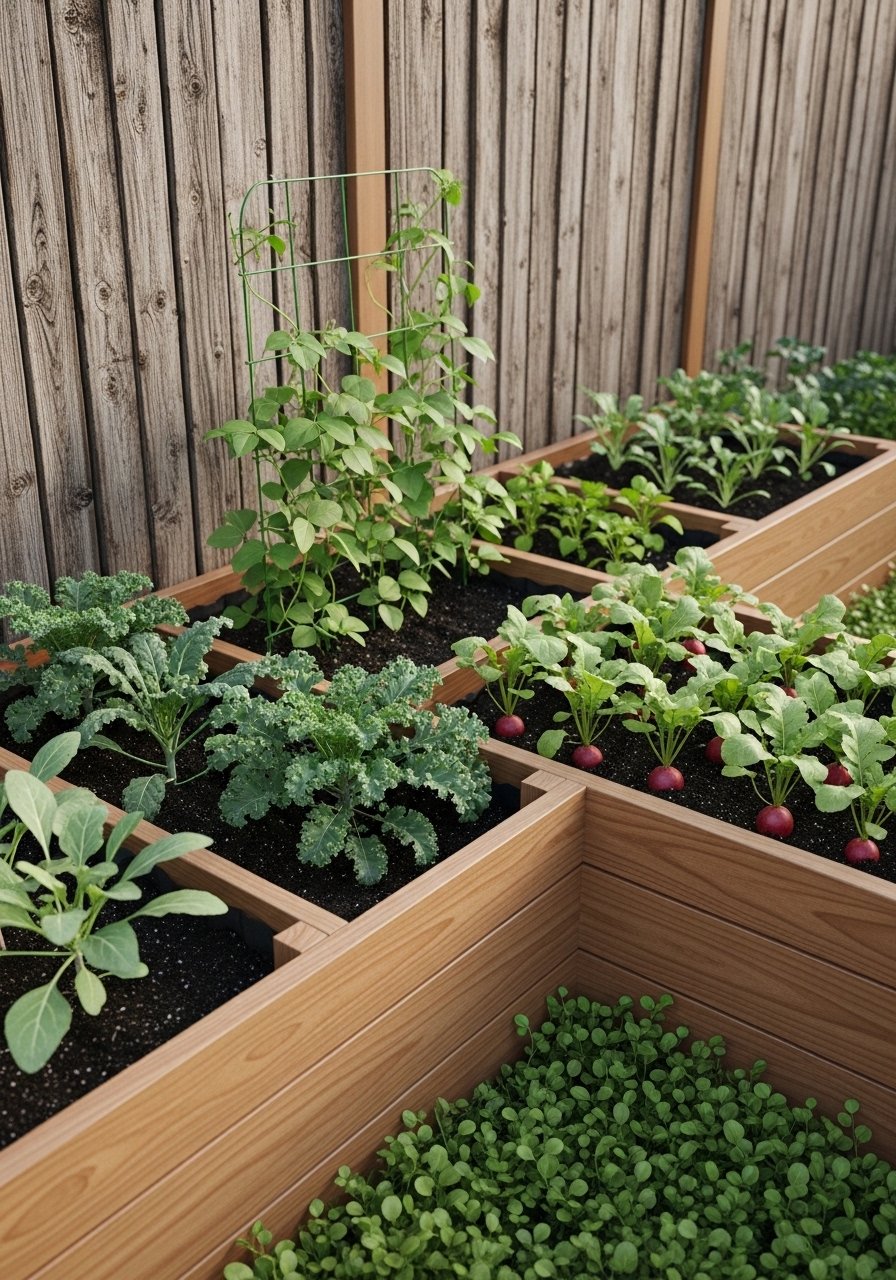
Tucked this L-shape into my fence corner, wasted space gone. Planted kale along the back, radishes up front. It feels enclosed, cozy. Harvests layer up without crowding the lawn.
Fence blocks wind, plants lean happy. I noticed beans climb the slats free.
Bought cheap pine first—rotted fast. Switched cedar. Mulch heavy to hold moisture.
What You’ll Need for This Look
Cedar lumber (2×12 inch boards, 8 feet)
Galvanized screws (3 inch, pack of 100)
3. Stacked Cinder Block Beds for Tight Patios
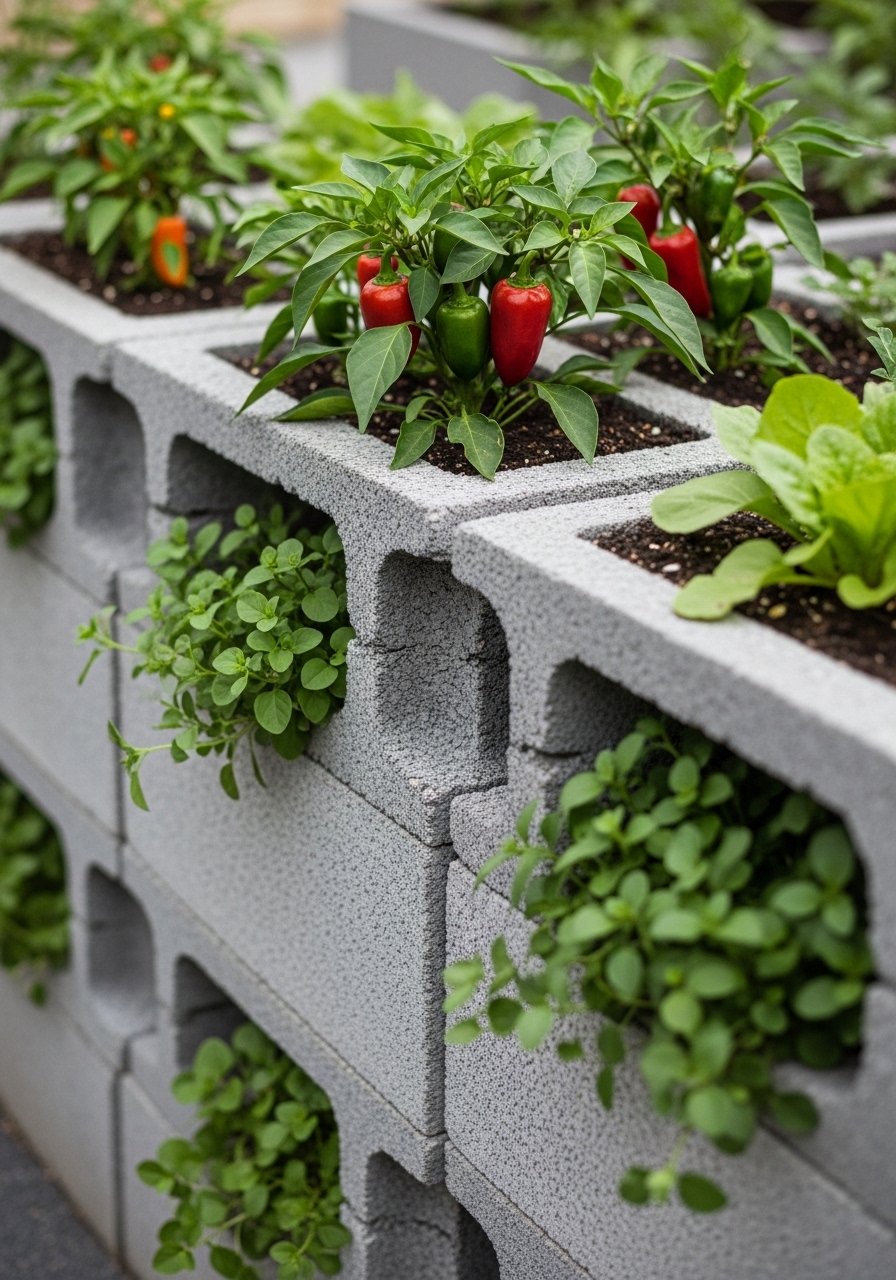
My patio was bare slab. Stacked cinder blocks two high for peppers and herbs. Pockets hold soil perfect, no spill. It warmed the concrete, made meals steps away.
Blocks heat soil early—peppers ripen first. Feels sturdy, urban simple.
Filled gaps wrong once, weeds snuck in. Line with fabric now.
Cheap, movable if needed. Add gravel base for legs.
What You’ll Need for This Look
Standard cinder blocks (8x8x16 inch, pack of 20)
Potting soil (1.5 cubic feet bags)
4. Trellis-Topped Bed for Vining Beans and Peas
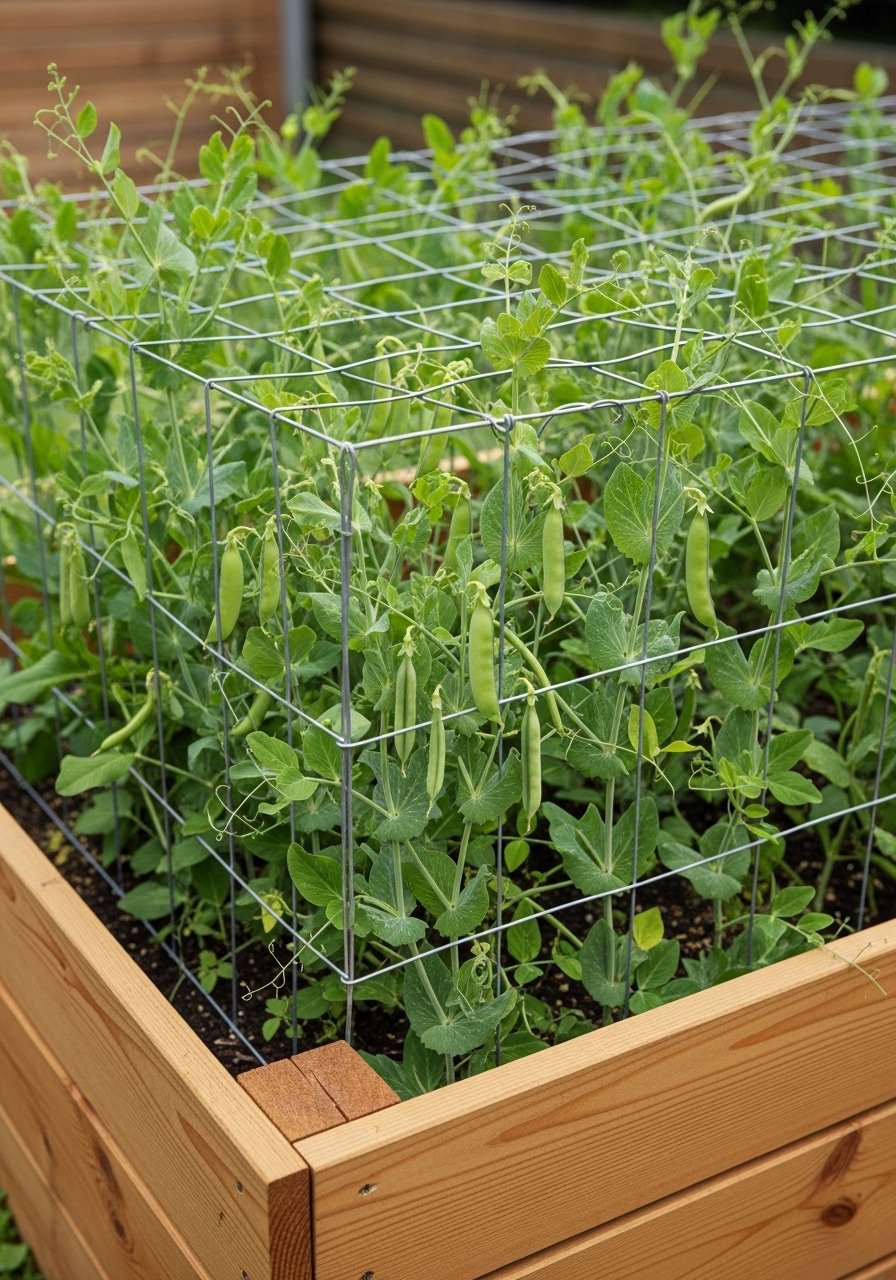
Built this bed with a cattle panel arch. Peas and beans race up, pods dangle easy pick. Saves floor space, air flows free—no rot.
Vines shade greens below. My yard feels taller, productive.
Panel bent funny first try. Stake deep now. Harvest daily, feels alive.
What You’ll Need for This Look
Raised garden bed kit (4×8 feet galvanized)
Cattle panel trellis (16 feet long)
T-post stakes (6 feet, pack of 4)
5. Galvanized Metal Trough Beds in a Row
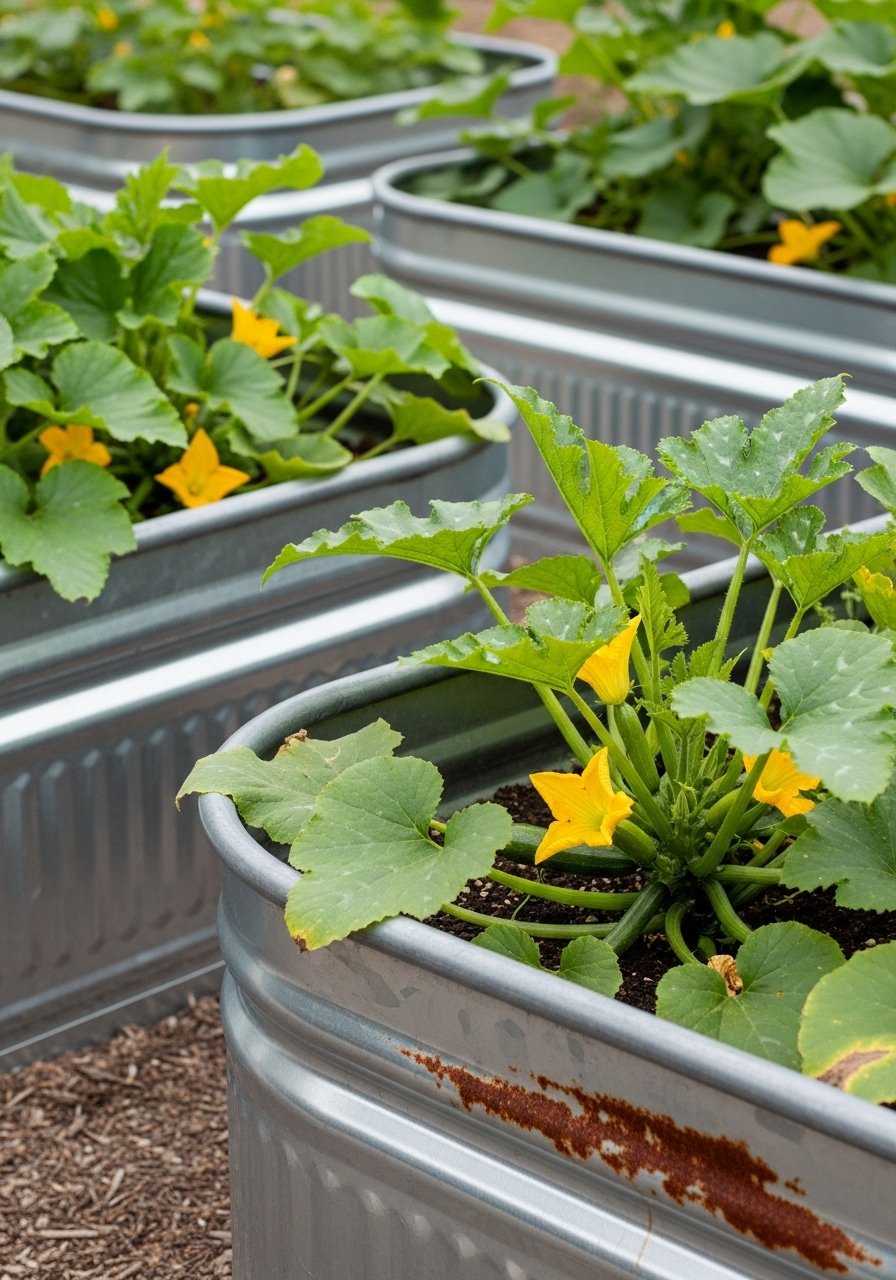
Lined up these old troughs for zucchini rows. Metal heats even, drains sharp. Looks clean modern against my shed. Cucumbers spill over edges soft.
Rust adds character over time. No wood rot worries.
Overplanted first—crowded. Thin to three plants per trough.
Hose fits ends easy. Move if shade shifts.
What You’ll Need for This Look
Galvanized steel troughs (2×6 feet)
Metal bed brackets (pack of 8)
Perlite soil amendment (8 quart)
6. Keyhole Bed with Central Compost Core
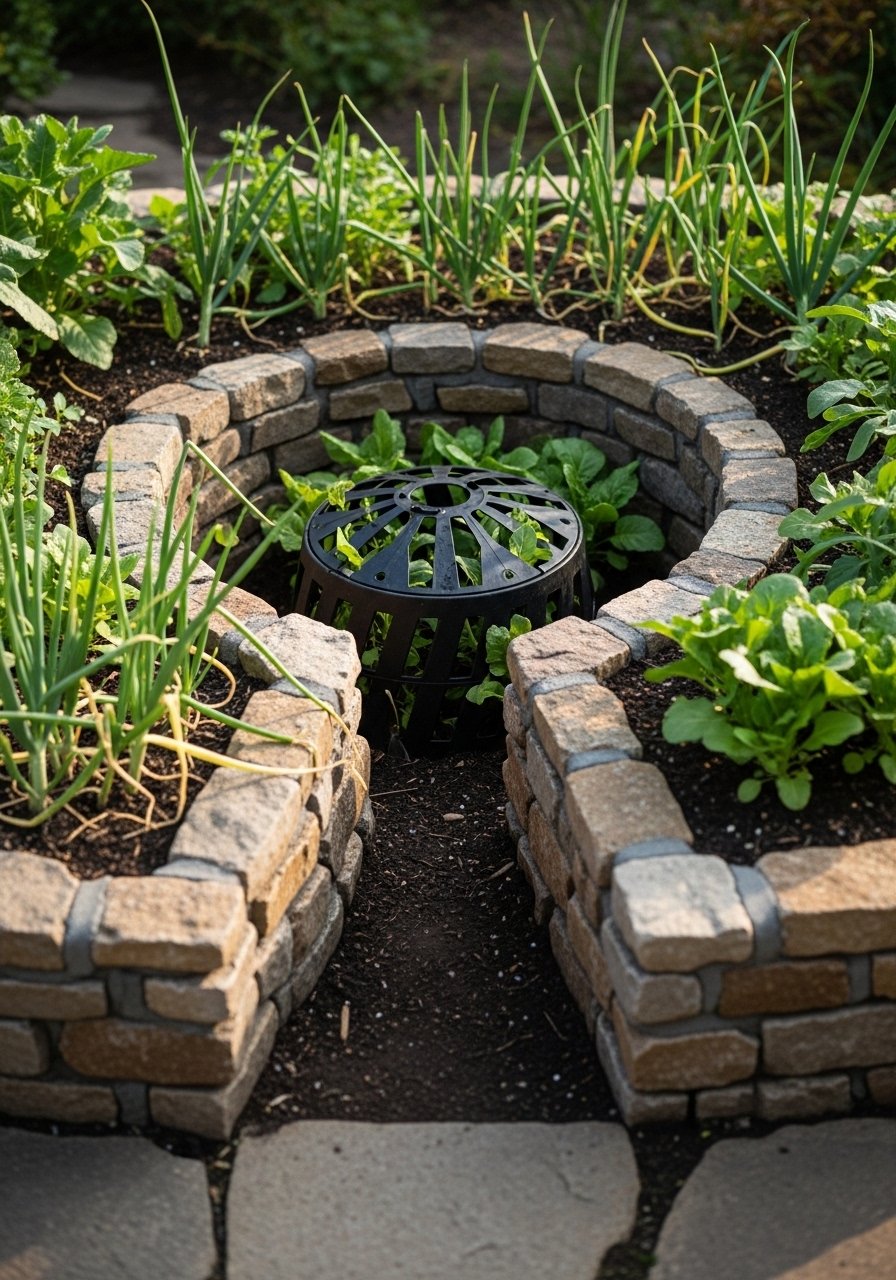
Cut a keyhole in this round bed, basket in middle for scraps. Onions circle it, pull nutrients close. Reach center easy, no stepping.
Compost steams soil warm. Greens stay tender longer.
Basket clogged once. Drill holes bigger. Feels like one big feeder.
What You’ll Need for This Look
Landscape timbers (6×6 inch, 8 feet)
Compost basket (24 inch diameter)
7. Low-Profile Beds for Waist-High Harvests
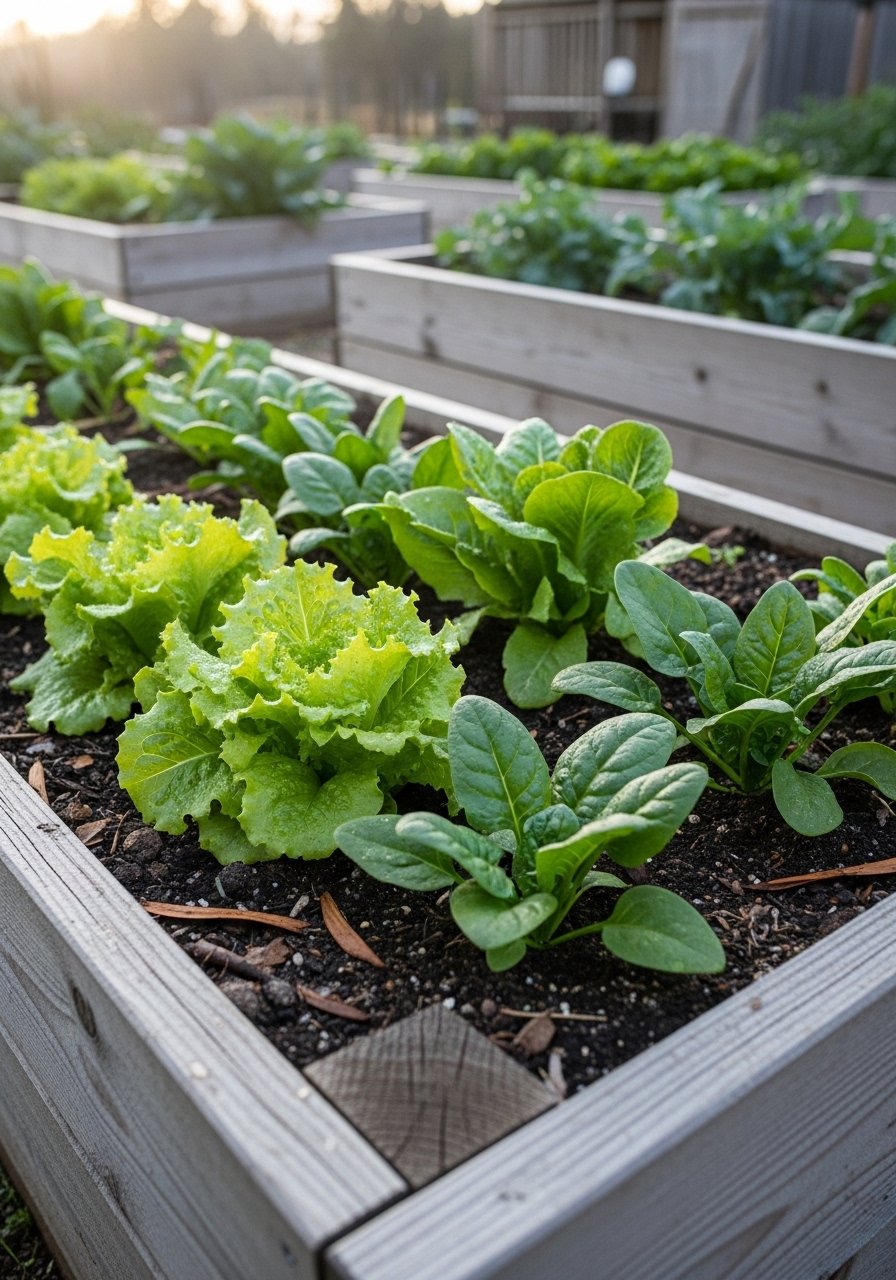
My back ached from ground level. Made these knee-high beds for lettuce waves. Snip and done, no kneel. Stays moist, slugs stay out.
Shallow suits salads perfect. Multiplies quick.
Soil settled uneven first. Top up yearly. Simple joy.
What You’ll Need for This Look
Low profile raised bed kit (cedar, 18 inch high)
Final Thoughts
Pick one bed that fits your spot. Start there. They'll grow with you, mistakes and all.
No need for seven at once. One good harvest builds the rest. You've got this—dirt under nails feels right.